The Fascinating Passiflora ‘Pura Vida’ (Passion Flower)
Passiflora ‘Pura Vida’, also known as Passion Flower ‘Pura Vida’, or scientifically referred to as Passiflora incarnata ‘Pura Vida’, is a captivating and versatile plant that boasts stunning flowers and intriguing cultural and medicinal uses. In this comprehensive guide, we will explore the various aspects of Passiflora ‘Pura Vida’, including its cultural significance, growing requirements, uses, and maintenance tips.
Key Takeaways – Passiflora ‘Pura Vida’ (Passion Flower)
Before diving into the specifics, let’s highlight some key takeaways about Passiflora ‘Pura Vida’:
-
Cultural Importance: Passiflora ‘Pura Vida’ holds significant cultural and symbolic value, often associated with religious symbolism and native traditions.
-
Growth Requirements: This plant thrives in well-draining soil, ample sunlight, and moderate watering, making it suitable for various landscapes and gardens.
-
Medicinal Uses: Historically, Passiflora ‘Pura Vida’ has been utilized for its medicinal properties, offering potential benefits for relaxation and insomnia treatment.
-
Unique Features: The distinctive and visually stunning flowers of Passiflora ‘Pura Vida’ make it a desirable ornamental addition to gardens and landscapes.
Now, let’s delve deeper into each of these aspects to gain a comprehensive understanding of this enchanting plant.
What is Passiflora ‘Pura Vida’ (Passion Flower)?
Passiflora ‘Pura Vida’, a variant of the Passion Flower, is a member of the Passifloraceae family, which encompasses over 500 species. These plants are known for their unique, intricate flowers and beneficial properties, both ornamental and practical.
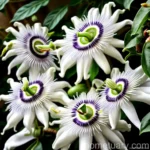
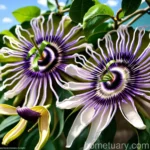
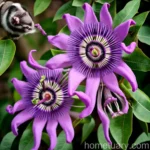
The Passiflora ‘Pura Vida’ variety is specifically cherished for its striking blue and white flowers, which not only add a touch of elegance to gardens but also play a role in traditional medicine and cultural symbolism.
Culture
Symbolism and Cultural Significance
-
Religious Symbolism: Passion Flowers, including Passiflora ‘Pura Vida’, carry religious symbolism, with various parts of the flower representing elements of the crucifixion, as perceived by Spanish Christian missionaries. The ten petals and sepals are said to symbolize the ten apostles present at the crucifixion, excluding Judas and Peter.
-
Native Traditions: In some regions, Passion Flowers are deeply rooted in indigenous traditions, symbolizing different aspects of nature and spirituality.
-
Incorporation in Art and Architecture: The intricate and captivating appearance of Passion Flowers has inspired numerous artists and architects, with its unique shape and vibrant hues being incorporated into various forms of creative expression.
Uses
Medicinal Benefits
Passiflora ‘Pura Vida’ possesses a rich history of being used for its potential medicinal properties, particularly in the realm of alternative and holistic medicine.
-
Relaxation and Sleep Aid: The leaves and stems of Passiflora ‘Pura Vida’ have been historically utilized as a natural remedy for anxiety, stress, and sleep disorders. The plant is believed to possess sedative properties, aiding in relaxation and promoting healthy sleep patterns.
-
Potential Antioxidant Effects: Some studies suggest that Passiflora ‘Pura Vida’ contains antioxidants that may offer health benefits, including the reduction of oxidative stress.
-
Supporting Mental Health: In certain traditional practices, Passion Flowers are used to support mental well-being, serving as a calming agent and helping to alleviate symptoms of anxiety and depression.
Ornamental Purposes
Passiflora ‘Pura Vida’ is widely cultivated for its stunning aesthetics, making it a popular choice in gardens and landscapes.
-
Garden Trellis: With its climbing nature, the vine-like growth of Passiflora ‘Pura Vida’ is ideal for adorning trellises, fences, and arbors, adding an enchanting touch to outdoor spaces.
-
Attracting Wildlife: The nectar-rich flowers of Passiflora ‘Pura Vida’ attract pollinators such as butterflies and hummingbirds, enhancing the biodiversity of the surrounding environment.
-
Indoor Cultivation: In suitable climates, Passiflora ‘Pura Vida’ can also be cultivated indoors, serving as a unique and captivating houseplant.
Now that we’ve explored the cultural significance and uses of Passiflora ‘Pura Vida’, let’s turn our attention to its specific growth requirements and tips for optimal cultivation.
Growing Passiflora ‘Pura Vida’
Cultivating Passiflora ‘Pura Vida’ successfully requires attention to various factors, including water, sunlight, soil, and pruning techniques. By understanding these essential aspects, you can ensure the flourishing growth and longevity of this exceptional plant.
Water
-
Watering Needs: Passiflora ‘Pura Vida’ prefers consistently moist soil but is sensitive to waterlogging. It is essential to maintain a balance, allowing the soil to dry slightly between watering sessions to prevent root rot.
-
Establishing Adequate Drainage: To prevent water accumulation, ensure that the planting site or container provides sufficient drainage. This can be achieved through the use of well-draining soil and strategically placed drainage holes in containers.
-
Adjusting Watering Frequency: During periods of intense heat or dryness, it may be necessary to increase the frequency of watering to support the plant’s hydration needs.
Sunlight
-
Sun Exposure: Passiflora ‘Pura Vida’ thrives in locations with full sun to partial shade. While it appreciates ample sunlight, some protection from intense midday sun might be beneficial, especially in regions with scorching temperatures.
-
Optimizing Light Conditions: When cultivating Passiflora ‘Pura Vida’ indoors, ensure that it receives abundant natural light or supplement with artificial lighting if necessary, particularly during the winter months.
Soil
-
Soil Requirements: Well-draining, fertile soil is crucial for the optimal growth of Passiflora ‘Pura Vida’. A combination of loamy and sandy soil, enriched with organic matter, provides an ideal foundation for this plant.
-
pH Levels: Aim for a slightly acidic to neutral soil pH, ranging between 6.0 to 7.0, to create a favorable environment for the roots and overall nutrient uptake.
-
Container Cultivation: When growing Passiflora ‘Pura Vida’ in containers, select a high-quality potting mix that fulfills the plant’s soil requirements, promoting healthy root development and vigor.
Fertilizer
-
Nutrient Needs: To support robust growth and prolific flowering, periodic fertilization is beneficial. Utilize a balanced, slow-release fertilizer formulated for blooming plants, applying it according to the specific guidelines based on the plant’s stage of growth and the manufacturer’s recommendations.
-
Avoiding Excess Nitrogen: While nitrogen is essential for vegetative growth, excessive nitrogen can lead to prolific foliage at the expense of flowers. Choose a fertilizer with a balanced N-P-K ratio to support overall plant health and flower production.
Pruning
-
Maintenance Pruning: Regular pruning helps manage the growth and form of Passiflora ‘Pura Vida’, promoting a tidy and well-shaped appearance. Remove any dead or damaged branches, and trim back excessive growth as needed to maintain the desired size and structure.
-
Pruning for Rejuvenation: Periodic rejuvenation pruning, particularly in late winter or early spring, can revitalize the plant, stimulating new growth and enhancing flowering potential.
With insights into the cultivation requirements of Passiflora ‘Pura Vida’, it’s important to understand how to propagate and maintain this plant to ensure its enduring beauty and vitality.
Propagation
Methods of Propagation
Passiflora ‘Pura Vida’ can be propagated through various methods, offering flexibility in expanding your collection or sharing this remarkable plant with others.
-
Seeds: Growing Passiflora ‘Pura Vida’ from seeds allows for the introduction of new genetic variations and is an engaging process for gardening enthusiasts. Start seeds indoors in prepared seed-starting mix, maintaining consistent moisture and warmth to support germination.
-
Cuttings: Utilizing stem cuttings, particularly during the active growth phase, provides a reliable method for cloning desirable traits and accelerating the establishment of new plants. Ensure that the cuttings are taken from healthy, disease-free portions of the plant and provide appropriate rooting conditions to encourage successful establishment.
-
Division: While less commonly used for Passiflora ‘Pura Vida’, division can be employed to propagate mature plants, particularly those exhibiting a clumping growth habit. It involves carefully separating the root mass into sections, each containing viable roots and shoots, to create new individual plants.
Container Cultivation
In regions with cooler climates or limited outdoor space, cultivating Passiflora ‘Pura Vida’ in containers offers a practical and visually appealing alternative.
-
Selecting Suitable Containers: Choose spacious containers with drainage holes, allowing for adequate root development and moisture regulation. Selecting containers made of materials such as terracotta or resin can help moderate root temperatures and prevent water stress.
-
Positioning Containers: Place containers in areas that receive ample sunlight, either outdoors during the growing season or strategically indoors to optimize light exposure.
-
Monitoring Soil Moisture: Container-grown Passiflora ‘Pura Vida’ may require more frequent monitoring of soil moisture, as the limited volume of soil can lead to rapid drying, especially during hot weather.
Now that we’ve covered the fundamentals of cultivation and propagation, let’s address the popularity and appeal of Passiflora ‘Pura Vida’, along with potential challenges such as common diseases and pests.
Popularity
Passiflora ‘Pura Vida’ has captured the admiration of gardeners, horticulturists, and enthusiasts worldwide due to its captivating blooms and versatile characteristics.
Ornamental Appeal
-
Garden Focal Point: The vibrant, intricate flowers of Passiflora ‘Pura Vida’ make it a captivating focal point in gardens, drawing attention and adding a touch of exotic allure to the landscape.
-
Versatile Applications: Whether used to adorn trellises, frame garden structures, or cascade from hanging baskets, the versatility of Passiflora ‘Pura Vida’ contributes to its widespread appeal in various landscaping and design contexts.
Enthusiast Communities
-
Passion Flower Enthusiasts: Passionate gardeners and botany aficionados are drawn to the unique nature of Passiflora ‘Pura Vida’, fostering dedicated communities and interest groups focused on the cultivation and appreciation of this plant.
-
Botanical Gardens and Exhibitions: The distinctive beauty of Passiflora ‘Pura Vida’ often earns it a place in botanical gardens and horticultural exhibitions, where enthusiasts and the general public alike can admire its splendor.
Common Diseases
Despite its many virtues, Passiflora ‘Pura Vida’ is susceptible to certain diseases that can affect its overall health and appearance. Understanding the signs and appropriate responses to these diseases is essential for maintaining the vitality of the plant.
Disease Diagnosis
-
Fungal Diseases: Passiflora ‘Pura Vida’ may fall victim to various fungal infections, such as Fusarium wilt and powdery mildew, which can manifest as wilting, leaf yellowing, or the presence of powdery, white patches on the foliage.
-
Viral Afflictions: Viral diseases, while less common, can affect the health of Passiflora ‘Pura Vida’, often leading to distorted growth, mottling, or abnormal coloration of the leaves.
-
Preventive Measures: Proper sanitation, good air circulation, and the avoidance of excessive moisture on foliage can aid in preventing the onset and spread of these diseases. Additionally, utilizing disease-resistant cultivars can bolster the plant’s defenses against common pathogens.
Common Pests
In addition to diseases, Passiflora ‘Pura Vida’ may encounter various pests that pose a threat to its well-being. Monitoring for signs of pest infestations and implementing targeted control measures is crucial for preserving the plant’s vitality.
-
Aphids: These small, sap-feeding insects can congregate on the tender shoots and undersides of leaves, leading to stunted growth and the distortion of new growth.
-
Spider Mites: Characterized by webbing and stippled or discolored foliage, spider mites can rapidly colonize Passiflora ‘Pura Vida’, particularly under hot and dry conditions.
-
Integrated Pest Management: Employing a combination of cultural, mechanical, and biological control methods, such as the introduction of natural predators or the use of selective insecticidal soaps, can effectively manage pest populations while minimizing harm to beneficial organisms and the environment.
Botanist’s Tips
As a plant scientist, I would like to offer some additional insights and practical tips for the successful cultivation and care of Passiflora ‘Pura Vida’.
-
Observation and Monitoring: Regular observation of the plant’s growth, foliage, and flowering patterns can provide valuable cues regarding its health and vigor, allowing for timely interventions if issues arise.
-
Soil Health: Prioritize the enhancement of soil health through the addition of organic matter, such as compost and well-decomposed mulch, to foster robust root development and nutrient availability.
-
Supportive Structures: When training Passiflora ‘Pura Vida’ to climb or sprawl, utilize well-anchored trellises, stakes, or supports to accommodate its vigorous growth and prevent damage to the plant.
-
Appreciating Biodiversity: Creating a welcoming environment for pollinators and beneficial insects can aid in natural pest control and contribute to the overall ecological balance of the garden.
Fun Facts
Before concluding our exploration of Passiflora ‘Pura Vida’, here are some captivating and lesser-known facts about this remarkable plant:
- Cultural Diversity: Passion Flowers hold cultural significance in various regions around the world, often being associated with diverse beliefs and traditions.
- Fruit Formation: While renowned for its ornamental flowers, Passiflora ‘Pura Vida’ also produces edible fruits, known as passion fruit, showcasing a remarkable dual purpose.
- Cross-Cultural Exchange: The introduction of Passiflora ‘Pura Vida’ to new geographic regions has facilitated cross-cultural exchange, with the plant becoming intertwined with local customs and horticultural practices.
Links to External Resources
For those seeking further information, guidance, or opportunities to connect with fellow enthusiasts, I have compiled a list of external resources that offer valuable insights into the world of Passiflora ‘Pura Vida’:
- Passiflora Society International: An organization dedicated to the conservation and dissemination of knowledge about Passion Flowers, providing access to publications, forums, and events.
- Royal Horticultural Society – Passion Flowers: A comprehensive guide from the Royal Horticultural Society, offering cultivation tips and detailed plant profiles for various Passiflora species.
- American Society for the Prevention of Cruelty to Plants: A society dedicated to the understanding and appreciation of diverse plant species, with resources on Passion Flower cultivation and conservation efforts.
In conclusion, Passiflora ‘Pura Vida’ emerges as a plant of multifaceted appeal, blending cultural significance, ornamental splendor, and potential medicinal uses. By embracing the rich heritage and captivating attributes of this plant, enthusiasts and horticulturists can cultivate and appreciate Passiflora ‘Pura Vida’ as a source of natural beauty and cultural enrichment. Whether adorning a garden trellis or serving as a symbol of tradition, the intrinsic allure of Passiflora ‘Pura Vida’ continues to captivate and inspire, fostering a harmonious connection between nature and human culture.