Passiflora Coccinea (Red Passion Flower): A Comprehensive Guide
Passiflora coccinea, commonly known as the Red Passion Flower, is a striking and vibrant flowering plant that belongs to the Passifloraceae family. It is revered for its ornamental value and is a beloved addition to gardens, landscapes, and indoor spaces. In this comprehensive guide, we will explore the diverse facets of Passiflora coccinea, including its culture, uses, care requirements, propagation, common pests and diseases, as well as fun facts and botanist’s tips for nurturing this captivating plant.
What is Passiflora Coccinea (Red Passion Flower)?
Passiflora coccinea is a species of passionflower native to South America, particularly the countries of Brazil, Paraguay, and Uruguay. It is a vigorous climbing vine that can reach heights of up to 20 feet, adorned with exquisitely intricate flowers and lush green foliage. The name “Passiflora” stems from the Latin word “passio,” meaning passion, and “flos,” meaning flower, which alludes to the religious symbolism attributed to its distinct floral structure.
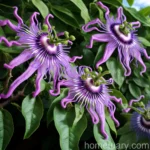
The Red Passion Flower is known for its exquisite red blossoms, which are characterized by stunning radial filaments and a prominent, cone-shaped pistil. The ornamental appeal of Passiflora coccinea extends beyond its blooms, as its foliage displays intricate patterns and textures, adding visual interest to any garden or interior environment.
Key Takeaways – Passiflora Coccinea (Red Passion Flower)
Culture
Passiflora coccinea thrives in a supportive and nurturing environment, and understanding its cultural requirements is essential for fostering its optimal growth and vibrancy. This includes consideration for its water and sunlight needs, soil composition, fertilizer application, pruning practices, and propagation methods.
Uses
The Red Passion Flower serves a variety of purposes, ranging from its ornamental value as a garden focal point to potential medicinal and culinary applications. Exploring its diverse uses allows for a deeper appreciation of this multifaceted plant.
Water
Understanding the water requirements of Passiflora coccinea is integral to maintaining its health and vitality. Proper hydration is key to supporting healthy growth and blooming cycles.
Sunlight
As a sun-loving species, the Red Passion Flower thrives in bright, well-lit conditions. Knowing its sunlight preferences is crucial for ensuring its vigor and flowering profusion.
Fertilizer
Providing adequate nutrients through proper fertilization is crucial for the overall well-being of Passiflora coccinea. An appropriate fertilization regimen supports robust growth and abundant blooms.
Soil
The soil composition significantly impacts the growth and development of Passiflora coccinea. Understanding its soil requirements is essential for creating an environment conducive to its flourishing.
Pruning
Pruning is an essential aspect of Passiflora coccinea care, involving the strategic removal of old growth to stimulate new growth and maintain an appealing structure.
Propagation
Exploring the various methods of propagating Passiflora coccinea allows for the expansion of its presence in different settings and offers opportunities for sharing its beauty with others.
Container Popularity
The Red Passion Flower’s suitability for container gardening makes it a versatile choice for individuals with limited outdoor space or those seeking to adorn their homes with its captivating blooms.
Common Diseases
Identifying and addressing common diseases that may affect Passiflora coccinea is crucial for preserving its health and preventing potential damage.
Disease Diagnosis
Understanding the symptoms and characteristics of common diseases facilitates timely intervention and the implementation of effective treatment measures.
Common Pests
Being aware of the common pests that may target Passiflora coccinea enables proactive pest management to safeguard its well-being.
Botanist’s Tips
Incorporating insights from experienced botanists enhances the care and cultivation of Passiflora coccinea, promoting its resilience and beauty.
Fun Facts
Discovering fascinating and little-known facts about Passiflora coccinea adds an element of intrigue and appreciation for this captivating plant.
Links to External Resources
Accessing external resources provides valuable information, expert advice, and potential inspiration for nurturing and enjoying Passiflora coccinea.
Now, let’s delve into each of these aspects in greater detail, providing a comprehensive guide for enthusiasts and horticulturalists alike to cultivate and appreciate the Red Passion Flower to its fullest potential.
Plant Name: Passiflora Coccinea (Red Passion Flower)
Passiflora coccinea, commonly known as the Red Passion Flower, belongs to the Passifloraceae family and is recognized for its vibrant red blossoms and lush, climbing vine. With its intricate flowers and ornamental foliage, it has established itself as a cherished addition to gardens, landscapes, and indoor settings. The following sections will cover the various facets of Passiflora coccinea and provide valuable insights for its care, uses, and cultivation.
Passiflora Coccinea Care
Red Passion Flower Plant
Passiflora coccinea, or the Red Passion Flower, is a species renowned for its captivating red blooms and vigorous climbing habit. It is an enchanting addition to gardens and landscapes, contributing ornamental beauty and a touch of exotic allure.
Passiflora Coccinea Facts
– Native Habitat:
- Passiflora coccinea is native to South America, particularly Brazil, Paraguay, and Uruguay, where it thrives in subtropical and tropical regions.
– Growth Habit:
- It is a fast-growing, perennial vine that can reach heights of up to 20 feet, featuring lush green foliage and intricate red flowers.
– Ornamental Value:
- The Red Passion Flower is widely cherished for its ornamental appeal, which adds visual interest and vibrancy to any outdoor or indoor setting.
– Religious Symbolism:
- The intricate floral structure of Passiflora coccinea holds religious significance, with its various parts representing aspects of the Christian faith.
– Wildlife Attraction:
- Its nectar-rich blooms attract pollinators such as bees, butterflies, and hummingbirds, contributing to the ecosystem’s biodiversity.
– Traditional Uses:
- Passiflora coccinea has historical significance and is believed to have been utilized in traditional medicine and cultural ceremonies in its native regions.
– Fragrance:
- Some varieties of the Red Passion Flower may emit a subtle, sweet fragrance, adding an olfactory dimension to its allure.
Red Passion Flower Varieties
While the primary focus is on Passiflora coccinea with its striking red blossoms, it is worth noting that the passionflower family encompasses a wide array of species, each with its unique characteristics and color variations. Some cultivars and varieties may exhibit different colored blooms and variations in foliage, offering diverse options for horticultural enthusiasts and collectors.
Passiflora Coccinea Propagation
Propagation of Passiflora coccinea can be achieved through various methods, including seed propagation, cuttings, and layering. Each approach offers distinct advantages and considerations depending on the desired propagation goals and available resources. Understanding the propagation techniques enables the expansion of Passiflora coccinea’s presence and the preservation of desirable traits.
Red Passion Flower Gardening
Incorporating Passiflora coccinea into garden landscapes enriches the visual tapestry and introduces an element of exotic beauty. From trellises and arbors to cascading over pergolas, the Red Passion Flower lends itself to diverse gardening styles and design concepts.
Passiflora Coccinea Species
Passiflora coccinea is part of the diverse Passiflora genus, which encompasses a multitude of species with varying growth habits, flower colors, and ornamental features. Exploring the broader Passiflora species provides a comprehensive understanding of the family’s diversity and the unique attributes that each species brings to horticulture and botanical appreciation.
Red Passion Flower Medicinal Uses
Passiflora coccinea and other passionflower species have been historically associated with therapeutic properties in traditional medicine systems. Understanding the potential medicinal uses of the Red Passion Flower contributes to a holistic perspective on its cultural and botanical significance.
Passiflora Coccinea Cultivation
Cultivating Passiflora coccinea encompasses various aspects, including soil preparation, planting guidelines, and seasonal care practices. By honing cultivation techniques, enthusiasts can foster healthy growth and flowering in their Red Passion Flower plants.
Red Passion Flower Benefits
In addition to its ornamental value, Passiflora coccinea may offer ecological benefits, medicinal applications, and cultural significance, enriching its overall value beyond its aesthetic appeal.
Passiflora Coccinea Landscaping
Integrating Passiflora coccinea into landscaping designs creates visually compelling and ecologically supportive environments. Its climbing habit, vibrant blooms, and potential for wildlife attraction make it a versatile element in landscape compositions.
Red Passion Flower Symbolism
The intricate floral structure and historical symbolism of the Red Passion Flower hold cultural and religious significance, inspiring interpretations and associations across different traditions and belief systems.
Passiflora Coccinea Planting Guide
Knowledge of the optimal planting conditions and considerations for Passiflora coccinea supports successful establishment and long-term growth, fostering a flourishing plant in the garden or landscape.
Red Passion Flower Growth Requirements
Understanding the growth requirements of Passiflora coccinea, including water, sunlight, and soil preferences, is instrumental in promoting its vigor and blooming potential.
Passiflora Coccinea Fragrance
Certain varieties of Passiflora coccinea may exude a delicate fragrance, adding an enchanting olfactory dimension to its already captivating presence.
Red Passion Flower Symbolism in Cultures
The symbolic interpretations of the Red Passion Flower in different cultures and traditions provide insights into its historical and cultural relevance, transcending its botanical allure.
Passiflora Coccinea Climate Preferences
Passiflora coccinea exhibits preferences for specific climatic conditions, which guide its cultivation and suitability for different geographical regions and environments.
Red Passion Flower Indoor Growing
Utilizing Passiflora coccinea as an indoor plant introduces its vibrant blooms and lush foliage to interior spaces, brightening and enlivening the indoor environment.
Passiflora Coccinea Pollination
Understanding the pollination mechanisms and interactions with pollinators contributes to the ecological role of Passiflora coccinea and reinforces its significance in supporting local fauna.
Red Passion Flower Uses in Herbal Remedies
Exploring the potential herbal uses of Passiflora coccinea in traditional remedies sheds light on its historical and cultural importance and its potential contributions to natural wellness practices.
Passiflora Coccinea Sun Exposure
As a sun-loving species, Passiflora coccinea requires adequate sunlight for vigorous growth and prolific blooming, making sun exposure a critical consideration in its care.
Red Passion Flower Wildlife Attraction
The nectar-rich blooms of Passiflora coccinea attract a variety of wildlife, serving as a valuable resource for pollinators and contributing to the biodiversity of local ecosystems.
Passiflora Coccinea Soil Requirements
The soil composition directly impacts the growth and vitality of Passiflora coccinea, necessitating an understanding of its soil preferences for successful cultivation.
Red Passion Flower Culinary Uses
In certain cultures, passionflowers, including Passiflora coccinea, have culinary applications, adding a unique and flavorful element to traditional cuisines.
Passiflora Coccinea Pruning Tips
Effective pruning practices optimize the growth and blooming performance of Passiflora coccinea, ensuring a well-maintained and visually appealing plant.
Red Passion Flower in Traditional Medicine
Passiflora coccinea and other passionflower species have historical associations with traditional medicine systems, serving diverse therapeutic purposes in different cultural contexts.
Passiflora Coccinea Companion Plants
Selecting compatible companion plants enhances the visual impact and ecological support within garden settings, enriching the overall garden composition.
Red Passion Flower Photographic Inspiration
The captivating blooms and ornamental foliage of Passiflora coccinea offer scenic and botanical inspiration for photographers and enthusiasts alike, capturing its beauty in various settings.
Passiflora Coccinea Container Gardening
The suitability of Passiflora coccinea for container gardening provides opportunities for incorporating its vibrant presence in diverse outdoor and indoor spaces, expanding its accessibility and ornamental value.
Red Passion Flower Cultural Significance
Exploring the cultural and symbolic significance of Passiflora coccinea provides insights into its historical context and the enduring reverence for its ornamental and symbolic attributes.
Passiflora Coccinea Pest Control
Implementing effective pest control measures safeguards Passiflora coccinea from potentially damaging pests, preserving its health and ornamental appeal.
Red Passion Flower Repotting Guidelines
For container-grown Passiflora coccinea, understanding the repotting process and guidelines ensures continued health and vigor within a containerized environment.
Passiflora Coccinea Unique Characteristics
The unique traits and characteristics of Passiflora coccinea contribute to its distinct allure and establish it as a captivating and notable species within the passionflower family.
Red Passion Flower Spiritual Meanings
The spiritual and symbolic interpretations of Passiflora coccinea hold cultural significance, inspiring diverse meanings and associations in various spiritual and religious contexts.
Passiflora Coccinea Water Requirements
Proper hydration is vital for supporting the health and blooming cycles of Passiflora coccinea, requiring an understanding of its water requirements for successful cultivation.
Red Passion Flower Importance for Bees and Butterflies
The nectar resources provided by Passiflora coccinea play a vital role in supporting pollinators such as bees and butterflies, contributing to the local ecosystem’s biodiversity.
Passiflora Coccinea Seasonal Care
Adaptation of care practices to seasonal variations ensures optimal growth and blooming performance of Passiflora coccinea throughout the year, maximizing its ornamental impact.
Red Passion Flower DIY Crafts and Projects
The ornamental and structural components of Passiflora coccinea may inspire creative projects and crafts, allowing enthusiasts to engage with its botanical elements in diverse artistic expressions.
Passiflora Coccinea Endangered Status
In specific regions or ecological contexts, Passiflora coccinea may face conservation concerns, warranting attention to its status and potential conservation efforts.
Red Passion Flower Historical Significance
Exploring the historical significance of Passiflora coccinea sheds light on its cultural relevance and enduring appreciation throughout different historical epochs.
Passiflora Coccinea Natural Habitat
Understanding the native habitat of Passiflora coccinea provides insights into its ecological niche and the conditions that support its natural growth and development.
Red Passion Flower Art and Design Inspiration
The captivating beauty of Passiflora coccinea offers artistic inspiration for designers and creators, influencing various artistic and design endeavors.
Passiflora Coccinea Toxicity Levels
Awareness of the potential toxicity levels of Passiflora coccinea contributes to responsible handling and cultivation practices, particularly in environments with children and pets.
Red Passion Flower Folklore and Myths
The folklore and myths surrounding Passiflora coccinea enrich the cultural tapestry, weaving narratives that enhance its symbolic and historical significance.
Passiflora Coccinea Troubleshooting Common Issues
Recognizing and addressing common issues in Passiflora coccinea cultivation supports the plant’s overall health and resilience, mitigating potential challenges.
Red Passion Flower Nursery Availability
Access to nursery sources and availability of Passiflora coccinea plants facilitate the cultivation and expansion of its presence among gardening enthusiasts and horticultural professionals.
Passiflora Coccinea Drought Tolerance
Understanding the drought tolerance of Passiflora coccinea allows for the adaptation of care practices to support its resilience in arid or water-restricted environments.
Red Passion Flower Propagation Methods
Knowledge of effective propagation methods broadens the opportunities for expanding Passiflora coccinea’s presence and preserving desirable traits through propagation.
Passiflora Coccinea Importance in Traditional Ceremonies
In its native regions, Passiflora coccinea may hold ceremonial and cultural significance, contributing to traditional practices and symbolic ceremonies.
Red Passion Flower Seasonal Blooming Patterns
Observing the seasonal blooming patterns of Passiflora coccinea enhances the appreciation of its ornamental performance and informs care practices throughout the year.
Incorporating these essential aspects of Passiflora coccinea into the care and appreciation of this captivating plant contributes to a comprehensive understanding of its ornamental, cultural, and ecological value.
Conclusion
Passiflora coccinea, or the Red Passion Flower, embodies a blend of ornamental allure, cultural significance, and ecological contributions within horticulture and botanical appreciation. Understanding its culture, uses, care requirements, propagation methods, and potential considerations for common pests and diseases empowers enthusiasts and horticulturalists to cultivate and enjoy this captivating plant to its fullest potential. From the vibrant red blossoms to its intricate foliage and potential uses in remedies and crafts, Passiflora coccinea offers a diverse array of facets to explore and appreciate, making it a cherished presence in gardens, landscapes, and indoor settings.
Encompassing its religious symbolism, historical significance, and diverse applications, the Red Passion Flower invites enthusiasts to delve into its multifaceted nature and contribute to its preservation and celebration in horticultural, cultural, and ecological contexts. Incorporating botanist’s tips, fun facts, and insights from external resources enriches the understanding and appreciation of Passiflora coccinea, elevating its presence as a botanical gem with a rich tapestry of culture and beauty.
By combining these elements in the comprehensive guide, enthusiasts and botanists can embark on a journey of discovery and cultivation, nurturing the captivating allure of Passiflora coccinea and fostering a deeper connection with its ornamental, cultural, and ecological essence.
References
- “Passionflowers: Passion of the Christ?” by National Geographic Society
- “Passiflora coccinea – Red Passion Flower” by Missouri Botanical Garden
- “Passiflora coccinea” by PlantZAfrica
- “Passiflora coccinea” by Gardening Solutions – University of Florida IFAS Extension