Passiflora Edulis ‘Possum Purple’ (Passion Flower)
The Passiflora edulis ‘Possum Purple,’ commonly known as the Passion Flower, is a stunning and exotic plant that captures the attention of many gardening.
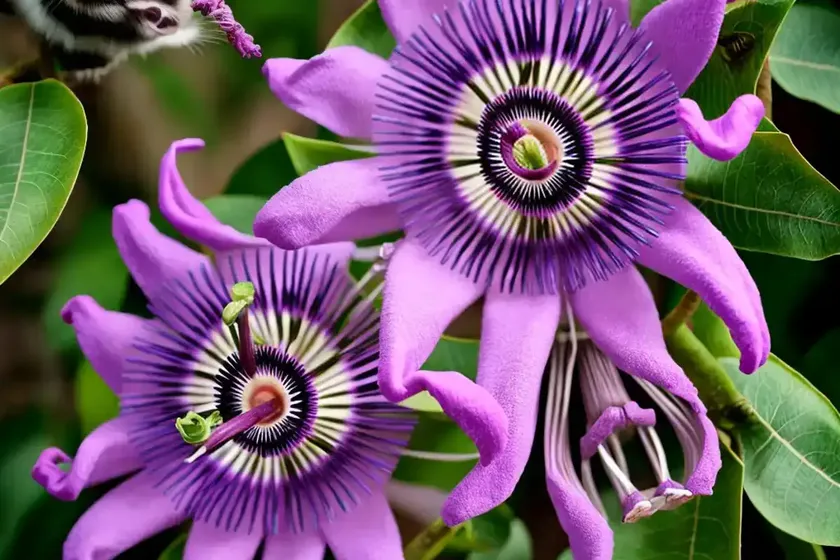
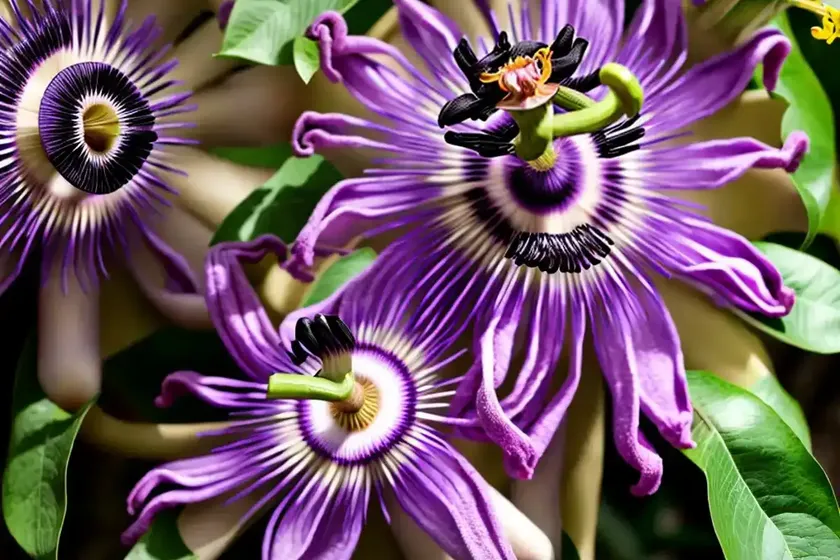
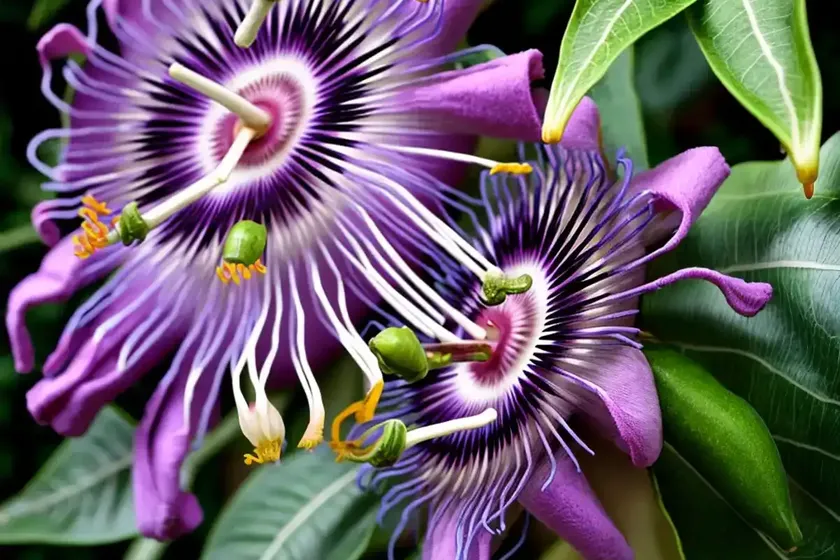
The Passiflora edulis ‘Possum Purple,’ commonly known as the Passion Flower, is a stunning and exotic plant that captures the attention of many gardening enthusiasts. With its intricate and vibrant flowers, this plant adds a whimsical and tropical flair to any landscape or indoor space. In this comprehensive guide, we will delve into all aspects of caring for the Passiflora edulis ‘Possum Purple,’ including its culture, uses, water requirements, sunlight needs, fertilizer, soil, pruning, propagation, container gardening, common diseases, pests, and much more.
Here’s a breakdown of what we will be covering in this guide:
- What is Passiflora edulis ‘Possum Purple’ (Passion Flower)?
- Key Takeaways
- Culture
- Uses
- Water
- Sunlight
- Fertilizer
- Soil
- Pruning
- Propagation
- Container Popularity
- Common Diseases
- Disease Diagnosis
- Common Pests
- Botanist’s Tips
- Fun Facts
- Links to External Resources
What is Passiflora edulis ‘Possum Purple’ (Passion Flower)?
Passiflora edulis ‘Possum Purple’ is a captivating and fast-growing vine that belongs to the Passifloraceae family. Native to South America, this stunning plant is celebrated for its beautiful, intricate flowers, which are typically purple in color, giving it the name ‘Possum Purple.’
The Passion Flower is not only valued for its ornamental beauty but also for its edible fruits, known as passion fruits, which are produced by some varieties of Passiflora edulis. This plant is also recognized for its historical significance and has been used in traditional medicine and religious symbolism.
Key Takeaways
- Scientific Name: Passiflora edulis ‘Possum Purple’
- Common Name: Passion Flower
- Family: Passifloraceae
- Origin: South America
- Foliage: Evergreen
- Flower Color: Purple
- Fruit: Edible passion fruit
- Growth Rate: Fast
Now that we have a brief understanding of what Passiflora edulis ‘Possum Purple’ is, let’s delve into the essential aspects of its care, maintenance, and cultivation.
Culture
Understanding the cultural needs of Passiflora edulis ‘Possum Purple’ is crucial to ensure its optimal growth and development. Here are the key cultural aspects to consider when caring for this stunning vine:
Uses
- Ornamental Use: Passiflora edulis ‘Possum Purple’ is primarily valued for its ornamental appeal. The intricate and striking flowers make it a popular choice for garden landscapes, trellises, and arbors.
- Edible Fruit Production: Some varieties of Passiflora edulis yield delicious passion fruits that are not only delectable but also rich in essential nutrients.
Water
- Watering Frequency: Passion Flowers thrive in well-draining soil and prefer consistently moist conditions. Water the plant regularly, especially during periods of active growth and flowering.
- Watering Technique: Apply water directly to the soil around the plant to avoid wetting the foliage, as this can lead to fungal issues.
Sunlight
- Light Requirements: Passion Flowers require full sun to partial shade for optimal growth and prolific flowering. Provide them with at least 6-8 hours of direct sunlight per day.
Fertilizer
- Fertilization Schedule: Feed Passiflora edulis ‘Possum Purple’ with a balanced, water-soluble fertilizer every 4-6 weeks during the growing season to promote healthy growth and flowering.
- Application Method: Apply the fertilizer according to the manufacturer’s instructions, ensuring even distribution around the root zone of the plant.
Soil
- Soil Type: Passion Flowers prefer well-draining, fertile soil with a slightly acidic to neutral pH (6.1-7.0).
- Amendments: Incorporate organic matter such as compost or well-rotted manure into the soil to improve its structure and fertility.
Pruning
- Pruning Purpose: Regular pruning helps control the size and shape of the plant, encourages new growth, and removes dead or damaged branches.
- Pruning Time: Prune Passiflora edulis ‘Possum Purple’ in late winter or early spring before the start of the growing season to stimulate vigorous growth and abundant flowering.
Propagation
- Propagation Methods: Passion Flowers can be propagated from seeds, stem cuttings, or layering.
- Seed Propagation: Sow fresh passion flower seeds in well-draining soil and maintain consistently moist conditions until germination occurs.
Container Popularity
- Container Gardening: Passiflora edulis ‘Possum Purple’ can thrive in containers, making it a versatile and space-saving option for those with limited garden space. Choose a large container with adequate drainage and provide structural support such as a trellis or stake for the vine to climb.
Common Diseases
Passion Flowers are generally resilient plants, but they can be susceptible to certain diseases and pests. Here are some common diseases that may affect Passiflora edulis ‘Possum Purple’:
Disease Diagnosis
- Fungal Diseases: Passion Flowers can be prone to fungal diseases such as powdery mildew and leaf spot. Ensure proper air circulation and avoid overhead watering to prevent fungal issues.
- Viral Infections: Viruses such as the Passiflora virus can cause leaf distortion and yellowing. Remove and destroy infected plant parts to prevent the spread of the virus.
Common Pests
Passion Flowers may also attract a few pests that can potentially impact their health and vigor. Here are some common pests to watch out for:
- Aphids: These tiny insects feed on the sap of the plant, leading to distorted growth and a weakened overall appearance.
- Whiteflies: Whiteflies can cause damage by feeding on the plant’s sap and transmitting viral diseases.
Botanist’s Tips
Experienced botanists and plant enthusiasts often have valuable insights and tips for successfully growing and caring for Passiflora edulis ‘Possum Purple.’ Here are some expert tips to consider:
- Well-Draining Soil: Ensure that the soil is well-draining to prevent waterlogging and root rot, which can be detrimental to the plant’s health.
- Support Structures: Provide sturdy support structures such as trellises or arbors for the vine to climb and thrive.
- Regular Monitoring: Keep an eye on the plant for any signs of pests, diseases, or nutrient deficiencies and take prompt action to address any issues.
Fun Facts
- Symbolism: The Passion Flower holds symbolic significance in Christian theology, with its anatomy representing elements of the crucifixion and resurrection of Jesus Christ.
- Historical Use: Various indigenous cultures have utilized Passion Flowers for their medicinal properties, using them to treat conditions such as anxiety and insomnia.
Now that we’ve covered the essential aspects of caring for Passiflora edulis ‘Possum Purple,’ let’s explore some external resources that provide additional valuable information on this stunning plant.
Links to External Resources
-
Passiflora Society International: A comprehensive resource dedicated to passion flowers, featuring information on different species, cultivation tips, and community forums.
-
Royal Horticultural Society – Passion Flowers: The Royal Horticultural Society offers extensive guidance on growing passion flowers, including care tips and recommended varieties.
-
University of Florida – Passiflora edulis: Information from the University of Florida’s Institute of Food and Agricultural Sciences on Passiflora edulis, covering cultivation practices and pest management.
-
American Society for Horticultural Science: The ASHS provides research articles and publications related to the cultivation, physiology, and genetics of Passion Flowers.
In conclusion, the Passiflora edulis ‘Possum Purple’ (Passion Flower) is a delightful and rewarding plant to grow, offering not only stunning beauty but also the potential for delicious fruit production. By following the guidelines and tips outlined in this care guide, you can cultivate and enjoy the captivating allure of this remarkable vine in your garden or indoor space.
For more in-depth information, it’s always beneficial to refer to reliable resources and connect with fellow enthusiasts to deepen your knowledge and appreciation for this enchanting plant.
Happy gardening!
References:
- The Royal Horticultural Society. (n.d.). Passion Flowers. https://www.rhs.org.uk/plants/popular/passion-flower
- The University of Florida. (n.d.). Passiflora edulis. http://edis.ifas.ufl.edu/m/#search-passiflora%20edulis
- American Society for Horticultural Science. (n.d.). https://ashs.org
- Passiflora Society International. (n.d.). https://www.passiflorasociety.org


