Picea Pungens ‘The Blues’ (Colorado Spruce)
Picea pungens ‘The Blues’, commonly known as the Colorado Spruce, is a striking and popular evergreen conifer valued for its stunning blue foliage and.


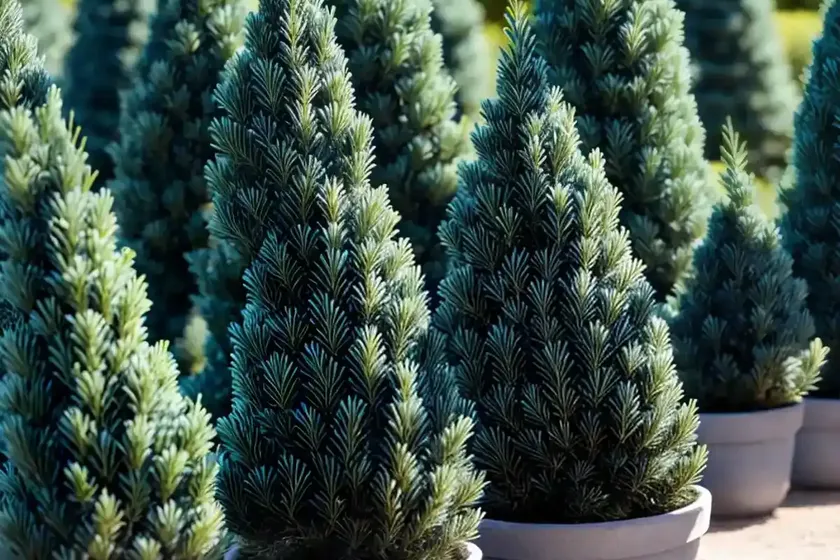
Picea pungens ‘The Blues’, commonly known as the Colorado Spruce, is a striking and popular evergreen conifer valued for its stunning blue foliage and conical form. As a plant scientist, I have always been fascinated by the unique characteristics and the cultural significance of this incredible plant. In this comprehensive guide, we will explore the various aspects of Picea pungens ‘The Blues’, including its culture, uses, care requirements, common diseases, and propagation techniques. Whether you are a gardening enthusiast, a landscape designer, or simply someone who appreciates the beauty of nature, this article aims to provide valuable insights into the world of Picea pungens ‘The Blues’.
What is Picea pungens ‘The Blues’ (Colorado Spruce)?
Picea pungens ‘The Blues’ is a cultivar of the Colorado Spruce, a species native to the Rocky Mountains in the western United States. This evergreen conifer belongs to the Pinaceae family and is prized for its distinctive blue to silvery-blue needles, which lend a captivating visual appeal to gardens and landscapes. The ‘The Blues’ cultivar specifically stands out for its intense blue foliage, making it a coveted choice for ornamental plantings.
The Colorado Spruce, including the ‘The Blues’ variety, is renowned for its resilience, adaptability, and striking appearance, making it a popular choice for various landscaping applications. Its attractive color and elegant form make it a versatile addition to both residential and commercial landscapes, serving as a focal point or as part of a mixed planting scheme.
Key Takeaways – Picea pungens ‘The Blues’ (Colorado Spruce)
Culture
- Botanical Name: Picea pungens ‘The Blues’
- Common Name: Colorado Spruce ‘The Blues’
- Plant Type: Evergreen conifer
- Mature Height: 30 to 60 feet
- Mature Spread: 10 to 20 feet
- Growth Rate: Slow to moderate
Uses
- Landscape Applications: Specimen tree, windbreak, privacy screen, erosion control, rock gardens, coastal gardens, urban plantings
- Other Uses: Christmas trees, wildlife habitat
Water
- Watering Needs: Moderate to low once established
- Drought Tolerance: High
Sunlight
- Sun Exposure: Full sun
- Tolerates Partial Shade: Yes
Fertilizer
- Fertilization: Minimal to none required in most cases
- Soil Amendments: Occasional applications of well-balanced, slow-release fertilizer
Soil
- Soil Type: Well-drained, acidic to slightly acidic
- Soil Moisture: Moist but well-drained
Pruning
- Pruning Needs: Minimal, primarily for shaping and maintenance
- Best Time to Prune: Late winter to early spring
Propagation
- Propagation Methods: Seed propagation, softwood cuttings
Container Popularity
- Suitable for Container Gardening: Yes
- Container Size: Large containers for mature specimens
Common Diseases
- Disease Resistance: Generally resistant to most diseases
- Potential Issues: Needle cast, canker diseases
Disease Diagnosis
- Symptoms: Browning or discoloration of needles, lesions on branches
- Management: Proper cultural practices, proper site selection
Common Pests
- Pest Resistance: Generally resistant to major pests
- Potential Pests: Spruce spider mites, adelgids
Botanist’s Tips
- Tip 1: Select a well-drained site with full sun for optimal growth and color development.
- Tip 2: Avoid planting in compacted or poorly drained soils to prevent root rot.
- Tip 3: Mulch around the base of the tree to conserve soil moisture and regulate soil temperature.
Fun Facts
- The blue color of ‘The Blues’ Colorado Spruce is attributed to a waxy coating on the needles, which helps protect the plant from moisture loss and environmental stress.
- The Colorado Spruce is the state tree of Colorado, symbolizing the rugged beauty of the Rocky Mountains.
Links to External Resources
- Colorado State University Extension – Blue Spruce and Colorado Spruce
- The Spruce – Colorado Blue Spruce Tree Profile
- University of Florida IFAS Extension – Colorado Blue Spruce for the Home Landscape
Now that we have outlined the key takeaways, let’s dive deeper into the various aspects of Picea pungens ‘The Blues’, from its cultural preferences to its potential uses in landscaping. By understanding the specific needs of this remarkable plant, enthusiasts and horticulturists can make informed decisions when incorporating it into their outdoor spaces.
Culture
Understanding the cultural requirements of Picea pungens ‘The Blues’ is essential for ensuring its long-term health and vitality in the landscape. From its size and growth habit to its environmental preferences, let’s explore the cultural considerations when growing this captivating evergreen conifer.
Characteristics of Picea pungens ‘The Blues’
Picea pungens ‘The Blues’ is admired for its striking blue to silvery-blue needles that give it a unique and distinguished appearance. The coloration is particularly intense on new growth, creating a visually arresting display in the garden. As the tree matures, the overall form becomes more symmetrical and conical, further enhancing its aesthetic appeal.
Growing Picea pungens ‘The Blues’
When it comes to growth, ‘The Blues’ Colorado Spruce is known for its slow to moderate growth rate, making it an ideal choice for those seeking a long-lived and low-maintenance tree. With proper care and optimal growing conditions, this cultivar can reach a height of 30 to 60 feet, with a spread of 10 to 20 feet at maturity. Its relatively slow growth rate makes it well-suited for smaller gardens and urban environments where space is limited.
How to Care for Picea pungens ‘The Blues’
Caring for Picea pungens ‘The Blues’ involves providing the right environmental conditions and minimal maintenance to support its overall health and vigor. Let’s delve into the essential care requirements for this captivating conifer.
‘The Blues’ Colorado Spruce Facts
- Hardiness Zones: 2 to 7
- Lifespan: 30 to 60 years or more
- Disease Resistance: Generally resistant to most diseases
- Pest Resistance: Generally resistant to major pests
Blue Foliage Colorado Spruce
The distinctive blue foliage of ‘The Blues’ Colorado Spruce adds a touch of elegance and serenity to any landscape. The unique coloration is attributed to the presence of a waxy coating on the needles, which not only enhances its visual appeal but also provides protection against moisture loss and environmental stress. This natural adaptation allows the tree to thrive in harsh environmental conditions, making it a resilient and enduring choice for landscaping.
Picea pungens ‘The Blues’ Care Tips
- Tip 1: Plant in a well-drained site with full sun exposure for optimal growth and color development.
- Tip 2: Water regularly during the establishment period, then gradually transition to moderate to low watering once the tree is established.
- Tip 3: Avoid excessive fertilization, as Colorado Spruce generally has low to moderate fertilization requirements.
- Tip 4: Monitor for potential pest infestations, particularly spruce spider mites and adelgids, and employ appropriate control measures if needed.
Picea pungens ‘The Blues’ Planting Guide
When planting Picea pungens ‘The Blues’, it is crucial to adhere to proper planting guidelines to ensure its successful establishment and long-term growth. Here are some essential tips for planting this captivating conifer:
Planting Steps:
-
Site Selection: Choose a site with well-drained soil and ample sunlight, as ‘The Blues’ Colorado Spruce thrives in full sun and tolerates partial shade.
-
Digging the Hole: Dig a hole that is as deep as the root ball and two to three times wider than the root ball to allow for proper root expansion.
-
Amending the Soil: If the native soil is compacted or lacks organic matter, consider incorporating organic amendments such as compost to improve soil structure and fertility.
-
Planting Depth: Position the tree at the same depth it was previously growing in the container or the nursery, ensuring that the root flare is at ground level.
-
Backfilling: Gently backfill the hole with the amended soil, firming it around the roots to eliminate air pockets.
-
Watering and Mulching: Water the newly planted tree thoroughly and apply a layer of mulch around the base, leaving a few inches of space between the trunk and the mulch to prevent moisture-related issues.
-
Staking (If Necessary): Assess the need for staking based on the tree’s stability, and if required, secure the tree to prevent excessive movement during windy conditions.
-
Establishment Care: Provide regular watering during the establishment period, monitoring soil moisture and adjusting the watering frequency as the tree acclimates to its new environment.
Benefits of Picea pungens ‘The Blues’ in Landscaping
Picea pungens ‘The Blues’ offers a myriad of benefits when incorporated into landscaping designs, serving both aesthetic and functional purposes. Here are some key advantages of using this captivating conifer in landscaping:
- Visual Appeal: The intense blue foliage of ‘The Blues’ Colorado Spruce adds a pop of color and contrast to green-dominated landscapes, creating a visually dynamic and captivating scene.
- Texture and Form: The conical form and fine texture of the needles contribute to the tree’s visual interest, making it a versatile choice for creating focal points or adding structure to garden beds.
- Resilience: The resilience and adaptability of Picea pungens ‘The Blues’ make it suitable for various landscape applications, from windbreaks to coastal plantings, where it can withstand challenging environmental conditions.
- Wildlife Habitat: The dense foliage of ‘The Blues’ Colorado Spruce provides shelter and nesting sites for various bird species, contributing to the ecological diversity of the landscape.
Landscaping with Colorado Spruce ‘The Blues’
Incorporating Picea pungens ‘The Blues’ into landscaping designs offers endless possibilities for creating diverse and visually captivating outdoor spaces. Whether used as a standalone specimen or as part of a mixed planting scheme, the Colorado Spruce ‘The Blues’ brings a touch of elegance and tranquility to the landscape.
Let’s explore some inspiring landscaping ideas and design strategies for integrating ‘The Blues’ Colorado Spruce into various outdoor settings:
Landscape Ideas:
- Specimen Tree: Showcase the beauty of ‘The Blues’ Colorado Spruce as a standalone focal point, allowing its unique color and form to take center stage in the landscape.
- Privacy Screen: Utilize multiple specimens of Picea pungens ‘The Blues’ to create a dense and visually appealing privacy screen, providing a natural barrier and enhancing the seclusion of outdoor spaces.
- Windbreaks: Plant in linear rows to form effective windbreaks and shelterbelts, offering protection from strong winds and creating a more favorable microclimate for surrounding plantings.
- Coastal Gardens: Embrace the resilience of Picea pungens ‘The Blues’ by incorporating it into coastal gardens, where it can withstand salt spray and harsh coastal conditions while adding a touch of color to the landscape.
- Rock Gardens: Integrate ‘The Blues’ Colorado Spruce into rock gardens to infuse texture and vertical interest, complementing the rugged and naturalistic aesthetic of rock formations.
- Urban Landscapes: Enhance urban environments with the elegance of ‘The Blues’ Colorado Spruce, using it to soften hardscapes, provide vertical accents, and bring a sense of tranquility to bustling city settings.
Picea pungens ‘The Blues’ Size and Growth Rate
Understanding the size and growth habits of Picea pungens ‘The Blues’ is crucial for proper placement and long-term planning within the landscape. As a slow to moderately growing tree, it offers the following size and growth characteristics:
- Mature Height: 30 to 60 feet
- Mature Spread: 10 to 20 feet
- Growth Rate: Slow to moderate
Frost Tolerance of Colorado Spruce ‘The Blues’
Picea pungens ‘The Blues’ exhibits excellent frost tolerance, making it well-suited for regions with cold winter climates. Its ability to withstand freezing temperatures and harsh winter conditions enhances its adaptability and extends its range of potential growing environments.
Disease Resistance of Picea pungens ‘The Blues’
Overall, Colorado Spruce ‘The Blues’ demonstrates good resistance to most common diseases that affect spruce trees. However, like all plants, it may be susceptible to certain issues under specific environmental conditions or cultural practices. Proper care and maintenance play a key role in supporting the tree’s natural defenses against diseases.
‘The Blues’ Colorado Spruce Pruning Techniques
Pruning Picea pungens ‘The Blues’ is generally minimal, primarily aimed at removing any dead, damaged, or diseased branches, as well as shaping the tree for aesthetic purposes. When it comes to pruning this conifer, it is essential to follow best practices to maintain its natural form and promote healthy growth.
Pruning Tips:
- Pruning Time: Late winter to early spring, before the onset of new growth
- Tools: Use sharp, clean pruning tools to make precise cuts without causing unnecessary damage to the tree.
- Branch Structure: Maintain the natural form of the tree by selectively pruning to enhance its symmetry and balance.
Picea pungens ‘The Blues’ Water Requirements
Establishing an appropriate watering regimen is crucial for the health and vitality of Picea pungens ‘The Blues’. While it requires regular watering during the establishment phase, it transitions to a more drought-tolerant status once mature, demonstrating the following water needs:
- Watering Needs: Moderate to low once established
- Drought Tolerance: High
Drought-Tolerant Colorado Spruce ‘The Blues’
The adaptability of Picea pungens ‘The Blues’ to drought conditions makes it an ideal choice for landscapes where water conservation is a priority. Once established, it can withstand periods of reduced moisture without compromising its visual appeal or overall health, making it a valuable addition to water-wise landscapes.
Picea pungens ‘The Blues’ Companion Plants
Pairing Picea pungens ‘The Blues’ with complementary companion plants enhances its presence and creates visually engaging combinations within the landscape. When selecting companion plants, consider species that thrive in similar environmental conditions and offer contrasting colors, textures, or forms to create dynamic plantings.
Companion Plant Ideas:
- Evergreen Shrubs: Surround ‘The Blues’ Colorado Spruce with evergreen shrubs such as junipers, arborvitae, or boxwoods to provide year-round interest and structure.
- Perennial Grasses: Introduce ornamental grasses with varying heights and textures to create soft, billowing layers that contrast the tree’s upright form and add movement to the landscape.
- Spring-Blooming Perennials: Incorporate early-blooming perennials to bring seasonal color to the base of the tree, creating a vibrant and dynamic planting composition.
The Blues Colorado Spruce for Windbreaks
The dense and resilient nature of ‘The Blues’ Colorado Spruce makes it an excellent choice for creating effective windbreaks and shelterbelts. By planting multiple specimens in linear rows, this cultivar provides a natural barrier against strong winds, reducing wind erosion and creating a more favorable microclimate for adjacent plantings.
Picea pungens ‘The Blues’ in Container Gardening
While Picea pungens ‘The Blues’ is often planted in the ground for long-term landscape use, it can also be grown in containers, allowing homeowners and gardeners to enjoy its beauty on patios, decks, and other outdoor spaces. When considering container gardening with ‘The Blues’ Colorado Spruce, proper care and maintenance are essential to ensure its health and vigor in a confined environment.
Container Gardening Tips:
- Container Size: Select a large, sturdy container with ample space for root development, allowing the tree to thrive without being root-bound.
- Soil Mix: Use a well-draining soil mix designed for container gardening, incorporating organic matter to support healthy root growth.
- Watering: Monitor soil moisture regularly and water as needed, ensuring that the soil does not become waterlogged or excessively dry.
- Sun Exposure: Provide full sun exposure for the container-grown tree, allowing it to receive the necessary light for optimal growth and color development.
‘The Blues’ Colorado Spruce for Privacy Screens
The dense and vibrant foliage of Picea pungens ‘The Blues’ makes it a perfect candidate for creating privacy screens in residential and commercial landscapes. When strategically planted, this cultivar forms a visually appealing and effective barrier, enhancing the seclusion and tranquility of outdoor spaces.
Picea pungens ‘The Blues’ Winter Hardiness
The winter hardiness of Picea pungens ‘The Blues’ enables it to withstand frigid temperatures and harsh winter conditions, making it an invaluable asset in regions with cold climates. Its vibrant blue foliage remains a standout feature even during the winter months, adding visual interest to snow-covered landscapes.
How to Propagate Picea pungens ‘The Blues’
Propagating Picea pungens ‘The Blues’ allows for the multiplication of this exceptional cultivar, whether for personal enjoyment or commercial production. While seed propagation is the most common method, softwood cuttings can also be utilized to propagate new plants with characteristics similar to the parent tree.
Propagation Methods:
- Seed Propagation: Collect mature cones in late summer or early fall, extract the seeds, and sow them in a well-draining seed-starting mix. Provide supplemental moisture and maintain consistent temperatures to encourage germination.
- Softwood Cuttings: Take softwood cuttings from terminal shoots in early summer, treat with rooting hormone, and plant in a sterile rooting medium. Maintain high humidity and uniform moisture levels to support root development.
Picea pungens ‘The Blues’ Soil Preferences
Selecting the right soil type and ensuring proper soil conditions are crucial for promoting the healthy growth and development of Picea pungens ‘The Blues’. The following soil preferences should be considered when planting or maintaining this captivating conifer:
- Soil Type: Well-drained, acidic to slightly acidic
- Soil Moisture: Moist but well-drained
- Soil Amendments: Incorporate organic matter such as compost or peat moss to improve soil structure and fertility, particularly in compacted or nutrient-deficient soils.
Colorado Spruce ‘The Blues’ Sun Exposure
Picea pungens ‘The Blues’ thrives in


