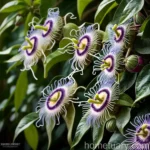
Passiflora ‘White Wedding’ (Passion Flower): A Comprehensive Guide
Passiflora, commonly known as passion flowers, is a diverse genus with over 500 species of flowering plants. These tropical to subtropical vines and shrubs are known for their vibrant, distinctive flowers and edible fruits. Among the plethora of passion flower varieties, the Passiflora ‘White Wedding’ stands out for its striking appearance and versatile uses. In this comprehensive guide, we will explore the various aspects of caring for and harnessing the potential of the Passiflora ‘White Wedding’, diving into its cultivation, characteristics, uses, and much more.
What is Passiflora ‘White Wedding’ (Passion Flower)?
Passiflora ‘White Wedding’ is a cultivar of the Passiflora species, revered for its captivating white blooms and vigorous growth habit. This variety belongs to the Passifloraceae family and is prized for its ornamental and therapeutic properties. From its unique flower structure to its adaptability in different environments, the ‘White Wedding’ passion flower has become a sought-after addition to gardens, landscapes, and even floral arrangements.
Key Takeaways – Passiflora ‘White Wedding’ (Passion Flower)
Before delving into the specifics of growing and nurturing Passiflora ‘White Wedding’, here are the key takeaways about this remarkable plant:
- Unique Characteristics: The ‘White Wedding’ passion flower is distinguished by its pristine white blossoms and intricate, eye-catching floral structure.
- Cultural Significance: While cherished for its aesthetic appeal, the passion flower also holds symbolic and medicinal significance in various cultures.
- Versatile Uses: Beyond its ornamental value, ‘White Wedding’ passion flower finds applications in landscaping, floral design, and sustainable gardening practices.
- Environmental Resilience: It exhibits resilience to certain environmental stressors, making it adaptable to diverse climatic conditions.
- Wildlife Interaction: The plant’s attractive blooms and fruit attract a variety of wildlife, contributing to biodiversity in natural settings.
Now, let’s dive deeper into the essential aspects of cultivating and harnessing the potential of Passiflora ‘White Wedding’.
Culture
Uses
Passiflora ‘White Wedding’ serves various purposes, catering to both aesthetic and functional needs. Its primary uses include:
- Ornamental Display: The striking white blooms make it a popular choice for ornamental gardening, where it adds a touch of elegance and allure to landscapes and garden spaces.
- Floral Arrangements: The blossoms are often incorporated into floral arrangements, enhancing the visual appeal of bouquets, centerpieces, and decorative displays.
- Medicinal Properties: Certain parts of the passion flower plant, including the leaves and flowers, are utilized in traditional medicine for their potential calming and sedative effects.
- Wildlife Attraction: The nectar-rich flowers attract pollinators such as bees and butterflies, promoting biodiversity in garden and natural settings.
- Symbolic Significance: In religious and cultural contexts, the passion flower has been associated with various symbolic meanings, representing elements of the Christian faith and spiritual devotion.
Water
Passiflora ‘White Wedding’ prefers consistently moist but well-drained soil. Adequate watering is crucial, especially during periods of active growth and blooming. It’s essential to monitor the soil moisture levels to prevent waterlogged conditions, which can lead to root rot and other detrimental issues.
Sunlight
For optimal growth and flowering, ‘White Wedding’ passion flower thrives in full sun to partial shade. It benefits from receiving at least 6-8 hours of direct sunlight daily. However, in extremely hot climates, providing some protection from intense midday sun can be beneficial.
Fertilizer
During the growing season, applying a balanced, slow-release fertilizer can support the plant’s nutritional needs. A fertilizer with a formulation of 10-10-10 or similar NPK ratio, applied according to the manufacturer’s instructions, can help promote healthy growth and abundant blooms. It’s advisable to avoid excessive fertilization, as it may lead to excessive vegetative growth at the expense of flower production.
Soil
The passion flower ‘White Wedding’ thrives in well-draining, fertile soil with a slightly acidic to neutral pH range. A rich, loamy soil type can provide the necessary nutrients and structure for robust growth. Amending the soil with organic matter, such as compost or well-rotted manure, can enhance its overall quality and water retention capacity.
Pruning
Pruning plays a crucial role in managing the growth and appearance of Passiflora ‘White Wedding’. Here are some key considerations for pruning:
- Deadheading: Removing spent flowers can encourage continuous blooming and prevent seed formation, redirecting the plant’s energy towards new growth and flowering.
- Size Control: Regular pruning helps manage the vine’s size and shape, preventing it from becoming overly invasive or unruly in garden landscapes.
- Winter Pruning: In regions with frost or cold winters, pruning the plant in late winter or early spring can promote fresh growth and maintain its vigor.
Propagation
Passiflora ‘White Wedding’ can be propagated through various methods, including:
- Seeds: Sowing fresh seeds in a well-draining seed starting mix, maintaining adequate moisture and warmth, can yield new plants within a few weeks.
- Cuttings: Stem cuttings taken from healthy, mature vines can be rooted in a suitable growing medium, with the potential to develop into new plants with identical characteristics.
Container Popularity
The ‘White Wedding’ passion flower’s adaptability to container cultivation makes it a popular choice for urban and small-space gardening. Its vigorous growth and cascading nature lend themselves well to being showcased in containers on patios, balconies, and outdoor living spaces.
Common Diseases
Passiflora ‘White Wedding’ may be susceptible to certain diseases, including:
- Powdery Mildew: A fungal disease that manifests as a white, powdery coating on the leaves and stems, potentially affecting the plant’s overall health and vigor.
- Leaf Spot: This disease presents as dark, irregular spots on the foliage, often caused by fungal or bacterial pathogens.
Disease Diagnosis
Monitoring the plant for any signs of abnormal discoloration, spots, or deformities can aid in early disease detection. Prompt action, such as adjusting watering practices, providing adequate air circulation, and, if necessary, applying targeted fungicidal treatments, can mitigate the impact of diseases on Passiflora ‘White Wedding’.
Common Pests
Pests that may pose a threat to ‘White Wedding’ passion flowers include:
- Aphids: These tiny insects can congregate on the new growth and under leaves, sucking sap from the plant and potentially causing distortion and decline.
- Spider Mites: These arachnids can infest passion flower plants, causing stippling, webbing, and overall weakening of the plant.
Botanist’s Tips
Consider the following expert tips for cultivating and caring for Passiflora ‘White Wedding’:
- Support Structure: Providing a sturdy trellis, arbor, or support system for the vine will help guide its growth and display the cascading nature of the plant.
- Regular Inspection: Routinely inspect the plant for signs of pests, diseases, or nutrient deficiencies, addressing any issues promptly to maintain its vitality.
- Garden Design: Incorporating ‘White Wedding’ passion flowers into garden designs can add a touch of elegance and allure, especially when paired with complementary flowering and foliage plants.
Fun Facts
- The intricate floral structure of the passion flower has been associated with religious symbolism, with various parts of the flower representing elements of the crucifixion and resurrection in Christian traditions.
- Certain species of Passiflora have been used traditionally for their calming and sedative properties, with the potential to alleviate anxiety and improve sleep quality.
Links to External Resources
To further explore the world of Passiflora ‘White Wedding’ and passion flowers in general, consider the following resources:
- American Passionflower – Plant Profile
- Passiflora (Passion Flower) – University of Florida Extension
- Passiflora: A Review Update – Frontiers in Plant Science
- Passiflora ‘White Wedding’ – RHS Garden Wisley
In conclusion, the enchanting allure and multifaceted nature of Passiflora ‘White Wedding’ make it a captivating addition to gardens, landscapes, and floral arrangements. By understanding its specific cultural requirements, uses, and potential challenges, plant enthusiasts can unlock the full potential of this unique passion flower variety. Whether adorning trellises, containers, or garden borders, the ‘White Wedding’ passion flower symbolizes elegance, resilience, and horticultural creativity.