Rhus Typhina (Staghorn Sumac)
Plants are an integral part of our environment, providing us with beauty, food, and shelter. Rhus typhina, commonly known as Staghorn Sumac, is a.

Plants are an integral part of our environment, providing us with beauty, food, and shelter. Rhus typhina, commonly known as Staghorn Sumac, is a fascinating plant with a rich history and a wide array of uses. In this guide, we will delve into the various aspects of Rhus typhina, including its culture, care, uses, and interesting facts, offering valuable insights into this remarkable species.
What is Rhus typhina (Staghorn Sumac)?
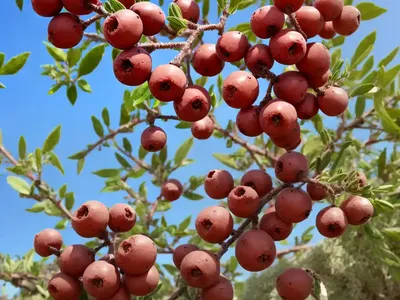
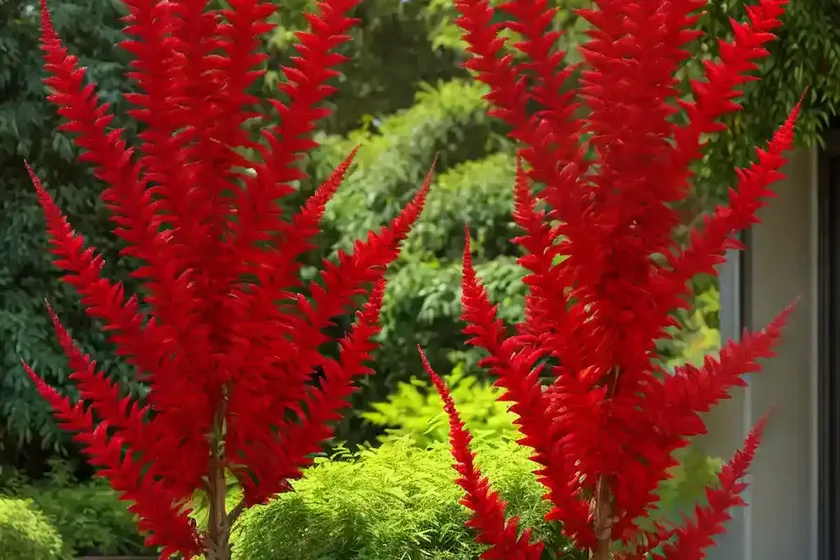
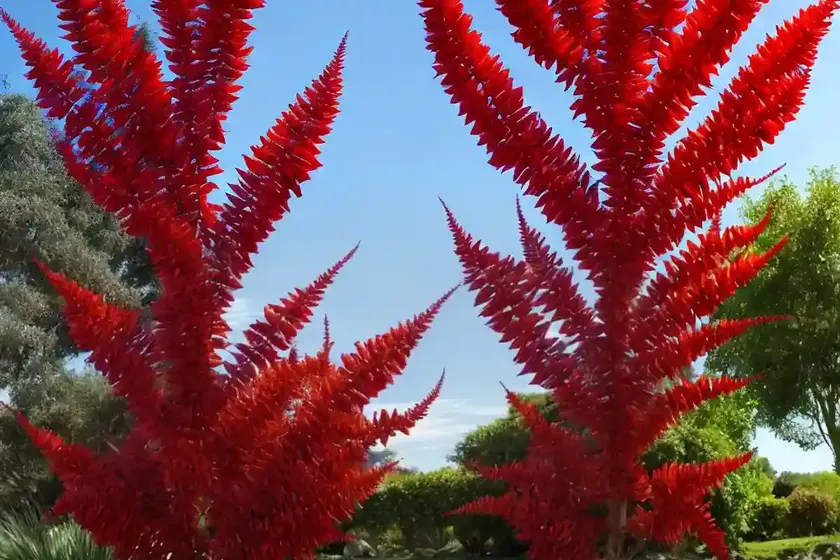
Rhus typhina, a member of the Anacardiaceae family, is a deciduous shrub native to the eastern regions of North America. It is known for its striking appearance, with velvet-like branches and vibrant red fruit clusters. The name “Staghorn” stems from the resemblance of the plant’s fuzzy branches to the velvety antlers of a stag. This unique visual appeal makes Rhus typhina a popular choice for landscaping and ornamental purposes.
Key Takeaways – Rhus typhina (Staghorn Sumac)
Before we delve into the specifics of Rhus typhina, let’s highlight some key takeaways about this captivating plant:
- Scientific Name: Rhus typhina
- Common Name: Staghorn Sumac
- Family: Anacardiaceae
- Native Habitat: Eastern regions of North America
- Characteristics: Velvet-like branches, vibrant red fruit clusters
- Uses: Landscaping, ornamental purposes, culinary applications, ecological value
Now that we have a general understanding of Rhus typhina, let’s explore its culture, uses, and care requirements in detail.
Culture
Understanding the cultural requirements of Rhus typhina is essential for successfully cultivating and maintaining this plant. From sunlight exposure to soil preferences, each aspect plays a crucial role in the overall health and vitality of the Staghorn Sumac.
Water
Rhus typhina exhibits moderate water needs and can tolerate various soil moisture levels. While it prefers well-drained soils, it can also adapt to drier conditions once established. However, it is important to provide adequate water during the establishment phase and periods of extended drought to ensure the plant’s vigor and health.
Sunlight
Staghorn Sumac thrives in full sunlight, making it an ideal choice for sunny landscapes and gardens. It can withstand a range of light conditions, but optimal sunlight exposure enhances its growth and the development of its characteristic red fruit clusters.
Fertilizer
Rhus typhina is relatively low-maintenance in terms of fertilizer requirements. A balanced, slow-release fertilizer applied in spring can support healthy growth and fruit production. However, excessive fertilization should be avoided, as it may lead to excessive foliage at the expense of fruit production.
Soil
The Staghorn Sumac is adaptable to various soil types, including loamy, sandy, and rocky soils. It can thrive in neutral to slightly acidic conditions, with a pH range of 6.0 to 7.0. Well-drained soil is crucial to prevent waterlogging, which can adversely affect the plant’s root health.
Pruning
Pruning Rhus typhina is essential to maintain its desirable shape and promote vigorous growth. It is best done during the dormant season to minimize stress on the plant. Regular pruning can also help manage the plant’s size and prevent overcrowding in landscapes or garden settings.
Uses
The versatile nature of Rhus typhina extends to its diverse range of uses, encompassing both practical and aesthetic applications. Understanding these uses can broaden our appreciation for this remarkable plant and its contributions to various aspects of human life and ecological systems.
Landscaping
One of the primary uses of Rhus typhina is in landscaping, where it serves as an eye-catching ornamental plant. The striking visual appeal of its velvety branches and vibrant fruit clusters adds a dramatic touch to landscapes, especially during the fall season when the foliage transforms into rich shades of red, orange, and yellow.
Culinary Applications
Beyond its ornamental value, Staghorn Sumac has culinary significance, particularly in North American and Middle Eastern cuisines. The red fruit clusters, known as drupes, contain citric acid and are used to impart a tangy flavor to dishes. They can be used to make a refreshing beverage similar to lemonade or as a zesty seasoning for various culinary creations.
Ecological Value
In addition to its aesthetic and culinary uses, Rhus typhina provides ecological benefits as well. The plant’s flowers attract pollinators, supporting local ecosystems, while its fruit clusters serve as a vital food source for wildlife, including birds. By incorporating Staghorn Sumac into landscapes, individuals can contribute to the enhancement of biodiversity and ecological balance.
Propagation
Propagating Rhus typhina allows for the expansion of its presence in both natural and cultivated settings, providing an opportunity to appreciate and utilize its unique characteristics in diverse environments.
Seed Propagation
One common method of propagating Rhus typhina is through seed sowing. The seeds can be collected from mature fruit clusters and sown in well-prepared seedbeds during the fall or spring. Proper site selection and soil preparation are essential to ensure successful germination and establishment of the seedlings.
Division
In addition to seed propagation, Rhus typhina can also be propagated through division. Established clumps of the plant can be carefully divided into sections, each containing viable roots and shoots. This method allows for the multiplication of Staghorn Sumac plants and is particularly useful for garden enthusiasts and landscapers seeking to expand their Rhus typhina collection.
Container Popularity
While Rhus typhina is commonly grown in garden and landscape settings, it also exhibits potential for container cultivation, providing an alternative approach to showcasing its beauty and versatility.
Container Common Diseases
When cultivating Rhus typhina in containers, certain diseases may pose a risk to the plant’s health and vigor. These diseases include:
- Powdery Mildew: A fungal disease that manifests as powdery white patches on the foliage, affecting the plant’s overall appearance and vitality.
Proper care and maintenance practices, including adequate air circulation, appropriate watering, and monitoring for signs of disease, are crucial for mitigating these risks when growing Staghorn Sumac in containers.
Disease Diagnosis
Diagnosing diseases in container-grown Rhus typhina involves careful observation of the plant’s overall health, foliage, and symptoms of any potential diseases. Timely identification and intervention can prevent the spread of diseases and minimize their impact on the plant.
Common Pests
Pests can pose a threat to the health and vigor of Rhus typhina, particularly when grown in various settings. Identifying common pests and implementing effective pest management strategies is essential for preserving the plant’s aesthetic and ecological value.
Pests:
- Aphids: These small, sap-sucking insects can infest the foliage and young shoots, causing damage and potentially affecting the plant’s growth and vigor.
- Scale Insects: These pests can attach themselves to the stems and foliage of Rhus typhina, feeding on plant sap and potentially weakening the plant over time.
Implementing cultural controls, such as maintaining plant health and promoting natural predators of pests, along with targeted interventions when necessary, can help manage pest infestations effectively.
Botanist’s Tips
As with any plant, understanding the unique characteristics and growth habits of Rhus typhina is crucial for successful cultivation. Here are some botanist’s tips for optimizing the growth and health of Staghorn Sumac:
- Site Selection: Choose a well-drained location with ample sunlight for optimal growth and development.
- Pruning: Regular pruning can help maintain the plant’s shape, remove dead or damaged growth, and encourage a healthy and vigorous appearance.
- Watering: While Rhus typhina can tolerate some drought, providing adequate water, especially during hot and dry periods, is essential for promoting overall plant health and vigor.
- Seasonal Care: Pay attention to seasonal changes and requirements, such as fall pruning and winter protection in colder climates, to support the plant’s resilience and vitality.
Fun Facts
Exploring the intriguing aspects of Staghorn Sumac adds depth to our understanding and appreciation of this remarkable plant. Here are some fun facts about Rhus typhina:
- The red fruit clusters of Rhus typhina are a rich source of ascorbic acid, commonly known as vitamin C, and have been used traditionally to make a refreshing beverage resembling lemonade.
- The velvety texture of the branches, which inspired the plant’s common name, “Staghorn,” lends a unique tactile experience when touched, adding to its allure in landscaping and ornamental settings.
- Rhus typhina is dioecious, meaning that male and female flowers are borne on separate plants. This characteristic contributes to the plant’s reproductive dynamics and ecological interactions.
Links to External Resources
For additional information and resources related to Rhus typhina, including cultivation tips, ecological significance, and culinary uses, consider exploring the following links:
- The Wildlife Trusts – Rhus typhina
- USDA Natural Resources Conservation Service – Staghorn Sumac
- University of Virginia – Rhus typhina: A Beneficial Native Plant
By tapping into these external resources, you can gain valuable insights and perspectives on various aspects of Rhus typhina, further enriching your knowledge and appreciation of this captivating plant.
Conclusion
Rhus typhina, or Staghorn Sumac, embodies a captivating blend of ornamental, ecological, and culinary attributes, making it a plant of significant value and interest. Through an in-depth exploration of its culture, uses, care requirements, and botanical nuances, we have unveiled the multifaceted nature of this remarkable species. Whether utilized in landscaping, culinary endeavors, or ecological initiatives, Rhus typhina continues to enrich our lives and environments with its distinctive presence and contributions.
As we continue to cherish and cultivate plants like Rhus typhina, we foster deeper connections with the natural world and gain a newfound appreciation for the beauty and diversity of our botanical surroundings. From its striking visual appeal to its valuable ecological role, Rhus typhina stands as a shining example of nature’s ingenuity and resilience, inspiring us to embrace and celebrate the myriad wonders of the plant kingdom.