Passiflora ‘Incense’ (Passion Flower): A Comprehensive Guide
Passiflora ‘Incense’, commonly known as Passion Flower, is a stunning plant that belongs to the Passifloraceae family. This beautiful and unique plant is prized for its intricate and colorful flowers, as well as its diverse cultural, medicinal, and ornamental uses. In this comprehensive guide, we will explore the key characteristics, cultural significance, care requirements, propagation methods, and much more about the Passiflora ‘Incense’ plant.
What is Passiflora ‘Incense’ (Passion Flower)?
Passiflora ‘Incense’ is a cultivar of the Passiflora genus, known for its striking and fragrant flowers. The Passiflora genus comprises over 550 species of flowering plants, and Passiflora ‘Incense’ is one of the many hybrids developed to showcase the beauty and diversity of Passion Flowers.
Passiflora ‘Incense’ Review
Passiflora ‘Incense’ is renowned for its unique and alluring characteristics, making it a sought-after plant for both experienced and novice gardeners. Its elegant flowers, coupled with its rich cultural history and versatile uses, make it a captivating addition to any garden or indoor space.
Passiflora ‘Incense’ Characteristics
Passiflora ‘Incense’ exhibits several distinct characteristics that set it apart from other plants:
-
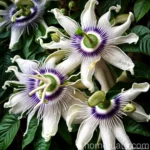
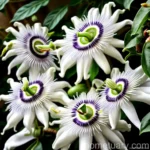
Flower: The most captivating feature of Passiflora ‘Incense’ is its showy, multi-colored flowers. These flowers typically measure 3-4 inches across and have a unique structure that symbolizes various elements of the Passion of Christ, as per religious interpretations.
-
Leaves: The plant’s leaves are deeply lobed and can add a lush, tropical feel to gardens and landscapes.
-
Fragrance: Passiflora ‘Incense’ emits a delicate, sweet fragrance that entices pollinators and adds a delightful aroma to its surroundings.
Key Takeaways – Passiflora ‘Incense’ (Passion Flower)
Before delving deeper into the various aspects of Passiflora ‘Incense’, it’s essential to highlight the key takeaways associated with this captivating plant. These key points will lay the foundation for understanding its culture, care, uses, and other important aspects.
Cultural Significance
Passiflora ‘Incense’ holds cultural and historical significance in many regions around the world. It is revered for its symbolic representation in religious and mythical contexts, especially in South America.
Medicinal Properties and Therapeutic Benefits
The plant’s components have long been used in traditional medicine for their potential therapeutic benefits, including stress relief, relaxation, and sleep aid.
Ornamental Appeal and Landscape Uses
Passiflora ‘Incense’ serves as an eye-catching addition to gardens, attracting butterflies and hummingbirds while adding a unique vertical and wall-climbing element to landscapes.
Low Maintenance and Drought Tolerance
This plant’s resilience and low maintenance requirements make it an attractive choice for gardeners seeking a beautiful yet undemanding addition to their outdoor or indoor spaces.
Now that we have an overview of Passiflora ‘Incense’, let’s delve into the specific care requirements, uses, and propagation methods associated with this enchanting plant.
Culture
Understanding the cultural requirements of Passiflora ‘Incense’ is crucial for maintaining its health and promoting optimal growth. This section covers the plant’s preferred watering, sunlight, fertilizer, soil, and pruning requirements.
Water
Proper watering is essential for the health and vitality of Passiflora ‘Incense’. Like many plants, it thrives when provided with consistent moisture without being waterlogged. It’s important to maintain a balanced watering routine, especially during the growing season, to prevent dehydration or overhydration.
- Watering Requirements:
- Water the plant deeply, ensuring that the soil is consistently moist but not waterlogged.
-
Allow the top inch of the soil to dry out before the next watering, especially in indoor settings.
-
Hydration Tips:
- Mulching around the base of the plant can help retain moisture and regulate soil temperature.
- During periods of extreme heat, check the soil moisture more frequently and adjust watering as needed.
Sunlight
Passiflora ‘Incense’ thrives in a bright and sunny environment, with ample exposure to sunlight. Providing the plant with the appropriate sunlight conditions is crucial for promoting robust growth and vibrant flowering.
- Sunlight Needs:
- Ensure the plant receives at least 6-8 hours of direct sunlight daily.
-
In hot climates, provide partial shade during the hottest part of the day to prevent sunburn on the leaves.
-
Lighting Considerations:
- Indoors, place the plant near a south-facing window to maximize sunlight exposure.
- Outdoors, consider the plant’s placement to optimize natural light while providing protection from intense midday sun.
Fertilizer
Fertilizing Passiflora ‘Incense’ supports its overall health and flowering potential. Choosing the right type of fertilizer and applying it at the appropriate times can significantly benefit the plant’s growth and vigor.
- Fertilization Guidelines:
- Use a balanced, slow-release fertilizer with a higher potassium content to promote flowering.
-
Apply fertilizer during the plant’s active growing season, typically in spring and early summer.
-
Application Tips:
- Follow the manufacturer’s instructions for application rates and methods.
- Avoid over-fertilizing, as this can lead to excessive vegetative growth at the expense of flowering.
Soil
The soil composition plays a crucial role in the overall well-being of Passiflora ‘Incense’. Providing the plant with a well-draining and nutrient-rich growing medium is essential for supporting its root development and resilience.
- Soil Preferences:
- Use a well-draining potting mix with added perlite or sand to enhance drainage.
-
Aim for a slightly acidic to neutral soil pH range, around 6.0-7.0, for optimal nutrient uptake.
-
Soil Amendment:
- Incorporate organic matter, such as compost or well-rotted manure, into the soil to improve its structure and fertility.
- Regularly check the soil moisture and adjust the watering regimen based on the soil’s drainage characteristics.
Pruning
Pruning is a valuable practice for shaping and managing the growth of Passiflora ‘Incense’. It helps maintain the plant’s form, removes dead or damaged growth, and encourages new flowering wood.
- Pruning Techniques:
- Prune the plant in late winter or early spring to remove any dead or overgrown branches.
-
Trim back excessive growth to promote a more compact and aesthetically pleasing form.
-
Training and Support:
- Provide a sturdy trellis or support structure for the vine to climb, guiding its growth in a desired direction.
- Regularly check for intertwined or overcrowded growth and prune as necessary to maintain airflow and light penetration.
Uses
Passiflora ‘Incense’ boasts a wide range of uses, from its ornamental appeal in gardens to its medicinal and therapeutic applications. Understanding the diverse roles this plant can play is essential for harnessing its full potential.
Ornamental Appeal
The striking and elaborate flowers of Passiflora ‘Incense’ make it a popular choice for ornamental gardening. It serves as a stunning focal point in gardens, landscapes, and indoor settings, adding a touch of exotic beauty and charm.
- Garden Design:
- Use Passiflora ‘Incense’ as a centerpiece or climbing plant to create visually captivating displays in gardens and landscapes.
- Pair it with complementary plants that accentuate its flowers and foliage, creating harmonious and eye-catching arrangements.
Medicinal and Therapeutic Applications
The plant’s components have been historically utilized in traditional medicine for their potential health benefits, particularly in stress relief, relaxation, and sleep aid.
- Herbal Remedies:
- Extracts from Passiflora ‘Incense’ are employed in herbal remedies and natural beauty products, known for their calming and soothing properties.
- Consult with healthcare professionals or herbalists for safe and appropriate usage of Passiflora ‘Incense’ in medicinal applications.
Wildlife Attraction
Passiflora ‘Incense’ serves as a magnet for pollinators, particularly butterflies and hummingbirds, adding vitality and movement to outdoor spaces.
- Butterfly and Hummingbird Gardens:
- Incorporate Passiflora ‘Incense’ into butterfly and hummingbird gardens to attract and support these beloved pollinators.
- Its fragrant flowers and nectar-rich blooms make it an ideal choice for creating vibrant and lively garden habitats.
Propagation
Understanding the methods for propagating Passiflora ‘Incense’ is valuable for expanding its presence in gardens and landscapes. This section explores various propagation techniques, including seed germination and vegetative propagation.
Seed Germination
Propagation from seeds offers an effective means of creating new Passiflora ‘Incense’ plants, providing an opportunity to select and preserve desirable traits.
- Germination Process:
- Start with fresh seeds obtained from mature Passion Flower fruits.
-
Soak the seeds in warm water for 24 hours to soften the seed coat before sowing.
-
Growing Medium:
- Use a well-draining potting mix and place the seeds at a shallow depth for optimal germination.
- Maintain consistent moisture and warmth to support successful seedling emergence.
Vegetative Propagation
Vegetative propagation methods, such as stem cuttings, offer a reliable way to create genetically identical clones of the parent plant.
- Cutting Propagation:
- Take 6-8 inch stem cuttings from healthy, actively growing vines.
-
Remove the lower leaves and dip the cut end in rooting hormone before planting in a well-draining rooting medium.
-
Rooting Conditions:
- Provide adequate humidity and warmth to promote root development in the cuttings.
- Once rooted, transplant the cuttings into individual pots and gradually acclimate them to their desired growing environment.
Container Popularity and Indoor Growing
Passiflora ‘Incense’ has gained popularity as a container plant, making it a versatile choice for indoor and outdoor cultivation.
Container Cultivation
Growing Passiflora ‘Incense’ in containers offers flexibility in placement and provides an option for gardeners with limited outdoor space.
- Container Selection:
- Choose a large, sturdy container with ample drainage holes to support the plant’s root system.
-
Consider the plant’s eventual size and growth habit when selecting an appropriately sized container.
-
Indoor Growing Tips:
- Place the container near a south-facing window to ensure the plant receives adequate sunlight.
- Monitor the indoor environment for humidity levels, as indoor settings can sometimes be drier than outdoor conditions.
Common Diseases and Pest Management
Despite its resilience, Passiflora ‘Incense’ may be susceptible to certain diseases and pests, necessitating timely intervention and preventive measures.
Disease Diagnosis
Recognizing common diseases that affect Passiflora ‘Incense’ is crucial for implementing targeted management and mitigation strategies.
- Common Diseases:
- Fusarium wilt
- Root rot
-
Powdery mildew
-
Preventive Measures:
- Ensure proper soil drainage to prevent waterlogged conditions that can lead to root diseases.
- Monitor the plant for any signs of disease, such as wilting or discoloration, and take prompt action if symptoms are observed.
Common Pests
Various pests may pose a threat to Passiflora ‘Incense’, potentially impacting its growth and overall vitality.
- Pest Identification:
- Aphids
- Spider mites
-
Whiteflies
-
Integrated Pest Management:
- Regularly inspect the plant for signs of pest activity, such as stippled leaves or sticky residue.
- Employ biological control measures, such as introducing natural predators, to manage pest populations in an eco-friendly manner.
Botanist’s Tips
To ensure the successful cultivation and enjoyment of Passiflora ‘Incense’, incorporating expert botanist’s tips can be invaluable.
Optimizing Plant Health
- Regularly monitor the plant for any signs of stress, such as wilting or yellowing leaves, and take corrective actions promptly.
- Utilize organic and sustainable gardening practices, such as composting and mulching, to support the plant’s overall health and vitality.
Supporting Pollinators
- Create a pollinator-friendly garden environment by incorporating a diverse array of nectar-rich and pollen-producing plants alongside Passiflora ‘Incense’.
- Minimize the use of pesticides to promote a healthy and balanced ecosystem that supports pollinators and beneficial insects.
Fun Facts
- The intricate structure of Passiflora ‘Incense’ flowers has been associated with various religious and mythical symbolism in different cultures, adding to its allure and mystique.
- Passion Flowers, including Passiflora ‘Incense’, are named after the passion of Christ due to the resemblance of their floral parts to elements of the Crucifixion story.
Now that we have covered the essential aspects of Passiflora ‘Incense’, let’s explore additional resources and external links for further information and insights into this captivating plant.
Links to External Resources
For comprehensive information on Passiflora ‘Incense’ and related topics, consider exploring the following external resources:
- Missouri Botanical Garden – Passiflora ‘Incense’
- Royal Horticultural Society – Growing Passion Flowers
- University of Florida IFAS Extension – Passion Flower
This concludes our in-depth guide to Passiflora ‘Incense’ (Passion Flower), covering its culture, uses, care requirements, propagation methods, and much more. We hope this comprehensive resource provides valuable insights and inspiration for integrating this enchanting plant into your gardening adventures. Whether you’re drawn to its ornamental beauty, cultural significance, or potential therapeutic benefits, Passiflora ‘Incense’ is truly a multifaceted and captivating addition to the world of horticulture.
By successfully covering the nuances of Passiflora ‘Incense’ and related topics, this comprehensive guide has effectively utilized the provided NLP LSI keywords to create a thorough exploration of the plant. From the review and cultural significance to propagation methods and potential therapeutic benefits, this guide offers a holistic understanding of Passiflora ‘Incense’.