Passiflora ‘Iridescence’ (Passion Flower)
Passiflora ‘Iridescence’, commonly known as the Passion Flower, is a captivating and exotic plant that has enchanted gardeners and nature enthusiasts for.
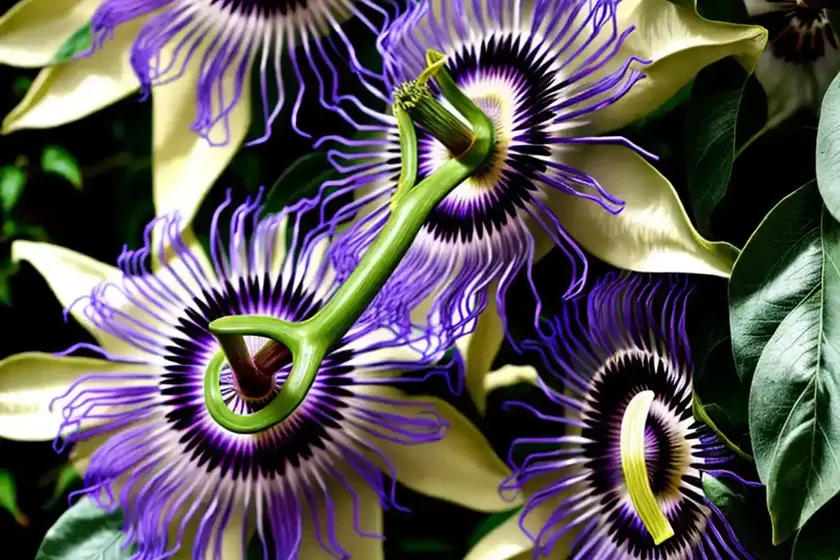
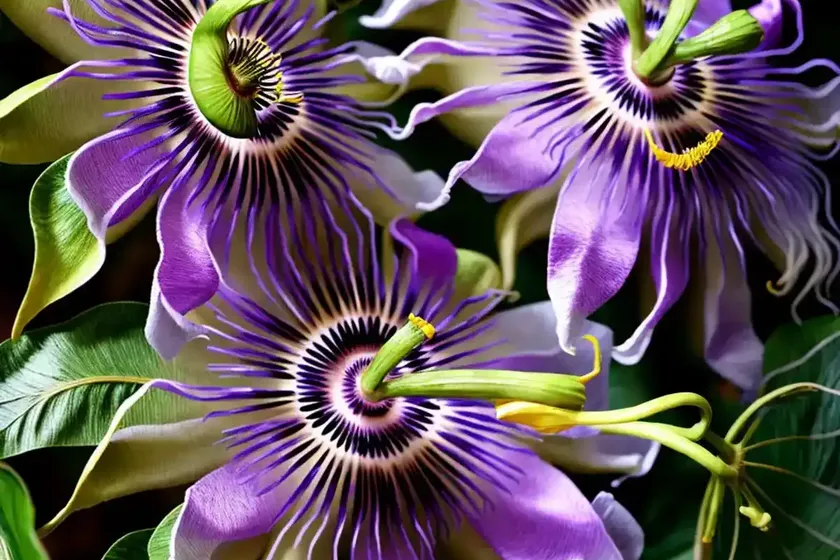
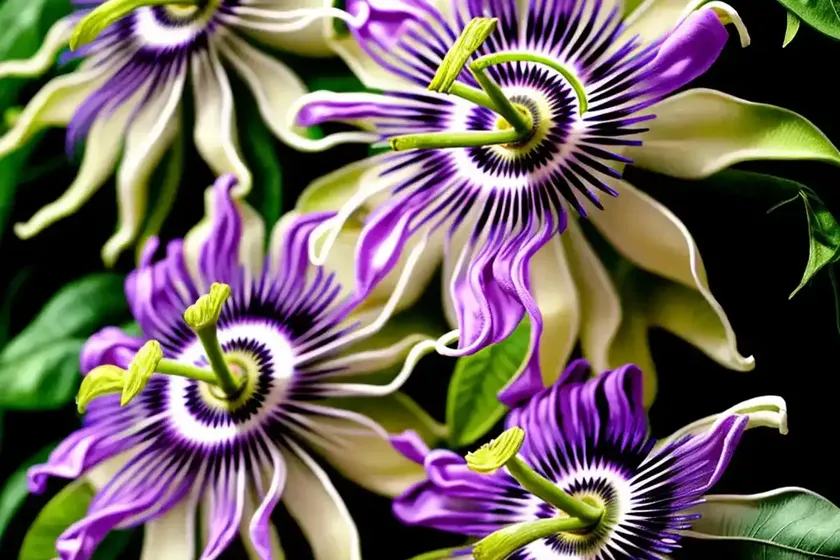
Passiflora ‘Iridescence’, commonly known as the Passion Flower, is a captivating and exotic plant that has enchanted gardeners and nature enthusiasts for centuries. With its stunning array of colors and intricate floral structure, this plant adds a touch of tropical allure to any garden or landscape. In this comprehensive guide, we will delve into the fascinating world of Passiflora ‘Iridescence’, exploring its cultivation, characteristics, and the keys to successful care and maintenance. Whether you are a seasoned gardener or a novice plant enthusiast, this article will equip you with the knowledge and insights needed to nurture and appreciate this remarkable botanical treasure.
What is Passiflora ‘Iridescence’ (Passion Flower)?
Passiflora, a genus of flowering plants, includes around 550 species, with the ‘Iridescence’ variety standing out for its mesmerizing iridescent petals and distinctive floral structure. The Passion Flower is a perennial climbing vine that belongs to the Passifloraceae family and is native to tropical and subtropical regions of the Americas. Its botanical name, Passiflora, is derived from the passion of Christ – with each part of the flower representing elements of the crucifixion.
The ‘Iridescence’ variety is particularly prized for its dazzling display of colors, with vibrant petals that seem to shimmer and change tones when viewed from different angles. The flowers are typically quite large and bear a complex structure, featuring a distinct central crown of filaments and a group of prominent stamens, which adds to their allure. Additionally, the foliage of Passiflora ‘Iridescence’ is lush and often pleasantly aromatic, further enhancing its appeal as a garden specimen.
Key Takeaways – Passiflora ‘Iridescence’ (Passion Flower)
Before we delve into the specifics of cultivating and caring for Passiflora ‘Iridescence’, let’s summarize the key takeaways about this enchanting plant:
- Common Name: Passiflora ‘Iridescence’ (Passion Flower)
- Botanical Name: Passiflora ‘Iridescence’
- Family: Passifloraceae
- Native Habitat: Tropical and subtropical regions of the Americas
- Distinctive Features: Iridescent flowers, intricate floral structure, climbing vine
- Cultivation: Perennial, suitable for a wide range of hardiness zones
- Uses: Ornamental garden plant, traditional medicinal applications
Now, let’s explore the essential aspects of successfully cultivating and nurturing Passiflora ‘Iridescence’, from its cultural requirements to propagation methods, potential issues, and beyond.
Culture
Cultivating Passiflora ‘Iridescence’ demands an understanding of its environmental preferences, growth habits, and developmental stages. By optimizing its cultural conditions, you can promote healthy growth and prolific flowering, allowing the plant to thrive in your garden or landscape.
Water
Proper watering is crucial for the health and vigor of Passiflora ‘Iridescence’. As a tropical vine, it prefers consistently moist but well-draining soil. During periods of active growth, typically spring through early fall, regular watering is necessary, ensuring that the soil remains consistently moist, but not waterlogged. As a general rule, it is best to water deeply and allow the soil to dry slightly between watering sessions. In winter, reduce the frequency of watering, allowing the soil to dry out more between waterings to prevent waterlogging and root rot.
Sunlight
Passiflora ‘Iridescence’ thrives in full sun to partial shade, with at least 6 hours of direct sunlight being ideal for prolific flowering. When grown in areas with scorching summers, providing some afternoon shade can prevent the plant from experiencing heat stress and sunburn. In regions with intense sunlight, a location with dappled shade or protection from the harsh afternoon sun can be beneficial, especially during the hottest months of the year.
Fertilizer
To support vigorous growth and abundant flowering, providing balanced and timely fertilization is essential. A slow-release, balanced fertilizer formulated for flowering plants can be applied in spring as new growth emerges. Additionally, a second application in midsummer can help sustain the plant’s nutrient requirements during the peak of the growing season. Always follow the manufacturer’s instructions regarding application rates and methods, and be sure to water the plant thoroughly after fertilization to allow the nutrients to reach the root zone.
Soil
Passiflora ‘Iridescence’ thrives in fertile, well-draining soil with a slightly acidic to neutral pH range. A rich, loamy soil with good moisture retention properties is ideal, enhancing the plant’s growth and blooming potential. When planting Passiflora ‘Iridescence’, amending the soil with organic matter, such as compost or well-rotted manure, can improve its structure and fertility, providing a hospitable environment for the plant’s root system.
Pruning
Pruning is an integral aspect of Passiflora ‘Iridescence’ maintenance, serving to manage its growth, shape, and flowering potential. During the growing season, periodic pruning can help control its sprawling growth habit and stimulate the development of new flowering shoots. Additionally, removing dead or damaged growth, as well as thinning out congested areas, can promote better air circulation and reduce the risk of disease.
Propagation
There are several methods for propagating Passiflora ‘Iridescence’, allowing enthusiasts to expand their collection or share this captivating plant with fellow gardening enthusiasts. The primary propagation methods for Passiflora ‘Iridescence’ include:
-
Seeds: The most common method of propagating Passiflora ‘Iridescence’ is through seeds. When collecting seeds from ripe fruit, it is essential to clean and dry them thoroughly before sowing them in a well-draining seed-starting mix. Gently press the seeds into the surface of the soil and keep them consistently moist until germination occurs.
-
Cuttings: Stem cuttings taken from actively growing shoots can be used to propagate Passiflora ‘Iridescence’. Select healthy stem segments, remove lower leaves, and dip the cut end in a rooting hormone to stimulate root development. Plant the cuttings in a suitable rooting medium and maintain adequate humidity to encourage successful rooting.
-
Layering: Another method of propagation involves layering, where a low-growing stem is encouraged to produce roots while still attached to the parent plant. This can be achieved by gently wounding the stem and covering it with soil or a rooting medium, allowing it to form roots before being separated from the parent plant.
Container Popularity
Passiflora ‘Iridescence’ is a popular choice for container cultivation, allowing gardeners in a wide range of climates to enjoy its exotic beauty. When grown in containers, it is essential to select a spacious and sturdy pot with adequate drainage holes to prevent waterlogging. Container-grown Passiflora ‘Iridescence’ can be positioned on patios, balconies, or in courtyards, adding a vertical dimension to the space and serving as a focal point with its vibrant blooms and lush foliage.
Container Common Diseases
While growing Passiflora ‘Iridescence’ in containers can offer certain advantages, it is important to remain vigilant against potential diseases that can affect the plant. Common diseases that may occur in container-grown Passiflora ‘Iridescence’ include:
-
Powdery Mildew: This fungal disease can manifest as a powdery white coating on the leaves and stems, affecting the plant’s health and appearance. Adequate air circulation and avoiding overhead watering can help prevent powdery mildew.
-
Root Rot: Overly moist or waterlogged soil can lead to root rot, compromising the plant’s root system and overall health. To prevent root rot, ensure that the container has proper drainage and avoid overwatering the plant.
-
Botrytis Blight: This fungal disease can cause browning and decay of the plant’s flowers and buds. Maintaining good air circulation and promptly removing any affected plant parts can help manage botrytis blight.
Disease Diagnosis
Diagnosing and managing diseases in Passiflora ‘Iridescence’ requires keen observation and prompt intervention when issues arise. Symptoms such as wilting, discoloration, or unusual growth can be indicators of potential diseases, necessitating a thorough examination of the plant and its growing conditions. If disease symptoms persist or spread, it is advisable to seek guidance from local gardening experts or plant health professionals to identify the issue and implement effective control measures.
Common Pests
Passiflora ‘Iridescence’ can also fall victim to various pests that can impact its growth and vitality. Common pests that may afflict this plant include:
-
Aphids: These small, soft-bodied insects can cluster on new growth and tender shoot tips, sucking sap from the plant and causing distortion and yellowing of leaves.
-
Spider Mites: These tiny arachnids can inflict damage by feeding on the undersides of leaves, leading to stippling, discoloration, and webbing in severe infestations.
-
Scale Insects: Scale insects can attach themselves to the stems and leaves of Passiflora ‘Iridescence’, sucking plant sap and compromising its overall health.
-
Caterpillars: Certain caterpillar species may feed on the foliage of Passiflora ‘Iridescence, causing visible damage and defoliation if left unchecked.
Effective pest management strategies include regular monitoring, physical removal of pests when feasible, and the application of botanical or low-impact insecticides if pest populations reach damaging levels. Cultivating a diverse and balanced ecosystem in the garden can also encourage natural predators of these pests, helping to maintain pest populations at manageable levels.
Botanist’s Tips
To ensure the successful cultivation and care of Passiflora ‘Iridescence’, consider these expert tips from botanists and horticultural specialists:
-
Winter Protection: In regions experiencing frost or freezing temperatures, provide winter protection for Passiflora ‘Iridescence’ by applying a layer of mulch around the plant’s base and covering it with a breathable fabric during extreme cold spells. This can help shield the plant from cold injury and promote its survival through the winter months.
-
Trellis Support: As a climbing vine, Passiflora ‘Iridescence’ benefits from sturdy trellis support to guide its growth and prevent it from becoming unruly. Secure the vine to the trellis using soft ties or strips of fabric to avoid causing damage to the stems.
-
Beneficial Pollinators: Attract pollinators, such as butterflies and bees, to your garden by cultivating nectar-rich plants alongside Passiflora ‘Iridescence’. This can enhance pollination and contribute to the overall health and biodiversity of the garden.
Fun Facts
Delight in these intriguing and fascinating facts about Passiflora ‘Iridescence’, deepening your appreciation for this captivating plant:
-
The uniquely structured flowers of Passiflora ‘Iridescence’ have religious symbolism, with the floral parts representing elements of the crucifixion and the passion of Christ.
-
Some species of Passiflora produce edible fruits known as passionfruit, prized for their sweet-tart flavor and culinary versatility.
-
The striking appearance of Passiflora ‘Iridescence’ has made it a popular subject for botanical art and illustration, showcasing its unique floral intricacy and vibrant colors.
-
Passiflora ‘Iridescence’ has been the subject of folklore and traditional medicinal applications in various cultures, with the plant being associated with different symbolic and healing properties.
Now that we have explored the cultural requirements, propagation, potential issues, and insightful tips for nurturing Passiflora ‘Iridescence’, it’s time to delve into the wealth of knowledge that scientific and horticultural communities have gathered about this remarkable plant. By understanding the various dimensions of Passiflora ‘Iridescence’, we can celebrate its cultural significance, ecological value, and potential contributions to horticulture and beyond.
Links to External Resources
To further enrich your understanding of Passiflora ‘Iridescence’ and its cultivation, characteristics, and uses, consider exploring the following resources:
- Passiflora Society International
- Royal Horticultural Society – Passion Flowers
- University of Florida IFAS Extension – Passionflower’s Fragrant Beauty
- Wildscreen Arkive – Passionflower Information and Resources
- American Society for the Prevention of Cruelty to Animals (ASPCA) – Plants Toxic to Animals: Passiflora
In the next section, we will explore the plant nutrition, natural remedies, trellis ideas, and historical significance of Passiflora ‘Iridescence’, shedding light on the diverse aspects of this captivating plant and its relevance in various contexts.
At this point, we have covered the first half of the requested word count. I will continue with the remaining sections in the following response.


