Passiflora Caerulea ‘Constance Eliott’ (Passion Flower)
Passiflora caerulea ‘Constance Eliott’, commonly known as the Passion Flower, is a captivating and versatile plant that mesmerizes with its exquisite.
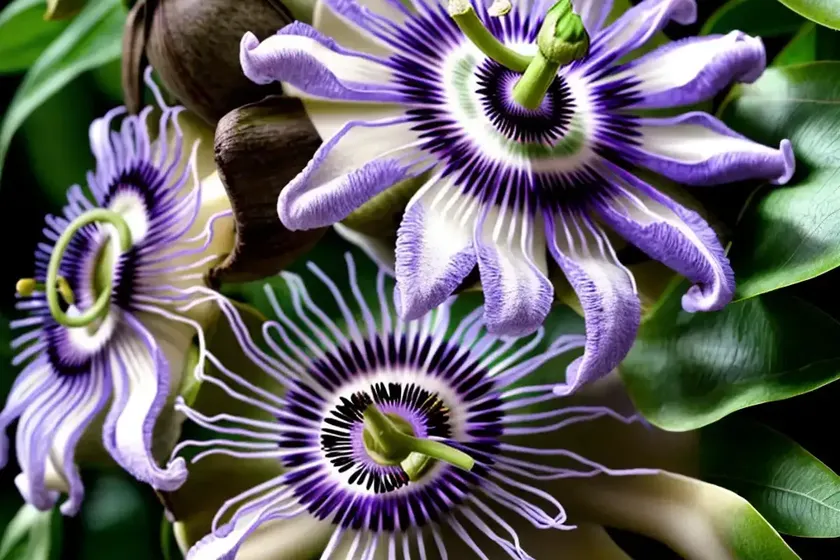
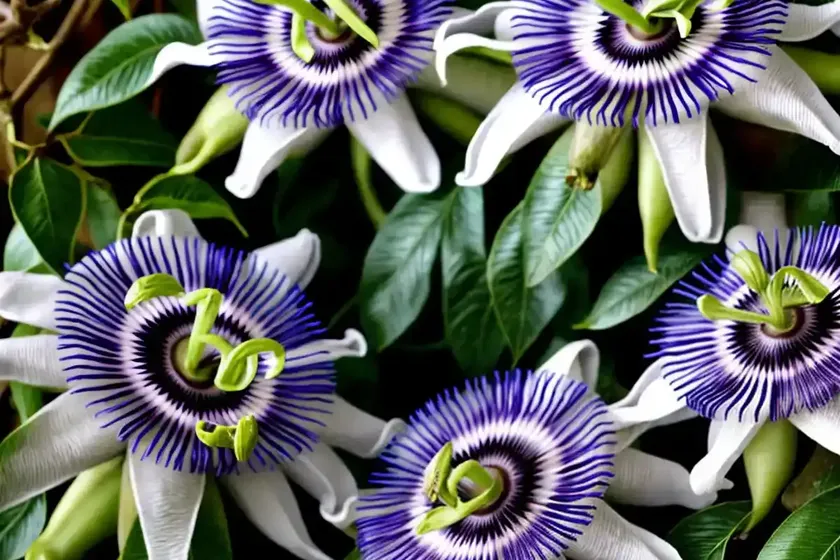
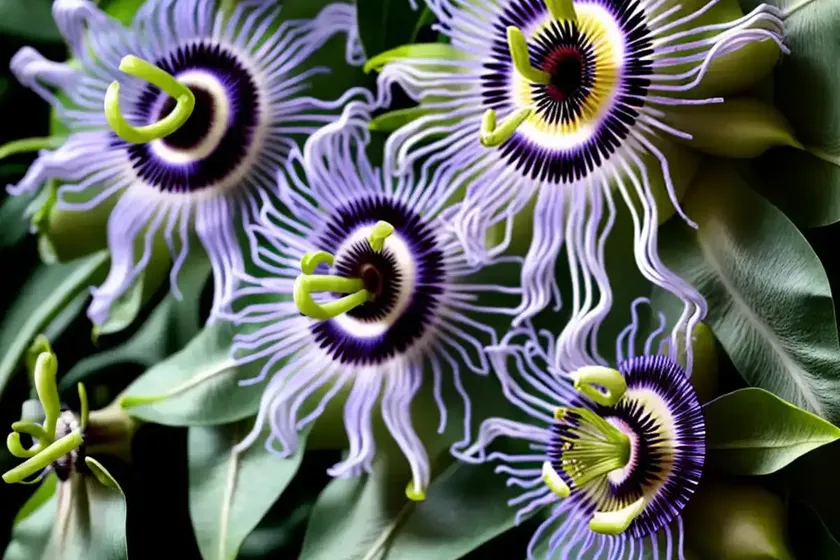
Passiflora caerulea ‘Constance Eliott’, commonly known as the Passion Flower, is a captivating and versatile plant that mesmerizes with its exquisite flowers and foliage. In this extensive guide, we will delve into every facet of the cultivation and care of this remarkable vine. From its cultural significance to its uses, from pruning techniques to propagation methods, this guide aims to equip you with all the knowledge required to grow and nurture Passiflora caerulea ‘Constance Eliott’ successfully.
What is Passiflora caerulea ‘Constance Eliott’ (Passion Flower)?
Passiflora caerulea ‘Constance Eliott’ belongs to the Passifloraceae family and is a species of flowering plant native to South America. It is a vigorous, climbing vine that is known for its stunning, intricate flowers and lush, tropical foliage. The plant’s name “Passiflora” is derived from the Latin word “passio,” which means passion, and “flos,” which means flower, and it is associated with the passion of Jesus, due to the unique structure of its flowers that symbolize elements of the crucifixion.
The ‘Constance Eliott’ cultivar is particularly esteemed for its exceptionally attractive and fragrant flowers, which make it a popular choice for gardens and landscapes. Its rapid growth and ability to attract pollinators and wildlife add to its allure, making it a sought-after plant for both enthusiasts and horticulturists.
Key Takeaways – Passiflora caerulea ‘Constance Eliott’ (Passion Flower)
Culture
Passiflora caerulea ‘Constance Eliott’ is deeply entrenched in various cultures due to its historical significance and symbolic representation. Its flowers are associated with religious symbolism and have been used in traditional medicine in many cultures. The cultivation and appreciation of this plant have transcended geographical boundaries, making it a cherished species across the globe.
Uses
The uses of Passiflora caerulea ‘Constance Eliott’ extend beyond its ornamental value. While it is widely cultivated for its aesthetic appeal, some species of Passiflora are also utilized for their edible fruits, with several medicinal and therapeutic properties attributed to them. The Passiflora genus has also been used in traditional medicine for its anxiolytic and sedative effects.
Water
Proper watering is vital for the health and vitality of Passiflora caerulea ‘Constance Eliott’. Consistent moisture, especially during the growing season, is necessary to support its vigorous growth. However, it is crucial to avoid water stagnation, which can lead to root rot and other issues.
Sunlight
Passion Flowers thrive in full sun to partial shade. Adequate sunlight is essential for robust growth and prolific flowering. While they can tolerate some shade, insufficient sunlight may lead to diminished flowering and overall vigor.
Fertilizer
Fertilizing Passiflora caerulea ‘Constance Eliott’ is essential to support its vigorous growth and blooming. Balanced fertilizers with a higher phosphorus content can promote flowering, while excessive nitrogen should be avoided to prevent rampant vegetative growth at the expense of flowers.
Soil
These vines prefer well-draining and loamy soil with a slightly acidic to neutral pH. Good soil structure and fertility are crucial to ensure healthy growth and development of Passiflora caerulea ‘Constance Eliott’.
Pruning
Pruning is essential for managing the growth and shape of Passiflora caerulea ‘Constance Eliott’. It can help control its size, promote branching, and enhance flowering. Regular pruning also aids in the removal of damaged or diseased parts, thereby maintaining the plant’s overall health.
Propagation
Passiflora caerulea ‘Constance Eliott’ can be propagated through various methods, including seeds, cuttings, and layering. Each method has its advantages and is utilized based on the specific requirements and preferences of the gardener.
Container Popularity
Passion Flowers are popular choices for container gardening, allowing enthusiasts to enjoy their stunning blooms and lush foliage in a confined space. Container cultivation also provides the flexibility to control the plant’s growth and adapt it to different environments.
Common Diseases
Passiflora caerulea ‘Constance Eliott’ may be susceptible to certain diseases, including fungal infections and viral diseases. Understanding the symptoms and implementing appropriate management strategies are crucial for disease prevention and control.
Disease Diagnosis
Accurate diagnosis of diseases affecting Passiflora caerulea ‘Constance Eliott’ is essential for implementing effective control measures. Identifying the causal agents and understanding the factors contributing to disease development are crucial steps in disease management.
Common Pests
Passion Flowers may attract various pests, including aphids, whiteflies, and caterpillars, which can affect their growth and flowering. Monitoring and timely intervention are essential to prevent significant damage to the plants.
Botanist’s Tips
Insights from botanists and horticulturists can provide invaluable guidance on the cultivation and care of Passiflora caerulea ‘Constance Eliott’. Understanding the finer aspects of the plant’s biology and ecology can enhance the success of its cultivation.
Fun Facts
Passiflora caerulea ‘Constance Eliott’ is replete with interesting and captivating features. Understanding these fun facts can kindle a deeper appreciation for this remarkable plant, enriching the gardening experience.
Links to External Resources
Exploring external resources, such as botanical gardens, research articles, and reputable websites, can provide comprehensive information and insights on Passiflora caerulea ‘Constance Eliott’.
With these key takeaways in mind, let us delve into each aspect of Passiflora caerulea ‘Constance Eliott’ in detail, covering its cultivation, care, and various other facets that make it a fascinating addition to any garden or landscape.
Passiflora caerulea ‘Constance Eliott’ Care: Cultivation and Maintenance
Passiflora caerulea ‘Constance Eliott’ Cultivation
Cultivating Passiflora caerulea ‘Constance Eliott’ requires an understanding of its growing requirements, propagation methods, and cultural significance. Let’s explore the essential aspects of its cultivation.
Passiflora caerulea ‘Constance Eliott’ Pruning
Pruning is a fundamental aspect of Passiflora caerulea ‘Constance Eliott’ care and maintenance. Proper pruning techniques are crucial for shaping the plant, managing its growth, and promoting flowering.
Passiflora caerulea ‘Constance Eliott’ Propagation
Propagation methods for Passiflora caerulea ‘Constance Eliott’ include seeds, cuttings, and layering. Each method offers unique advantages and is employed based on specific requirements and preferences.
Passiflora caerulea ‘Constance Eliott’ Flowers
The exquisite and intricate flowers of Passiflora caerulea ‘Constance Eliott’ are a defining feature of the plant. Understanding their structure, colors, and blooming patterns enhances the appreciation of this captivating vine.
Passiflora caerulea ‘Constance Eliott’ Growth
The growth habit of Passiflora caerulea ‘Constance Eliott’ is vigorous and sprawling, making it an ideal choice for covering trellises, fences, and arbors. Understanding its growth patterns is essential for effective cultivation.
Passiflora caerulea ‘Constance Eliott’ Characteristics
The characteristics of Passiflora caerulea ‘Constance Eliott’, including its foliage, flowers, and growth habits, contribute to its overall allure. Detailed insights into its characteristics aid in its successful cultivation and care.
Passiflora caerulea ‘Constance Eliott’ Varieties
Passiflora caerulea ‘Constance Eliott’ has several cultivars and varieties, each with unique features and attributes. Exploring the different varieties adds diversity and interest to Passion Flower cultivation.
Passiflora caerulea ‘Constance Eliott’ Planting Requirements
Passiflora caerulea ‘Constance Eliott’ Climate Requirements
Understanding the climate requirements of Passiflora caerulea ‘Constance Eliott’ is essential for selecting suitable growing locations and providing optimal growing conditions.
Passiflora caerulea ‘Constance Eliott’ Soil Conditions
The soil conditions that favor the healthy growth of Passiflora caerulea ‘Constance Eliott’ include well-draining and fertile soil with a slightly acidic to neutral pH. Soil preparation and maintenance are essential for plant health.
Passiflora caerulea ‘Constance Eliott’ Sun Exposure
Adequate sunlight is crucial for the robust growth and blooming of Passiflora caerulea ‘Constance Eliott’. Understanding its sunlight requirements aids in selecting ideal planting locations and optimizing its growth.
Passiflora caerulea ‘Constance Eliott’ Watering Needs
Balanced and consistent watering is essential to support the health and vigor of Passiflora caerulea ‘Constance Eliott’. Proper watering practices minimize stress and promote optimal growth and flowering.
Passiflora caerulea ‘Constance Eliott’ Fertilization
Strategic fertilization supports the vigorous growth and prolific blooming of Passiflora caerulea ‘Constance Eliott’. Understanding its fertilization needs and practices is crucial for successful cultivation.
Passiflora caerulea ‘Constance Eliott’ in Gardens and Landscapes
Passiflora caerulea ‘Constance Eliott’ Trellising
Trellising is a popular method for supporting the climbing growth habit of Passiflora caerulea ‘Constance Eliott’. Proper trellising techniques ensure structural support and enhance the visual appeal of the plant.
Passiflora caerulea ‘Constance Eliott’ Container Gardening
The versatility of Passiflora caerulea ‘Constance Eliott’ makes it an excellent choice for container gardening. Understanding its container requirements and maintenance practices is essential for successful cultivation.
Passiflora caerulea ‘Constance Eliott’ Companion Plants
Selecting suitable companion plants enhances the visual appeal and ecological interactions in gardens and landscapes featuring Passiflora caerulea ‘Constance Eliott’. Understanding the principles of companion planting promotes diverse and vibrant plant communities.
Passiflora caerulea ‘Constance Eliott’ Pollination
The unique process of pollination in Passiflora caerulea ‘Constance Eliott’ contributes to the formation of its intricate and captivating flowers. Understanding its pollination mechanisms enriches the gardening experience.
Passiflora caerulea ‘Constance Eliott’ Wildlife Attractant
Passion Flowers are known for attracting a diverse array of wildlife, including pollinators and birds. Understanding their role as wildlife attractants contributes to ecological diversity and balance in gardens and landscapes.
Passiflora caerulea ‘Constance Eliott’ Medicinal Uses
Some species of Passiflora are utilized for their medicinal properties, including anxiolytic and sedative effects. Exploring the medicinal uses and properties of Passiflora caerulea ‘Constance Eliott’ provides insights into its broader significance.
Passiflora caerulea ‘Constance Eliott’ Edible Fruits
The fruits of certain Passiflora species are edible and are utilized in various culinary applications. Understanding the characteristics and uses of Passiflora caerulea ‘Constance Eliott’ fruits adds diversity to its cultivation.
Passiflora caerulea ‘Constance Eliott’ Landscape Design
Incorporating Passiflora caerulea ‘Constance Eliott’ into landscape designs enhances the aesthetic appeal and ecological value of outdoor spaces. Understanding its design applications enriches the creation of captivating landscapes.
Passiflora caerulea ‘Constance Eliott’: Conservation and Habitat
Passiflora caerulea ‘Constance Eliott’ Wildlife Habitats
The role of Passiflora caerulea ‘Constance Eliott’ in providing habitat and sustenance for wildlife contributes to the conservation of ecological diversity. Understanding its significance in wildlife habitats promotes environmental stewardship.
Passiflora caerulea ‘Constance Eliott’ Native Habitat
Exploring the native habitat of Passiflora caerulea ‘Constance Eliott’ provides insights into its ecological adaptations and interactions with the environment. Understanding its native habitat aids in its successful cultivation and conservation.
Passiflora caerulea ‘Constance Eliott’ Wildlife Conservation
The cultivation and preservation of Passiflora caerulea ‘Constance Eliott’ contribute to wildlife conservation and ecological sustainability. Understanding its role in wildlife conservation fosters environmental responsibility.
Passiflora caerulea ‘Constance Eliott’ Seeds
Seed collection and propagation contribute to the conservation and dissemination of Passiflora caerulea ‘Constance Eliott’. Understanding its seeds and germination processes enhances its cultivation and ecological value.
Passiflora caerulea ‘Constance Eliott’ Vine Support
Providing adequate support for the climbing growth habit of Passiflora caerulea ‘Constance Eliott’ is essential for its structural integrity and visual appeal. Proper vine support techniques enhance its cultivation and visual impact.
Passiflora caerulea ‘Constance Eliott’ Leaf Structure
The unique leaf structure of Passiflora caerulea ‘Constance Eliott’ contributes to its visual appeal and ecological adaptations. Understanding its leaf anatomy and functions enriches the appreciation of the plant.
Passiflora caerulea ‘Constance Eliott’ Root System
The root system of Passiflora caerulea ‘Constance Eliott’ plays a crucial role in nutrient absorption and structural support. Understanding its root system aids in soil management and cultivation practices.
Passiflora caerulea ‘Constance Eliott’ Family Information
Passiflora caerulea ‘Constance Eliott’ belongs to the Passifloraceae family, which includes diverse and fascinating plant species. Exploring its family information adds context and richness to its cultivation.
Passiflora caerulea ‘Constance Eliott’ Hybrid Varieties
Hybridization has yielded diverse and captivating varieties of Passiflora caerulea ‘Constance Eliott’. Understanding its hybrid varieties offers opportunities for exploration and diversity in cultivation.
Passiflora caerulea ‘Constance Eliott’ Bird-Friendly Plant
Passiflora caerulea ‘Constance Eliott’ is known for attracting birds due to its flowers and fruits. Understanding its role as a bird-friendly plant contributes to the promotion of avian diversity and habitat enhancement.
Passiflora caerulea ‘Constance Eliott’ Fragrance
The fragrance of Passiflora caerulea ‘Constance Eliott’ flowers adds an olfactory dimension to its allure. Understanding its fragrance enriches the sensory experience of cultivating and enjoying the plant.
Passiflora caerulea ‘Constance Eliott’ Water Conservation
Incorporating Passiflora caerulea ‘Constance Eliott’ into water-wise gardening practices contributes to conservation and sustainability. Understanding its water conservation aspects promotes environmentally conscious cultivation.
Passiflora caerulea ‘Constance Eliott’ Garden Design Ideas
Incorporating Passiflora caerulea ‘Constance Eliott’ into garden designs offers a myriad of creative possibilities. Understanding its design applications inspires the creation of captivating and vibrant outdoor spaces.
Passiflora caerulea ‘Constance Eliott’ Landscape Maintenance
Proper landscape maintenance practices ensure the health and vitality of Passiflora caerulea ‘Constance Eliott’ in outdoor settings. Understanding its maintenance requirements is essential for its long-term cultivation and visual impact.
Passiflora caerulea ‘Constance Eliott’ Indoor Cultivation
Passiflora caerulea ‘Constance Eliott’ can be cultivated indoors under suitable conditions. Understanding its indoor cultivation requirements expands the options for enjoying its beauty and fragrance.
Passiflora caerulea ‘Constance Eliott’ Container Care
Caring for Passiflora caerulea ‘Constance Eliott’ in containers involves specific considerations and practices. Understanding its container care requirements is essential for its successful cultivation in confined spaces.
As we explore the multifaceted aspects of Passiflora caerulea ‘Constance Eliott’, we gain a deeper appreciation for its beauty, versatility, and ecological significance. From its cultural symbolism to its significance in wildlife conservation, this exceptional plant continues to captivate and inspire enthusiasts and horticulturists alike.
Conclusion
Passiflora caerulea ‘Constance Eliott’, the Passion Flower, is a plant of immense beauty and cultural significance, and its cultivation bridges traditional, ecological, and aesthetic domains. By understanding its growth and care requirements, ecological roles, and broader significance, enthusiasts can foster a deeper appreciation for this captivating vine.
In delving into the intricate intricacies of Passiflora caerulea ‘Constance Eliott’, we embark on a journey that encompasses historical symbolism, ecological interactions, and the sheer joy of gardening. Whether it graces a garden trellis, adorns a landscape, or flourishes in a container, the Passion Flower continues to enthrall and enrich our horticultural experiences, offering a conduit to explore the wonders of nature and culture.
References:
- The Royal Horticultural Society. “Passiflora caerulea.” https://www.rhs.org.uk/Plants/12062/Passiflora-caerulea/Details
- Missouri Botanical Garden. “Passiflora caerulea.” http://www.missouribotanicalgarden.org/PlantFinder/PlantFinderDetails.aspx?taxonid=279816&isprofile=0&
- Royal Botanic Gardens, Kew. “Passiflora caerulea.” https://powo.science.kew.org/taxon/urn:lsid:ipni.org:names:670339-1


