Picea Pungens ‘Regal Chub’ (Colorado Spruce)
Picea pungens ‘Regal Chub’, popularly known as Colorado Spruce, is a stunning evergreen conifer that is valued for its striking blue-green foliage and.

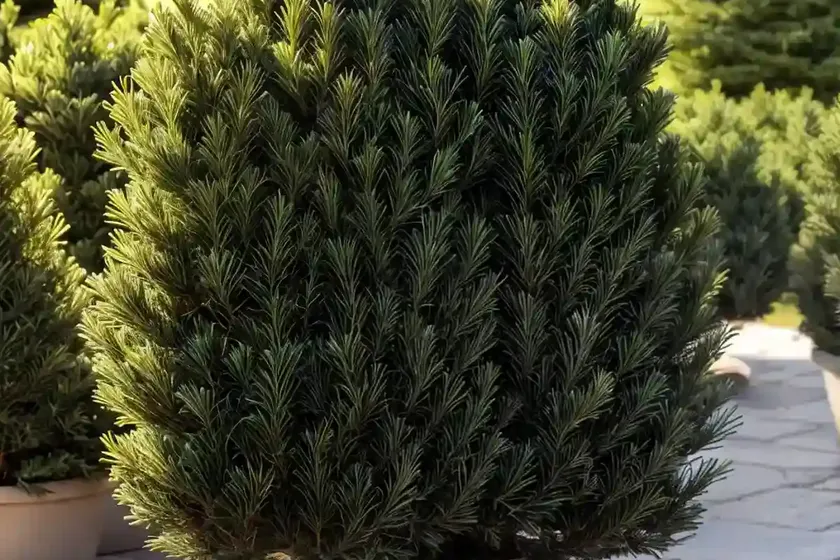

Picea pungens ‘Regal Chub’, popularly known as Colorado Spruce, is a stunning evergreen conifer that is valued for its striking blue-green foliage and elegant shape. This tree species has gained popularity not only for its aesthetic appeal but also for its adaptability to various climates and its multiple uses in landscapes. In this comprehensive guide, we will delve into the characteristics, cultivation, care, and maintenance of Picea pungens ‘Regal Chub’, providing valuable insights for both enthusiasts and professional landscapers.
Key Takeaways – Picea pungens ‘Regal Chub’ (Colorado Spruce)
Before we embark on an in-depth exploration of Picea pungens ‘Regal Chub’, let’s highlight the key takeaways that will be covered in this guide:
- Cultivation: Understanding the ideal growing conditions for Colorado Spruce
- Uses: Exploring the various applications of Picea pungens ‘Regal Chub’ in landscapes
- Water: Guidelines for watering this conifer to ensure optimal growth
- Sunlight: Determining its sunlight requirements for thriving health
- Fertilizer: Nourishing the Colorado Spruce with appropriate fertilization
- Soil: Examining the preferred soil conditions for Picea pungens ‘Regal Chub’
- Pruning: Techniques and timing for maintaining its shape and health
- Propagation: Methods for propagating Colorado Spruce
- Container Cultivation: Insights into growing Picea pungens ‘Regal Chub’ in containers
- Popularity: Understanding the appeal and demand for this conifer in the gardening community
- Common Diseases: Identifying and addressing potential diseases affecting Colorado Spruce
- Common Pests: Recognizing and managing pest infestations
- Botanist’s Tips: Expert recommendations and insights for cultivating Picea pungens ‘Regal Chub’
- Fun Facts: Engaging details and trivia about this remarkable tree
Now, let’s embark on our exploration of Picea pungens ‘Regal Chub’, also known as Colorado Spruce, and unravel the intricacies of this captivating conifer.
What is Picea pungens ‘Regal Chub’ (Colorado Spruce)?
The Picea pungens ‘Regal Chub’, a cultivar of the species Picea pungens, is commonly referred to as the Colorado Spruce. Originating from the western United States, particularly from the Rocky Mountains region, this evergreen conifer has made its mark as a prized ornamental tree in landscaping due to its distinguished bluish-green needles and its ability to thrive in diverse environmental conditions.
Taxonomy and Description
The botanical classification of Picea pungens ‘Regal Chub’ is as follows:
- Kingdom: Plantae
- Phylum: Pinophyta
- Class: Pinopsida
- Order: Pinales
- Family: Pinaceae
- Genus: Picea
- Species: Pungens
- Cultivar: ‘Regal Chub’
Colorado Spruce Characteristics
Picea pungens ‘Regal Chub’ exhibits several distinctive characteristics that set it apart from other conifers. Some of these notable features include:
- Foliage: The needles of Colorado Spruce are arranged in a spiral manner around the branches, showcasing a dazzling powder blue to silvery-blue hue.
- Shape: ‘Regal Chub’ is known for its compact and rounded form, making it an excellent choice for smaller landscapes and gardens.
- Size: The mature size of Picea pungens ‘Regal Chub’ typically ranges from 3 to 5 feet in height, with a slightly wider spread, highlighting its compact nature.
- Growth Rate: This conifer tends to grow at a moderate pace, ensuring steady development without overwhelming the surrounding landscape.
Now that we have gained an introductory understanding of Picea pungens ‘Regal Chub’, let’s proceed to explore the key aspects of its cultivation and care.
Cultivation
Water
Proper watering is crucial for the health and vitality of Picea pungens ‘Regal Chub’. Although Colorado Spruce is recognized for its drought tolerance once established, it still requires consistent moisture, especially during its initial establishment period.
- Establishment Period: For the first 2 years after planting, it is essential to provide regular watering to Picea pungens ‘Regal Chub’. This aids in the development of healthy, robust roots and promotes overall vigor.
- Deep Watering: When watering young Colorado Spruce trees, it is advisable to ensure deep penetration of water, reaching the root zone effectively. This encourages the roots to grow deeply into the soil, enhancing their resilience to drought conditions.
- Watering Frequency: During prolonged dry spells, it is essential to supplement with deep watering, ensuring the soil around the tree remains adequately moist. However, it is important to avoid waterlogging, as Colorado Spruce is susceptible to root rot in waterlogged soil.
Sunlight
Colorado Spruce thrives when provided with ample sunlight, although it also demonstrates a degree of adaptability to partial shade.
- Full Sun: Picea pungens ‘Regal Chub’ flourishes in full sunlight, which typically translates to at least 6 hours of direct sunlight daily. This exposure allows the tree to showcase its stunning bluish hues and maintains its compact, dense growth habit.
- Partial Shade: While Colorado Spruce prefers full sun, it can tolerate partial shade, particularly in hot climatic regions where some respite from intense afternoon sun may be beneficial. However, it is important to ensure that the tree still receives sufficient light to support healthy growth and color development.
Fertilizer
Proper fertilization plays a significant role in sustaining the vigor and lush foliage of Picea pungens ‘Regal Chub’. A balanced and appropriate fertilizer application supports its overall health and promotes steady growth.
- Timing: Fertilize Colorado Spruce in early spring before the onset of new growth to provide essential nutrients for the upcoming growing season.
- Fertilizer Type: Utilize a high-quality, slow-release fertilizer specifically formulated for conifers. This type of fertilizer ensures consistent nutrient availability to the tree over an extended period, promoting uniform growth and lush foliage.
- Application Rate: Follow the manufacturer’s recommendations regarding the application rate, taking into consideration the size and age of the tree. Carefully spread the fertilizer evenly over the root zone, avoiding direct contact with the trunk to prevent potential damage.
Soil
The soil composition and quality significantly impact the health and development of Picea pungens ‘Regal Chub’. Understanding its preferred soil conditions is pivotal for promoting its long-term vitality.
- Well-Drained Soil: Colorado Spruce thrives in well-drained soil that allows excess moisture to escape freely. It is important to avoid heavy, compacted soils that may lead to water stagnation around the root system.
- Soil pH: Picea pungens ‘Regal Chub’ favors slightly acidic to neutral soil pH levels, typically ranging from 6.0 to 7.5. Conducting a soil test can provide valuable insights into the existing pH of the soil, enabling the necessary adjustments for optimal growing conditions.
Pruning
Effective pruning is instrumental in maintaining the desirable shape, density, and health of Picea pungens ‘Regal Chub’. When performed thoughtfully and at the appropriate times, pruning ensures the tree’s longevity and visual appeal.
- Pruning Objectives: Pruning of Colorado Spruce primarily aims to remove dead, diseased, or damaged branches, enhance overall structural integrity, and maintain its compact form.
- Timing: The ideal time for pruning Picea pungens ‘Regal Chub’ is during the dormant season, typically in late winter to early spring before new growth emerges. This timing minimizes stress on the tree and allows ample time for it to recover and generate new growth.
- Techniques: Use sharp, sterilized pruning tools to achieve clean cuts, preventing unnecessary injury to the tree. Trim back any uncharacteristic growth or overcrowded branches, preserving the tree’s natural shape and symmetry.
Propagation
While Picea pungens ‘Regal Chub’ is primarily propagated through grafting in commercial settings, amateur gardeners and enthusiasts may explore alternative propagation methods to cultivate new plants.
- Seeds: Collecting seeds from mature cones of Colorado Spruce presents a viable method for home propagation. Carefully extract the seeds and sow them in well-prepared seed beds, ensuring proper moisture and consistent monitoring of their development.
- Cuttings: Propagation through softwood or hardwood cuttings provides an additional approach. Select healthy, disease-free branches and prepare the cuttings using appropriate techniques, subsequently fostering their growth under controlled conditions.
Container Cultivation
Picea pungens ‘Regal Chub’ exhibits adaptability to container cultivation, making it an appealing choice for individuals with limited garden space or those seeking a versatile ornamental option.
- Container Selection: Choose a spacious container with adequate drainage holes to accommodate the tree’s root system and promote healthy growth.
- Growing Medium: Utilize a well-draining potting mix tailored for conifers to ensure proper aeration and moisture retention.
- Maintenance: Container-grown Colorado Spruce requires regular monitoring of moisture levels, light exposure, and fertilization to support its growth and vitality.
Now that we have discussed the fundamental aspects of cultivating and caring for Picea pungens ‘Regal Chub’, let’s delve into its widespread popularity and the diverse uses it offers in landscaping. Additionally, we will explore common diseases and pests that may affect Colorado Spruce, along with insights from botanists and captivating fun facts about this remarkable conifer.
Popularity
The allure of Picea pungens ‘Regal Chub’ has garnered significant attention and popularity within the realm of ornamental landscapes and garden designs. Its enduring appeal stems from a combination of its distinctive features, adaptability, and numerous landscape applications.
Landscaping Uses
Colorado Spruce finds extensive utilization in various landscape settings, contributing to the visual appeal and functionality of outdoor spaces.
- Specimen Tree: Its compact and rounded form renders Picea pungens ‘Regal Chub’ an ideal specimen tree, serving as a focal point in gardens and landscapes.
- Privacy Screen: When planted in multiples, Colorado Spruce can be deployed as an effective privacy screen or windbreak, providing both aesthetic value and functional benefits.
- Ornamental Borders: The striking blue-green foliage of ‘Regal Chub’ complements ornamental borders and mixed plantings, adding contrast and visual interest to the overall landscape design.
- Rock Gardens: Its compact size and resilient nature make Colorado Spruce an excellent choice for rock gardens, contributing texture and color variation amidst rocky terrain.
Common Diseases
Despite its resilience, Picea pungens ‘Regal Chub’ may be susceptible to certain diseases that can impact its health and visual appeal. Understanding these potential ailments is essential for proactive management and prevention.
Disease Diagnosis
- Cytospora Canker: This fungal disease manifests as sunken lesions on the branches, accompanied by resinous ooze. Cankers caused by Cytospora fungi can lead to branch dieback and overall decline.
- Needle Cast Diseases: Fungal infections such as Rhizosphaera needle cast and Stigmina needle cast can cause browning and premature shedding of needles, affecting the tree’s aesthetic appeal and vigor.
- Root Rot: Excessive moisture and waterlogging in poorly drained soils may contribute to root rot, leading to weakened root systems and overall decline of the tree.
Vigilant monitoring and prompt management practices are pivotal for mitigating the impact of these diseases on Picea pungens ‘Regal Chub’ and preserving its health.
Common Pests
Colorado Spruce is generally resilient to pest infestations; however, certain insects may pose potential threats under specific conditions.
- Spider Mites: These tiny arachnids can cause stippling and discoloration of the needles, potentially leading to stress and reduced vigor in Colorado Spruce.
- Spruce Gall Adelgids: Infestations of these tiny insects can induce the formation of galls on the branches of Picea pungens ‘Regal Chub’, affecting its aesthetics and potentially impeding growth.
Regular scouting for pest activity and adherence to good cultural practices can aid in preventing and managing potential pest issues effectively.
Botanist’s Tips
To gain further insights into the successful cultivation and care of Picea pungens ‘Regal Chub’, let’s draw upon valuable recommendations and tips from experienced botanists and horticultural experts.
- Site Selection: When choosing a location for planting Colorado Spruce, prioritize well-drained sites with good air circulation to minimize the risk of fungal diseases and mold development.
- Soil Preparation: Prepare the planting site by amending the soil with organic matter, ensuring proper drainage and nutrient availability for the tree’s establishment and growth.
- Mulching: Apply a layer of organic mulch around the base of Picea pungens ‘Regal Chub’ to conserve soil moisture, suppress weed growth, and moderate soil temperature fluctuations.
Incorporating these botanist-endorsed tips into your cultivation practices can contribute to the sustained health and vigor of Colorado Spruce in your landscape.
Fun Facts
Exploring the fascinating aspects and trivia associated with Picea pungens ‘Regal Chub’ adds an engaging dimension to appreciating this exceptional conifer’s charm.
- Wildlife Habitat: Colorado Spruce serves as valuable wildlife habitat, providing cover and nesting sites for various bird species and contributing to overall biodiversity in natural ecosystems.
- Seasonal Changes: During the winter months, the bright blue-green foliage of Picea pungens ‘Regal Chub’ stands out, offering a welcome burst of color against the often-muted winter landscape.
- Companion Plants: Pairing Colorado Spruce with vibrant flowering perennials, ornamental grasses, or other evergreen shrubs creates visually appealing and dynamic combinations in garden designs.
Links to External Resources
Featuring links to external resources provides enthusiasts and professionals with access to further information, industry insights, and valuable guidance on Picea pungens ‘Regal Chub’ and related topics.
- American Conifer Society – An organization dedicated to the appreciation and understanding of conifers, offering a wealth of resources and networking opportunities for conifer enthusiasts and professionals.
- National Gardening Association – A comprehensive platform featuring articles, forums, and resources related to gardening, landscaping, and plant care, catering to a diverse audience of gardening enthusiasts and professionals.
- United States Department of Agriculture (USDA) Plant Hardiness Zone Map – Accessing the USDA Plant Hardiness Zone Map assists in determining the appropriate plant selection and cultivation practices based on regional climate and hardiness zone.
These external resources present valuable avenues for expanding one’s knowledge base and honing their expertise in the realm of horticulture, landscape design, and plant care.
Conclusion
Picea pungens ‘Regal Chub’, commonly known as Colorado Spruce, embodies a remarkable blend of aesthetic appeal, adaptability, and functional versatility, making it a compelling choice for landscapes and gardens. By comprehensively exploring its cultivation, care, uses, and associated facets, we have gained a deeper understanding of this captivating conifer. Whether utilized as a focal point in garden designs, a resilient privacy screen, or a cherished ornamental specimen, Colorado Spruce holds a revered place in the world of ornamental trees, perpetuating its enduring charm and significance.
Embracing the unique traits and capabilities of Picea pungens ‘Regal Chub’ and integrating them into landscape designs and horticultural practices enriches outdoor environments and fosters a deeper appreciation for the enduring beauty of nature’s botanical treasures.
The enduring allure and adaptability of Picea pungens ‘Regal Chub’ invite enthusiasts and professionals to further explore its captivating qualities and consider its valuable contributions to diverse landscapes and outdoor spaces. As we continue to revel in the abundance of natural wonders, Colorado Spruce stands as a timeless testament to the resplendent allure and enduring impact of ornamental conifers in gardens and beyond.


