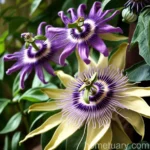
All About Passiflora ‘Party Animal’ (Passion Flower)
Passiflora ‘Party Animal’, commonly known as the Passion Flower, is a mesmerizing and exotic plant that enchants with its vibrant and showy blooms. This plant belongs to the Passifloraceae family and is known for its unique and intricate flowers. In this detailed guide, we will explore everything you need to know about the culture, uses, care, and propagation of the Passiflora ‘Party Animal’. Whether you are a seasoned gardener or a beginner plant enthusiast, this comprehensive guide will provide valuable insights into cultivating and enjoying the beauty of the Passion Flower.
Key Takeaways – Passiflora ‘Party Animal’ (Passion Flower)
Before delving into the specifics of Passiflora ‘Party Animal’, it’s important to highlight some key takeaways about this extraordinary plant.
-
Passiflora ‘Party Animal’ belongs to the Passifloraceae family and is also referred to as the Passion Flower.
-
This plant is known for its beautiful, colorful, and fragrant blooms, making it a popular choice for gardeners seeking ornamental and visually striking plants.
-
The Passion Flower is a hardy vine that can thrive in various climates and is particularly well-suited to tropical and subtropical regions.
-
Aside from its aesthetic appeal, Passiflora ‘Party Animal’ also produces edible fruits, adding to its allure as a multifaceted plant with both ornamental and culinary value.
-
When it comes to care and maintenance, Passion Flowers require adequate water, sunlight, and well-draining soil to thrive.
Now, let’s dive into the intricate details of cultivating and nurturing the captivating Passiflora ‘Party Animal’.
Culture
Uses
Passiflora ‘Party Animal’ is primarily cultivated for its ornamental value due to its striking and colorful blooms. The Passion Flower’s flowers are often described as architectural marvels, exhibiting intricate and unique structures that add a touch of exotic beauty to any garden or landscape. Besides its visual appeal, the plant also bears edible fruits, known as passion fruits, which are used for culinary purposes. The fruits are often enjoyed fresh, juiced, or incorporated into various recipes.
Water
Passion Flowers require regular watering, especially during the growing season. It is essential to keep the soil consistently moist but not waterlogged. During the flowering and fruiting periods, ensuring an adequate water supply is crucial to support healthy fruit development and vibrant blooms. However, it’s important to avoid overwatering, as excessive moisture can lead to root rot and other water-related issues.
Sunlight
Passiflora ‘Party Animal’ thrives in full sunlight, making it essential to provide the plant with at least 6 to 8 hours of direct sunlight daily. In regions with intense or prolonged sunlight exposure, providing partial shade during the hottest part of the day can be beneficial to prevent the plant from experiencing stress or sunburn. Adequate sunlight not only promotes robust growth but also enhances the blooming capacity of the Passion Flower.
Fertilizer
Fertilizing Passion Flowers is recommended to support healthy growth and prolific blooming. A balanced, water-soluble fertilizer with a higher phosphorus content can be beneficial for promoting flowering and fruiting. Fertilizing the plant during the growing season, especially spring and summer, can provide the necessary nutrients for vigorous growth and abundant blooms. It’s essential to follow the recommended application rates and avoid over-fertilization, which can lead to excessive foliage growth at the expense of flowering.
Soil
Passiflora ‘Party Animal’ thrives in well-draining, loamy soil with a slightly acidic to neutral pH range. A soil mix that retains adequate moisture while preventing waterlogging is ideal for cultivating healthy and vibrant Passion Flowers. Additionally, incorporating organic matter, such as compost or aged manure, into the soil can enhance its fertility and structure, providing a conducive environment for the plant’s root development and overall growth.
Pruning
Pruning is an essential aspect of Passiflora ‘Party Animal’ care, contributing to the plant’s health, aesthetics, and blooming capacity. Pruning is typically done in late winter or early spring before the onset of new growth. The following are key objectives and techniques for pruning Passion Flowers:
-
Shape and Size Control: Pruning helps maintain the desired shape and size of the plant, especially when it comes to training it on trellises or supporting structures.
-
Removing Dead or Diseased Growth: Regular pruning allows for the removal of dead, damaged, or diseased branches, promoting overall plant health and vigor.
-
Stimulating Growth and Blooming: Pruning encourages new growth and blooming by removing old, unproductive wood and promoting the development of fresh, flowering shoots.
When pruning Passiflora ‘Party Animal’, it’s important to use clean and sharp pruning tools to make clean cuts. Additionally, proper sterilization of the tools is essential to prevent the spread of diseases.
Propagation
Passion Flowers can be propagated through several methods, including seeds, cuttings, and layering. Each propagation method offers unique advantages and challenges, allowing growers to choose the most suitable approach based on their preferences and resources. Here’s an overview of the propagation methods for Passiflora ‘Party Animal’:
-
Seeds: Propagating through seeds is a viable option for growing new Passion Flower plants. However, it requires patience and careful nurturing, as seeds may take several weeks to germinate. Seeds can be sown directly in the soil or started indoors in containers before being transplanted into the garden.
-
Cuttings: Stem cuttings are a popular and efficient method for propagating Passion Flowers. Selecting healthy, non-flowering stems and rooting them in a suitable rooting medium can yield successful results. By providing adequate moisture and warmth, the cuttings can develop roots and transition into independent plants.
-
Layering: Air layering, also known as marcotting, is another method for propagating Passion Flowers. This technique involves inducing roots to form on a stem while it is still attached to the parent plant. Once the roots have developed, the rooted portion can be separated and planted as an independent plant.
Successful propagation of Passiflora ‘Party Animal’ relies on providing optimal growing conditions, including adequate moisture, warmth, and protection from environmental stressors.
Container Popularity
Passiflora ‘Party Animal’ is well-suited for container gardening, offering versatility and aesthetic appeal in various settings. Container-grown Passion Flowers can be showcased on patios, balconies, or within indoor spaces, bringing their vibrant blooms and lush foliage closer to admirers. The use of containers also allows for easier mobility and maintenance, making it convenient for individuals with limited garden space or those seeking to accentuate specific areas with the plant’s striking presence.
When growing Passiflora ‘Party Animal’ in containers, it’s crucial to select a spacious and well-draining pot to accommodate the plant’s root system while preventing waterlogging. Additionally, providing adequate support, such as a trellis or stake, can help guide the vine’s growth and enhance its decorative appeal.
Container Common Diseases
While container gardening offers various advantages, it is essential to be mindful of potential diseases that can affect Passiflora ‘Party Animal’ when grown in containers. Certain diseases, such as fungal infections and root rot, can arise due to excessive moisture, poor air circulation, or inadequate drainage within the container environment. To mitigate the risk of common container diseases, growers should observe the following preventive measures:
-
Well-Draining Soil: Using a high-quality, well-draining potting mix can reduce the likelihood of water-related diseases and promote optimal root health.
-
Proper Watering: Avoid overwatering and ensure that excess water can drain freely from the container to prevent waterlogged conditions.
-
Air Circulation: Promote adequate air circulation around the plant by positioning the container in an area with good ventilation and airflow.
-
Sterile Environment: Regularly clean and sanitize the container and surrounding areas to minimize the presence of pathogens and pests that can contribute to diseases.
Disease Diagnosis
Detecting and diagnosing diseases affecting Passiflora ‘Party Animal’ is crucial for implementing timely and effective treatments. Some common symptoms and signs of diseases in Passion Flowers include wilting, yellowing or browning of leaves, stunted growth, mold or mildew formation, and abnormal spots or lesions on the foliage. By closely monitoring the plant and identifying any unusual changes or abnormalities, growers can take proactive measures to address potential diseases.
Consulting with a local extension service or a plant health specialist can provide valuable insights into disease diagnosis and treatment specific to the region and the prevailing environmental conditions. Accurate identification of the disease and its underlying causes is essential for implementing targeted and effective control measures to restore the health and vitality of Passion Flowers.
Common Pests
Passion Flowers, including Passiflora ‘Party Animal’, can be susceptible to various pests that may compromise the plant’s health and aesthetic appeal. Common pests that affect Passion Flowers include aphids, spider mites, caterpillars, and whiteflies. To effectively manage and control pests, growers can consider the following integrated pest management practices:
-
Regular Inspection: Routinely inspect the plant for signs of pest infestation, including visible pests, eggs, or damage to the foliage.
-
Natural Predators: Encourage the presence of natural predators, such as ladybugs and lacewings, to help naturally control pest populations in the garden.
-
Horticultural Oils and Soaps: Utilize horticultural oils and insecticidal soaps to target and suppress pest populations while minimizing adverse effects on beneficial insects.
-
Cultural Practices: Implement cultural practices, such as maintaining plant hygiene, removing affected plant parts, and creating physical barriers, to reduce pest pressure and promote a healthy growing environment.
By adopting a holistic approach to pest management, growers can minimize the impact of pests on Passion Flowers while maintaining a balanced and sustainable ecosystem within the garden.
Botanist’s Tips
As a plant scientist with a passion for Passiflora ‘Party Animal’ and botanical expertise, I would like to offer some valuable tips for cultivating and enjoying the beauty of Passion Flowers:
-
Supportive Structures: Providing sturdy and well-anchored support, such as trellises or arbors, is essential for guiding the climbing growth of Passiflora ‘Party Animal’ and enhancing its ornamental impact.
-
Environmental Considerations: Consider the environmental conditions, including temperature, humidity, and sunlight exposure, to optimize the growing environment for Passion Flowers, especially in regions with distinct seasonal variations.
-
Pollinator Attraction: Passion Flowers are known for attracting pollinators, including butterflies and bees. By cultivating these plants, growers can contribute to the conservation of pollinator populations and the biodiversity of the surrounding ecosystem.
-
Thorough Research: Before introducing Passiflora ‘Party Animal’ to your garden, conduct thorough research on the plant’s specific care requirements, growth habits, and any regional considerations to ensure its successful cultivation.
-
Passionate Patience: Cultivating Passion Flowers requires patience, especially when it comes to germination, growth, and flowering. Embrace the journey of nurturing these captivating plants and appreciate the rewarding results they offer over time.
With these insights and recommendations, I hope to inspire fellow gardeners and enthusiasts to embark on a rewarding journey of cultivating and appreciating the allure of Passiflora ‘Party Animal’.
Fun Facts
To further illuminate the charm and appeal of Passiflora ‘Party Animal’, here are some captivating and intriguing fun facts about the Passion Flower:
-
Symbolism: The intricate structure of the Passion Flower holds symbolic significance, with various parts of the flower representing aspects of the crucifixion in Christian theology, leading to its association with religious symbolism.
-
Medicinal Traditions: Throughout history, several Passiflora species have been utilized in traditional medicine, with some being associated with calming and sedative properties due to their alkaloid content.
-
Culinary Delights: The edible fruits of the Passion Flower, known as passion fruits, are not only delectable but are also cherished for their rich flavor and versatility in culinary applications, including beverages, desserts, and sauces.
-
Spiritual Significance: In addition to its religious symbolism, the Passion Flower has been revered for its spiritual and mystical connotations in various cultures, owing to its captivating appearance and historical associations.
-
Botanical Diversity: The Passiflora genus encompasses a wide range of species, showcasing an extraordinary spectrum of colors, shapes, and sizes, reflecting the diversity and beauty of nature.
These fun facts serve to enrich the fascination and appreciation for the captivating Passiflora ‘Party Animal’ and its botanical relatives within the Passiflora genus.
Links to External Resources
For those seeking additional information and in-depth insights into Passiflora ‘Party Animal’ and related topics, the following external resources provide valuable guidance and expertise:
-
Royal Horticultural Society (RHS): Passiflora ‘Party Animal’ Care Guide
-
American Horticultural Society (AHS): Passion Flowers: A Growing Guide
-
University of Florida IFAS Extension: Passion Fruit Growing in the Home Landscape
-
Missouri Botanical Garden: Passion Flower Cultivation and Care
-
Gardening Know How: Passion Flower Diseases and Pests
By exploring these external resources, growers can access comprehensive information, expert recommendations, and practical guidance to enhance their understanding and cultivation of Passiflora ‘Party Animal’ and its captivating attributes.
Conclusion
Passiflora ‘Party Animal’, also known as the Passion Flower, stands as a testament to the captivating beauty and multifaceted appeal of exotic plants. From its vibrant and fragrant blooms to its ornamental and culinary significance, the Passion Flower continues to captivate and inspire admirers and enthusiasts around the world. Through the comprehensive insights and recommendations provided in this guide, individuals can embark on a fulfilling journey of cultivating, caring for, and reveling in the enchanting allure of Passiflora ‘Party Animal’. As we continue to appreciate and celebrate the diverse array of plants available to us, the Passion Flower remains a showstopper in the botanical world, infusing gardens and landscapes with its unrivaled charm and beauty.
With the wealth of knowledge and guidance shared in this guide, I am eager to witness the flourishing of Passiflora ‘Party Animal’ in the gardens and hearts of fellow plant enthusiasts. As we nurture and embrace the natural wonders that surround us, may the allure of the Passion Flower continue to bloom and inspire generations to come.