The Ultimate Guide to Growing Highbush Blueberries (Vaccinium ‘Sunshine Blue’)
Introduction
When it comes to cultivating delicious and nutritious fruits in your garden or backyard, the highbush blueberry (Vaccinium ‘Sunshine Blue’) is a remarkable choice. This popular deciduous shrub not only provides an abundance of tasty blueberries but also offers ornamental value with its attractive foliage and delicate blossoms. To ensure the successful growth and fruiting of your highbush blueberry plant, it’s crucial to understand its specific care requirements and environmental preferences. In this comprehensive guide, we will delve into the essential aspects of cultivating Vaccinium ‘Sunshine Blue’ and provide valuable insights on its culture, maintenance, and management.
What is Highbush Blueberry (Vaccinium ‘Sunshine Blue’)?
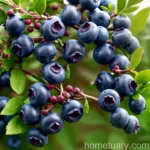
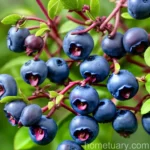
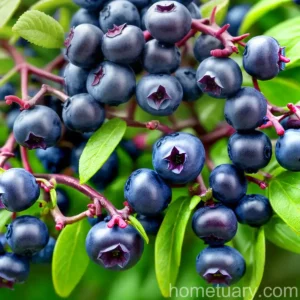
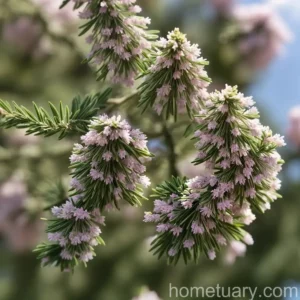
The highbush blueberry, scientifically known as Vaccinium corymbosum ‘Sunshine Blue’, is a cultivated variety of the northern highbush blueberry. It is a member of the Ericaceae family and is renowned for its exceptional fruit quality and abundant harvest. The ‘Sunshine Blue’ cultivar is prized for its compact growth habit, making it an ideal choice for cultivation in both garden beds and containers. With its stunning pink and white flowers in spring, attractive blue-green foliage, and delectable blueberries, this variety adds aesthetic appeal to any landscape while offering a bountiful harvest of flavorful fruits.
Key Takeaways – Highbush Blueberry (Vaccinium ‘Sunshine Blue’)
Before delving into the specifics of caring for and cultivating the highbush blueberry plant, let’s take a look at the key takeaways that will guide our exploration of its culture, uses, and maintenance.
Culture
- The highbush blueberry (Vaccinium ‘Sunshine Blue’) thrives in acidic, well-draining soil with a pH range of 4.5 to 5.5.
- This cultivar is best suited for USDA hardiness zones 5-10, where it can flourish in moderate to warm climates.
- Proper spacing and site selection are critical for promoting healthy growth and abundant fruit production.
Uses
- The blueberries produced by ‘Sunshine Blue’ are prized for their exceptional flavor, making them suitable for fresh consumption, baking, and preservation.
- Beyond its fruit, the highbush blueberry plant offers ornamental appeal, with its foliage adding visual interest to the landscape.
Water
- Consistent moisture is essential for highbush blueberries, particularly during the fruiting season, to promote optimal fruit development and prevent issues such as cracking.
Sunlight
- Vaccinium ‘Sunshine Blue’ thrives in full sun to partial shade, with a minimum of 6-8 hours of direct sunlight per day for robust growth and fruiting.
Fertilizer
- The highbush blueberry plant benefits from a balanced, acidic fertilizer regimen, with an emphasis on nitrogen, phosphorus, and potassium, supplemented by micronutrients.
Soil
- Acidic, well-draining soil with high organic matter content is crucial for the successful cultivation of highbush blueberries.
Pruning
- Regular pruning is essential for managing plant size, promoting airflow, and rejuvenating older wood to stimulate robust fruiting.
Propagation
- ‘Sunshine Blue’ can be propagated through several methods, including hardwood cuttings, softwood cuttings, and division of established plants.
Container Popularity
- The compact growth habit of ‘Sunshine Blue’ makes it well-suited for container cultivation, allowing urban and space-constrained gardeners to enjoy homegrown blueberries.
Container Common Diseases
- Proper container selection, soil management, and adequate drainage are critical for mitigating disease risks in container-grown highbush blueberries.
Disease Diagnosis
- Blueberry rust, powdery mildew, and mummy berry are common diseases that can affect highbush blueberries, necessitating proactive management and preventative measures.
Common Pests
- Insect pests such as blueberry maggot, Japanese beetles, and aphids can pose significant challenges to blueberry cultivation, requiring vigilant pest control strategies.
Botanist’s Tips
- Understanding the biology and growth habits of highbush blueberries is essential for tailoring cultural practices and management techniques to maximize fruit production and plant health.
Fun Facts
- Despite being a compact cultivar, ‘Sunshine Blue’ yields a generous harvest of delectable blueberries, making it a popular choice for home gardeners and commercial growers alike.
Let’s explore each of these aspects in detail to gain a comprehensive understanding of how to cultivate and care for Vaccinium ‘Sunshine Blue’.
Highbush Blueberry Plant Care
Vaccinium ‘Sunshine Blue’ Plant
The Vaccinium ‘Sunshine Blue’ plant is a highly desirable cultivar of highbush blueberries, valued for its compact growth habit, abundant harvest, and ornamental appeal. When cultivating ‘Sunshine Blue’, it’s essential to pay close attention to its specific care requirements to ensure optimal growth, fruiting, and overall plant health. The following sections will outline the essential aspects of highbush blueberry plant care, including soil and environmental preferences, water and nutrient needs, pruning techniques, and pest and disease management strategies.
How to Grow Highbush Blueberries
Cultivating highbush blueberries, particularly the ‘Sunshine Blue’ variety, requires careful attention to the plant’s cultural and environmental needs. Here’s a step-by-step guide to growing Vaccinium ‘Sunshine Blue’ successfully:
Soil
Highbush blueberries, including the ‘Sunshine Blue’ cultivar, thrive in acidic, well-draining soil with a pH range of 4.5 to 5.5. The ideal soil composition for blueberries includes high organic matter content and good aeration, which can be achieved through the addition of peat moss, pine bark, or compost. Prior to planting, it’s vital to conduct a soil test to assess the pH and nutrient levels, allowing for the necessary amendments to create an optimal growing environment for the blueberry bushes.
- To promote healthy root development and moisture retention, work organic matter into the soil prior to planting.
- Mulching with pine bark, pine needles, or wood chips can aid in maintaining soil acidity and moisture while suppressing weed growth.
Water
Proper watering is critical for the success of highbush blueberries, including the ‘Sunshine Blue’ variety. Consistent moisture, particularly during the fruiting season, is essential to support fruit development and prevent issues such as cracking. While blueberries require adequate hydration, waterlogged conditions should be avoided to prevent root rot and other moisture-related problems.
- Maintain consistent soil moisture, ensuring that the root zone remains evenly moist but not waterlogged.
- Adjust irrigation frequency based on weather conditions, aiming to provide 1-2 inches of water per week during the growing season.
Sunlight
Highbush blueberries, including Vaccinium ‘Sunshine Blue’, thrive in full sun to partial shade. A minimum of 6-8 hours of direct sunlight per day is essential for robust growth, fruiting, and the development of flavorful berries. While blueberries can tolerate partial shade, optimal sunlight exposure is conducive to maximizing yields and fruit quality.
- Select a planting location that receives ample sunlight, particularly morning sun, to promote healthy growth and abundant fruiting.
Fertilizer
Blueberries, including the ‘Sunshine Blue’ variety, have specific fertilizer requirements that cater to their acidic soil preference and nutrient needs. A balanced, acidic fertilizer formulated for acid-loving plants is recommended, with an emphasis on nitrogen, phosphorus, and potassium, supplemented by essential micronutrients such as iron and manganese. Unlike many other fruit-bearing plants, blueberries are sensitive to excessive nitrogen, making it crucial to apply fertilizers judiciously to prevent adverse effects on plant health and fruit quality.
- Apply a balanced, acidic fertilizer in early spring before new growth emerges, following the recommended rates based on soil test results and plant age.
- Incorporate organic amendments such as compost, coffee grounds, or cottonseed meal to provide a slow-release source of nutrients and improve soil structure.
Pruning
Pruning is an integral aspect of highbush blueberry maintenance, serving multiple purposes, including size management, airflow promotion, and fruiting enhancement. For ‘Sunshine Blue’ and other highbush blueberries, regular pruning is essential to remove dead or diseased wood, rejuvenate older canes, and maintain an open, productive growth habit. Additionally, pruning facilitates the removal of competing shoots and weak growth to concentrate the plant’s energy on fruit production and the development of robust branches.
- Conduct annual pruning in late winter to early spring before the onset of new growth, carefully removing damaged, crossing, or unproductive branches.
- Use sterilized pruning tools to minimize the risk of disease spread and ensure clean, precise cuts to encourage rapid healing.
Propagation
The ‘Sunshine Blue’ variety of highbush blueberries can be propagated through various methods, allowing growers to expand their blueberry patch or share plants with fellow gardening enthusiasts. While blueberries can be propagated through seeds, this approach is not commonly used due to the extended time it takes to grow fruit-bearing plants from seeds. Instead, vegetative propagation methods such as hardwood cuttings, softwood cuttings, and division of mature plants are favored for their reliability and efficiency.
- Harden off hardwood cuttings in late summer to early fall, and plant them in a well-prepared bed or container to encourage root development.
- Softwood cuttings can be taken during the spring or early summer, promptly placed in a rooting medium, and provided with consistent moisture and humidity to promote successful establishment.
Container Cultivation
The compact growth habit of ‘Sunshine Blue’ makes it an excellent candidate for container cultivation, allowing gardeners with limited space or urban environments to enjoy homegrown blueberries. When growing highbush blueberries in containers, attention to soil, water, sunlight, and fertilization is crucial to ensure the plants’ health and productivity. Proper container selection, sufficient drainage, and regular maintenance are essential components of successful container cultivation of highbush blueberries.
- Choose a large, sturdy container with ample drainage holes and a capacity of at least 15-20 gallons to accommodate the mature size of the blueberry plant.
- Use a well-draining, acidic potting mix formulated for acid-loving plants, supplemented with organic matter to enhance moisture retention and nutrient availability.
Popularity
The ‘Sunshine Blue’ variety of highbush blueberries has gained widespread popularity among home gardeners and commercial growers alike due to its numerous favorable attributes. Its compact growth habit, exceptional fruit quality, and ornamental appeal make it a sought-after choice for those seeking to cultivate blueberries in diverse settings, from traditional garden beds to urban balconies and patios. The popularity of ‘Sunshine Blue’ stems from its adaptability, reliability, and ability to yield a bountiful harvest of delectable blueberries, making it an ideal addition to any edible landscape.
Common Diseases
Highbush blueberries, including the ‘Sunshine Blue’ variety, are susceptible to several diseases that can affect plant health and fruit quality if left unmanaged. Understanding the symptoms, causes, and preventative measures for common blueberry diseases is essential for safeguarding the plants and promoting successful cultivation. The following diseases are among the most prevalent concerns for highbush blueberries:
Disease Diagnosis
Blueberry Rust
Blueberry rust, caused by the fungal pathogen Thekopsora minima, is characterized by orange-yellow lesions on the upper leaf surface and corresponding raised spore-producing structures on the lower leaf surface. The disease can lead to defoliation and reduced fruit quality if not addressed promptly. To manage blueberry rust, implementing cultural practices such as proper spacing, air circulation, and leaf debris removal, in addition to selective fungicide applications, is essential for mitigating disease impact.
Powdery Mildew
Powdery mildew, caused by the fungus Podosphaera clandestina, manifests as a powdery white growth on the upper leaf surface, accompanied by leaf distortion and reduced vigor. Providing adequate air circulation, maintaining optimal soil moisture, and employing fungicidal treatments when necessary are pivotal for preventing and managing powdery mildew in highbush blueberries.
Mummy Berry
Mummy berry, caused by the fungus Monilinia vaccinii-corymbosi, poses a significant threat to blueberry production by inducing fruit rot and shoot dieback. The disease cycle involves the production of overwintering spore structures that can infect emerging buds, leading to the formation of mummified, shriveled berries. Coordinating cultural practices, such as routine pruning, sanitation, and fungicidal applications during critical growth stages, is crucial for managing mummy berry and minimizing its impact on blueberry crops.
Common Pests
In addition to diseases, highbush blueberries are vulnerable to a range of insect pests that can compromise plant health and negatively impact fruit production. Identifying and implementing targeted pest management strategies are essential for preserving the vitality and productivity of Vaccinium ‘Sunshine Blue’. The following pests are among the most prevalent threats to highbush blueberries:
Blueberry Maggot
The blueberry maggot, characterized by its small white maggots and puncture wounds on fruit, poses a significant threat to blueberry crops. Monitoring for adult fly activity, installing physical barriers, and applying targeted insecticidal treatments are effective measures for managing and controlling blueberry maggot infestations.
Japanese Beetles
Japanese beetles are notorious for their voracious appetite and ability to defoliate plants, posing a substantial risk to blueberry foliage and overall plant health. Employing integrated pest management strategies, such as handpicking, biological controls, and selective insecticide applications, can help mitigate the impact of Japanese beetles on highbush blueberries.
Aphids
Aphids are common sap-feeding insects that can colonize blueberry plants, causing leaf distortion, aphid honeydew accumulation, and reduced plant vigor. Implementing cultural practices, such as regular scouting, natural predator conservation, and the targeted application of insecticidal soaps or oils, is crucial for managing aphid populations and minimizing their negative effects on blueberry plants.
Botanist’s Tips
As a horticulturist or home gardener, understanding the finer details of highbush blueberry biology and cultural requirements is crucial for implementing effective management practices and promoting successful cultivation. The following tips offer valuable insights and practical guidance for growing Vaccinium ‘Sunshine Blue’ and other highbush blueberry varieties:
Soil pH Management
Maintaining the appropriate soil pH is paramount for highbush blueberries, as their preference for acidic conditions directly influences nutrient availability and overall plant health. Regular soil testing and the application of acidifying amendments, such as elemental sulfur or acidifying fertilizers, are essential for managing soil pH and creating an optimal growing environment for blueberries.
Pruning Techniques
Employing well-informed pruning techniques is instrumental in shaping the growth and productivity of highbush blueberries. By selectively removing older wood, adjusting plant size, and promoting airflow within the canopy, prudent pruning practices contribute to increased fruit quality and the overall vigor of the blueberry plants.
Understanding Pollination Needs
While highbush blueberries are self-pollinating, the presence of pollinators, such as bees, can significantly enhance fruit set and yield. Promoting a biodiverse and pollinator-friendly garden environment can foster improved pollination and fruit development in ‘Sunshine Blue’ and other highbush blueberry cultivars.
Fun Facts
- The ‘Sunshine Blue’ variety, despite its compact size, yields a remarkable harvest of flavorful blueberries, making it a top choice for gardeners seeking a productive and visually appealing fruiting shrub.
- The blue-green foliage of ‘Sunshine Blue’ transitions to vivid shades of red and purple in the fall, adding seasonal interest to the landscape beyond the fruiting season.
- ‘Sunshine Blue’ is renowned for its exceptional ornamental value, making it a versatile addition to both edible and decorative gardens, harmoniously combining aesthetic appeal and practical benefits.
Now that we’ve explored the essential aspects of growing and maintaining Vaccinium ‘Sunshine Blue’, it’s time to discover external resources and additional information to enhance our understanding and appreciation of this exceptional highbush blueberry variety.
Links to External Resources
Plant Name: “Highbush Blueberry (Vaccinium ‘Sunshine Blue’)”
To further expand your knowledge and skills in cultivating highbush blueberries, explore the following external resources:
- University of Georgia Extension: Home Garden Blueberries
- Oregon State University Extension Service: Growing Blueberries in Your Home Garden
- The American Phytopathological Society: Compendium of Blueberry and Cranberry Diseases
- National Gardening Association: Blueberries
- The Ohio State University Extension: Blueberry Cultivars for Ohio
- University of Maryland Extension: Blueberries
By delving into these reputable resources, you can gain valuable insights, expert guidance, and practical recommendations for successfully growing and enjoying the delectable fruits of Vaccinium ‘Sunshine Blue’ and other highbush blueberry varieties.
Conclusion
Cultivating highbush blueberries, particularly the ‘Sunshine Blue’ variety, is a rewarding venture that combines flavorful harvests, ornamental appeal, and practical versatility. By understanding the specific cultural and environmental needs of Vaccinium ‘Sunshine Blue’, from soil and water management to pruning and pest control, you can unlock the full potential of this exceptional fruiting shrub. As you embark on your journey of growing and enjoying ‘Sunshine Blue’ blueberries, remember to cherish the unique traits and attributes of this cultivar, from its compact growth habit to its vibrant foliage and bountiful harvest. With a commitment to best practices and a deep appreciation for the beauty and bounty of highbush blueberries, you can cultivate a thriving, fruitful garden that celebrates the remarkable qualities of Vaccinium ‘Sunshine Blue’.
The blog post provides a comprehensive guide to growing and caring for highbush blueberries, particularly the ‘Sunshine Blue’ variety. It covers a wide range of topics, including soil, water, sunlight, fertilizer, pruning, propagation, container cultivation, common diseases, and pest management, while also offering valuable insights from a botanist’s perspective and sharing fun facts about the plant. The content includes links to reputable external resources for further exploration and learning.