Blueberry (Vaccinium ‘Northblue’): A Complete Guide
Whether you are a seasoned gardener or a beginner looking to grow your own fruity delight, the blueberry (Vaccinium ‘Northblue’) is an excellent choice for your garden. In this comprehensive guide, we will explore the culture, uses, care, and maintenance of the Northblue blueberry variety. From planting to harvest, and everything in between, this article will provide you with all the essential information you need to successfully cultivate and enjoy this delightful berry.
What is Blueberry (Vaccinium ‘Northblue’)?
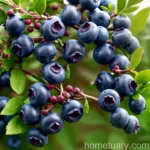
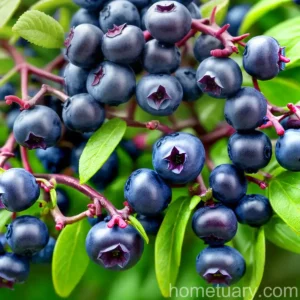
Blueberries (Vaccinium) are perennial flowering plants that belong to the genus Vaccinium. The ‘Northblue’ variety is a cultivar specifically bred for cold hardiness and compact growth, making it an ideal choice for colder climates and container gardening. Known for its abundant fruit production, early ripening, and ornamental value, the Northblue blueberry is a popular choice among gardeners.
Key Takeaways
Before we delve into the detailed aspects of the blueberry (Vaccinium ‘Northblue’), let’s take a look at some key takeaways:
- Plant Name: Blueberry (Vaccinium ‘Northblue’)
- Species: Vaccinium
- Variety: ‘Northblue’
- Cultivation Range: Suitable for cold climates
- Use: Ornamental and edible berry production
- Growth Habit: Compact and bushy
Now, let’s explore the various aspects of the blueberry (Vaccinium ‘Northblue’) in detail.
Culture
Uses
The blueberry (Vaccinium ‘Northblue’) serves both ornamental and practical purposes in garden landscapes.
- Ornamental Value: In addition to providing a bountiful harvest, the Northblue blueberry’s delicate white flowers in spring and brilliant red foliage in the fall make it a beautiful addition to any garden.
- Edible Berries: The primary appeal of cultivating the Northblue blueberry is, of course, its delicious and nutritious berries. Whether eaten fresh, used in baking, or preserved for later use, the berries bring a burst of flavor and health benefits to your table.
Water
Proper watering is essential for the growth and productivity of the blueberry (Vaccinium ‘Northblue’).
- Established Plants: Blueberries require approximately 1 to 2 inches of water per week, either from rainfall or irrigation.
- Soil Moisture: The soil should be consistently moist but well-draining. Avoid waterlogged conditions, as this can lead to root rot and other diseases.
Sunlight
Adequate sunlight is crucial for the healthy development and fruiting of the Northblue blueberry.
- Sun Exposure: Blueberries thrive in full sun, requiring a minimum of 6-8 hours of direct sunlight each day.
- Shade Tolerance: While they prefer full sun, blueberries can tolerate some shade, but this may lead to reduced fruit production.
Fertilizer
Proper fertilization supports the growth and fruiting of the blueberry (Vaccinium ‘Northblue’).
- Acidic Fertilizer: Blueberries require an acidic soil pH (4.5-5.5) and prefer fertilizers formulated for acid-loving plants.
- Fertilization Schedule: Apply a balanced fertilizer designed for acid-loving plants in early spring before new growth begins, and again in late spring.
Soil
The right soil conditions are crucial for the health and productivity of the Northblue blueberry.
- Acidic Soil: Blueberries thrive in acidic soil with a pH between 4.5 and 5.5.
- Soil Composition: Well-draining, organic-rich soil with good moisture retention is ideal for blueberries. Sandy loam or loamy soils are suitable for cultivation.
Pruning
Proper pruning helps maintain the health, shape, and productivity of the blueberry (Vaccinium ‘Northblue’).
- Timing: Prune blueberries during late winter or early spring while the plants are still dormant.
- Maintenance Pruning: Remove dead, damaged, or diseased wood, as well as any weak or crossing branches to maintain an open, healthy structure.
- Fruiting Wood: Prune to encourage new growth and remove older wood to stimulate the production of new fruiting branches.
Propagation
Blueberries can be propagated through various methods, including cuttings and layering.
- Softwood Cuttings: Take softwood cuttings from healthy, disease-free plants during the growing season, and root them in a suitable propagation medium.
- Layering: Encourage low-hanging branches to root by burying a section of the branch in the soil while still attached to the parent plant.
Container Popularity
Growing blueberries in containers has gained popularity due to their compact growth habit and adaptability.
- Compact Varieties: ‘Northblue’ and other compact blueberry varieties are well-suited for container cultivation, making them a space-saving option for patios, balconies, and small gardens.
- Soil and Container Type: Use a well-draining, acidic potting mix and containers with adequate drainage holes to ensure healthy growth.
Common Diseases
Blueberries are susceptible to certain diseases, and proper care can help prevent and manage these issues.
- Fungal Diseases: Common fungal diseases affecting blueberries include Botrytis blight, anthracnose, and mummy berry, which can be managed through proper sanitation and fungicidal treatments.
- Bacterial Diseases: Bacterial leaf scorch and crown gall are bacterial diseases that can affect blueberries, and preventive measures such as pruning and maintaining plant health can help reduce the risk.
Disease Diagnosis
Early detection of diseases is essential for effective management and control.
- Symptom Identification: Learn to identify common disease symptoms such as leaf spots, wilting, or unusual discoloration, and take prompt action.
- Professional Consultation: In case of severe or unidentifiable symptoms, seek the assistance of a plant health specialist for accurate diagnosis and treatment recommendations.
Common Pests
Blueberries can fall prey to various pests, but proper monitoring and management can help protect the plants.
- Insect Pests: Common insect pests that affect blueberries include aphids, fruitworms, and mites, which can be controlled through biological, cultural, or chemical means.
- Birds and Wildlife: Netting and other physical barriers can help protect ripening berries from birds and other wildlife.
Botanist’s Tips
Some additional tips for successfully growing and enjoying the blueberry (Vaccinium ‘Northblue’) include:
- Pollination: Blueberries are self-pollinating, but planting multiple varieties can improve fruit set and yield.
- Mulching: Apply a thick layer of organic mulch around blueberry plants to conserve moisture, suppress weeds, and maintain a cool root environment.
- Harvesting: Monitor the ripening of blueberries and harvest them at their peak flavor and sweetness for the best culinary experience.
Fun Facts
To further pique your interest in the blueberry (Vaccinium ‘Northblue’), here are some fascinating fun facts:
- Blueberries are often hailed as a superfood due to their high antioxidant content and numerous health benefits.
- The blueberry is the official state fruit of Maine and is celebrated with an annual festival in the state.
Links to External Resources
For additional information about blueberries, their cultivation, and care, consider exploring the following resources:
- University of Maine – Cooperative Extension: Growing Blueberries in Maine
- North Carolina State University – Blueberries
- Rutgers New Jersey Agricultural Experiment Station: Blueberries
In conclusion, the blueberry (Vaccinium ‘Northblue’) offers an array of benefits, from its delectable berries to its ornamental value and cold-hardy nature. Whether you’re a gardening enthusiast or simply a fan of fresh, homegrown produce, the Northblue blueberry is a delightful addition to any garden. By following the guidelines outlined in this comprehensive guide, you can successfully cultivate and enjoy the fruits of this remarkable plant. Happy gardening!