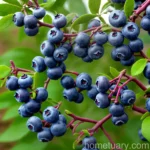
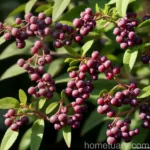
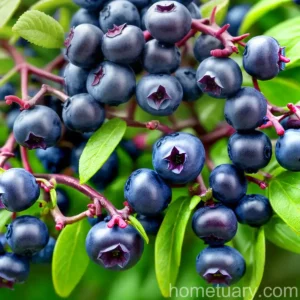
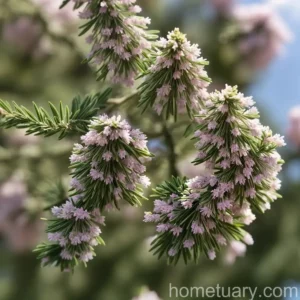
Highbush Blueberry (Vaccinium corymbosum ‘Nelson’)
Highbush blueberries, scientifically known as Vaccinium corymbosum ‘Nelson’, are delightful, productive shrubs that have gained popularity for both their delicious fruit and their ornamental value. In this comprehensive guide, we will delve into the various aspects of highbush blueberries, including their culture, uses, care requirements, common diseases, pests, and much more. By the end of this article, you will have a thorough understanding of how to cultivate and maintain highbush blueberries, ensuring a bountiful harvest and healthy plants.
What is a Highbush Blueberry (Vaccinium corymbosum ‘Nelson’)
Highbush blueberries belong to the Vaccinium family and are known for their sweet, juicy berries, which are not only delectable but also packed with essential nutrients and antioxidants. The ‘Nelson’ variety, in particular, is celebrated for its robust growth habit and excellent fruit quality. These deciduous shrubs typically reach a height and spread of 5 to 7 feet, making them ideal for home gardens as well as commercial production.
Key Takeaways – Highbush Blueberry (Vaccinium corymbosum ‘Nelson’)
Before we delve into the intricacies of highbush blueberry care and cultivation, let’s explore the key takeaways about this intriguing plant.
- Botanical Name: Vaccinium corymbosum ‘Nelson’
- Common Name: Highbush Blueberry
- Plant Type: Deciduous shrub
- Fruit Type: Berries
- Growth Habit: Upright, spreading
- Mature Size: 5 to 7 feet in height and spread
- Hardiness Zones: 3 to 7
- Exposure: Full sun
- Soil Preferences: Well-draining, acidic soil
- Uses: Fresh consumption, culinary purposes, landscaping
- Notable Feature: Ornamental foliage and delicious berries
- Common Pests: Blueberry maggot, Japanese beetles, mites
- Common Diseases: Anthracnose, powdery mildew, mummy berry
Now that we have an overview of the highbush blueberry ‘Nelson’, let’s dive into the detailed aspects of its culture, uses, maintenance, and potential challenges.
Culture
Understanding the cultural requirements of highbush blueberries is crucial for their successful growth and fruit production. From suitable growing conditions to proper maintenance, here’s what you need to know to ensure the optimal development of these exceptional shrubs.
Water
Proper watering is essential for the health and productivity of highbush blueberries. These plants require consistently moist soil, especially during the fruit development stage. Inadequate moisture can lead to shriveled berries and reduced yield. It’s important to provide approximately 1 to 2 inches of water per week, either through rainfall or supplemental irrigation. Mulching around the base of the plant can help retain soil moisture and reduce water stress during dry periods.
Sunlight
Highbush blueberries thrive in full sun, requiring at least 6 to 8 hours of direct sunlight daily for optimal growth and fruit production. Adequate sun exposure ensures the development of flavorful berries and promotes overall plant vigor. When selecting a planting site, prioritize areas with ample sunlight to support the healthy growth of these fruit-bearing shrubs.
Fertilizer
The nutritional requirements of highbush blueberries, including the ‘Nelson’ variety, are largely determined by the soil pH and existing nutrient levels. These plants prefer acidic soil with a pH range of 4.5 to 5.5. It’s recommended to perform a soil test to assess the pH and nutrient composition before applying fertilizers. Generally, a balanced acidic fertilizer formulated for acid-loving plants can be used in early spring and early summer. Additionally, organic matter such as compost or well-rotted pine bark can be incorporated into the soil to enhance fertility and texture.
Soil
Highbush blueberries, including the ‘Nelson’ variety, thrive in well-draining, acidic soil with high organic matter content. The ideal soil structure is loamy, moisture-retentive, and enriched with organic materials. While these plants are adaptable to different soil types, they perform best in acidic soils with a pH of 4.5 to 5.5. It’s essential to perform a soil test to assess the pH and make necessary amendments to create an optimal growing environment for highbush blueberries.
Pruning
Pruning is a vital aspect of highbush blueberry maintenance, contributing to improved air circulation, light penetration, and fruit production. Proper pruning helps in removing dead or diseased wood, stimulating new growth, and shaping the plant for enhanced aesthetics and fruiting. Though the specific pruning techniques may vary for different varieties, the ‘Nelson’ highbush blueberry benefits from regular pruning to maintain vigor and productivity. Pruning is typically performed during the dormant season, and the removal of older canes is recommended to encourage new shoot development.
Propagation
Highbush blueberries, such as the ‘Nelson’ variety, can be propagated through various methods, including hardwood cuttings, softwood cuttings, and division. Hardwood cuttings are taken during the dormant season, while softwood cuttings are harvested from actively growing shoots in spring and early summer. Division involves separating and replanting sections of established blueberry plants to create new specimens. Propagation allows for the multiplication of desirable traits and the expansion of blueberry plantings.
Container Popularity
The ‘Nelson’ highbush blueberry is a popular choice for container gardening due to its compact size, ornamental appeal, and productivity. Growing highbush blueberries in containers provides the flexibility to create a portable fruit garden, particularly suitable for urban and small-space environments. When selecting containers, opt for large, sturdy pots with adequate drainage holes, and use high-quality acidic potting soil. Container-grown blueberries require regular monitoring of moisture levels and may need more frequent watering compared to plants in the ground.
Now that we have covered the essential cultural aspects of highbush blueberries, let’s explore their uses and applications.
Uses
Highbush blueberries, exemplified by the ‘Nelson’ variety, offer a multitude of uses and benefits beyond their delectable fruit. From culinary applications to ornamental value, these versatile shrubs have much to offer in various settings.
Culinary Purposes
One of the primary uses of highbush blueberries is for their delicious, flavorful fruit, which can be enjoyed fresh, frozen, or in a wide range of culinary creations. Blueberries are popular in baked goods, jams, jellies, syrups, smoothies, and as a topping for cereals and desserts. Their sweet-tart flavor and nutritional profile make them a sought-after ingredient in both sweet and savory dishes.
Landscaping
In addition to their culinary value, highbush blueberries, including the ‘Nelson’ variety, are utilized for their ornamental appeal in landscaping and garden design. These shrubs feature attractive foliage, delicate pink and white blossoms in spring, and vibrant fall foliage, adding visual interest throughout the seasons. When planted en masse or as a hedge, they contribute to a charming landscape with the added benefit of providing a bountiful harvest of berries.
Medicinal Properties
Blueberries are renowned for their high antioxidant content, contributing to their reputation as a “superfood” with potential health benefits. They are rich in vitamins, particularly vitamin C and vitamin K, and contain various phytochemicals that have been associated with numerous health-promoting effects. Consumption of blueberries has been linked to improved cognitive function, heart health, and overall well-being.
With an understanding of the cultural requirements and uses of highbush blueberries, it’s essential to address the potential challenges in the form of diseases and pests that may affect these plants.
Common Diseases
Highbush blueberries, including the ‘Nelson’ variety, are susceptible to several diseases that can hinder their growth and fruit production if left unmanaged. Familiarizing yourself with these common diseases and their symptoms is crucial for timely intervention and effective disease management.
Disease Diagnosis
-
Anthracnose: Identified by small, sunken lesions on berries, twigs, and leaves, often surrounded by a purplish border. As the disease progresses, the lesions may become larger and coalesce, leading to extensive damage.
-
Powdery Mildew: Manifests as a white, powdery growth on the upper surfaces of leaves, which can distort leaf development and reduce photosynthetic efficiency. Severe infestations may cause premature leaf drop and reduced fruit quality.
-
Mummy Berry: Characterized by the development of pale green or white fungal growth on infected flowers and developing fruit. As the disease advances, the berries become hardened, shriveled, and mummified, often remaining attached to the plant.
Understanding the symptoms and signs of these common diseases is crucial for implementing appropriate control measures.
Common Pests
In addition to diseases, highbush blueberries, including the ‘Nelson’ variety, are susceptible to pest infestations that can compromise plant health and fruit quality. Effective pest management involves early detection, monitoring, and the application of suitable control methods.
Blueberry Maggot
The blueberry maggot, a type of fruit fly, can inflict damage by laying eggs in developing berries, leading to the formation of discolored, infested fruit. Monitoring the presence of adult flies, utilizing yellow sticky traps, and practicing proper sanitation are essential for managing this pest.
Japanese Beetles
Japanese beetles are notorious for feeding on blueberry foliage, causing skeletonization and defoliation. Handpicking, the use of pheromone traps, and the application of neem oil or insecticidal soap can help control Japanese beetle populations.
Mites
Spider mites and other mite species can infest blueberry plants, resulting in stippled, discolored leaves and reduced vigor. Regular inspection of the undersides of leaves, along with the application of miticides or horticultural oil, can aid in mitigating mite infestations.
By being vigilant and proactive in pest monitoring and management, you can minimize the impact of these pests on highbush blueberry health and productivity.
Botanist’s Tips
As a botanist specializing in highbush blueberries, I’ve compiled a set of expert tips to optimize the cultivation and care of these remarkable plants. These tips encompass various aspects, from planting and maintenance to pest and disease management.
-
Acidic Soil Management: Ensure the soil pH is within the optimal range of 4.5 to 5.5 by amending with elemental sulfur or acidic fertilizers. Regular monitoring of soil pH and implementing necessary amendments is crucial for blueberry health.
-
Cross-Pollination Benefits: Consider planting multiple highbush blueberry varieties to promote cross-pollination and enhance fruit set, leading to a more abundant harvest. Choosing compatible varieties that bloom at the same time is key for successful cross-pollination.
-
Pruning for Productivity: Engage in regular pruning to remove older canes, thin out crowded growth, and promote new shoot development. Proper pruning enhances light penetration and airflow within the canopy, leading to improved fruit quality and yield.
-
Integrated Pest Management: Embrace integrated pest management practices, which involve a combination of cultural, mechanical, and biological control methods to manage pests while minimizing reliance on chemical pesticides. This approach supports a balanced and sustainable ecosystem in the garden or orchard.
-
Disease-Resistant Varieties: When planning new plantings, explore disease-resistant highbush blueberry varieties such as ‘Chandler’, ‘Bluecrop’, or ‘Duke’. Selecting disease-resistant cultivars can help reduce the impact of common blueberry diseases and promote plant health.
Now, let’s delve into a few fun facts about highbush blueberries that highlight their unique characteristics and fascinating attributes.
Fun Facts
-
Wild Blueberry Origins: The highbush blueberry is a cultivated variety derived from wild, lowbush blueberries (Vaccinium angustifolium) native to North America. A significant portion of wild blueberries are still harvested from their natural habitat today.
-
Blueberry Pollinators: Blueberries, including the ‘Nelson’ variety, rely on pollinators such as bees for successful fruit production. Encouraging native bee populations through the creation of habitat and the limitation of pesticide use is beneficial for blueberry orchards and gardens.
-
Blueberry Harvest Season: Depending on the variety and growing conditions, highbush blueberries typically ripen for harvest in mid to late summer, offering a delectable bounty for growers and enthusiasts.
-
Blueberry Color Variations: Blueberries come in various shades, including blue, purple, and even a whitish-gray “haze” on certain cultivars. The color variations reflect the diverse genetic makeup and antioxidant composition of different blueberry varieties.
With these intriguing facts and practical advice in mind, let’s take a look at valuable external resources where you can find additional information, guidance, and support for highbush blueberry cultivation and utilization.
Links to External Resources
- University of Maine Cooperative Extension – Growing Highbush Blueberries
- North Carolina State University – Highbush Blueberry Production Guide
- Penn State Extension – Blueberry Pest Management
- University of Florida – Blueberry Planting Guide
- The United States Highbush Blueberry Council
These resources offer a wealth of knowledge, research-based recommendations, and practical insights into highbush blueberry cultivation, care, and management.
In conclusion, the ‘Nelson’ highbush blueberry, with its delightful fruit, ornamental charm, and adaptability, is a remarkable addition to home gardens, commercial orchards, and landscaping projects. By understanding the unique characteristics of this blueberry variety and implementing best practices for its cultivation and maintenance, you can reap the rewards of a thriving and fruitful blueberry planting.
As a plant scientist and enthusiast, my goal is to share valuable insights and expertise to empower individuals and growers in their plant-related endeavors. If you have further questions or would like to explore additional topics related to highbush blueberries or other plant species, feel free to reach out for personalized guidance and advice.
I hope this in-depth guide has equipped you with the knowledge and inspiration to foster vibrant and productive highbush blueberries in your own garden or orchard. Happy planting and happy harvesting!