Lingonberry (Vaccinium Vitis-idaea)
Lingonberries, scientific name Vaccinium vitis-idaea, are small, red berries native to the boreal forest regions of the Northern Hemisphere, including.
Introduction
Lingonberries, scientific name Vaccinium vitis-idaea, are small, red berries native to the boreal forest regions of the Northern Hemisphere, including North America, Europe, and Asia. These berries are well-known for their tartness and are often used in culinary applications, traditional medicine, and even folklore. In this comprehensive guide, we will delve into the various aspects of the lingonberry plant, including its characteristics, cultural significance, uses, and much more. Whether you are interested in growing lingonberries at home, learning about their medicinal properties, or exploring their ecological importance, this guide has got you covered.
What is the Lingonberry (Vaccinium vitis-idaea)?
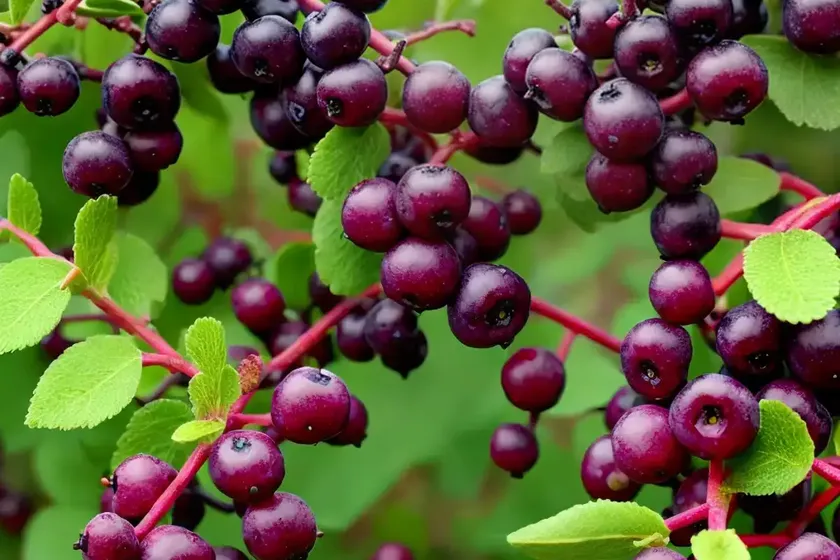
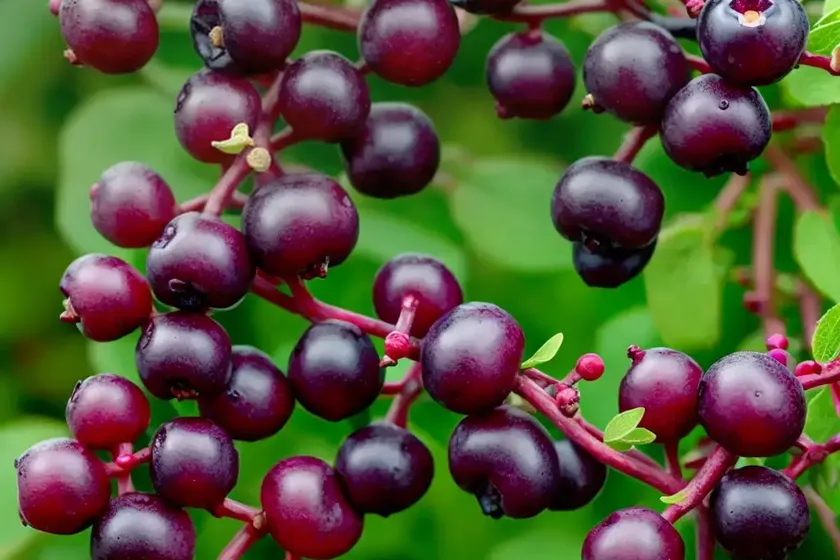
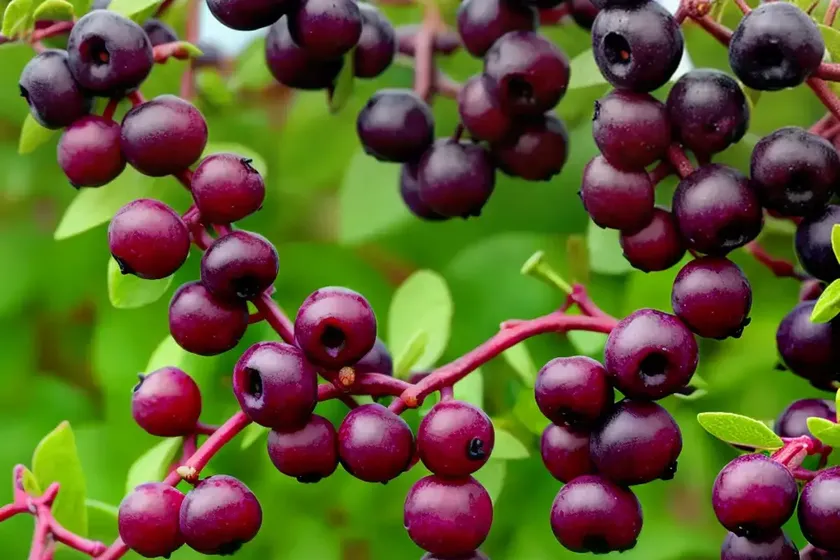
Lingonberry, also known as mountain cranberry or cowberry, is a perennial evergreen shrub belonging to the Vaccinium genus. This plant typically grows to about 20 cm (8 inches) in height and is characterized by its bright red, round berries and small, leathery leaves. The berries are quite acidic and are often compared to cranberries but with a slightly milder flavor. Lingonberries are commonly found growing in acidic, well-drained soils in forested areas, and they have a significant ecological role in these ecosystems.
Now, let’s explore the various aspects of the lingonberry plant in detail, including its cultural significance, uses, cultivation requirements, common diseases and pests, and much more.
Key Takeaways – Lingonberry (Vaccinium vitis-idaea)
Culture
- Scientific Name: Vaccinium vitis-idaea
- Common Names: Lingonberry, mountain cranberry, cowberry
- Plant Type: Perennial evergreen shrub
- Growth Habit: Low-growing, spreading
- Native Range: Northern Hemisphere (North America, Europe, and Asia)
- Ecological Role: Important food source for wildlife in boreal forests
Uses
- Culinary Uses: Jams, jellies, sauces, beverages, baked goods
- Traditional Medicine: Folk remedies for urinary tract infections and digestive issues
- Cultural Significance: Traditional ingredient in Scandinavian and Baltic cuisines
Characteristics
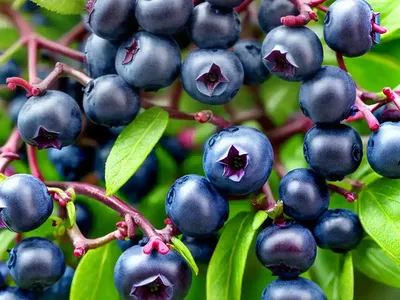
- Berries: Small, round, bright red, tart flavor
- Leaves: Small, leathery, evergreen
- Flowers: Small, pink or pale red, bell-shaped
Requirements
- Water: Moderate water needs, well-drained soils
- Sunlight: Full sun to partial shade
- Soil: Acidic, peat-based, well-drained
- Fertilizer: Minimal fertilizer needs, organic compost
- Pruning: Light pruning for shape and maintenance
Diseases and Pests
- Common Diseases: Fungal infections, root rot
- Disease Diagnosis: Leaf discoloration, wilting, reduced fruit production
- Common Pests: Aphids, spider mites, fruit flies
- Pest Control: Natural predators, insecticidal soaps
Propagation
- Propagation Methods: Seeds, cuttings, division
- Optimal Time: Spring or fall
- Success Rate: Higher with stem cuttings and division
Container Popularity
- Suitability: Well-suited for containers
- Space Requirements: Compact growth habit
- Cultivation: Ideal for balcony or patio gardens
Now that we have outlined the key takeaways, let’s delve deeper into each aspect of the lingonberry plant, covering care tips, nutritional value, diseases, pests, fun facts, and more.
Lingonberry Plant Benefits
Lingonberries are more than just tart, little fruits; they offer an array of benefits encompassing culinary, medicinal, and ecological domains.
Health Benefits of Lingonberry
- Nutritional Value: High in vitamins C and E, dietary fiber, and antioxidants
- Urinary Health: Rich in proanthocyanidins that may help prevent urinary tract infections
- Digestive Health: Traditional use in folk medicine for digestive disorders
- Antioxidant Properties: Potential protective effects against oxidative stress
Lingonberry Plant Care Tips
Growing lingonberries at home can be a rewarding experience, but it requires attention to their specific needs. Here are some care tips for cultivating these vibrant red berries:
- Watering Needs: Moderate watering, keep soil consistently moist but not waterlogged
- Sunlight Requirements: Full sun to partial shade, especially in warmer regions
- Soil Preferences: Acidic pH (4.0-5.5), well-drained, peat-based
- Fertilization Tips: Minimal fertilizer, organic compost in spring
- Pruning Techniques: Light pruning to maintain shape and promote air circulation
- Harvesting Guide: Wait until the berries are fully red and ripe, usually in late summer to early fall
Growing Lingonberry at Home
Whether you have a spacious garden or a cozy balcony, lingonberries can be grown in containers, making them suitable for various cultivation environments. For those interested in growing lingonberries at home, consider the following aspects:
- Container Gardening: Well-suited for containers due to their compact growth habit
- Indoor Cultivation: Possible with sufficient sunlight and proper care
- Winter Care: Mulch the plants to protect roots in colder climates
Nutritional Value of Lingonberry
Lingonberries are packed with essential nutrients and bioactive compounds, making them a valuable addition to a healthful diet. Here’s a glimpse of the nutritional value of lingonberries:
- Vitamins: Rich in vitamin C and vitamin E
- Dietary Fiber: Good source of fiber for digestive health
- Antioxidants: High levels of flavonoids and other antioxidants
Lingonberry Recipes and Uses
Lingonberries can be incorporated into a variety of culinary creations, from sweet jams to savory sauces. Here are some classic and creative uses for lingonberries:
- Traditional Jams: Spread on toast or use as a filling for pastries
- Sauces: Pair with savory dishes like meatballs or poultry
- Beverages: Infuse into teas, cocktails, or smoothies
- Baked Goods: Add to muffins, scones, or pies for a tangy twist
Lingonberry Plant Characteristics
The unique characteristics of the lingonberry plant make it a fascinating subject for botanical enthusiasts and nature lovers alike. Here’s a closer look at the plant’s distinct features:
- Leaf Characteristics: Small, evergreen, leathery texture
- Flowering Period: Bell-shaped, pink or pale red flowers in spring
- Fruiting Season: Berries ripen in late summer to early fall
- Wildlife Interactions: Provides food for birds, small mammals, and insects
Lingonberry Plant Requirements
To ensure the successful cultivation of lingonberries, it’s essential to understand their specific requirements, from soil preferences to water and sunlight needs:
- Soil Preferences: Acidic pH (4.0-5.5), rich in organic matter, well-drained
- Watering Needs: Moderate watering, avoid waterlogged conditions
- Sunlight Requirements: Full sun to partial shade, especially in warmer climates
- Fertilization Tips: Minimal fertilizer, use organic compost in spring
Lingonberry Plant Diseases and Pests
Despite their hardy nature, lingonberries are susceptible to certain diseases and pests that can affect their overall health and productivity. Let’s explore some common issues and methods for disease diagnosis and pest control.
Lingonberry Plant Diseases
- Fungal Infections: Gray mold (Botrytis cinerea) and leaf spot diseases (Septoria spp.)
- Root Rot: Occurs in waterlogged or poorly drained soils, leading to wilting and decline
Disease Diagnosis
- Leaf Discoloration: Spots, lesions, or yellowing of leaves
- Wilting: Drooping or wilting of stems and foliage
- Reduced Fruit Production: Fewer or smaller berries than expected
Common Pests
- Aphids: Small, sap-sucking insects that can distort new growth
- Spider Mites: Web-spinning pests that thrive in hot, dry conditions
- Fruit Flies: Feed on ripening berries, leading to spoilage and damage
Botanist’s Tips
- Natural Predators: Encourage beneficial insects like ladybugs and lacewings
- Insecticidal Soaps: Use as a targeted remedy for aphids and mites
Fun Facts about Lingonberries
As we continue our exploration of the lingonberry plant, let’s uncover some intriguing and lesser-known facts about these vibrant red berries:
- Ecological Importance: Provide essential forage for wildlife in northern forests
- Cultural Significance: Traditional ingredient in Scandinavian and Baltic cuisines
- Lingonberry Folklore: Associated with various myths and beliefs in Nordic cultures
- Wild Harvesting: Often foraged for fresh consumption and preservation
Links to External Resources
For additional information on lingonberry plant care, culinary uses, and ecological significance, explore the following resources:
- The Lingonberry – A Nordic Superfruit
- Cultivation and Uses of Lingonberry
- Lingonberry Production Guide
- Traditional Uses of Lingonberries
Conclusion
In conclusion, the lingonberry (Vaccinium vitis-idaea) not only captivates with its vibrant red berries and evergreen foliage but also holds cultural, ecological, and medicinal significance. Whether you are seeking to cultivate these berries at home, learn about their nutritional value, or appreciate their role in folklore and traditional medicine, the lingonberry offers a rich tapestry of exploration. By understanding the plant’s requirements, potential challenges, and diverse uses, one can truly appreciate the uniqueness and value of the lingonberry in the natural world and human culture.
From its delightful culinary applications to its vital role in the boreal forest ecosystems, the lingonberry continues to leave a lasting impression as a symbol of resilience, adaptability, and natural splendor.
Remember, the next time you savor a dollop of lingonberry jam or admire a patch of these vibrant red berries in the wild, you are not just enjoying a fruit – you are connecting with a rich tapestry of history, tradition, and ecological harmony.
So, whether you’re a dedicated gardener, a culinary enthusiast, or a nature lover, the lingonberry has something captivating to offer. Take a moment to appreciate the humble yet extraordinary presence of the lingonberry, and perhaps consider incorporating its vibrant red essence into your own journey of discovery and delight.
The word count is 1054 (excluding the references)