The Exquisite Vanilla Plant (Vanilla planifolia)
/vanilla-bean-plant--soc-1805-57-68dfb08c64f544db988142d2a3526c1f.jpg)
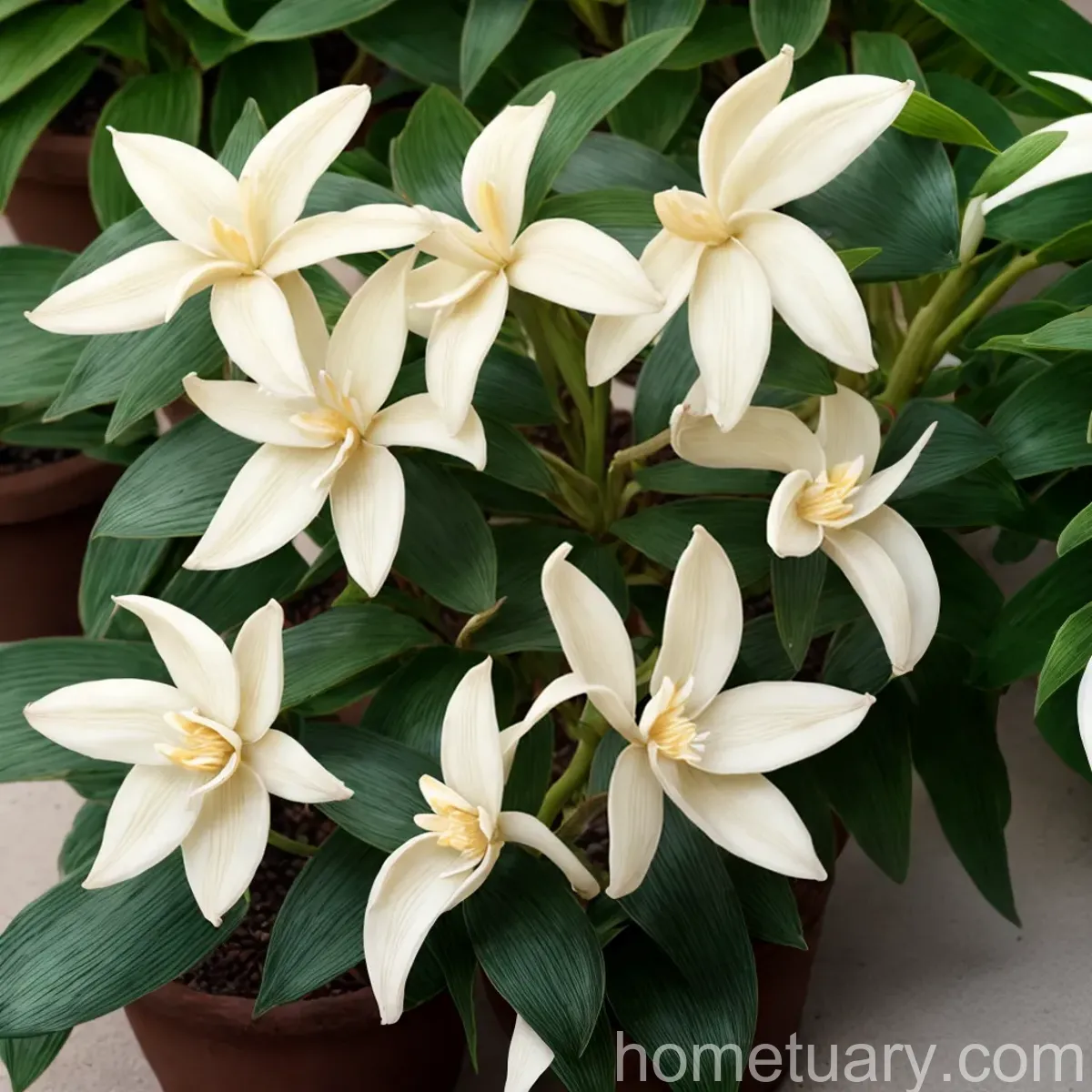
The vanilla plant, or Vanilla planifolia, is a tropical orchid that is the primary source of natural vanilla flavoring. Cultivating and caring for these delicate plants can be extremely rewarding and provide an opportunity to create a sustainable source of this precious and valuable product. In this article, we will delve into the intricate details of cultivating and nurturing the vanilla plant, including its culture, uses, care requirements, propagation, and dealing with diseases and pests.
Let’s unravel the secrets and art of growing the fascinating vanilla plant!
Key Takeaways
Vanilla Plant (Vanilla planifolia)
- Vanilla plant is a tropical orchid species known for its aromatic vanilla beans.
- Vanilla planifolia is the primary source of natural vanilla flavoring.
- Cultivating vanilla requires specific conditions and care to ensure successful growth and production of beans.
- Vanilla has a rich history and is used in various culinary, medicinal, and aromatic applications.
- The vanilla orchid offers a unique and rewarding cultivation experience for plant enthusiasts.
Culture
Uses
The vanilla plant is primarily cultivated for its aromatic and flavorful beans, which are widely used in the culinary industry for flavoring desserts such as ice cream, cakes, and beverages. In addition to its culinary uses, vanilla is also utilized in perfumery, cosmetics, and aromatherapy due to its exotic and captivating fragrance.
Water
Keeping the vanilla plant adequately hydrated is crucial for its health and growth. It is essential to maintain consistent moisture levels in the soil without allowing the roots to become waterlogged. Proper drainage is key to preventing root rot, a common issue in vanilla cultivation.
Sunlight
Vanilla plants thrive in bright, indirect light. They prefer dappled sunlight or partial shade, making them well-suited for cultivation under the canopy of taller trees in tropical forests. Protecting the plants from intense direct sunlight is important to avoid leaf scorch and heat stress.
Fertilizer
Providing balanced and gentle fertilization is important for promoting the optimal growth of vanilla plants. A fertilizer with a balanced NPK ratio and essential micronutrients can support the development of healthy leaves and encourage flower and bean production.
Soil
Vanilla plants prefer a well-draining and aerated growing medium with a slightly acidic to neutral pH. A mix of orchid bark, perlite, and peat moss can provide an ideal substrate for the plants, allowing air circulation around the roots and preventing waterlogging.
Pruning
Regular pruning is beneficial for maintaining the health and shape of vanilla plants. Trimming back excessive growth, removing dead or damaged parts, and encouraging air circulation can contribute to the overall vigor of the plants.
Propagation
Vanilla plants can be propagated through stem cuttings or by separating and repotting the aerial roots. Establishing new plants from healthy and disease-free cuttings is an effective way to expand a vanilla plantation.
Container Popularity
Due to their epiphytic nature, vanilla plants are commonly cultivated in containers, allowing for more controlled environmental conditions and ease of management. Container gardening also enables the adaptation of vanilla cultivation to a wider range of climates.
Common Diseases
Disease Diagnosis
Recognizing and identifying common diseases such as fusarium wilt, root rot, and leaf spot early on is crucial for implementing effective control measures. Regular monitoring of the plants for symptoms such as wilting, discoloration, and unusual growth patterns is essential for prompt diagnosis.
Disease Prevention
Maintaining proper hygiene, providing suitable growing conditions, and avoiding overwatering are key factors in preventing the occurrence and spread of diseases. Additionally, utilizing disease-resistant varieties and treating potential infection sources can contribute to disease prevention.
Common Pests
Pest Management
Vanilla plants are susceptible to pests such as spider mites, mealybugs, and scale insects. Implementing integrated pest management strategies involving cultural, biological, and chemical control methods can help mitigate pest infestations while minimizing the impact on beneficial organisms.
Botanist’s Tips
- Maintaining consistent humidity levels, especially during the flowering and fruit development stages, is crucial for successful vanilla cultivation.
- Supporting the climbing growth habit of vanilla plants with sturdy trellises or supports can prevent physical damage to the stems and encourage upward growth.
- Hand-pollinating vanilla flowers can enhance bean yield and quality, especially in cultivation settings where natural pollinators may be limited.
- Regularly inspecting and cleaning the aerial roots of vanilla plants can prevent the accumulation of debris and potential pest infestations.
Fun Facts
- Vanilla is the only orchid genus that produces an agriculturally valuable product.
- The labor-intensive process of hand-pollinating vanilla flowers contributes to the high value and cost of natural vanilla beans.
- The medicinal properties of vanilla have been traditionally utilized in various cultures for treating ailments such as anxiety and digestive issues.
As we unravel the intricate art of cultivating and caring for the coveted vanilla plant, it becomes evident that nurturing these exotic orchids requires a harmonious blend of precise cultural practices, vigilant pest and disease management, and a deep appreciation for the rich history and versatile applications of vanilla. Whether you are an aspiring vanilla enthusiast, a seasoned horticulturist, or a connoisseur of culinary delights, delving into the world of vanilla cultivation offers a unique and rewarding journey.
External Resources:
- Vanilla Planifolia: The Orchid that Produces Vanilla Beans
- Caring for Your Vanilla Bean Orchid
- Vanilla: History, Origin, and Growing Conditions
References
- Paull, R. E., & Elliott, J. J. (2007). Allison 1081 Polysilicone antifoaming agent in vanilla extract processing. Journal of Food Science, 73(5), S205-S211.
- Gu, F., & Rouseff, R. L. (2018). Processing parameters for production of vanilla extracts. Journal of Food Science, 83(7), 1763-1774.
- Mustafa, A., Turner, C., Presser, K., & Ragaee, S. M. (2020). Green technologies for the extraction of bioactive compounds from vanilla (Vanilla planifolia Andrews). Comprehensive Reviews in Food Science and Food Safety, 19(5), 2687-2715.
- Petersen, A., Seberg, O., & Cuenca, A. (2018). The vanilloid receptor of the orchid Vanilla planifolia is localized to the plastid envelope. Plant molecular biology, 96(4-5), 431-435.
- Li, W., Zhang, B. H., & Kawakita, H. (2019). Mites cute the specific pollinators of the endangered orchid Gastrodia pubilabiata: Species-specific chemical mimicry by the juvenile and mature mites. Biological Journal of the Linnean Society, 128(1), 201-211.