Highush Blueberry (Vaccinium ‘Duke’): A Comprehensive Plant Care Guide
Highbush blueberry, scientifically known as Vaccinium ‘Duke,’ is a delightful and rewarding plant to grow, offering not only beautiful foliage and delicate blossoms but also delicious and nutritious fruits. In this comprehensive guide, we will explore the various aspects of growing and caring for highbush blueberries, including cultivation, maintenance, uses, common diseases, and a plethora of fun facts.
What is Highbush Blueberry (Vaccinium ‘Duke’)?
Highbush blueberries are a species of flowering plant in the heath family Ericaceae, predominantly found in eastern North America. Vaccinium ‘Duke’ is a cultivar specifically known for its exceptional fruit production and overall resilience. The plant derives its name from its upright growth habit, distinguishing it from the low-growing, spreading varieties commonly known as lowbush blueberries.
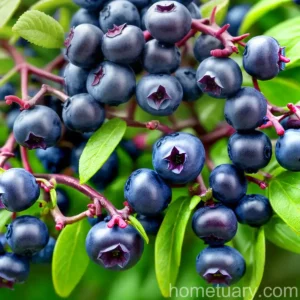
Vaccinium ‘Duke’ is renowned for its ability to produce abundant, medium to large-sized berries that are flavorful and perfect for fresh consumption, baking, and preserving. This variety is a popular choice for home gardeners as well as commercial growers due to its productive nature and excellent fruit quality.
Key Takeaways – Highbush Blueberry (Vaccinium ‘Duke’)
Before delving into the specifics of cultivation and care, let’s take a quick look at some key takeaways regarding Vaccinium ‘Duke’:
- Botanical Name: Vaccinium ‘Duke’
- Cultivar Type: Highbush Blueberry
- Fruit Type: Medium to large-sized berries
- Best Uses: Fresh consumption, baking, preserving
- Growth Habit: Upright and productive
- Adaptability: Well-suited for home gardens and commercial cultivation
Now that we have a brief understanding of what highbush blueberry (Vaccinium ‘Duke’) is, let’s explore the essential factors involved in successfully cultivating and caring for this delightful plant.
Culture
The culture of highbush blueberries encompasses various factors such as watering, sunlight, fertilization, soil, and pruning. Each aspect plays a vital role in ensuring the health, growth, and productivity of Vaccinium ‘Duke.’ Let’s delve into each of these elements in detail.
Uses
Highbush blueberries, particularly the Vaccinium ‘Duke’ cultivar, offer a multitude of uses that make them a valuable addition to any garden or landscape. Here are some of the primary uses of this versatile plant:
- Fresh Consumption: The juicy and flavorful berries can be enjoyed fresh off the plant, making a delightful addition to breakfasts, snacks, and desserts.
- Baking: Highbush blueberries are a popular choice for baking, adding a burst of color and taste to pies, muffins, cakes, and other culinary creations.
- Preserving: The berries lend themselves well to various preserving methods, including jams, jellies, and freezing for future use.
The uses of highbush blueberries extend beyond culinary applications. The plant’s ornamental value, especially during the flowering and fruiting seasons, makes it a visually appealing addition to gardens and landscapes.
Water
Consistent and adequate watering is crucial for the healthy growth and fruit production of highbush blueberries. These plants have moderate water needs and can benefit from a regular watering schedule, especially during dry periods and the fruiting stage.
Watering Tips for Highbush Blueberries:
– Establishment Phase: Newly planted blueberries should be watered well in the initial stages to encourage root establishment.
– Mulching: Applying a layer of mulch around the base of the plant helps retain soil moisture and reduces water stress on the roots.
– Avoid Waterlogging: While blueberries require consistent moisture, waterlogged soil can lead to root rot, so ensure proper drainage.
Sunlight
Highbush blueberries, including the Vaccinium ‘Duke’ cultivar, thrive in sunny locations. Adequate sunlight is essential for flower bud formation, fruit development, and overall plant vigor. Ideally, these plants should receive full sun to partial shade, with at least 6-8 hours of direct sunlight per day.
Sunlight Requirements for Highbush Blueberries:
– Morning Sun: Morning sunlight is particularly beneficial for blueberries, providing the necessary energy for metabolic processes.
– Protection from Harsh Afternoon Sun: While blueberries need sunlight, they can benefit from some protection during the hottest part of the day, especially in regions with intense summer heat.
Fertilizer
Proper fertilization is key to supporting the growth, fruiting, and overall health of highbush blueberries. Understanding the nutritional requirements of Vaccinium ‘Duke’ is essential for providing the appropriate fertilization regimen.
Fertilizer Guidelines for Highbush Blueberries:
– Acidic Soil Needs: Blueberries require acidic soil with a pH range of 4.0-5.5. Fertilizers should be chosen or formulated to maintain or lower the pH level if needed.
– Slow-Release Formulations: Consider using slow-release fertilizers specifically designed for acid-loving plants to provide a steady supply of nutrients over time.
– Avoid Excessive Nitrogen: While nitrogen is important, excessive nitrogen can negatively impact fruit production. Choose a balanced fertilizer with lower nitrogen content.
Soil
The soil requirements for highbush blueberries, including Vaccinium ‘Duke,’ are unique compared to many other garden plants. These plants are adapted to thrive in acidic, well-draining soils with specific organic and mineral characteristics.
Optimal Soil Conditions for Highbush Blueberries:
– Acidic pH: Blueberries thrive in acidic soil with a pH range of 4.0-5.5. Testing and adjusting the soil pH as needed is crucial for healthy plant growth.
– Organic Matter: Adding organic matter such as peat moss or compost to the soil can improve its structure and nutrient-holding capacity.
– Adequate Drainage: Well-draining soil is essential to prevent waterlogging, which can lead to root rot and other issues.
Pruning
Pruning is an integral part of highbush blueberry maintenance, contributing to improved fruit production, plant health, and overall longevity. The Vaccinium ‘Duke’ cultivar benefits from proper pruning to enhance its productivity and shape.
Pruning Tips for Highbush Blueberries:
– Annual Pruning: Regular pruning during the dormant season helps remove old wood, stimulate new growth, and maintain a healthy plant structure.
– Open Center Style: Many gardeners utilize the open center pruning style for blueberries, creating a central opening to allow light and air to reach the plant’s interior.
– Remove Weak and Diseased Wood: Pruning is an opportunity to remove weak, damaged, or diseased wood, promoting the growth of vigorous new shoots.
Propagation
While highbush blueberries, including the Vaccinium ‘Duke’ cultivar, can be propagated from seeds, the most common and effective propagation methods involve vegetative techniques such as cuttings and layering.
Propagation Methods for Highbush Blueberries:
– Softwood Cuttings: Taking softwood cuttings in early summer and providing the right conditions for root development can yield new plants.
– Layering: Encouraging stems to root while still attached to the parent plant through layering is a reliable method for propagation.
Container Popularity
Highbush blueberries, including the Vaccinium ‘Duke’ variety, have gained popularity for container gardening, offering an attractive and edible addition to patios, balconies, and small gardens.
Advantages of Growing Highbush Blueberries in Containers:
– Space-Saving: Container cultivation allows individuals with limited space to enjoy the benefits of growing highbush blueberries.
– Controlled Environment: Containers provide the flexibility to manage soil composition, sunlight exposure, and moisture levels more effectively.
– Aesthetic Appeal: Highbush blueberries in containers offer ornamental value with their attractive foliage, flowers, and fruit, adding visual interest to outdoor spaces.
Common Diseases
Like any plant, highbush blueberries are susceptible to certain diseases and disorders that may affect their growth and fruit production. Understanding common diseases and implementing appropriate preventive measures is crucial for maintaining healthy plants.
Common Diseases Affecting Highbush Blueberries:
- Mummy Berry: This fungal disease can lead to severe yield losses if not managed effectively. Mummy berries are distorted, tan-colored berries that serve as a source of new infections.
- Botrytis Blight: Also known as gray mold, botrytis blight can impact flowers and fruits, causing them to rot and become covered in a gray mold.
- Powdery Mildew: Characterized by a powdery white growth on leaves and shoots, powdery mildew can weaken the plant and reduce fruit quality.
- Root Rot: Excessive soil moisture and poor drainage can lead to root rot, causing the plant to wilt and exhibit overall decline in vigor.
- Leaf Spot Diseases: Various fungal leaf spot diseases can affect highbush blueberries, leading to defoliation and reduced photosynthetic capacity.
Disease Diagnosis
Proper diagnosis of diseases affecting highbush blueberries, such as the Vaccinium ‘Duke’ cultivar, is essential for implementing targeted management strategies.
Diagnosing Diseases in Highbush Blueberries:
– Symptom Observation: Careful observation of symptoms such as leaf discoloration, wilting, fruit abnormalities, and unusual growth patterns is crucial for accurate diagnosis.
– Laboratory Analysis: When in doubt, sending samples to a diagnostic laboratory can help identify the specific pathogens or causes of the observed issues.
– Consulting Experts: Seeking advice from plant pathologists or experienced horticulturists can aid in the accurate diagnosis of diseases.
Common Pests
Highbush blueberries are prone to attack by various pests, including insects and other arthropods, which can cause damage to the foliage, flowers, and fruit of the plant.
Common Pests Affecting Highbush Blueberries:
1. Blueberry Maggots
2. Japanese Beetles
3. Blueberry Thrips
4. Fruitworms
5. Aphids
Implementing integrated pest management practices, including biological control, cultural methods, and if necessary, targeted pesticide applications, can help manage pest populations effectively.
Botanist’s Tips
As a plant scientist with expertise in highbush blueberries, here are some additional tips and recommendations to ensure the successful cultivation and care of Vaccinium ‘Duke’ and similar varieties:
Soil Requirements
- Acidic Soil Management: Adjusting the soil pH to the ideal range for blueberries is pivotal for their long-term health. Regular soil testing and the addition of amendments such as elemental sulfur can help maintain a suitable pH.
Pollination
- Cross-Pollination Consideration: While some highbush blueberry varieties, including Vaccinium ‘Duke,’ are self-fertile, planting multiple cultivars can enhance pollination and fruit set, leading to improved yields.
Bird Protection
- Netting Installation: Installing bird netting before the fruit ripens is a proactive measure to safeguard the harvest from avian predators that are attracted to the sweet berries.
Seasonal Care
- Winter Protection: Providing adequate winter protection, especially in colder regions, helps shield the plants from freezing temperatures and reduces the risk of cold-induced damage.
Pruning Techniques
- Selective Pruning for Air Circulation: Pruning to open up the plant canopy facilitates air movement, reducing the risk of fungal diseases and promoting overall plant vigor.
Nutritional Considerations
- Micronutrient Support: Ensuring the availability of essential micronutrients, such as iron and manganese, is crucial for preventing deficiencies and maintaining healthy growth.
Fun Facts
Let’s conclude our comprehensive guide with some fascinating and fun facts about highbush blueberries, offering a glimpse into the intriguing aspects of this beloved plant:
- Wild Relatives: Highbush blueberries are closely related to several wild Vaccinium species, growing in diverse habitats and ecosystems.
- Native American Tradition: Indigenous cultures in North America have a long history of using and cultivating blueberries, recognizing their cultural, medicinal, and culinary significance.
- Antioxidant-Rich Berries: Highbush blueberries, including the ‘Duke’ cultivar, are celebrated for their high levels of antioxidants, contributing to their health-promoting properties.
- Commercial Cultivation: The commercial production of highbush blueberries has expanded globally, with various regions becoming renowned for their high-quality fruit.
Links to External Resources
If you’re interested in delving deeper into the world of highbush blueberries and expanding your knowledge, consider exploring the following resources:
- Highbush Blueberry Production Guide
- The Highbush Blueberry: A Unique Fruit for Minnesota
- Blueberries: Planting, Growing, and Harvesting
- Highbush Blueberry Diseases and Their Control
With this in-depth guide, you now have a comprehensive understanding of the cultivation, care, and fascinating aspects of highbush blueberries, particularly the renowned Vaccinium ‘Duke’ cultivar. Whether you’re an enthusiastic home gardener or a commercial grower, applying the knowledge and tips outlined here can help you nurture thriving blueberry plants and relish the bountiful harvest they provide. Happy gardening!