Plant Scientist’s Guide to Highbush Blueberry (Vaccinium corymbosum ‘Northland’)
In the world of horticulture, the Highbush Blueberry (Vaccinium corymbosum) is a prized plant known for its delicious and nutritious berries. Among the numerous varieties of Highbush Blueberries, the ‘Northland’ cultivar stands out for its unique characteristics and adaptability to colder climates. As a plant scientist, I am thrilled to delve into the intriguing world of this particular blueberry plant. In this comprehensive guide, we will explore the culture, uses, and essential tips for successful cultivation of the Highbush Blueberry (Vaccinium corymbosum ‘Northland’). We will also discuss common diseases and pests, along with effective management strategies. Without further ado, let’s embark on this fascinating journey into the realm of Highbush Blueberries.
What is Highbush Blueberry (Vaccinium corymbosum ‘Northland’)?
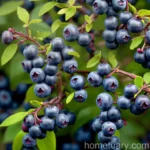
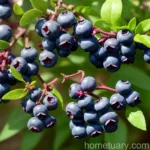
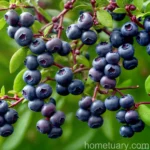
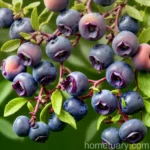
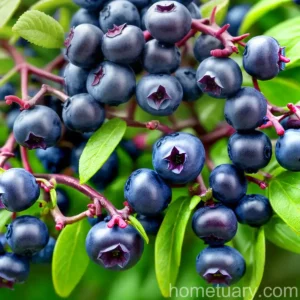
Highbush Blueberry, scientifically known as Vaccinium corymbosum, is a deciduous shrub with the potential to reach a height of 6 to 12 feet. It is recognized for its striking clusters of white or pink blossoms in the spring, which then give way to plump, flavorful berries in the summer. The ‘Northland’ variety, specifically bred for northern climates, is esteemed for its exceptional cold hardiness and ability to thrive in regions with chilly temperatures.
Key Takeaways – Highbush Blueberry (Vaccinium corymbosum ‘Northland’):
- Scientific Name: Vaccinium corymbosum ‘Northland’
- Plant Type: Deciduous shrub
- Height: 6 to 12 feet
- Notable for Cold Hardiness
Now, let’s delve deeper into the various aspects related to the culture, uses, and best practices for growing ‘Northland’ Highbush Blueberries.
Culture
Cultivating Highbush Blueberries, particularly the ‘Northland’ variety, requires a careful understanding of the plant’s specific needs and preferences. From soil composition to pruning techniques, each aspect plays a crucial role in ensuring the healthy growth and abundant yield of these beloved berries.
Uses
Before we delve into the intricacies of cultivation, it’s essential to grasp the varied uses of Highbush Blueberries. These delightful berries find their way into a wide array of culinary creations, including pies, jams, muffins, and smoothies. Rich in antioxidants and nutrients, they are not only a tasty treat but also offer numerous health benefits. Additionally, Highbush Blueberries can be utilized as ornamental plants, adding beauty to landscaping with their attractive foliage and blossoms.
Water
Proper watering is essential for the health and productivity of Highbush Blueberries. During the growing season, these plants benefit from consistent moisture, ideally provided through drip irrigation or soaker hoses to maintain even soil moisture. Adequate watering is particularly crucial during the fruit development stage, as it helps prevent issues such as cracking of berries due to fluctuating moisture levels.
Watering Recommendations for Highbush Blueberry (Vaccinium corymbosum ‘Northland’):
– Provide consistent moisture, especially during the growing season.
– Utilize drip irrigation or soaker hoses for even watering.
Sunlight
Highbush Blueberries thrive in sunny locations, requiring a minimum of 6 to 8 hours of direct sunlight per day to promote robust growth and fruitful yields. While they can tolerate partial shade, adequate sunlight is vital for the development of flavorful berries and the overall vigor of the plants.
Sunlight Requirements for Highbush Blueberry (Vaccinium corymbosum ‘Northland’):
– Full sun to partial shade, with a preference for at least 6 to 8 hours of direct sunlight daily.
Fertilizer
Fertilizing Highbush Blueberries is a critical component of their care regimen. The application of a balanced, acidic fertilizer helps maintain the acidity of the soil, which is vital for optimal growth and fruit production. Additionally, it is essential to avoid over-fertilization, as excessive nitrogen can lead to an overabundance of vegetative growth at the expense of fruiting.
Fertilization Tips for Highbush Blueberry (Vaccinium corymbosum ‘Northland’):
– Use a balanced, acidic fertilizer to support soil acidity.
– Avoid over-fertilization, especially with nitrogen-rich fertilizers.
Soil
The soil composition plays a pivotal role in the successful cultivation of Highbush Blueberries. These plants thrive in well-draining, acidic soils with a pH range between 4.5 and 5.5. The acidification of the soil can be achieved through the use of organic materials such as pine bark or peat moss, ensuring an environment conducive to the development of healthy roots and prolific fruiting.
Soil Requirements for Highbush Blueberry (Vaccinium corymbosum ‘Northland’):
– Well-draining, acidic soil with a pH of 4.5 to 5.5.
– Incorporate organic materials to maintain soil acidity, such as pine bark or peat moss.
Pruning
Pruning is an essential practice for maintaining the vitality and productivity of Highbush Blueberries. Proper pruning helps eliminate old wood, improve air circulation, and encourage the growth of new, fruit-bearing branches. It is typically carried out during the dormant season, providing an opportunity to shape the plant and remove dead or diseased wood.
Pruning Techniques for Highbush Blueberry (Vaccinium corymbosum ‘Northland’):
– Remove old or diseased wood during the dormant season.
– Encourage the growth of new, fruit-bearing branches by selectively pruning.
Propagation
The propagation of Highbush Blueberries, including the ‘Northland’ variety, can be achieved through several methods, such as hardwood cuttings or layering. Propagation allows for the expansion of blueberry plantings and the introduction of new plants into the garden or landscape.
Propagation Methods for Highbush Blueberry (Vaccinium corymbosum ‘Northland’):
– Hardwood cuttings
– Layering
Container Popularity
In addition to traditional soil cultivation, Highbush Blueberries, including the ‘Northland’ variety, are well-suited for container gardening. Container cultivation offers the advantage of flexibility, allowing individuals with limited space to enjoy the beauty and bounty of blueberries on patios, decks, or balconies.
Popularity of Container Gardening for Highbush Blueberry (Vaccinium corymbosum ‘Northland’):
– Well-suited for individuals with limited space or those seeking the convenience of container gardening.
Common Diseases
Highbush Blueberries, like many plants, are susceptible to certain diseases that can impact their overall health and productivity. Awareness of common diseases and their symptoms is crucial for early detection and effective management.
Disease Diagnosis
It is essential to be able to recognize the signs of common diseases that affect Highbush Blueberries, as prompt intervention can mitigate their impact and prevent further spread. From fungal infections to bacterial diseases, a proactive approach to disease diagnosis is key to preserving the health of blueberry plants.
Common Diseases Affecting Highbush Blueberry (Vaccinium corymbosum ‘Northland’):
1. Mummy Berry: Caused by the fungus Monilinia vaccinii-corymbosi, this disease results in shriveled, mummified berries and can lead to significant yield loss.
2. Botrytis Blight: Also known as gray mold, this fungal disease can cause flower and shoot blight, as well as fruit rot, particularly in wet conditions.
3. Powdery Mildew: Characterized by a powdery white coating on leaves and stems, powdery mildew can hinder the growth and vigor of blueberry plants.
4. Anthracnose: Caused by the fungus Gloeosporium spp., anthracnose can lead to dark, sunken lesions on berries and twigs, affecting overall plant health.
Common Pests
In addition to diseases, Highbush Blueberries are vulnerable to certain pests that can pose a threat to their well-being. From insect pests to wildlife, understanding the potential adversaries of blueberry plants is essential for effective pest management.
Common Pests Affecting Highbush Blueberry (Vaccinium corymbosum ‘Northland’):
1. Birds: Birds can feed on ripening blueberries, causing significant damage to the fruit yield. Protective measures such as netting may be necessary to deter bird predation.
2. Japanese Beetles: These voracious pests can skeletonize blueberry leaves and cause defoliation if left unchecked, requiring proactive control measures to limit their impact.
3. Spider Mites: Infestations of spider mites can lead to stippled, discolored foliage and diminished plant vigor, necessitating appropriate pest management strategies.
Botanist’s Tips
As a botanist deeply invested in the cultivation and study of plants, I am delighted to share some valuable tips for the successful growth of Highbush Blueberry (Vaccinium corymbosum ‘Northland’). These insights are informed by years of experience and a profound appreciation for the beauty and resilience of these remarkable blueberry plants.
Cultivation Tips for Highbush Blueberry (Vaccinium corymbosum ‘Northland’):
- Select a site with adequate sunlight and well-draining, acidic soil to optimize plant growth.
- Implement drip irrigation or soaker hoses to provide consistent moisture, especially during the growing season.
- Regularly monitor for signs of common diseases and pests, taking proactive measures to mitigate their impact and preserve plant health.
Pruning and Maintenance Recommendations:
- Prune during the dormant season to remove old wood and encourage the growth of new, fruit-bearing branches.
- Monitor soil acidity and incorporate organic materials as needed to maintain an optimal pH range of 4.5 to 5.5 for Highbush Blueberries.
- Consider container gardening as a viable option for individuals with limited outdoor space, allowing for the cultivation of ‘Northland’ blueberries in portable containers.
Pest and Disease Management Strategies:
- Utilize protective measures such as bird netting to safeguard ripening blueberries from avian predators.
- Implement integrated pest management (IPM) techniques to address common pests such as Japanese beetles and spider mites, minimizing reliance on chemical interventions.
- Practice good sanitation and hygiene in the garden to reduce the risk of disease outbreaks and promote overall plant health.
Fun Facts
To round off our exploration of Highbush Blueberry (Vaccinium corymbosum ‘Northland’), let’s uncover some delightful and intriguing fun facts about these beloved blueberry plants:
- Native American Heritage: Highbush Blueberries have long held cultural significance for Native American tribes, who not only consumed the berries for sustenance but also utilized various parts of the plant for medicinal purposes.
- Berry Anthocyanins: The vibrant color of blueberries is attributed to anthocyanins, natural compounds with antioxidant properties that contribute to the fruit’s health-enhancing benefits.
- Blueberry Pollination: Highbush Blueberries rely on cross-pollination for fruit production, with bees playing a pivotal role in transferring pollen between flowers to facilitate the formation of berries.
Links to External Resources
To further expand your knowledge and understanding of Highbush Blueberry (Vaccinium corymbosum ‘Northland’), I have curated a selection of reputable external resources that offer in-depth insights and practical guidance on blueberry cultivation, pest management, and more:
- USDA Plant Guide for Highbush Blueberry
- University of Maine Cooperative Extension: Growing Highbush Blueberries
- North Carolina State University: Highbush Blueberry Production Guide
- Penn State Extension: Blueberry Production and Pest Management
- The University of Georgia Extension: Home Garden Blueberries
With these invaluable resources at your fingertips, you can delve deeper into the world of Highbush Blueberries and cultivate a deeper appreciation for the ‘Northland’ variety’s unique attributes and cultivation requirements.
In conclusion, Highbush Blueberry (Vaccinium corymbosum ‘Northland’) stands as a resilient and rewarding addition to gardens, landscapes, and even container gardens, offering a bountiful harvest of delectable berries with proper care and attention. By embracing the key principles of cultivation, proactive pest and disease management, and appreciation for the plant’s natural beauty, enthusiasts and gardeners can savor the joys of growing ‘Northland’ blueberries and relish the fruits of their labor, quite literally.
As a plant scientist deeply passionate about these remarkable blueberry plants, it has been my pleasure to share this comprehensive guide to Highbush Blueberry (Vaccinium corymbosum ‘Northland’). May these insights inspire and inform your journey into the cultivation of these cherished berries, fostering a deeper connection with nature and the bounty it graciously bestows.
Happy gardening, and may your Highbush Blueberry (Vaccinium corymbosum ‘Northland’) thrive and flourish under your care.