Blueberry (Vaccinium ‘Pink Lemonade’): A Unique and Appetizing Addition to Your Garden
Introduction
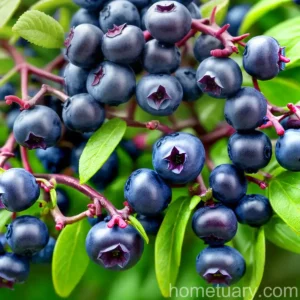
The blueberry plant, scientifically known as Vaccinium ‘Pink Lemonade’, is an extraordinary and captivating addition to any garden or landscape. With its delicious fruits, vibrant pink-blue berries, and ornamental appeal, the Pink Lemonade blueberry is a charming and rewarding plant for both experienced and novice gardeners.
In this comprehensive guide, we will delve into the cultural aspects, uses, and care requirements of the Vaccinium ‘Pink Lemonade’. From understanding its water and sunlight needs to exploring the varieties and propagation techniques, this article aims to equip you with valuable insights into cultivating and nurturing this unique blueberry plant in your outdoor space.
Let’s embark on a delightful journey into the captivating world of Pink Lemonade blueberries, exploring their cultural significance, practical uses, and insights into their growth and maintenance.
Key Takeaways – Blueberry (Vaccinium ‘Pink Lemonade’)
Before we delve into the specific details of the Vaccinium ‘Pink Lemonade’ plant, let’s explore the key takeaways of this remarkable blueberry variety:
Culture
- Blueberries are renowned for their delectable fruits and ornamental appeal. Understanding the cultural requirements is essential for their successful cultivation.
Uses
- The Pink Lemonade blueberry offers a delightful blend of ornamental and practical uses, making it a versatile addition to gardens and landscapes.
Water
- Sufficient moisture is vital for the growth and productivity of blueberry plants. Proper watering techniques are crucial for their well-being.
Sunlight
- Blueberries thrive in specific light conditions. Understanding their sunlight requirements is essential for their optimal growth and fruit development.
Fertilizer
- Providing the right nutrients is vital for the health and productivity of blueberry plants. Knowing the appropriate fertilizer regimen is crucial for their well-being.
Soil
- Blueberries have specific soil requirements. Understanding the soil composition and pH preferences is essential for their successful cultivation.
Pruning
- Pruning plays a crucial role in shaping the growth and productivity of blueberry plants. Knowing the right pruning techniques is essential for their maintenance.
Propagation
- Propagation methods enable gardeners to expand their blueberry plant collection. Understanding the propagation techniques is valuable for their propagation.
Container
- Blueberries can thrive in containers, offering a space-saving option for gardeners. Understanding container requirements is vital for their successful growth.
Popularity
- The Pink Lemonade blueberries have gained popularity for their unique and appealing characteristics. Exploring their popularity sheds light on their significance.
Common Diseases
- Blueberries are susceptible to certain diseases. Understanding common diseases is essential for their prevention and management.
Disease Diagnosis
- Identifying diseases is crucial for addressing them effectively. Understanding disease symptoms and diagnosis is valuable for their management.
Common Pests
- Blueberries may face challenges from pests. Knowing the common pests and their management strategies is essential for safeguarding the plants.
Botanist’s Tips
- Insights from professional botanists and horticulturists provide valuable guidance for the successful cultivation and care of blueberry plants.
Fun Facts
- Exploring intriguing and captivating facts about the Pink Lemonade blueberry adds a delightful touch to the overall understanding of this remarkable plant.
Links to External Resources
- Accessing reliable and informative external resources enhances the understanding and care of blueberry plants, enabling gardeners to make informed decisions.
Now that we have highlighted the key takeaways of the Vaccinium ‘Pink Lemonade’ plant, let’s delve into each aspect in detail, providing valuable insights and practical guidelines for its successful cultivation and care.
Plant Name: “Blueberry (Vaccinium ‘Pink Lemonade’)”
Scientific Name: Vaccinium ‘Pink Lemonade’
Common Name: Blueberry
Family: Ericaceae
Vaccinium ‘Pink Lemonade’ is a unique and sought-after blueberry variety known for its distinctive pink-blue berries and ornamental attributes. It belongs to the Ericaceae family, which includes a diverse range of fruit-bearing plants, such as cranberries, lingonberries, and various other blueberry varieties.
Cultural Aspects of Blueberry (Vaccinium ‘Pink Lemonade’)
Blueberry Varieties
Before delving into the cultural nuances of the Vaccinium ‘Pink Lemonade’, it’s essential to appreciate the diverse array of blueberry varieties available to gardeners. Blueberries come in various species and cultivars, offering a wide range of sizes, flavors, and growth habits. Some notable blueberry varieties include highbush, lowbush, rabbiteye, and half-high blueberries, each with its unique characteristics and growth requirements.
The Vaccinium ‘Pink Lemonade’ stands out among blueberry varieties due to its exceptional pink-blue berries, making it a captivating choice for both fruit enthusiasts and ornamental gardeners. This unique attribute sets it apart as a popular and sought-after blueberry variety, adding vibrancy and diversity to gardens and landscapes.
Hybrid Blueberry Plants
Hybridization plays a crucial role in the development of blueberry plants with unique features, including improved flavor, color, and adaptability. Hybrid blueberry plants, such as the Vaccinium ‘Pink Lemonade’, are the result of deliberate crossbreeding to enhance specific traits, leading to the creation of exceptional and appealing varieties that cater to the preferences of gardeners and fruit enthusiasts.
Berry Shrub
The Vaccinium ‘Pink Lemonade’ is classified as a berry shrub, exhibiting the characteristic growth habit and fruit-bearing attributes typical of blueberry plants. Its status as a berry shrub underscores its primary function of producing delectable and visually appealing berries, making it a versatile and rewarding addition to gardens and landscapes.
Edible Landscaping
The concept of edible landscaping integrates the practicality of food production with the aesthetic appeal of ornamental plants. Blueberries, including the Vaccinium ‘Pink Lemonade’, are exemplary candidates for edible landscaping, as they offer both ornamental value and delicious fruits, contributing to the creation of visually stunning and productive outdoor spaces.
Fruiting Plants
Fruit-bearing plants enrich the garden landscape with their bountiful harvests and visual allure. Blueberries, particularly the Vaccinium ‘Pink Lemonade’, are valued for their role as prolific fruiting plants, offering a delectable and nutritious yield that appeals to both gardeners and culinary enthusiasts.
Practical Care Guide for Blueberry (Vaccinium ‘Pink Lemonade’)
Cultivating the Vaccinium ‘Pink Lemonade’ blueberry involves understanding and implementing specific care practices to ensure its optimal growth, fruit development, and overall well-being. From water and sunlight requirements to soil preferences and disease management, each aspect of its care is integral to its success in the garden.
Water
Proper watering is essential for the growth and productivity of blueberry plants, including the Vaccinium ‘Pink Lemonade’. Adequate moisture levels support the development of healthy roots and fruits while preventing issues related to drought stress and waterlogging. Understanding the optimal watering practices is vital for maintaining the well-being of blueberry plants.
Key Watering Considerations
-
Moisture Requirements: Blueberries prefer consistently moist soil, especially during the fruit development stage. Regular watering is essential, particularly during dry spells, to ensure adequate moisture levels for the plants’ growth and productivity.
-
Avoiding Waterlogging: While consistent moisture is crucial, waterlogging can harm the roots and compromise the overall health of blueberry plants. Providing proper drainage and avoiding water accumulation in the root zone is vital for preventing waterlogging issues.
-
Mulching Benefits: Applying a layer of organic mulch around the base of blueberry plants helps retain soil moisture, reduce weed competition, and regulate soil temperature, contributing to optimal growing conditions for the Vaccinium ‘Pink Lemonade’.
Sunlight
Sunlight plays a pivotal role in the growth and fruiting of blueberry plants, with specific light requirements influencing their overall vigor and productivity. Understanding the optimal sunlight conditions for the Vaccinium ‘Pink Lemonade’ is crucial for harnessing its full potential and achieving a bountiful harvest of delectable pink-blue berries.
Sunlight Recommendations
-
Full Sun Exposure: Blueberries, including the Vaccinium ‘Pink Lemonade’, thrive in full sun conditions, receiving at least six to eight hours of direct sunlight per day. Adequate sunlight exposure promotes robust growth, flowering, and fruit development, contributing to the overall health and productivity of the plants.
-
Partial Shade Tolerance: While blueberries prefer full sun, they can tolerate partial shade, especially in regions with intense summer heat. However, providing sufficient sunlight remains essential for ensuring the optimal performance of the Vaccinium ‘Pink Lemonade’ and other blueberry varieties.
-
Managing Shade: When planting blueberries, it’s advantageous to position them where they can receive ample sunlight while also benefitting from some protection against intense midday sun, particularly in warmer climates. Strategic positioning enhances their growth and fruiting potential.
Fertilizer
Appropriate fertilization is integral to the health and productivity of blueberry plants, contributing to their overall vigor, fruit development, and resistance to diseases and environmental stressors. Understanding the specific nutrient requirements and applying the right fertilization regimen is vital for promoting the optimal growth and fruiting of the Vaccinium ‘Pink Lemonade’.
Nutrient Needs
-
Acidic Soil Preference: Blueberries thrive in acidic soil with a pH range of 4.5 to 5.5, necessitating the application of fertilizers formulated for acid-loving plants. Acidic soil conditions facilitate the efficient uptake of essential nutrients by the Vaccinium ‘Pink Lemonade and contribute to its overall well-being.
-
Nitrogen, Phosphorus, and Potassium (NPK): Providing a balanced fertilizer with the appropriate ratio of nitrogen, phosphorus, and potassium supports the growth, flowering, and fruiting of blueberry plants. Furthermore, supplementing with micronutrients, such as iron and manganese, addresses specific deficiencies and enhances the overall health of the Vaccinium ‘Pink Lemonade.
-
Organic Amendments: Incorporating organic amendments, such as well-decomposed compost, peat moss, or pine bark, into the soil enriches its nutrient content and enhances its organic matter, fostering favorable conditions for the growth and productivity of blueberries, including the Vaccinium ‘Pink Lemonade.
Soil
The soil serves as the foundation for the growth and development of blueberry plants, exerting a profound influence on their overall health, productivity, and adaptability to environmental conditions. Understanding the ideal soil composition and pH preferences for the Vaccinium ‘Pink Lemonade is pivotal for providing conducive growing conditions and fostering its long-term vitality.
Soil Recommendations
-
Acidic pH Preference: Blueberries, including the Vaccinium ‘Pink Lemonade’, thrive in acidic soil with a pH range of 4.5 to 5.5. The acidic soil conditions enhance nutrient uptake, support root development, and contribute to the efficient utilization of essential minerals, promoting the overall well-being of the plants.
-
Well-Draining Soil: Blueberries benefit from well-draining soil that prevents waterlogging and facilitates adequate aeration for the roots. Incorporating organic matter, such as peat moss or pine bark, enhances soil structure and drainage, creating favorable growing conditions for the Vaccinium ‘Pink Lemonade.
-
Maintaining Moisture Levels: While adequate drainage is essential, retaining consistent soil moisture is vital for blueberries’ growth and productivity. Implementing mulching and regular watering practices helps maintain optimal moisture levels, contributing to the well-being of the Vaccinium ‘Pink Lemonade and other blueberry varieties.
Pruning
Pruning plays a pivotal role in shaping the growth, productivity, and overall vigor of blueberry plants, including the Vaccinium ‘Pink Lemonade’. Understanding the principles of pruning and adopting the appropriate techniques are essential for maintaining the plants’ form, optimizing fruit production, and addressing potential issues related to overcrowding and disease susceptibility.
Pruning Guidelines
-
Yearly Pruning: Conducting annual pruning during the dormant season helps manage the size, shape, and productivity of blueberry plants. Removing dead, damaged, or overcrowded branches, as well as thinning out excessive growth, promotes air circulation and light penetration, contributing to the vitality of the Vaccinium ‘Pink Lemonade.
-
Pruning Techniques: Employing selective pruning techniques, such as cane removal and tip pruning, enables the shaping of blueberry plants and encourages the development of strong, fruit-bearing wood.
-
Renewal Pruning: Periodically conducting renewal pruning by removing older canes and promoting the growth of vigorous, new shoots revitalizes the Vaccinium ‘Pink Lemonade and maintains its long-term productivity and health.
Propagation
Propagation methods offer gardeners the opportunity to multiply their blueberry plant collection and preserve exceptional varieties, such as the Vaccinium ‘Pink Lemonade’. Understanding the propagation techniques, including seed sowing, stem cuttings, and layering, facilitates the expansion of blueberry plants and the retention of desirable traits within the garden or landscape.
Propagation Approaches
-
Stem Cuttings: Propagating blueberries through stem cuttings involves selecting healthy, disease-free shoots and encouraging their root development in a suitable growth medium. This method enables the creation of genetically identical clones of the Vaccinium ‘Pink Lemonade, preserving its unique characteristics and enhancing its presence in the garden.
-
Layering: Encouraging the rooting of low-hanging branches or stems by burying them in the soil and nurturing their subsequent growth as independent plants serves as an effective means of propagating blueberries, contributing to the expansion of the Vaccinium ‘Pink Lemonade population within the garden or landscape.
-
Division: Dividing established blueberry plants, particularly those displaying vigorous growth and desirable traits, facilitates the generation of new specimens and the perpetuation of exceptional genetic attributes, allowing gardeners to maintain and augment the presence of the Vaccinium ‘Pink Lemonade.
Container Growing
Blueberries, including the Vaccinium ‘Pink Lemonade, can thrive in container environments, providing gardeners with a space-saving and flexible option for cultivating these delightful fruit-bearing plants. Understanding the container requirements, including size, drainage, and soil composition, is essential for successfully growing blueberries in contained spaces, such as patios, balconies, and small gardens.
Container Considerations
-
Size and Depth: Selecting containers with adequate size and depth accommodates the expansive root system of blueberries and provides sufficient space for their growth and development. Larger containers contribute to the long-term well-being of the Vaccinium ‘Pink Lemonade, promoting optimal root expansion and productivity.
-
Drainage Needs: Ensuring proper drainage in containers prevents waterlogging and maintains favorable growing conditions for blueberries. Incorporating drainage holes and using well-draining potting mixtures enhances the root environment and supports the vitality of the Vaccinium ‘Pink Lemonade.
-
Soil Medium: Employing acidic, well-aerated potting mixtures tailored to the preferences of blueberries maintains favorable soil conditions within containers. These mixtures support proper nutrient uptake, moisture retention, and overall well-being of the Vaccinium ‘Pink Lemonade in container environments.
Popularity of the Vaccinium ‘Pink Lemonade’
The Vaccinium ‘Pink Lemonade’ has garnered widespread popularity among gardeners and fruit enthusiasts due to its distinctive pink-blue berries, ornamental appeal, and adaptability to diverse growing conditions. Its exceptional traits, including cold hardiness, compact growth habit, and visually striking fruits, have contributed to its recognition as an appealing and sought-after blueberry variety.
Unique Blueberry Variety
The captivating coloration of the Vaccinium ‘Pink Lemonade’ berries distinguishes it as a unique and visually appealing blueberry variety. Its pink-blue fruits add a touch of vibrancy and novelty to the garden or landscape, captivates attention, and elicits admiration from garden visitors and passersby.
Compact Growth Habit
The compact nature of the Vaccinium ‘Pink Lemonade’ makes it a suitable choice for gardens and landscapes with limited space. Its restrained growth habit allows for its integration into various outdoor environments, such as small gardens, urban landscapes, and container settings, extending its appeal to a diverse range of gardeners and horticultural enthusiasts.
Cold-Hardy Attributes
The cold-hardy nature of the Vaccinium ‘Pink Lemonade’ endears it to gardeners residing in regions with cooler climate conditions. Its ability to withstand frost and thrive in colder temperatures enhances its adaptability and cultivar options, making it an attractive choice for gardeners seeking resilient blueberry varieties.
Self-Pollinating Capabilities
The self-pollinating nature of the Vaccinium ‘Pink Lemonade’ facilitates the fruiting process and obviates the need for companion plants for cross-pollination. Its self-sufficiency in pollination affords gardeners greater flexibility in its cultivation, allowing for standalone plantings and simplified management practices within the garden.
Ornamental Appeal
The ornamental attributes of the Vaccinium ‘Pink Lemonade’ extend beyond its delectable fruits, encompassing aesthetic features such as vibrant flowers, colorful foliage, and architectural form. These ornamental traits contribute to its visual impact and make it a delightful addition to ornamental gardens, edible landscapes, and mixed plantings.
Landscaping Versatility
The versatility of the Vaccinium ‘Pink Lemonade’ extends to its applicability in diverse landscaping scenarios, such as border plantings, foundation plantings, and mixed shrub arrangements. Its adaptability to various landscape designs enhances its utility in creating visually stunning and productive outdoor spaces.
Common Diseases and Disease Diagnosis
Blueberry plants, including the Vaccinium ‘Pink Lemonade’, are susceptible to certain diseases that can impact their health, fruit production, and overall vitality. Understanding the common diseases, their symptoms, and effective diagnostic measures is crucial for implementing timely interventions and preserving the well-being of blueberry plants within the garden or landscape.
Common Diseases
– Anthracnose (Colletotrichum spp.)
Anthracnose is a fungal disease that affects blueberry plants, causing symptoms such as brown lesions on leaves, stems, and fruits. It can lead to defoliation, fruit rot, and diminished vigor in affected plants, necessitating prompt management to prevent its escalation.
– Mummy Berry (Monilinia vaccinii-corymbosi)
Mummy berry is a prevalent disease in blueberries, characterized by the formation of mummified berries and twig dieback. It poses a significant threat to fruit production, necessitating proactive measures to minimize its impact and preserve the productivity of blueberry plants, including the Vaccinium ‘Pink Lemonade’.
– Phytophthora Root Rot (Phytophthora cinnamomi)
Phytophthora root rot is a soil-borne disease that affects the roots of blueberry plants, leading to root decay, wilting, and stunted growth. Its presence poses a considerable risk to the overall health and longevity of blueberry plants, warranting effective management strategies and preventative measures.
Disease Diagnosis
– Visual Symptoms
Identifying visual symptoms, such as leaf discoloration, lesions, fruit abnormalities, and wilting, serves as a primary means of diagnosing diseases in blueberry plants