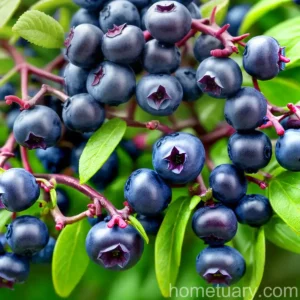
Blueberry (Vaccinium corymbosum ‘ZF06-043’ BUSHEL AND BERRY PEACH SORBET)
Introduction
Blueberries are a popular and delicious fruit crop that belongs to the genus Vaccinium, which also includes cranberries and bilberries. Among the various blueberry cultivars available, the Vaccinium corymbosum ‘ZF06-043’ BUSHEL AND BERRY PEACH SORBET stands out for its unique appeal and exceptional characteristics. In this comprehensive guide, we will explore the key aspects of this blueberry variety, including its culture, uses, maintenance, and much more.
Key Takeaways
Before delving into the specifics, let’s outline some key takeaways about the blueberry (Vaccinium corymbosum ‘ZF06-043’ BUSHEL AND BERRY PEACH SORBET):
- Compact blueberry plant suitable for small spaces and container gardening.
- Ornamental blueberry variety with attractive foliage and delectable fruits.
- Cold-hardy and low-maintenance, making it an ideal choice for various climates.
- The blueberry cultivar produces flavorful fruits and offers numerous health benefits.
- It can be grown in gardens, landscapes, and even small patios, making it a versatile plant for different settings.
Now, let’s dive into the details of cultivating and caring for this exceptional blueberry variety.
Culture
Uses
The ‘ZF06-043’ BUSHEL AND BERRY PEACH SORBET blueberry variety is valued for its dual-purpose nature. Not only does it offer delectable, juicy blueberries for culinary use, but it also serves as an ornamental plant, enhancing the visual appeal of gardens and landscapes. Its compact size and vibrant foliage make it a versatile addition to various settings, from traditional gardens to urban balconies.
Water
Proper watering is essential for the healthy growth and fruit production of blueberries. ‘ZF06-043’ BUSHEL AND BERRY PEACH SORBET thrives in moist, well-drained soil. It is important to ensure consistent moisture, especially during the fruiting season, without causing waterlogging.
Sunlight
Blueberries, including the ‘ZF06-043’ cultivar, require ample sunlight for optimal growth and fruit development. They thrive in full sun to partial shade, with at least 6-8 hours of direct sunlight per day being ideal.
Fertilizer
When it comes to fertilizing blueberries, a balanced fertilizer specifically formulated for acid-loving plants is recommended. It is crucial to avoid excessive nitrogen, as it can negatively impact fruit production. Applying the appropriate fertilizer in spring and early summer can support healthy growth and abundant fruiting.
Soil
Acidic, well-drained soil with a pH level between 4.5 and 5.5 is ideal for blueberries. Before planting ‘ZF06-043’ BUSHEL AND BERRY PEACH SORBET, it is important to test the soil and amend it if necessary to create an optimal growing environment for the plant.
Pruning
Pruning is a key aspect of blueberry plant care, promoting vigorous growth, fruit production, and maintaining plant health. For ‘ZF06-043’ BUSHEL AND BERRY PEACH SORBET, regular pruning helps remove old wood, improve air circulation, and stimulate the growth of new branches.
Propagation
Blueberries can be propagated through various methods such as hardwood cuttings, softwood cuttings, and even air layering. The ‘ZF06-043’ BUSHEL AND BERRY PEACH SORBET variety can be propagated to expand your blueberry plant collection or share the joy of growing blueberries with others.
Container Popularity
The compact nature of ‘ZF06-043’ BUSHEL AND BERRY PEACH SORBET makes it highly suitable for container gardening. Its ornamental appeal, combined with the convenience of container growth, makes it a popular choice for urban gardeners, patio owners, and anyone with limited gardening space.
Container Common Diseases
When growing blueberries in containers, it’s important to be mindful of potential diseases that may affect the plants. Some common diseases to watch out for include powdery mildew, mummy berry disease, and root rot, which can be managed through proper cultural practices and timely interventions.
Disease Diagnosis
Diagnosing blueberry diseases often involves careful observation of the plant’s symptoms, such as leaf discoloration, wilting, or unusual growths. Identifying the specific disease affecting the plant is crucial for implementing effective treatment measures and preventing further spread.
Common Pests
Blueberry plants, including the ‘ZF06-043’ BUSHEL AND BERRY PEACH SORBET variety, can be susceptible to certain pests such as aphids, spider mites, and fruitworms. Vigilant monitoring and integrated pest management strategies are essential for keeping these pests under control.
Botanist’s Tips
As a plant scientist, I would recommend conducting regular soil tests to ensure the pH levels remain within the optimal range for blueberries. Additionally, incorporating organic matter into the soil and providing adequate mulching can greatly benefit the overall health and productivity of ‘ZF06-043’ BUSHEL AND BERRY PEACH SORBET.
Fun Facts
- Blueberries are one of the few truly blue foods in the world, and their color comes from anthocyanins, which are powerful antioxidants.
- The blueberry plant is native to North America and has been enjoyed by indigenous peoples for centuries.
- Blueberries are a rich source of vitamins, minerals, and dietary fiber, contributing to their reputation as a superfood.
- There are different blueberry species and cultivars, each offering unique flavors and characteristics.
Links to External Resources
In conclusion, the ‘ZF06-043’ BUSHEL AND BERRY PEACH SORBET blueberry variety presents a delightful combination of ornamental beauty and delicious, nutritious fruit production. Whether grown in gardens, containers, or landscapes, its compact nature, cold-hardiness, and low maintenance requirements make it a valuable addition to any horticultural space. With proper care and attention, this blueberry cultivar can thrive and bring joy to gardeners and blueberry enthusiasts alike.
Let’s continue to explore and celebrate the diverse and enriching world of blueberries and their cultivation.
References:
– Hartz, T. K., & Lewis, D. C. (2012). “Fertilizing Highbush Blueberries in California” University of California, Agriculture and Natural Resources. Retrieved from Fertilizing Highbush Blueberries in California
– Strik, B. C., & Yarborough, D. (2008). “Commercial Small Fruit Cultivars for Oregon.” Oregon State University Extension Service. Retrieved from Commercial Small Fruit Cultivars for Oregon
– Retamales, J. B., & Hancock, J. F. (2012). “Blueberries” CABI. Retrieved from Blueberries