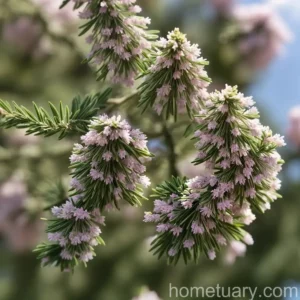
Highbush Blueberry (Vaccinium ‘Northcountry’) – A Comprehensive Guide
Highbush blueberries, scientifically known as Vaccinium ‘Northcountry’, are a popular and rewarding fruit to grow for both commercial and home gardeners. This guide aims to provide a comprehensive overview of highbush blueberry cultivation, its benefits, care tips, varieties, pests and diseases, propagation methods, and much more.
What is the Highbush Blueberry (Vaccinium ‘Northcountry’)?
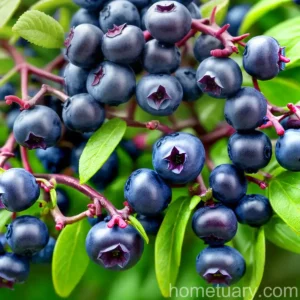
The highbush blueberry, Vaccinium corymbosum, is a species of blueberry native to Eastern North America. Vaccinium ‘Northcountry’ is a specific cultivar known for its hardiness and deliciously sweet berries. This deciduous shrub belongs to the Ericaceae family and typically grows to a height of 4-7 feet, making it a popular choice for home gardens and commercial berry farms.
Key Takeaways – Highbush Blueberry (Vaccinium ‘Northcountry’)
Before delving into the specifics of cultivation, let’s outline some of the key takeaways about highbush blueberries, particularly the Vaccinium ‘Northcountry’ cultivar.
- Scientific Name: Vaccinium ‘Northcountry’
- USDA Hardiness Zones: 3-7
- Mature Height: 4-6 feet
- Mature Spread: 3-4 feet
- Soil pH: 4.5-5.5
- Sunlight: Full sun to partial shade
- Watering: Evenly moist, well-draining soil
- Harvest Time: Mid to late summer
- Use: Fresh eating, baking, preserves
Now, let’s explore each of these aspects in detail to understand how to best care for and cultivate Vaccinium ‘Northcountry’ in various settings.
Cultivation
Soil
The highbush blueberry, including the ‘Northcountry’ cultivar, thrives in acidic, well-draining soil. They prefer a pH range of 4.5-5.5 and benefit from organic matter.
- Ideal Soil Type: Sandy loam
- pH Level: 4.5-5.5
- Organic Matter: Incorporate peat moss or compost during planting
Water
Proper watering is essential for the healthy growth and fruiting of highbush blueberries. They require consistently moist soil, especially during the growing season and as the berries develop.
- Watering Frequency: Regular, especially during dry spells
- Watering Method: Drip irrigation or soaker hoses to keep the soil consistently moist
- Mulching: Apply a 2-4 inch layer of mulch to retain soil moisture and suppress weeds
Sunlight
Highbush blueberries, including the ‘Northcountry’ variety, thrive in full sun to partial shade. However, for optimal fruit production, they benefit from at least six hours of direct sunlight daily.
- Sun Exposure: Full sun to partial shade
- Ideal Orientation: South or southeast-facing locations for maximum sun exposure
Fertilizer
Proper fertilization is crucial for the growth, health, and fruit production of highbush blueberries.
- Fertilizer Type: Acidic, granular, slow-release fertilizer formulated for acid-loving plants
- Application Timing: Early spring as new growth begins
- Fertilizer Ratio: 10-10-10 or similar balanced formulation
- Avoid fertilizers with high nitrogen content, as this may lead to excessive vegetative growth at the expense of fruiting
Pruning
Pruning is an essential part of caring for highbush blueberries, promoting new growth, maximizing fruit production, and maintaining the overall health of the plants.
- Timing: Late winter to early spring before new growth emerges
- Pruning Objectives: Remove dead, damaged, or diseased wood; thin out crowded branches to improve air circulation and light penetration; encourage new growth for future fruiting
- Tools: Clean, sharp pruning shears or loppers to make clean cuts without causing unnecessary damage to the plants
Propagation
Vaccinium ‘Northcountry’ can be propagated through several methods, including hardwood cuttings, softwood cuttings, and division of mature plants.
- Propagation Timing: Late fall or early spring
- Method: Select healthy, disease-free branches for cuttings or division
- Hormone Treatment: Rooting hormone may be used to promote the development of new roots
- Soil Medium: Well-draining, slightly acidic medium such as a mix of peat moss and perlite
- Environmental Conditions: Provide warmth and high humidity to encourage successful rooting
Container Gardening
While Vaccinium ‘Northcountry’ can thrive in traditional garden settings, it is also well-suited to container gardening, allowing individuals with limited space to enjoy growing fresh blueberries.
- Container Selection: Choose large containers with adequate drainage holes
- Soil: Use a well-draining, acidic potting mix specifically formulated for acid-loving plants
- Watering: Monitor soil moisture regularly, as containers may dry out more quickly than garden beds
- Sunlight: Place containers in a location that receives at least six hours of direct sunlight daily
- Size: Larger containers allow for more abundant root growth and support the overall health of the blueberry plant
Popularity
The popularity of highbush blueberries, including the ‘Northcountry’ cultivar, continues to rise due to their nutritional value, versatility in the kitchen, and easy-to-grow nature.
- Nutritional Value: Highbush blueberries are rich in antioxidants, vitamins C and K, and dietary fiber
- Versatility: Suitable for fresh eating, baking, jams, jellies, and freezing for long-term storage
- Health Benefits: Consumption of blueberries is associated with various health benefits, including improved cognitive function and heart health
- Landscape Appeal: The attractive spring flowers, delicious berries, and colorful autumn foliage make highbush blueberries desirable for home landscapes and edible gardens
Common Diseases
Like all plants, highbush blueberries, including the ‘Northcountry’ cultivar, are susceptible to certain diseases that can impact their growth and fruiting.
- Mummy Berry: Caused by the fungus Monilinia vaccinii-corymbosi, leading to shriveled, mummified fruit; preventive measures include proper sanitation and fungicidal treatments during bud break
- Powdery Mildew: Characterized by a white powdery coating on leaves and stems; manage through adequate air circulation, proper spacing, and fungicidal treatments if necessary
- Anthracnose: Fungal disease causing brown spots on leaves and fruit; maintain good garden hygiene and consider fungicidal applications during wet weather
Disease Diagnosis
Early detection and diagnosis of diseases are essential for effective management and control. Regular monitoring of the plants and understanding the symptoms are crucial for timely intervention.
- Visual Symptoms: Examine leaves, stems, and fruit for any abnormal discoloration, spots, or unusual growth
- Texture and Consistency: Check for any unusual textures, such as powdery coatings, spots, or lesions
- Fruit Appearance: Monitor the development of fruit and look for any signs of abnormal growth, discoloration, or deformities
- Professional Consultation: If unsure about a particular symptom, consider consulting with a local extension office or plant pathology expert for accurate diagnosis
Common Pests
Several pests can affect highbush blueberries, potentially impacting plant health and fruit production.
- Spotted Wing Drosophila: Small fruit fly causing damage to ripening fruit; monitor fruit and implement timely harvesting methods to minimize infestation
- Blueberry Maggots: Larvae feeding within berries and causing fruit damage; use pheromone traps and consider insecticidal control if necessary
- Blueberry Gall Midge: Maggots feeding within the buds, leading to distorted growth; promote natural predators and consider pruning infested shoot tips
Botanist’s Tips
As a botanist, I have several tips for successful highbush blueberry cultivation, specifically focusing on the ‘Northcountry’ variety.
- Promote Pollination: Encourage pollinators such as bees by planting pollinator-friendly flowers near your blueberry bushes
- Test Soil pH: Regularly monitor and adjust the soil pH to ensure it remains within the ideal range for blueberry growth
- Rotate Pest Control Methods: Employ integrated pest management strategies, including cultural, biological, and, if necessary, chemical control methods to manage pests effectively
- Winter Care: Protect blueberry bushes during winter by applying a layer of mulch around the base of the plants and covering them with breathable fabric in the event of extreme cold
Fun Facts
To add an element of enjoyment to your understanding of Vaccinium ‘Northcountry’, here are some fascinating and fun facts about highbush blueberries:
- Blueberry Origins: Native American tribes have long valued and cultivated blueberries, incorporating them into traditional recipes and medicinal practices
- Antioxidant Powerhouse: Blueberries are renowned for their high antioxidant content, contributing to their health benefits and appealing nutritional profile
- Bursting with Flavor: Highbush blueberries are known for their deliciously sweet and tangy flavor, making them a sought-after fruit for both fresh consumption and culinary uses
Links to External Resources
For further information and in-depth guidance on highbush blueberry cultivation, care, and management, consider exploring the resources provided below:
-
University of Maine Cooperative Extension – Highbush Blueberries– Explore research-based information on highbush blueberry cultivation and management, including variety selection, pest control, and pruning techniques.
-
North Carolina State University Extension – Growing Blueberries in the Home Garden – Access a comprehensive guide on cultivating blueberries in home gardens, covering topics such as site selection, soil preparation, and pest management.
-
The Ohio State University – Blueberry Cultural Practices for Michigan – Review best practices for blueberry cultivation specific to Michigan, encompassing pruning methods, soil amendments, and winter care.
-
University of Florida IFAS Extension – Blueberry Pest Management– Gain insights into various pests affecting blueberries and effective management strategies to mitigate their impact.
-
University of California Agriculture and Natural Resources – Home Garden Blueberries – Consult this guide for recommendations on selecting blueberry varieties, planting and care, watering, and harvesting techniques for home gardeners.
-
Royal Horticultural Society – Growing Blueberries – Delve into a wealth of information on growing blueberries, including cultivation, variety selection, and soil requirements, from one of the leading horticultural organizations.
In conclusion, the cultivation of highbush blueberries, particularly the ‘Northcountry’ cultivar, holds immense potential for home gardeners and commercial growers alike. By understanding the specific care requirements, nurturing healthy plants, and addressing potential challenges, individuals can enjoy a bountiful harvest of delicious, nutritious blueberries.
Remember to tailor your approach to the specific needs of Vaccinium ‘Northcountry’ and continually seek knowledge from reputable sources to enhance your blueberry growing journey. Happy gardening!
This comprehensive guide aims to provide valuable insights for individuals interested in the cultivation and care of highbush blueberries, particularly the Vaccinium ‘Northcountry’ cultivar. Covering essential aspects such as soil, water, sunlight, fertilizer, pruning, propagation, container gardening, popularity, diseases, pests, and additional tips, the content offers a thorough understanding of successfully nurturing these delightful and nutritious fruits. For further resources and detailed guidance, the provided external links offer a wealth of knowledge and expert recommendations.