The Amazing “Early Meadow-Rue” (Thalictrum dioicum)

When it comes to adding beauty and diversity to a garden, early meadow-rue (Thalictrum dioicum) is a plant that certainly stands out. This native North American wildflower offers a delightful display of fern-like foliage and delicate, airy flowers in the early spring.
What is the “early meadow-rue” (Thalictrum dioicum)?
As a plant scientist, it’s exciting to delve into the world of Thalictrum dioicum. Commonly known as early meadow-rue, it is a species of flowering plant in the buttercup family Ranunculaceae. This herbaceous perennial is native to eastern North America, where it can be found in woodlands, meadows, and along stream banks.
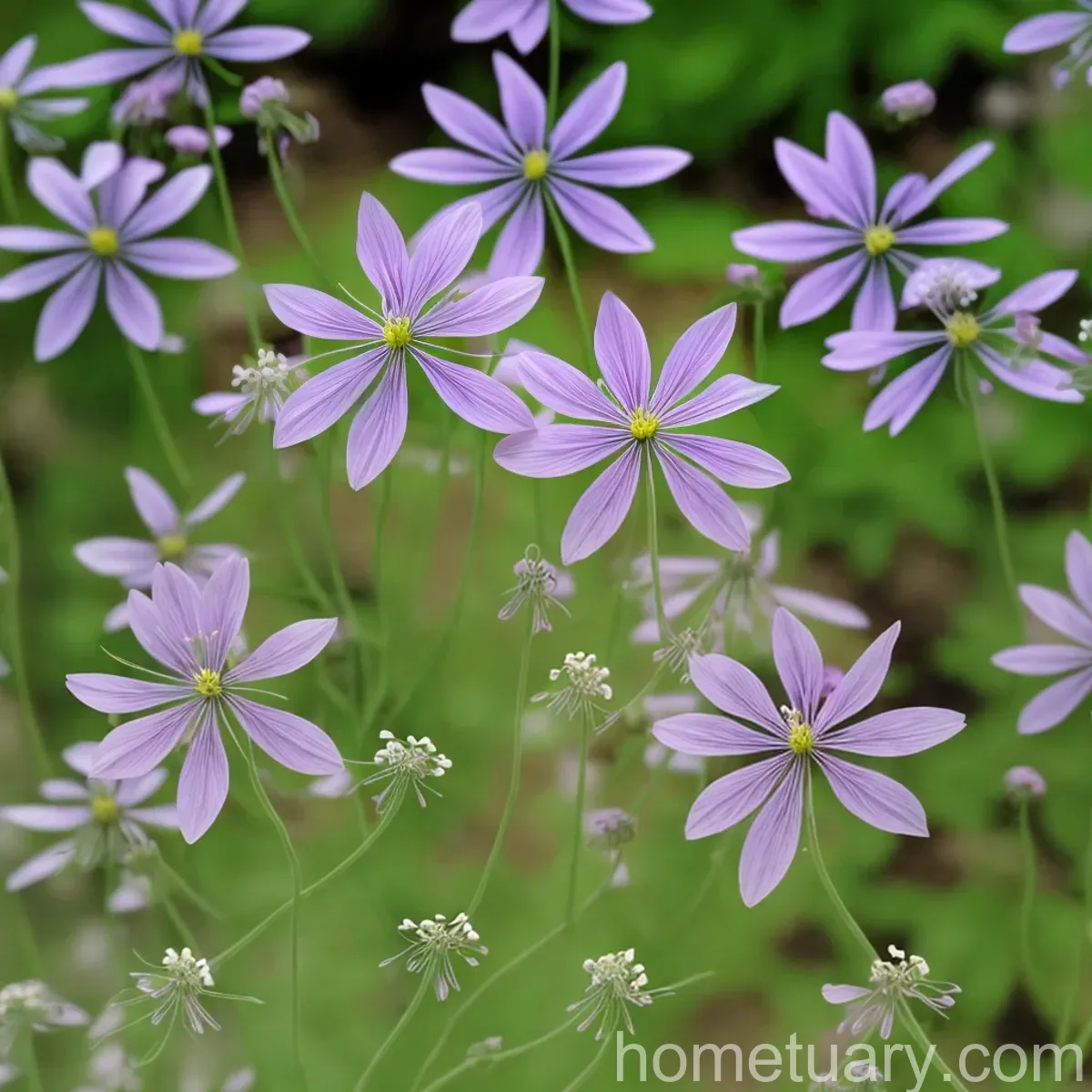
Early meadow-rue is characterized by its deeply lobed, delicate, green, fern-like foliage that emerges in early spring, followed by clusters of small, fuzzy, greenish-white to purple flowers. This early-blooming plant is an essential addition to woodland gardens, rain gardens, and naturalized areas, where it attracts pollinators like butterflies and other beneficial insects.
Key Takeaways – Early Meadow-Rue (Thalictrum dioicum)
Before we explore the culture, uses, and care requirements of early meadow-rue, let’s summarize its key takeaways:
- Common Name: Early Meadow-Rue
- Scientific Name: Thalictrum dioicum
- Family: Ranunculaceae
- Native Range: Eastern North America
- Habitat: Woodlands, meadows, stream banks
- Flowering Season: Early spring
- Attracts: Butterflies, pollinators
Culture of Early Meadow-Rue
Uses
Early meadow-rue has been valued for its ornamental and ecological uses. Let’s explore its diverse applications:
- Ornamental Value: This plant adds a unique texture and delicate beauty to shaded gardens and naturalized areas. Its fern-like foliage and early spring flowers make it a standout in woodland and meadow-inspired landscapes.
- Ecological Importance: As a native plant, early meadow-rue plays a crucial role in supporting local pollinators, such as butterflies and other beneficial insects. Its nectar and pollen provide essential early-season food sources.
Water
Early meadow-rue thrives in consistently moist soil, making it an excellent choice for rain gardens, woodland gardens, and other areas with damp, well-draining soil. While it prefers moist conditions, it can tolerate brief periods of drier soil once established. However, it’s essential to monitor its moisture levels, especially during hot and dry periods.
Sunlight
As a shade-loving plant, early meadow-rue performs best in partial to full shade. It is well-suited for planting under deciduous trees, along woodland edges, or in areas that receive dappled sunlight throughout the day. While it can tolerate some morning sun, it generally appreciates protection from intense afternoon sun.
Fertilizer
Early meadow-rue generally does not require heavy fertilization. However, incorporating organic matter, such as compost or well-rotted manure, into the soil before planting can provide essential nutrients and improve soil structure. A balanced, slow-release fertilizer applied in early spring can also support healthy growth.
Soil
The ideal soil for early meadow-rue is rich, moist, and well-draining. It thrives in loamy, slightly acidic to neutral soils with good organic matter content. Additionally, the soil should maintain consistent moisture without becoming waterlogged. Amending the soil with organic matter before planting can create an optimal growing environment for this woodland plant.
Pruning
Pruning requirements for early meadow-rue are minimal. In late winter or early spring, any dead or damaged foliage from the previous growing season can be removed to promote the emergence of new growth. Additionally, spent flower stems can be trimmed back to encourage a tidy appearance and potentially extend the blooming period.
Propagation of Early Meadow-Rue
Seed Propagation
Early meadow-rue can be propagated from seeds, making it an excellent choice for gardeners interested in growing this beautiful wildflower from scratch. Here’s how to propagate it from seed:
- Seed Harvesting: Collect mature seed heads in late summer or early fall when they have turned brown and are beginning to open.
- Seed Preparation: Separate the seeds from the seed heads and allow them to air dry for a few days.
- Sowing: Sow the seeds in a seed-starting mix in containers or directly in the ground in the fall, as they require a period of cold stratification to germinate.
- Seedling Care: Keep the soil consistently moist and provide a location with filtered light as the seedlings emerge. Transplant them to their permanent location in the garden in the following spring.
Division
Early meadow-rue can also be propagated through division, particularly when clumps become overcrowded or to expand its presence in the garden. Here’s a basic guide to dividing early meadow-rue:
- Timing: The best time to divide early meadow-rue is in early spring just as new growth begins to emerge.
- Division Process: Carefully dig up the clump and use a sharp, clean knife or shovel to separate the plant into smaller sections, ensuring that each division has healthy roots and several shoots.
- Planting: Replant the divisions at the same depth they were growing at previously, and water them thoroughly to help them establish in their new locations.
Container Gardening with Early Meadow-Rue
While early meadow-rue is primarily known for its presence in naturalized settings, it can also be grown successfully in containers under the right conditions. When choosing to grow it in containers, consider the following factors:
- Container Size: Select a container with sufficient depth and width to accommodate the plant’s root system and to provide stability.
- Soil: Use a well-draining, high-quality potting mix with added organic matter to support healthy growth.
- Moisture: Containers can dry out more quickly than garden soil, so be attentive to the plant’s watering needs, especially during hot and dry periods.
- Light: Place the container in a location that receives dappled or partial shade, ensuring the plant is protected from intense afternoon sun.
Popularity of Early Meadow-Rue
Early meadow-rue has gained popularity among gardeners and landscapers for its enchanting beauty and ecological benefits. Its unique foliage and early-blooming flowers make it a sought-after addition to woodland gardens, rain gardens, and naturalized areas. Additionally, its ability to attract butterflies and other pollinators enhances its appeal to those seeking to create wildlife-friendly landscapes.
In recent years, there has been an increasing appreciation for native plants, leading to a resurgence in the popularity of species like early meadow-rue. As more gardeners prioritize sustainability and ecological stewardship, native plants are being recognized for their role in supporting local ecosystems and promoting biodiversity.
Common Diseases of Early Meadow-Rue
Disease Diagnosis
While early meadow-rue is generally resilient and low-maintenance, it can be susceptible to certain diseases and fungal issues, particularly in conditions that are overly moist or poorly ventilated. In such cases, it’s crucial to be familiar with the following common diseases:
- Powdery Mildew: This fungal disease appears as a powdery, white substance on the leaves, often in humid or crowded growing conditions.
- Rust: Rust is characterized by orange or rust-colored spots on the leaves, which can weaken the plant if severe infestations occur.
- Botrytis Blight: Also known as gray mold, botrytis blight can affect early meadow-rue during periods of high humidity, causing wilting and decay of the foliage.
Detection and diagnosis of diseases in plants are vital steps in preventing their spread and managing their impact on the garden. Regular monitoring of the plant, prompt action at the first signs of disease, and the use of appropriate cultural practices can help minimize disease incidence.
Common Pests Affecting Early Meadow-Rue
Early meadow-rue generally experiences minimal pest pressure, but it can be affected by a few common garden pests. Here are some pests to be aware of when growing this lovely plant:
- Aphids: These small, soft-bodied insects may infest the new growth and flower buds, causing distortion of the foliage and potential decrease in plant vigor.
- Spider Mites: These tiny arachnids can create fine webbing on the plant and cause stippling and discoloration of the leaves as they feed on the plant juices.
- Slugs and Snails: These mollusks can cause damage by feeding on the foliage, leaving behind ragged edges and holes in the leaves.
Implementing integrated pest management practices, such as promoting natural predators, using physical barriers, and applying organic remedies, can help manage pest issues without resorting to chemical controls.
Botanist’s Tips for Growing Early Meadow-Rue
As a plant scientist, here are some specialized tips to help you successfully grow and enjoy the beauty of early meadow-rue in your garden:
- Site Selection: Choose a location with partial to full shade and well-draining, moist soil to provide the ideal growing conditions for this species.
- Companion Plants: Pair early meadow-rue with other shade-loving perennials, such as hostas, ferns, and astilbes, to create a lush and diverse woodland garden.
- Wildlife Gardening: Incorporate early meadow-rue into wildlife-friendly landscapes to support local pollinators and contribute to the ecological health of your garden.
- Naturalizing: Consider planting early meadow-rue in naturalized areas where it can spread and form attractive colonies, adding a rustic charm to the landscape.
Fun Facts About Early Meadow-Rue
- The common name “meadow-rue” is derived from the resemblance of the foliage to that of the true rue plants (Ruta spp.), which are not botanically related.
- Early meadow-rue is a host plant for the larvae of several butterfly species, contributing to the life cycle of these beautiful pollinators.
- In traditional herbal medicine, certain Native American tribes used the roots of Thalictrum dioicum for various medicinal purposes, such as treating coughs and sore throats.
Links to External Resources
- Lady Bird Johnson Wildflower Center – Thalictrum dioicum
- Missouri Botanical Garden – Early Meadow-Rue
In conclusion, early meadow-rue (Thalictrum dioicum) is a captivating and ecologically valuable plant that deserves a place in gardens and naturalized landscapes. Its early spring blooms, shade tolerance, and wildlife-attracting properties make it a standout choice for those seeking to enhance the natural beauty and biodiversity of their outdoor spaces. By understanding its cultural requirements, propagation methods, and potential challenges, gardeners can successfully incorporate this enchanting native wildflower into their green spaces and contribute to the promotion of ecological sustainability and habitat conservation.