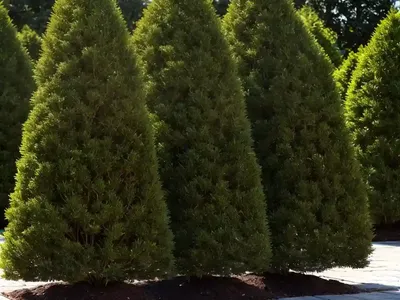
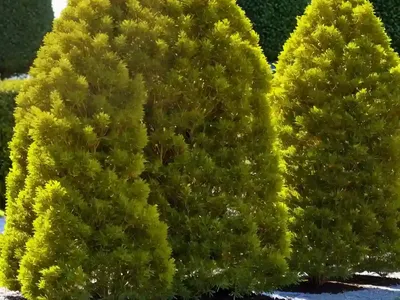
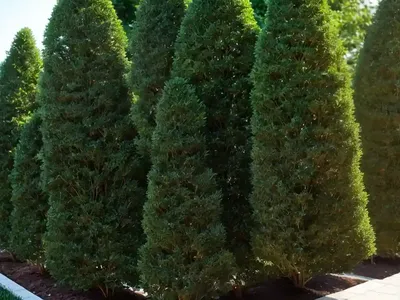
American Arborvitae (Thuja Occidentalis ‘Wansdyke Silver’)
Plants are an essential part of our environment and come in a vast array of shapes, sizes, and varieties. They not only contribute to the aesthetic beauty.
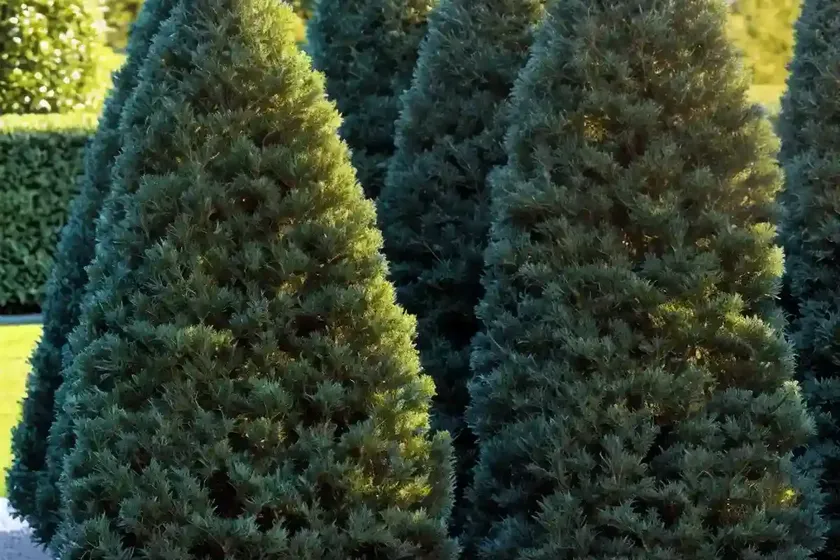
Plants are an essential part of our environment and come in a vast array of shapes, sizes, and varieties. They not only contribute to the aesthetic beauty of the earth but also provide various ecosystem services. One such plant that significantly impacts our surroundings is the American Arborvitae, scientifically known as Thuja occidentalis ‘Wansdyke Silver’.
In this comprehensive guide, we will delve into the various aspects of this beautiful plant, including its culture, uses, water and sunlight requirements, fertilizer and soil needs, pruning, propagation, common diseases, pests, and more. Let’s embark on a journey to explore the fascinating world of American Arborvitae.
About the American Arborvitae (Thuja occidentalis ‘Wansdyke Silver’)
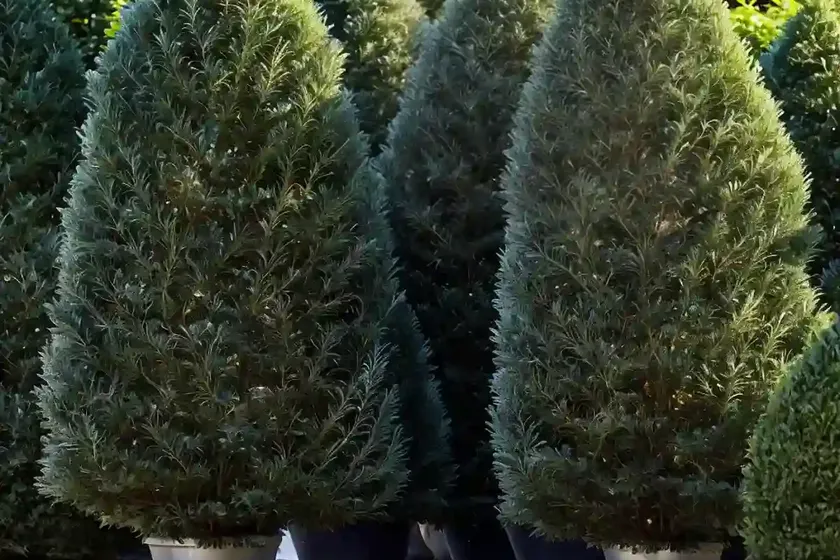
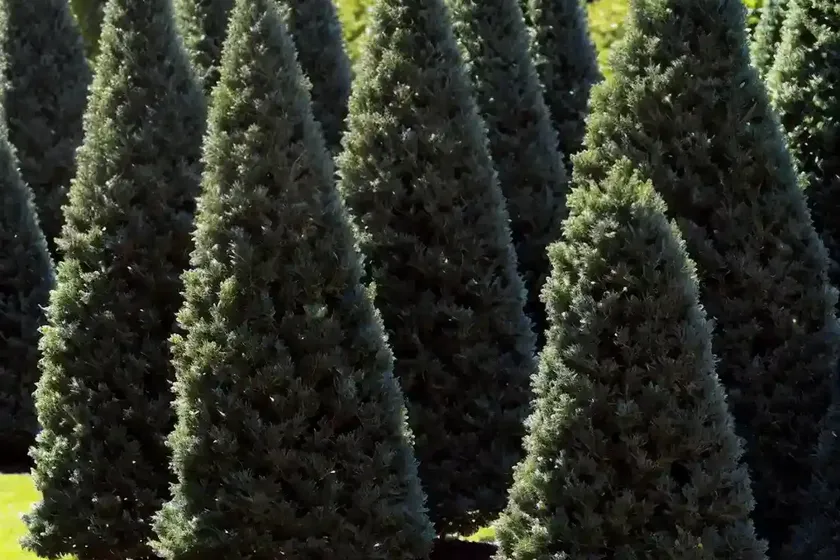
The American arborvitae, also known as Eastern arborvitae, is a popular evergreen tree that belongs to the cypress family, Cupressaceae. It is native to North America and is widely cultivated for its ornamental and landscaping purposes. ‘Wansdyke Silver’ is a specific cultivar known for its unique foliage color and compact growth habit.
Key Takeaways – American Arborvitae (Thuja occidentalis ‘Wansdyke Silver’)
- Scientific Name: Thuja occidentalis ‘Wansdyke Silver’
- Family: Cupressaceae
- Common Names: American arborvitae, Eastern arborvitae, Wansdyke Silver arborvitae
- Cultivar: Wansdyke Silver
- Type: Evergreen tree
- Foliage Color: Silver-gray
- Growth Habit: Compact, pyramidal
With its striking appearance and versatile nature, American Arborvitae is a favored choice for landscapes, gardens, and horticultural designs. It offers an array of benefits and is relatively low-maintenance, making it an attractive option for both amateur and experienced gardeners.
Culture
The American Arborvitae has specific cultural requirements that are essential for its optimal growth and development. Understanding its cultural needs is crucial for ensuring the plant’s health and longevity.
Water
Proper watering is essential for the establishment and health of American Arborvitae. While it is essential to provide adequate moisture, it is equally important to avoid waterlogging, which can lead to root rot and other issues.
- Watering Frequency: Regular watering during the first year of planting to establish the root system. Once established, it can withstand periods of drought.
- Watering Method: Deep, infrequent watering is preferred over frequent shallow watering. Water at the base of the plant to ensure the moisture reaches the root zone.
Sunlight
American Arborvitae thrives in various light conditions, but it prefers full sunlight for optimal growth and foliage coloration.
- Sun Exposure: Full sun to partial shade
- Ideal Light Conditions: Direct sunlight for at least 6-8 hours a day
- Shade Tolerance: It can tolerate partial shade, especially in hot climates.
Fertilizer
Proper fertilization ensures that the American Arborvitae receives essential nutrients for healthy growth and development.
- Fertilizer Type: Balanced, slow-release fertilizer formulated for evergreen trees and shrubs.
- Fertilization Schedule: Apply fertilizer in early spring before the onset of new growth.
- Application Method: Spread the fertilizer evenly around the tree, avoiding direct contact with the trunk. Water thoroughly after application.
Soil
The soil composition plays a vital role in the overall health and vigor of the American Arborvitae. It thrives in well-draining soils with a slightly acidic to neutral pH.
- Soil Type: Loamy, well-draining soil
- pH Range: 6.0-7.5
- Soil Amendments: Organic matter, such as compost or peat moss, can be incorporated into the soil to improve its structure and fertility.
Pruning
Pruning is an important aspect of American Arborvitae maintenance, contributing to its overall appearance, health, and structural integrity.
- Pruning Objectives: To maintain a desirable shape, remove dead or damaged branches, and control the size of the plant.
- Pruning Time: Early spring or late winter before the onset of new growth. Avoid heavy pruning during the growing season.
- Pruning Technique: Use sharp, clean pruning tools to make precise cuts. Proper sanitation is important to prevent the spread of diseases.
Propagation
Propagating American Arborvitae allows gardeners to expand their plant collection and create new specimens from existing ones.
- Propagation Methods:
- Seed propagation
- Softwood cuttings
-
Layering
-
Propagation Time: Softwood cuttings are typically taken in early summer, while seed propagation is done in the fall.
- Propagation Medium: Well-draining, sterile propagation medium for cuttings. Seed starting mix for seed propagation.
- Propagation Environment: Maintain high humidity and provide bottom heat for optimal rooting.
Container Popularity
American Arborvitae is also well-suited for container cultivation, offering a versatile option for individuals with limited garden space.
- Container Selection: Choose large, sturdy containers with drainage holes to accommodate the plant’s root system.
- Soil Mix: Well-draining, nutrient-rich potting mix formulated for trees and shrubs.
- Container Size: Select a container that allows the plant to grow without becoming root-bound.
Uses
The American Arborvitae serves various purposes in landscaping, horticulture, and environmental enhancement.
- Landscape Use:
- Privacy screening
- Windbreaks
- Ornamental accent
-
Hedge planting
-
Environmental Benefits:
- Carbon sequestration
- Wildlife habitat
- Soil erosion control
- Air purification
Common Diseases
Like any other plant, American Arborvitae is susceptible to certain diseases that can impact its overall health and appearance.
Disease Diagnosis
Understanding the symptoms and signs of common diseases is crucial for timely intervention and management.
- Common Diseases:
- Needle blight
- Canker diseases
- Root rot
-
Twig blight
-
Diagnostic Signs:
- Discoloration or browning of foliage
- Development of cankers on branches
- Wilting or dieback of plant parts
Common Pests
Pest infestations can compromise the vitality of American Arborvitae, requiring proactive pest management measures.
- Common Pests:
- Spider mites
- Bagworms
- Scale insects
-
Aphids
-
Pest Identification: Inspect the foliage, stems, and trunk for signs of pest activity. Look for webbing, feeding damage, and the presence of pests.
Botanist’s Tips
- Species Diversity: Explore the diverse range of Thuja occidentalis varieties and cultivars to expand your botanical knowledge and collection.
- Cultural Adaptability: Understand the adaptability of American Arborvitae to various environmental conditions and explore its potential for different landscape settings.
- Integrated Pest Management: Implement an integrated approach to pest management, incorporating cultural, biological, and chemical control strategies as needed.
Fun Facts
- The term “arborvitae” is derived from the Latin words “arbor” and “vitae,” which collectively mean “tree of life,” reflecting the plant’s historical significance and medicinal uses.
- American Arborvitae has been traditionally used by Indigenous communities for various purposes, including crafting utensils and herbal remedies.
Now that we have delved into the various aspects of American Arborvitae (Thuja occidentalis ‘Wansdyke Silver’), it is time to explore the best practices for its care and cultivation. By understanding its cultural requirements, uses, and potential challenges, we can foster the optimal growth and health of this remarkable evergreen tree.
Links to External Resources
For additional information and resources on American Arborvitae, consider exploring the following links:
- The American Conifer Society
- University Extension Resources on Arborvitae Care
- Horticultural Research on Thuja occidentalis
In conclusion, the American Arborvitae (Thuja occidentalis ‘Wansdyke Silver’) stands as a testament to the beauty and resilience of nature. By embracing its unique characteristics and integrating it into our landscapes, we can create harmonious and sustainable environments enriched by the presence of this exceptional evergreen tree. Whether used for privacy screening, ornamental accents, or environmental stewardship, the American Arborvitae continues to captivate and inspire plant enthusiasts and environmental advocates alike.