Meadow Rue (Thalictrum aquilegiifolium): A Comprehensive Guide
In the vast and captivating world of horticulture, the meadow rue, scientifically known as Thalictrum aquilegiifolium, stands out as a captivating perennial plant that has enchanted gardeners and botanists alike for centuries. Its delicate flowers, elegant foliage, and diverse uses make it a beloved addition to gardens, landscapes, and natural habitats. In this comprehensive guide, we will delve into the various aspects of the meadow rue, exploring its cultural significance, growth requirements, uses, and much more.
What is Meadow Rue (Thalictrum aquilegiifolium)?
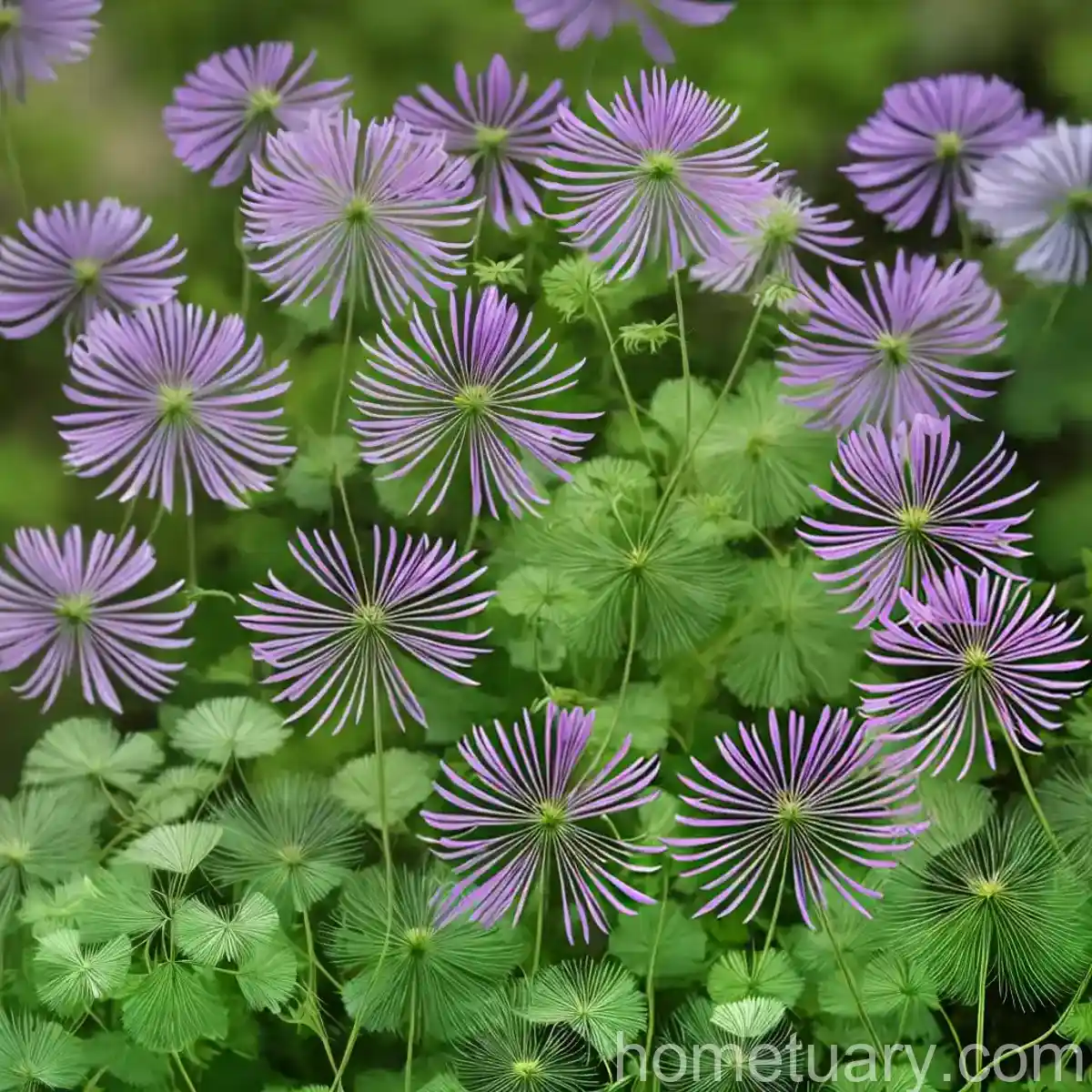
Meadow rue, also known by its scientific name Thalictrum aquilegiifolium, is a herbaceous perennial plant belonging to the Ranunculaceae family. It is native to Europe and Asia, where it can be found adorning meadows, woodlands, and riverbanks with its graceful presence. The plant typically reaches heights of 3 to 6 feet and produces delicate, cloud-like clusters of small, star-shaped flowers that vary in color from pale pink to lavender.
The name “Thalictrum” is derived from the Greek word “thaliktron,” which means “a plant used in sacrifices.” This alludes to the historical significance and traditional uses of the plant. The species name “aquilegiifolium” refers to the resemblance of its foliage to that of the columbine (Aquilegia) plant.
Key Takeaways – Meadow Rue (Thalictrum aquilegiifolium)
Before we delve into the details of cultivating and caring for meadow rue, it’s essential to understand some key takeaways about this intriguing plant. Here are some essential points to remember about Thalictrum aquilegiifolium:
- Scientific Name: Thalictrum aquilegiifolium
- Family: Ranunculaceae
- Native Habitat: Europe and Asia
- Common Names: Meadow rue, greater meadow rue
- Growth Habit: Herbaceous perennial
- Flowering: Clusters of star-shaped flowers in pale pink to lavender
- Cultural Significance: Historically used in traditional medicine and folklore
- Landscape Uses: Ornamental gardens, cottage gardens, pollinator gardens
- Growth Requirements: Requires well-drained soil, partial shade, and regular moisture
- Propagation: Primarily through division
- Disease Resistance: Generally resistant to diseases and pests
Now that we’ve established an overview of meadow rue, let’s explore the intricacies of its cultivation, care, and utilization.
Culture
Understanding the cultural requirements and preferences of meadow rue is instrumental in successfully cultivating and nurturing this exquisite plant. From its soil preferences to its pruning techniques, each aspect plays a crucial role in ensuring the health and vigor of Thalictrum aquilegiifolium.
Uses
Ornamental Value
Meadow rue is primarily cultivated for its ornamental value, as the airy clusters of flowers and distinct foliage add grace and charm to gardens and landscapes. The plant’s towering height makes it a striking addition to borders, woodland gardens, and naturalistic landscapes. Additionally, its graceful appearance and delicate flowers make it a popular choice for floral arrangements and bouquets.
Medicinal and Folk Uses
Historically, meadow rue has been used in various traditional medicinal practices. Extracts from the plant have been employed to treat ailments ranging from fever and digestive issues to skin conditions. Additionally, the plant holds cultural and folklore significance in many regions where it is native, featuring in myths, legends, and traditional ceremonies.
Water
Meadow rue thrives in moist, well-drained soil. While it does require regular watering to maintain its vigor, it is essential to avoid waterlogged conditions, as excessive moisture can lead to root rot and other detrimental issues. During periods of drought or dry weather, providing supplemental watering can help sustain the plant’s health and vitality.
Sunlight
In terms of sunlight requirements, meadow rue displays a preference for partial shade to full sun. While it can tolerate some degree of shade, especially in regions with warmer climates, providing it with ample sunlight generally promotes robust growth and prolific flowering. However, in exceptionally hot climates, providing some afternoon shade can benefit the plant and prevent stress from intense sun exposure.
Fertilizer
Meadow rue typically does not require excessive fertilization and can thrive in moderately fertile soil. Incorporating organic matter into the soil during planting and providing a balanced, slow-release fertilizer in spring can support healthy growth and flowering. It’s important to avoid over-fertilizing, as this can lead to excessive foliage growth at the expense of flowers.
Soil
The ideal soil for meadow rue is rich, well-draining, and slightly acidic to neutral. Loamy soils with good fertility and moisture retention are particularly well-suited for cultivating Thalictrum aquilegiifolium. Additionally, ensuring proper drainage is essential to prevent waterlogging, which can be detrimental to the plant’s health.
Pruning
When it comes to pruning meadow rue, the primary focus is on removing spent flowers and maintaining an attractive growth habit. Deadheading the plant – the process of removing faded flowers – encourages prolonged flowering and prevents the plant from expending energy on seed production. Additionally, removing damaged or diseased foliage and stems promotes overall plant health.
Propagation
Meadow rue can be propagated through various methods, although division is the most common and reliable approach. Dividing established clumps in early spring, just as new growth emerges, allows for the creation of new plants while rejuvenating the existing ones. Additionally, the plant can be propagated from seeds, although this method requires patience and typically yields slower results compared to division.
Container Popularity
The elegant stature and delicate beauty of meadow rue make it a popular choice for container gardening. When grown in large, well-draining containers, it can lend a touch of ethereal charm to balconies, patios, and urban gardens. However, it is important to ensure adequate moisture and appropriate drainage when cultivating meadow rue in containers, as waterlogged conditions can be detrimental to the plant’s health.
Common Diseases
While meadow rue is generally robust and resistant to many diseases, it can be susceptible to certain issues under unfavorable conditions. Some common diseases and problems that may affect Thalictrum aquilegiifolium include:
- Powdery Mildew: This fungal disease can manifest as a powdery, white substance on the leaves, stems, and flowers of meadow rue, potentially impacting its overall health.
- Leaf Spot: Leaf spot diseases can cause dark lesions and discoloration on the foliage, affecting the plant’s aesthetic appeal and potentially weakening its vigor.
- Root Rot: Excessive moisture and waterlogging can lead to rot in the roots, often resulting from poorly draining soil or overwatering.
Disease Diagnosis
Diagnosing potential diseases in meadow rue involves carefully inspecting the plant for symptoms such as unusual discoloration, spots, or powdery coatings on the foliage and stems. Additionally, assessing the growing conditions, including soil moisture, air circulation, and sunlight exposure, can help identify potential factors contributing to disease development.
Common Pests
While meadow rue is relatively resistant to pest infestations, it can occasionally encounter issues with certain pests. Some common pests that may affect Thalictrum aquilegiifolium include:
- Aphids: These small, sap-sucking insects can congregate on tender new growth, causing distortion and stunted growth if left unaddressed.
- Snails and Slugs: These mollusks can feed on the foliage of meadow rue, leaving behind irregular holes and damage.
Botanist’s Tips
Incorporating meadow rue into garden designs and landscapes involves understanding its growth habits, landscape uses, and cultivation requirements. Some tips and recommendations for cultivating and caring for meadow rue include:
- Companion Plants: Pairing meadow rue with companion plants that share similar cultural requirements, such as moisture levels and sunlight preferences, can create harmonious and visually appealing garden compositions.
- Natural Habitat: Understanding the plant’s native habitat and ecological interactions can inform cultivation practices and aid in creating environments that mimic its preferred growing conditions.
- Garden Maintenance: Regular monitoring for signs of diseases, pests, and other issues allows for early intervention and proactive maintenance, promoting the long-term health and vitality of meadow rue.
Fun Facts
Exploring the realm of meadow rue unveils intriguing and captivating aspects of this fascinating plant. Here are some fun and fascinating facts about Thalictrum aquilegiifolium:
- Ethnobotanical Significance: Meadow rue holds historical and ethnobotanical significance, featuring in traditional practices and folklore in various cultures.
- Garden Design: Its airy and elegant appearance makes it a favored choice for cottage gardens, where it imparts a romantic and whimsical ambiance.
- Wildlife Interactions: Meadow rue’s flowers attract pollinators such as bees and butterflies, contributing to the ecological diversity of garden spaces and natural habitats.
Links to External Resources
To further enhance our understanding of meadow rue, explore the following resources for in-depth information and insights:
- Royal Horticultural Society – Thalictrum aquilegiifolium
- Missouri Botanical Garden – Meadow Rue (Thalictrum aquilegiifolium)
- North Carolina State University – Thalictrum aquilegiifolium in the Garden
- The Herb Society of America – Meadow Rue
In conclusion, embarking on the journey of cultivating and appreciating meadow rue, or Thalictrum aquilegiifolium, unveils its captivating beauty, cultural significance, and diverse uses. Whether gracing ornamental gardens, serving in traditional medicine, or attracting pollinators, this elegant perennial plant continues to enchant and inspire plant enthusiasts and botanists worldwide.
The enchanting allure of meadow rue, with its delicate flowers and graceful foliage, epitomizes the intricate and enthralling world of plant life, offering a captivating subject of exploration and admiration.