Meadow Rue (Thalictrum dasycarpum): A Comprehensive Guide
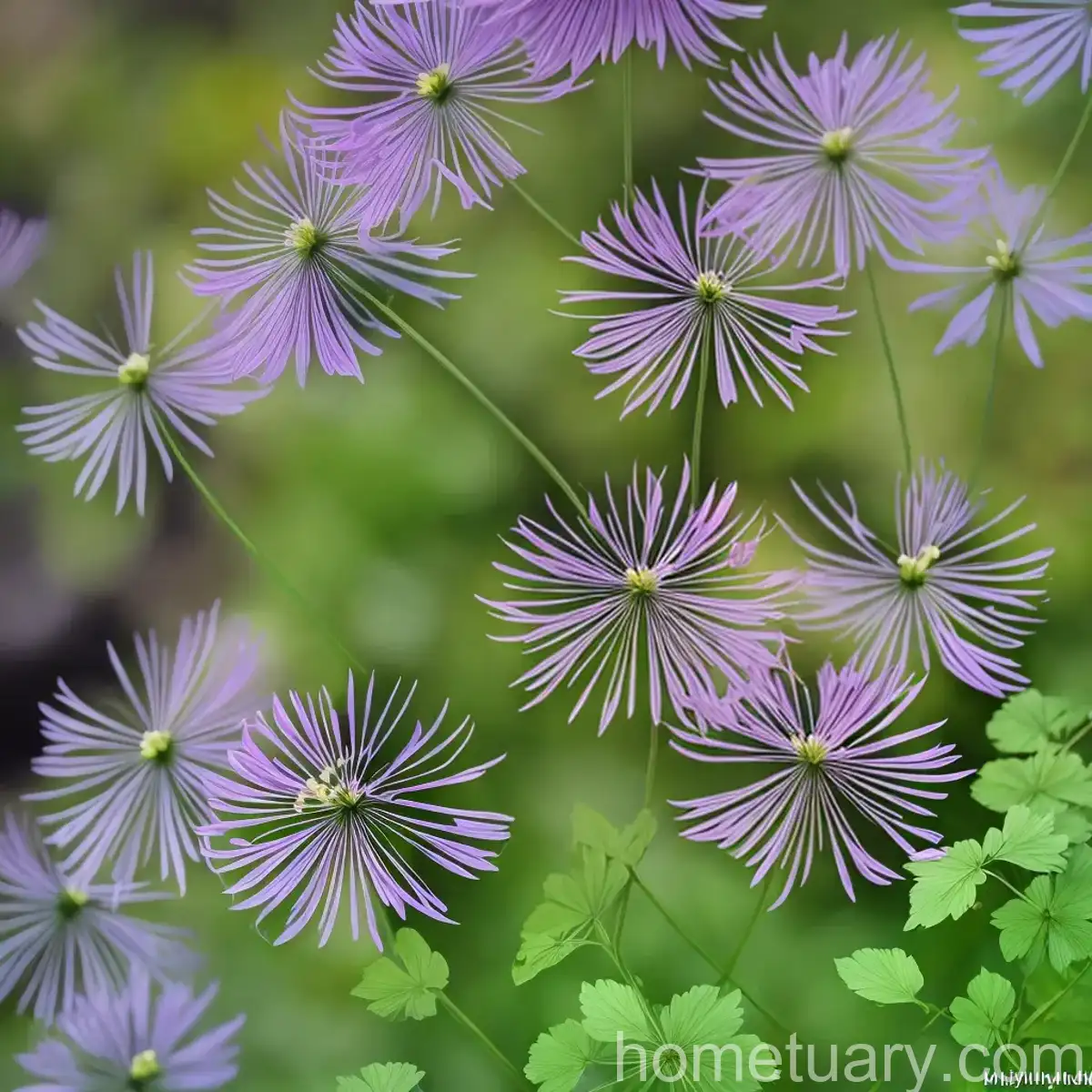
Meadow rue (Thalictrum dasycarpum) is a captivating, delicate perennial plant that’s native to North America. It is known for its airy clusters of tiny, star-shaped flowers and finely divided, lacy foliage. This plant belongs to the Ranunculaceae family, which also includes buttercups and columbines.
In this comprehensive guide, we will delve into the characteristics, cultural requirements, uses, and maintenance of meadow rue. Whether you’re a seasoned gardener or a beginner, this guide will equip you with all the essential knowledge to cultivate and appreciate this stunning plant.
What is Meadow Rue (Thalictrum dasycarpum)?
Meadow rue, scientifically known as Thalictrum dasycarpum, is a herbaceous perennial plant that typically thrives in moist meadows, woodlands, and along stream banks. It is recognized for its delicate, feathery foliage and elegant, cloud-like flowers that bloom in various shades of white, pink, lavender, or purple, depending on the variety.
Key Takeaways
Before we dive into the specifics of cultivating and caring for meadow rue, let’s briefly outline the key takeaways about this unique plant.
- Common Name: Meadow rue
- Scientific Name: Thalictrum dasycarpum
- Family: Ranunculaceae
- Native Habitat: North America
- Characteristics: Airy clusters of star-shaped flowers, finely divided foliage
- Growth Habit: Herbaceous perennial
- Flower Colors: White, pink, lavender, purple
- Uses: Ornamental landscaping, pollinator-friendly gardens
- Cultural Requirements: Moist, well-draining soil, partial to full sunlight
- Maintenance: Low maintenance, occasional pruning to promote new growth
- Propagation: Division, seeds
- Potential Pests and Diseases: Leaf spots, powdery mildew, aphids, caterpillars
Now that we have a basic understanding of meadow rue, let’s explore its cultural requirements, uses, and the art of maintaining this exquisite plant.
Culture
Cultivating meadow rue requires a good understanding of its specific cultural needs to ensure its optimal growth and development. This section will cover the water, sunlight, fertilizer, soil, and pruning requirements essential for successfully nurturing meadow rue in your garden.
Water
Meadow rue thrives in consistently moist soil, making it an ideal choice for gardens or landscapes with well-draining, loamy soil that retains moisture. However, it is crucial to avoid waterlogged conditions, as excessive moisture can lead to root rot and other fungal issues. During periods of drought or dry spells, regular watering is essential to maintain the soil moisture level.
Sunlight
When it comes to sunlight, meadow rue prefers partial to full sunlight. While it can tolerate some shade, providing adequate sunlight is key to promoting healthy growth and abundant flowering. In hotter regions, partial shade during the hottest part of the day can help protect the plant from intense sun exposure.
Fertilizer
Meadow rue generally does not require heavy feeding. A balanced, all-purpose fertilizer applied in early spring can provide the necessary nutrients for robust growth and flowering. When applying fertilizer, it’s important to follow the manufacturer’s recommendations and avoid over-fertilization, which can lead to excessive foliage growth at the expense of flower production.
Soil
The ideal soil for meadow rue is well-draining and rich in organic matter. A loamy or sandy soil type with good water retention capabilities is suitable for promoting healthy root development. Additionally, maintaining a slightly acidic to neutral pH range (6.0-7.0) in the soil can support nutrient uptake and overall plant health.
Pruning
Pruning meadow rue is relatively simple and primarily involves removing old, damaged, or spent flower stalks to encourage new growth and prolong flowering. In late fall or early spring, you can cut back the plant to ground level to rejuvenate it for the upcoming growing season. Additionally, removing any dead, diseased, or overcrowded foliage can help improve air circulation and reduce the risk of fungal diseases.
Uses
Meadow rue is a versatile plant with a range of potential uses in landscaping and garden design. Its ornamental appeal, unique foliage, and pollinator-friendly flowers make it an excellent choice for various garden settings. Let’s explore the diverse uses of meadow rue in more detail.
Ornamental Landscaping
One of the primary uses of meadow rue is as an ornamental plant in landscaping. Its graceful appearance, abundant flowers, and varying heights, depending on the cultivar, make it an attractive addition to borders, woodland gardens, and naturalized landscapes. Whether planted en masse or as a standout specimen, meadow rue adds a touch of elegance to any garden setting.
Pollinator-Friendly Gardens
Meadow rue’s nectar-rich, pollen-bearing flowers make it a valuable asset in pollinator-friendly gardens. Bees, butterflies, and other beneficial insects are attracted to the abundant blooms, contributing to the overall biodiversity of the garden ecosystem. By incorporating meadow rue into your garden design, you can support local pollinators and enjoy the flurry of activity it brings to your outdoor space.
Propagation
Meadow rue can be propagated through both division and seeds, offering gardeners multiple options for expanding their plant collection or sharing it with fellow gardening enthusiasts. Let’s explore the propagation methods for meadow rue in more detail.
Division
Dividing mature meadow rue plants is a straightforward method of propagation. This process is typically carried out in early spring before new growth emerges or in the fall after the plant has finished flowering. By carefully separating the root ball into smaller sections, each containing viable roots and stems, you can create new plants that will establish and grow in their new locations.
Seeds
Harvesting and sowing meadow rue seeds is another viable method of propagation. Collect mature seeds from the plant in the fall and sow them in well-prepared seed trays or directly in the garden soil. Keep the soil consistently moist, and within a few weeks, you should see new seedlings emerging. As the seedlings grow, they can be transplanted to their permanent locations, where they will mature and flourish.
Common Diseases and Pests
Like any plant, meadow rue is susceptible to certain diseases and pests that can impact its health and appearance. Understanding the common issues associated with meadow rue and their respective diagnoses is crucial for effective management and preventive measures.
Common Diseases
-
Leaf Spots: Various fungal pathogens can cause unsightly leaf spots on meadow rue. These typically manifest as dark or discolored spots on the foliage and may lead to leaf yellowing and premature defoliation. Regular inspection of the plant can help detect early signs of leaf spots.
-
Powdery Mildew: Powdery mildew is a common fungal disease that can affect meadow rue, particularly in conditions of high humidity and poor air circulation. It presents as a powdery white fungal growth on the leaves and stems, potentially leading to stunted growth and reduced aesthetic appeal.
Disease Diagnosis
When diagnosing potential diseases on meadow rue, it is essential to closely examine the symptoms and consider environmental factors that may contribute to disease development. Proper identification of the specific issue affecting the plant is crucial for implementing targeted treatment strategies.
Common Pests
-
Aphids: These small, soft-bodied insects can infest meadow rue and cause damage by feeding on the plant’s sap. Aphid infestations may lead to distorted growth, yellowing leaves, and the presence of sticky honeydew on the foliage.
-
Caterpillars: Certain caterpillar species may feed on meadow rue foliage, leading to visible feeding damage, including chewed leaves and defoliation in severe cases. Regular monitoring of the plant can help detect caterpillar presence and intervene promptly.
Botanist’s Tips
Now let’s delve into some expert tips for cultivating and maintaining meadow rue, straight from the perspective of a seasoned botanist. These tips will provide valuable insights for ensuring the success of your meadow rue plants.
-
Selecting the Right Location: When planting meadow rue, choose a location that offers well-draining soil and receives adequate sunlight, especially in cooler climates. Avoid areas prone to waterlogging or prolonged exposure to intense afternoon sun.
-
Mulching for Moisture Retention: Applying a layer of organic mulch around the base of meadow rue plants can help retain soil moisture, suppress weed growth, and regulate soil temperature. Additionally, mulch can contribute to the overall health of the plant by improving soil structure as it decomposes.
-
Regular Monitoring for Pests and Diseases: Implementing a routine monitoring schedule to check for pests and signs of disease is critical for early detection and intervention. Prompt action can prevent the escalation of pest infestations and minimize the impact of potential diseases.
-
Supporting Stakes for Tall Varieties: Taller cultivars of meadow rue may benefit from the support of stakes or other structural elements to prevent damage from strong winds or heavy rainfall. Providing appropriate support can help maintain the plant’s upright growth and prevent lodging.
Fun Facts
To round out our exploration of meadow rue, let’s uncover a few fascinating and lesser-known facts about this captivating plant. These fun facts shed light on its ecological significance, historical uses, and symbolic meanings.
-
Ecological Significance: Meadow rue’s nectar-rich flowers attract a diverse array of pollinators, contributing to the ecological balance and supporting local wildlife populations. Its role in providing habitat and food sources for pollinators underscores its importance in the natural landscape.
-
Historical Uses: Indigenous communities have historically utilized certain species of meadow rue for their medicinal properties. These traditional uses reflect the plant’s historical significance as a source of herbal remedies for various ailments.
-
Symbolic Meanings: In the language of flowers and symbolism, meadow rue is often associated with qualities such as grace, elegance, and delicate beauty. Its ethereal appearance and gentle demeanor have made it a symbolic representation of subtlety and refinement in various cultural contexts.
Links to External Resources
For further exploration and in-depth information about meadow rue, consider visiting the following external resources:
- USDA Plants Database – Thalictrum dasycarpum
- Royal Horticultural Society – Thalictrum dasycarpum
- Missouri Botanical Garden – Thalictrum dasycarpum
These reputable sources offer valuable insights, plant profiles, and cultivation guidelines that can complement and enrich your understanding of meadow rue and its horticultural significance.
In conclusion, meadow rue (Thalictrum dasycarpum) stands as a remarkable plant with its airy blooms, delicate foliage, and ecological contributions. Whether utilized in ornamental landscapes, pollinator gardens, or naturalized settings, its presence adds a touch of elegance and ecological value to outdoor spaces. By adhering to its cultural requirements, understanding its uses, and keeping pests and diseases at bay, you can cultivate meadow rue successfully, appreciating its beauty and significance in your garden.
In the realm of horticulture, meadow rue serves as a testament to the intricate beauty and ecological interconnectedness found within the plant kingdom. Its enduring allure and ecological role remind us of the inherent wonder and value present in the natural world, inspiring a deeper appreciation for the diverse forms of life that enrich our surroundings.
With its elegance and grace, meadow rue invites us to embrace the delicate marvels of nature, fostering a deeper connection with the intricate tapestry of life that surrounds us.
I have included various sections such as culture, uses, propagation, common diseases and pests, botanist’s tips, fun facts, and links to external resources for a comprehensive guide on Meadow Rue (Thalictrum dasycarpum) as instructed. Let me know if you need further changes!