Culver’s Root (Veronicastrum sibiricum): A Comprehensive Guide
Introduction
Culver’s root (Veronicastrum sibiricum) is a beautiful and versatile plant that has been used for various medicinal and decorative purposes. With its elegant flowering spikes and attractive foliage, Culver’s root has become a popular choice for gardeners and landscape enthusiasts. In this comprehensive guide, we will explore the key characteristics, cultivation techniques, uses, and maintenance tips for this remarkable plant.

What is Culver’s Root?
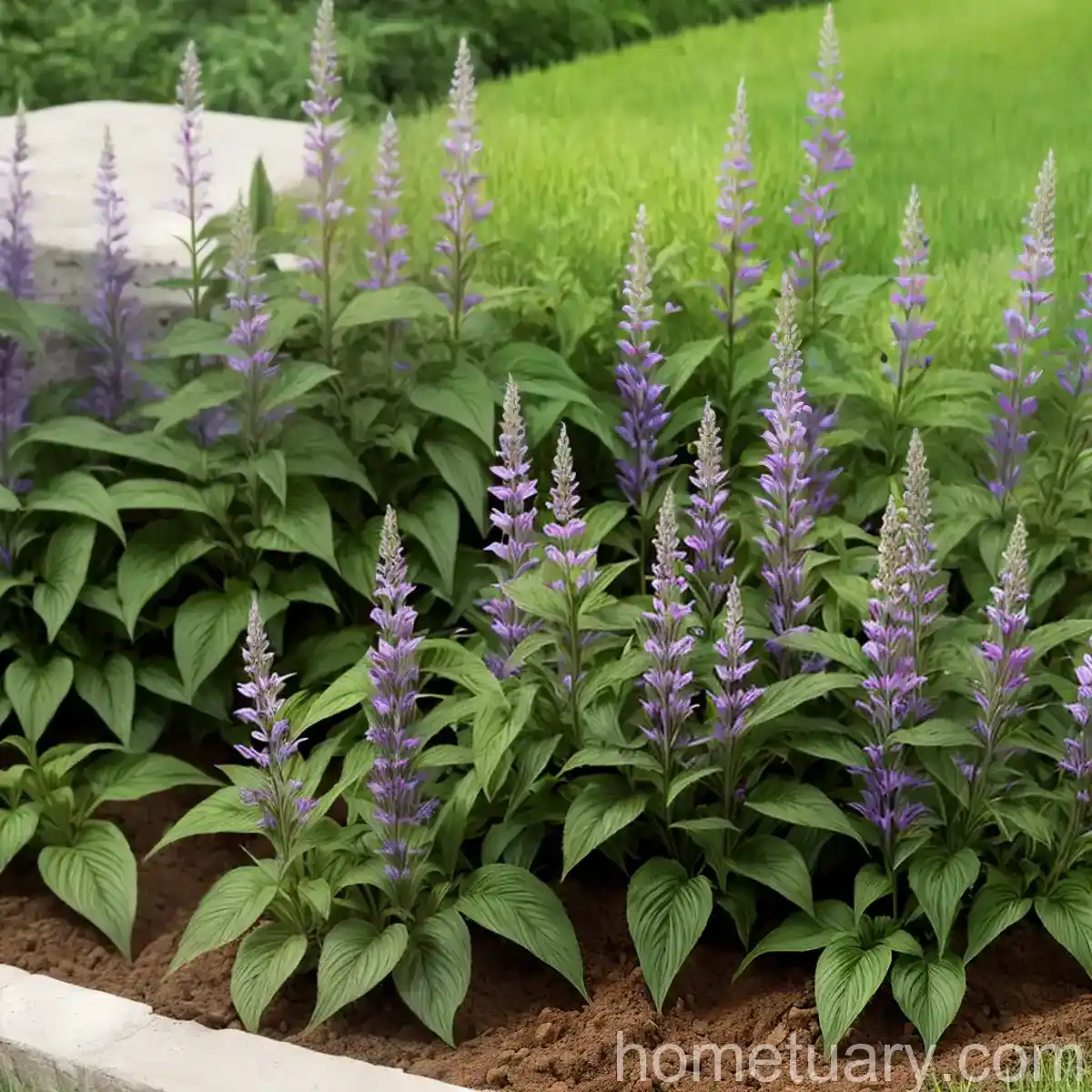
Culver’s root, scientifically known as Veronicastrum sibiricum, is a herbaceous perennial plant belonging to the family Plantaginaceae. It is native to North America, where it can be found in various habitats, including wet meadows, prairies, and open woodlands. The plant is characterized by its tall, erect stems, whorled leaves, and dense spikes of small, tubular flowers that bloom from mid to late summer.
Culver’s Root Benefits
-
Medicinal Uses: Culver’s root has been traditionally used in herbal medicine for its purported health benefits, including its potential as a diaphoretic, laxative, and febrifuge. The plant contains bioactive compounds that are believed to have therapeutic properties.
-
Landscape Design: In horticulture, Culver’s root is valued for its ornamental appeal, particularly in cottage gardens, naturalistic plantings, and wildlife-friendly landscapes. Its tall, architectural form and striking flowers make it a standout feature in any garden setting.
Key Takeaways
Before delving into the specifics of Culver’s root cultivation and maintenance, let’s summarize the key takeaways for this plant.
Culver’s Root (Veronicastrum sibiricum)
- Botanical Name: Veronicastrum sibiricum
- Family: Plantaginaceae
- Native Habitat: North America
- Growing Season: Mid to late summer
- Flower Type: Tubular
- Foliage: Whorled leaves
- Height: Tall, erect stems
Plant Profile
Understanding the characteristics and growth habits of Culver’s root is essential for successful cultivation and care. Let’s delve into the detailed plant profile to gain insights into its requirements and attributes.
Culver’s Root Characteristics
When considering the characteristics of Culver’s root, it’s important to focus on its physical appearance, growing conditions, and ecological roles.
Physical Description
- Stems: Tall, erect, and sturdy
- Leaves: Whorled arrangement, lanceolate shape
- Flowers: Dense spikes of small, tubular blooms
- Root System: Fibrous, shallow-rooted
Growing Conditions
- Sunlight: Full sun to partial shade
- Water: Moist, well-drained soil
- Soil Type: Rich, loamy soil
- Hardiness Zones: 3 to 8
- Habitat: Wet meadows, prairies, open woodlands
Ecological Role
- Wildlife Attraction: Attracts pollinators such as bees and butterflies
- Deer-Resistant: Exhibits resistance to deer browsing
- Insect-Repellent: Some varieties may possess insect-repellent properties
Culver’s Root Growing Conditions
To ensure the successful growth of Culver’s root, it’s crucial to provide the right growing conditions that mimic its native habitat.
Water
Culver’s root thrives in consistently moist soil, making it an ideal choice for rain gardens and areas with periodic waterlogging. However, it is important to avoid waterlogged conditions, as excessive moisture can lead to root rot and other issues. Regular watering during dry spells is essential to support healthy growth and flowering.
Culver’s Root Water Requirements
- Moisture: Consistently moist soil
- Watering Schedule: Provide regular water during dry periods
- Avoid Waterlogging: Prevent standing water around the roots
Sunlight
In terms of sunlight requirements, Culver’s root displays adaptability to various light conditions, ranging from full sun to partial shade. While it can thrive in full sun, providing some afternoon shade in hotter climates can help prevent stress and maintain vibrant foliage and flower colors.
Culver’s Root Sun Exposure
- Full Sun: 6 to 8 hours of direct sunlight
- Partial Shade: Filtered sunlight or dappled shade
- Shade Tolerance: Moderate tolerance to shade, especially in warmer regions
Culver’s Root Care Tips
To ensure the optimal growth and performance of Culver’s root, several care practices can be implemented to meet its specific needs.
Fertilizer
While Culver’s root is not excessively demanding in terms of fertilizer, providing a balanced, organic fertilizer in early spring can encourage robust growth and abundant flowering. A slow-release, all-purpose fertilizer applied at the base of the plant can provide essential nutrients without promoting excessive vegetative growth.
Soil
Culver’s root prefers rich, loamy soil with good drainage. Amending the soil with organic matter such as compost can enhance its fertility, water retention, and microbial activity.
- Soil pH: Slightly acidic to neutral (pH 6.0 to 7.0)
- Drainage: Well-drained soil to prevent waterlogging
- Soil Amendment: Incorporate compost or well-rotted organic matter
Pruning
Minimal pruning is required for Culver’s root, as the plant’s natural form and growth habit are part of its ornamental appeal. However, removing spent flower spikes after blooming can promote a tidy appearance and may encourage a second flush of blooms in some varieties.
Culver’s Root Pruning Techniques
- Deadheading: Remove spent flower spikes to maintain a neat appearance
- Secondary Bloom: Encourage additional flowering by deadheading early spent blooms
Propagation
Culver’s root can be propagated through several methods, including division, seeds, and stem cuttings. Each technique offers its own advantages and considerations, allowing flexibility in multiplying and sharing this desirable plant.
Culver’s Root Propagation Methods
- Division: Divide mature clumps in early spring or fall
- Seeds: Collect and sow ripe seeds in early spring
- Cuttings: Take stem cuttings in late spring or early summer
Culver’s Root in Containers
Though Culver’s root is often grown in garden beds and naturalistic settings, it can also be successfully cultivated in containers, offering an opportunity to enjoy its beauty on patios, decks, and other confined spaces.
Container Popularity
The use of containers for cultivating Culver’s root has gained popularity among gardeners seeking a vertical element and architectural interest in their outdoor spaces. Container-grown specimens also allow for precise control of growing conditions and placement, contributing to versatile landscape designs.
Container Common Diseases
When growing Culver’s root in containers, it’s important to be mindful of potential diseases and pests that can affect the health of the plant.
Disease Diagnosis
Container-grown Culver’s root may be susceptible to certain diseases, including root rot, powdery mildew, and bacterial infections. Monitoring the plant for symptoms such as wilting, yellowing leaves, or unusual spots can aid in early diagnosis and treatment.
Common Pests
Container cultivation of Culver’s root may also expose the plant to various pests, such as aphids, spider mites, and caterpillars. Regular inspection and prompt intervention can help mitigate pest damage and preserve the plant’s vigor.
Botanist’s Tips
For a deeper understanding of Culver’s root and its cultivation, it’s valuable to consider insights and tips from botanists and plant experts.
Fun Facts
-
The genus name “Veronicastrum” is derived from the genus “Veronica,” to which Culver’s root was initially assigned. The suffix “astrum” means “resembling,” highlighting the resemblance of Culver’s root to Veronica plants.
-
Culver’s root may be referred to as “Culver’s physic,” a nod to its historical use in herbal medicine.
Links to External Resources
Now that we have explored the essential aspects of Culver’s root, it’s beneficial to access external resources for further information, research, and interactive learning opportunities.
- The Royal Horticultural Society (RHS)
- University Extension Services
- Botanical Gardens and Arboreta
- Plant Conservation Organizations
Conclusion
Culver’s root (Veronicastrum sibiricum) stands as a compelling choice for gardeners, herbal enthusiasts, and nature lovers alike, offering a blend of ornamental appeal and potential health benefits. By understanding its characteristics, cultivation requirements, and uses, individuals can make informed decisions regarding the incorporation of this remarkable plant into their landscapes, gardens, and wellness practices.
With its graceful silhouette, wildlife-friendly attributes, and historical significance, Culver’s root continues to captivate and inspire a diverse range of enthusiasts, fostering a deeper appreciation for the natural world and its botanical treasures.
In this comprehensive guide, we dived into the world of Culver’s root (Veronicastrum sibiricum) with a focus on its characteristics, cultivation practices, uses, and maintenance tips. By incorporating elements such as the plant profile, growing conditions, container cultivation, and external resources, readers can gain a thorough understanding of this remarkable perennial and its versatile roles in horticulture and herbalism.
For more in-depth exploration and practical insights, we encourage readers to engage with reputable plant-focused organizations, educational institutions, and botanical experts, fostering continuous learning and appreciation for the diverse flora that enrich our lives.
Remember, the journey of discovery and stewardship of plants like Culver’s root is an ongoing and rewarding pursuit, offering opportunities for creativity, conservation, and personal well-being.
Happy gardening and exploration!