Blackhaw Viburnum (Viburnum Prunifolium)
In the world of horticulture and landscaping, the blackhaw viburnum (Viburnum prunifolium) stands out as a beautiful and versatile plant that offers an.
Introduction
In the world of horticulture and landscaping, the blackhaw viburnum (Viburnum prunifolium) stands out as a beautiful and versatile plant that offers an array of benefits and uses. With its striking flowers, attractive foliage, and ecological significance, this plant has gained popularity in both residential and commercial landscapes. This comprehensive guide will delve into various aspects of the blackhaw viburnum, from its cultural requirements to its ecological role, serving as a valuable resource for both plant enthusiasts and professional horticulturists.
What is Blackhaw Viburnum (Viburnum prunifolium)?
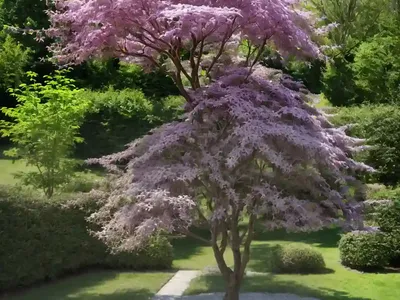
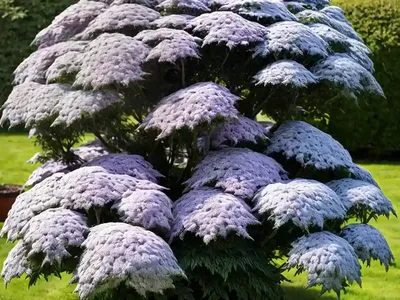
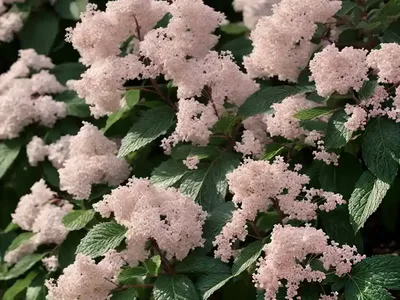
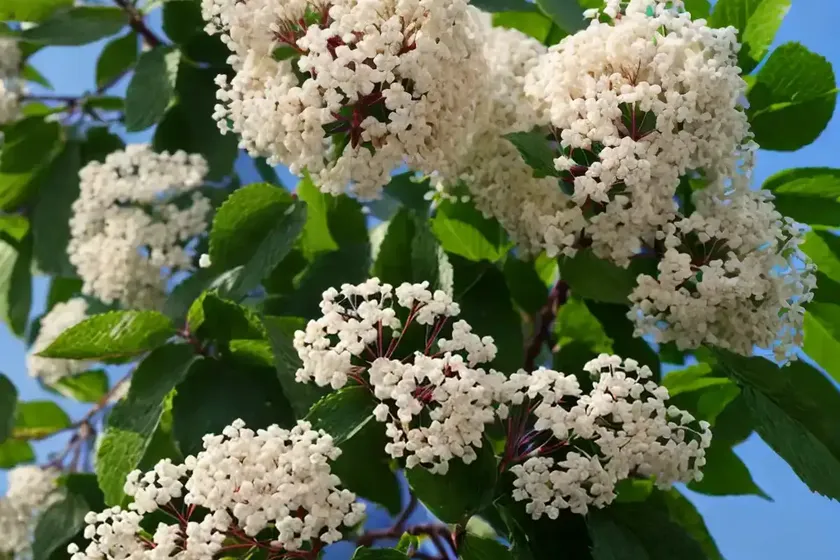
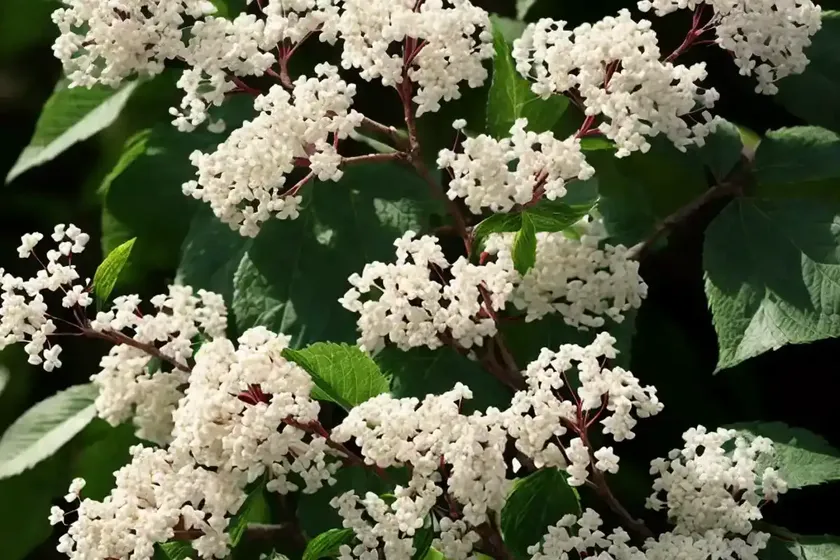
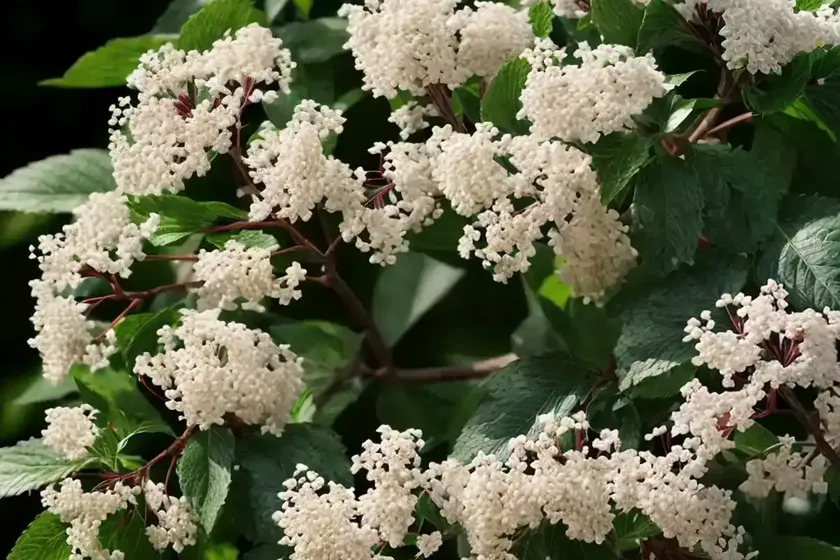
The blackhaw viburnum, scientifically known as Viburnum prunifolium, is a deciduous shrub or small tree belonging to the Adoxaceae family. It is native to the eastern United States, where it is found in various woodland habitats, along stream banks, and in fence rows. The plant is characterized by its dense, rounded form, and its dark green, leathery leaves that turn vibrant shades of red and purple in the fall. One of its most striking features is its flat-topped clusters of creamy white flowers that bloom in spring, followed by deep blue-black berries in late summer to fall. The blackhaw viburnum is known for its adaptability and its ability to thrive in a range of environmental conditions, making it a valuable addition to gardens and natural landscapes.
Key Takeaways – Blackhaw Viburnum (Viburnum prunifolium)
The blackhaw viburnum (Viburnum prunifolium) boasts several key takeaways that make it a desirable plant for both landscapers and nature enthusiasts. Here are some of its key attributes and benefits:
- Native Habitat: Found in the eastern United States, particularly in woodlands and along stream banks.
- Growth Form: Can be grown as a shrub or small tree, with a dense, rounded habit.
- Flowers and Berries: Showcases beautiful clusters of creamy white flowers in spring, followed by deep blue-black berries in late summer.
- Foliage: Dark green, leathery leaves that transform into vibrant shades of red and purple during the fall.
- Wildlife Attraction: Serves as a valuable food source for birds and other wildlife due to its berries.
- Environmental Adaptability: Thrives in a variety of soil types and can tolerate both sun and shade, making it a versatile landscaping option.
- Medicinal Uses: Historically, the plant has been used for its medicinal properties, particularly by Native American tribes for various ailments.
- Ornamental Value: Adds aesthetic appeal to landscapes with its showy flowers, colorful foliage, and attractive berries.
Culture
Water
Blackhaw viburnum generally prefers moist, well-drained soils, especially during its establishment phase. While the plant can tolerate short periods of drought once established, it is important to ensure consistent moisture for optimal growth and flowering. Adequate watering is particularly crucial during hot and dry periods to support the plant’s overall health and vigor. As a general guideline, providing around 1 inch of water per week, either through rainfall or irrigation, is beneficial for blackhaw viburnum plants.
Sunlight
When it comes to sunlight requirements, the blackhaw viburnum is known for its adaptability. It can thrive in both full sun and partial shade, making it a versatile landscaping choice for various light conditions. While it can tolerate shady sites, providing the plant with at least 4-6 hours of direct sunlight daily is recommended for optimal flowering and fruit production. In regions with particularly intense afternoon sun, providing partial shade during the hottest part of the day can help prevent leaf scorch and maintain the plant’s overall health.
Fertilizer
Blackhaw viburnum typically benefits from a balanced, slow-release fertilizer applied in early spring before new growth emerges. Alternatively, organic amendments such as well-aged compost or composted manure can be incorporated into the soil around the plant to provide essential nutrients. When using commercial fertilizers, a formulation with an N-P-K ratio of 10-10-10 or similar is suitable for promoting healthy growth and flowering. It is important to follow the manufacturer’s recommendations regarding application rates to avoid over-fertilization, which can potentially harm the plant.
Soil
The blackhaw viburnum thrives in moist, well-drained soils with a slightly acidic to neutral pH range. It is adaptable to different soil types, including loamy, sandy, and clay soils, as long as they offer good drainage. Amending heavy clay soils with organic matter such as compost can improve soil structure and drainage, while also enhancing nutrient availability for the plant. Conducting a soil test to assess nutrient levels and pH can provide valuable insights for creating an optimal growing environment for the blackhaw viburnum.
Pruning
Pruning of Blackhaw Viburnum:
-
Timing: The best time to prune blackhaw viburnum is during late winter or early spring before new growth emerges. This timing allows the plant to seal off pruning wounds quickly and directs its energy towards producing new growth and flowers.
-
Deadwood Removal: Begin by removing any dead, damaged, or crossing branches to promote overall plant health and aesthetics. Use clean, sharp pruning tools to make smooth cuts and minimize the risk of introducing diseases.
-
Thinning: Thinning out crowded or congested branches can improve air circulation and sunlight penetration within the plant, reducing the risk of disease and promoting better flowering and fruiting.
-
Shape Enhancement: If shaping or reducing the size of the plant is desired, selectively prune long or overgrown branches to maintain the desired form and size of the blackhaw viburnum. It is important to avoid excessive or drastic pruning, as this can impact the plant’s blooming potential in the following season.
Propagation
The blackhaw viburnum can be propagated through several methods, including:
-
Seed Propagation: Collecting ripe berries and extracting the seeds for propagation is a common method for growing new plants. After scarifying the seeds by lightly sanding or nicking the seed coat, they can be sown in a prepared seed bed or container, covered lightly with soil, and kept consistently moist until germination occurs.
-
Softwood Cuttings: Taking softwood cuttings in late spring to early summer and rooting them in a well-draining propagation medium offers an effective means of propagating the plant. Applying a rooting hormone to the cut ends of the stems can enhance the success rate of the cuttings.
-
Hardwood Cuttings: Hardwood cuttings taken during the dormant season can also be used to propagate blackhaw viburnum. These cuttings should be taken from healthy, disease-free wood, and they can be directly planted in a prepared propagation area or container to root.
-
Layering: Encouraging branches to root while still attached to the parent plant, known as layering, is another propagation technique that can be successful with blackhaw viburnum. This method involves bending a low-hanging branch to the ground, making a slight wound on the underside, and securing it in place until roots develop.
Container Popularity
The blackhaw viburnum is well-suited for container gardening, offering an array of ornamental and ecological benefits in a confined space. Its adaptability to various light conditions and soil types, combined with its manageable size, makes it an excellent candidate for container planting on patios, decks, and balconies. Additionally, the plant’s attractive flowers, foliage, and berries can provide visual interest in outdoor living spaces, while also supporting local wildlife such as birds and pollinators.
Despite its overall resilience, the blackhaw viburnum is susceptible to certain diseases, including:
Disease Diagnosis
Powdery Mildew (Erysiphe sp.)
- Symptoms: Powdery, white-to-gray fungal growth on the upper surfaces of leaves, sometimes accompanied by leaf distortion and premature leaf drop.
- Management: Ensure adequate air circulation by proper spacing and pruning, and consider applying fungicidal sprays if the infestation is severe.
Leaf Spot (Typically caused by the fungi of the genus Cercospora or Phyllosticta)
- Symptoms: Circular to irregularly shaped spots on the leaves, often with distinct margins and varying colors (brown, purple, or gray).
- Management: Remove and destroy infected plant debris, and avoid overhead watering to reduce moisture on the foliage.
Botryosphaeria Canker (Botryosphaeria spp.)
- Symptoms: Sunken, discolored areas on branches or stems, often accompanied by the presence of dark, raised spore-producing structures (pycnidia).
- Management: Prune affected branches during dry weather, ensuring clean cuts into healthy wood, and consider applying appropriate fungicidal treatments.
Common Pests
The blackhaw viburnum may also face challenges from various insect pests, including:
Viburnum Leaf Beetle (Pyrrhalta viburni)
- Damage: Larvae and adults feed on the foliage, resulting in skeletonized leaves and defoliation.
- Management: Handpicking and destroying larvae, and considering the use of insecticidal treatments when infestations are severe.
Aphids (Multiple species)
- Damage: Piercing-sucking mouthparts of aphids can cause distorted growth, yellowing leaves, and the production of sticky honeydew, leading to the development of sooty mold.
- Management: Encourage natural predators such as ladybugs and lacewings, and use insecticidal soaps or horticultural oils if necessary to control aphid populations.
Scales (Multiple species)
- Damage: Scales may appear as small, raised bumps on the stems and underside of leaves, feeding on plant sap and potentially causing weakening and decline of the plant.
- Management: Introducing natural predators, such as parasitic wasps, and utilizing horticultural oils during the dormant season can help manage scale populations.
Botanist’s Tips
- Incorporate companion plants such as native wildflowers and grasses around blackhaw viburnum to enhance its ecological benefits and create a wildlife-friendly landscape.
- Consider the plant’s mature size and growth habit when selecting its planting location, allowing ample space for the plant to reach its full potential without interference.
- Regularly monitor the plant for signs of pests and diseases, taking proactive measures to manage any issues promptly and effectively.
Fun Facts
- The berries of blackhaw viburnum are a valuable food source for a variety of bird species, including the Northern bobwhite, wild turkey, and Northern mockingbird.
- Blackhaw viburnum is often used in naturalized areas and conservation plantings to provide wildlife habitat and enhance biodiversity.
- The plant’s wood was historically used by Native American tribes to make arrow shafts, hence the common name “blackhaw.”
Links to External Resources
- Viburnum prunifolium – Lady Bird Johnson Wildflower Center
- Viburnum prunifolium – Missouri Botanical Garden
- Blackhaw Viburnum – USDA Forest Service
- Viburnum prunifolium – North Carolina State University
- Viburnum prunifolium – Virginia Tech Dendrology
- Growing Viburnums – University of Minnesota Extension
- Viburnum Diseases – Pacific Northwest Plant Disease Management Handbook
- Insect Pests of Viburnums – University of Kentucky Entomology
In conclusion, the blackhaw viburnum (Viburnum prunifolium) stands out as a valuable and versatile plant that offers ornamental, ecological, and cultural significance. Its adaptability to a range of growing conditions, coupled with its aesthetic appeal and ecological benefits, makes it a desirable choice for a variety of landscaping and conservation applications. By understanding its cultural needs, ecological role, and potential challenges, gardeners and horticulturists can effectively incorporate this plant into their landscapes, contributing to the beauty and sustainability of their outdoor spaces.