Common Mullein (Verbascum thapsus): An In-Depth Guide
Plants have always been an integral part of human life, providing food, shelter, and medicine throughout history. Common mullein (Verbascum thapsus) is one such plant with a rich botanical and cultural heritage. In this comprehensive guide, we will delve into the various aspects of common mullein, from its botanical characteristics to its cultivation, uses, folklore, and medicinal properties.
What is Common Mullein?
Botanical Description
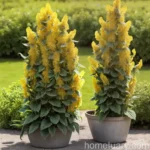
Common mullein, scientifically known as Verbascum thapsus, is a biennial plant that belongs to the Scrophulariaceae family. It is native to Europe, northern Africa, and Asia, but has been naturalized in many parts of North America. The plant is known for its striking appearance, with a tall, erect stem that can reach heights of 6 to 10 feet. The leaves are large, soft, and fuzzy, giving the plant a distinct velvety texture. The leaves and flowers of the common mullein are used in various traditional and modern applications.
Key Takeaways – Common Mullein (Verbascum thapsus)
Before we delve into the specifics of common mullein, it’s important to outline some key takeaways about this remarkable plant.
- Common mullein is a biennial plant with a tall, erect stem and fuzzy, velvety leaves.
- It has a rich cultural history and has been used for various medicinal and practical purposes for centuries.
- The plant is known for its adaptability and can thrive in a wide range of soil types and environmental conditions.
- Both the leaves and flowers of common mullein are utilized in herbal medicine and have a wide range of traditional uses.
- Cultivating common mullein can be a rewarding experience, and its striking appearance makes it a valuable addition to any garden or landscape.
Now, let’s explore the various aspects of common mullein, including its culture, uses, cultivation requirements, and more.
Culture
Water
Common mullein is a hardy plant that is well adapted to various environmental conditions. While it can tolerate drought once established, it generally prefers moderate watering. During the plant’s initial growth stages, it is essential to provide adequate moisture to support healthy root development. However, it’s important to avoid overwatering, as this can lead to root rot and other issues.
Sunlight
In terms of sunlight requirements, common mullein thrives in full sun. It is best to plant it in an area where it can receive at least 6 to 8 hours of direct sunlight per day. Adequate sunlight is crucial for the plant’s overall growth and the development of its characteristic tall flower spike.
Fertilizer
Common mullein is not particularly demanding when it comes to fertilization. In fact, it can often thrive in nutrient-poor soils. However, if you are growing common mullein in a garden or landscape setting, incorporating organic matter into the soil during planting can provide a good foundation for healthy growth. Avoid excessive use of high-nitrogen fertilizers, as this can lead to an abundance of foliage at the expense of flower production.
Soil
Common mullein is known for its adaptability to different soil types. It can grow in sandy, loamy, or clay soils, as long as there is proper drainage. The plant prefers a neutral to slightly acidic soil pH. It is important to avoid waterlogged conditions, as this can lead to root rot and other issues.
Uses
Common mullein has a wide range of traditional and modern uses, making it a valuable plant in various contexts.
Medicinal Uses
The leaves and flowers of common mullein have been utilized in herbal medicine for centuries. They contain a variety of compounds that are believed to have anti-inflammatory, analgesic, and expectorant properties. Common mullein is often used in herbal remedies for respiratory issues, such as coughs, asthma, and bronchitis. It can be prepared as an infusion, tincture, or used topically in oil form. Additionally, common mullein is used in traditional medicine for ear infections, and its oil is known for its potential benefits for the skin.
Cultural and Folklore Uses
Apart from its medicinal applications, common mullein has a rich cultural and folklore heritage. In various traditions, the plant has been associated with different symbolic meanings and magical properties. It has been used in rituals, as a natural dye, and for insect control. The plant’s tall, striking appearance has also made it a popular choice in landscaping, adding a unique and visually intriguing element to gardens and outdoor spaces.
Other Practical Uses
Beyond its medicinal and cultural uses, common mullein has been employed for a variety of practical purposes. Its soft, fuzzy leaves historically served as an alternative to toilet paper by various cultures. Additionally, the dried stalks have been utilized as torches and candle wicks.
Pruning
In terms of maintenance, common mullein generally does not require extensive pruning. However, deadheading the flowers after they fade can promote continued flowering and prevent self-seeding in garden settings. Pruning can also help in controlling the plant’s spread and keeping it within the desired boundaries.
Propagation
Seed Propagation
Common mullein is commonly propagated from seeds. The seeds can be sown directly into the ground in the fall or early spring. It is essential to lightly cover the seeds with soil and ensure consistent moisture during the germination period. Common mullein seeds are known for their persistent seed bank, and the plant often self-seeds in favorable conditions.
Division
While less common, common mullein can also be propagated through division. This method involves separating and replanting the basal rosettes that develop at the plant’s base.
Container Popularity
Common mullein is not commonly grown in containers, given its large size and deep taproot. However, for individuals with limited garden space, there are compact varieties that are suitable for container cultivation.
Common Diseases
Disease Diagnosis
Common mullein is relatively resistant to many common plant diseases. However, excessive moisture and poor air circulation can lead to issues such as powdery mildew and rust. It is important to monitor the plant for any signs of disease and take appropriate measures such as improving air circulation and employing organic fungicides if necessary.
Common Pests
Pest Management
In terms of pests, common mullein is relatively resistant to many common garden pests. However, it can occasionally be susceptible to aphids and spider mites. Regular monitoring and employing natural predators or organic control methods can help manage pest issues effectively.
Botanist’s Tips
- When harvesting common mullein for medicinal use, it is best to gather the flowers and leaves during the plant’s flowering stage, as this is when their medicinal properties are at their peak.
- To maintain the plant’s overall health and vigor, it is essential to provide well-drained soil and adequate sunlight, as these are key factors for its growth and development.
Fun Facts
- Common mullein has a rich history of use in traditional medicine, dating back to ancient civilizations such as the Greeks and the Romans.
- The plant’s towering flower spike not only makes it a visually striking addition to gardens but also serves as a valuable food source for pollinators and beneficial insects.
Links to External Resources
For more information about common mullein, its cultivation, and uses, consider exploring the following resources:
- United States Department of Agriculture (USDA) Plants Database
- Missouri Botanical Garden – Verbascum thapsus
- Royal Horticultural Society – Verbascum thapsus
Common Mullein (Verbascum thapsus) embodies a fascinating blend of natural beauty, cultural significance, and practical utility. Whether you are intrigued by its folklore, interested in its medicinal properties, or simply drawn to its striking appearance, this versatile plant has much to offer. With the right care and attention, common mullein can thrive in various settings, enriching gardens, landscapes, and herbal medicine practices alike.