Nettle-Leaved Mullein (Verbascum chaixii): A Comprehensive Guide
Introduction
In the world of plants, nettle-leaved mullein (Verbascum chaixii) stands out as an intriguing and versatile species. It is known for its unique appearance and a wide range of cultural, medicinal, and ornamental uses. In this comprehensive guide, we will delve into the various aspects of nettle-leaved mullein, including its cultural requirements, uses, propagation, and common pests and diseases. We will also explore the folklore, mythology, and medicinal significance of this fascinating plant. Whether you are an avid gardener, a herbal enthusiast, or simply curious about the natural world, this guide aims to provide valuable insights into the captivating realm of nettle-leaved mullein.
What is Nettle-Leaved Mullein (Verbascum chaixii)?
Nettle-leaved mullein, scientifically known as Verbascum chaixii, is a perennial flowering plant belonging to the family Scrophulariaceae. It is native to parts of Europe and Asia, where it thrives in diverse habitats ranging from meadows and woodlands to rocky slopes and mountainous regions. The plant is characterized by its distinctive nettle-like leaves and slender spikes of vibrant flowers, making it a popular choice for ornamental gardening.
Key Takeaways
Before delving into the specific aspects of nettle-leaved mullein, let’s highlight some key takeaways about this plant:
- Botanical Name: Verbascum chaixii
- Common Names: Nettle-leaved mullein, mullein plant
- Family: Scrophulariaceae
- Native Habitat: Europe and Asia
- Cultural Uses: Ornamental gardening, herbal medicine
- Distinctive Features: Nettle-like leaves, colorful flower spikes
Now that we have an overview of nettle-leaved mullein, let’s explore its various facets in detail.
Cultivation of Nettle-Leaved Mullein (Verbascum chaixii)
The successful cultivation of nettle-leaved mullein requires a thorough understanding of its cultural requirements, including water, sunlight, soil, and fertilization. By providing the ideal growing conditions, gardeners can ensure the health and vitality of this charming plant.
Water
Nettle-leaved mullein thrives in well-drained soil and prefers moderate moisture levels. It is important to avoid waterlogged conditions, as excessive moisture can lead to root rot and other complications. When establishing newly planted mullein, regular watering is essential to promote strong root development. During periods of dry weather, supplemental watering may be necessary to sustain healthy growth and flowering.
Sunlight
Like many flowering perennials, nettle-leaved mullein flourishes in full sunlight. It is advisable to plant it in a location that receives at least 6-8 hours of direct sunlight per day. Adequate sunlight not only stimulates robust flowering but also enhances the plant’s overall vigor and resilience. In regions with intense summer heat, providing some afternoon shade can prevent the plant from becoming stressed or scorched.
Soil
Nettle-leaved mullein thrives in well-drained, moderately fertile soils with a slightly alkaline to neutral pH. It can tolerate various soil types, including loamy, sandy, or rocky soils, as long as they offer good drainage. Amending the soil with organic matter, such as compost or aged manure, can improve both the fertility and structure of the planting site. Additionally, mulching around the base of the plant helps conserve soil moisture and suppress weed growth.
Fertilizer
When it comes to fertilizing nettle-leaved mullein, a balanced, slow-release fertilizer can be applied in spring as new growth emerges. Alternatively, incorporating a layer of compost or well-decomposed organic matter around the plant’s base can serve as a natural source of nutrients. While mullein is not considered a heavy feeder, a gentle nutritional boost can support its overall performance and floral display.
Pruning Nettle-Leaved Mullein
Proper pruning is essential for maintaining the appearance and health of nettle-leaved mullein. By following a few simple guidelines, gardeners can ensure that the plant remains tidy, vigorous, and productive.
Deadheading
Deadheading, the removal of spent flowers, is a beneficial practice for prolonging the flowering period of nettle-leaved mullein. By snipping off fading blooms before they set seed, the plant is encouraged to produce new flower spikes, thereby extending the season of colorful displays. Deadheading also prevents the plant from expending energy on seed production, directing its resources towards growth and development instead.
Removal of Spent Stems
After the blooming period, nettle-leaved mullein may develop unsightly or weakened stems that detract from its aesthetic appeal. Pruning these spent stems not only enhances the plant’s appearance but also promotes better air circulation and reduces the risk of disease. Using clean, sharp pruning shears, carefully remove the damaged or worn-out stems at their base, taking care not to injure the healthy foliage.
Controlling Spread
In some garden settings, nettle-leaved mullein may exhibit vigorous growth and self-seeding tendencies, potentially becoming invasive. To prevent excessive spreading, particularly in more confined spaces, it is advisable to remove any unwanted seedlings or offsets. Additionally, regular monitoring and selective thinning can help manage the plant’s expansion without compromising its ornamental value.
Propagation of Nettle-Leaved Mullein
The propagation of nettle-leaved mullein can be accomplished through several methods, including seed sowing, division, and root cuttings. Each approach offers unique advantages and considerations, allowing gardeners to expand their mullein population with confidence.
Seed Sowing
Sowing mullein seeds directly in the garden or in containers is a straightforward and cost-effective way to propagate new plants. To maximize germination success, it is recommended to sow the seeds in spring or early summer when the soil temperature is warm. Lightly press the seeds into the soil surface, as they require exposure to light to facilitate germination. Keep the planting area consistently moist until the seedlings emerge, ensuring their healthy establishment.
Division
Dividing established clumps of nettle-leaved mullein is a reliable method for generating new plants and rejuvenating older specimens. This can be undertaken in early spring or early autumn, when the plant is not in active bloom. Using a sharp spade, carefully separate the clump into smaller sections, making sure each division possesses a portion of the root system and several healthy shoots. Replant the divisions in well-prepared soil and provide adequate moisture as they establish themselves in their new location.
Root Cuttings
Root cuttings offer another effective means of propagating nettle-leaved mullein, particularly for plants that have developed robust root systems. In late winter or early spring, select healthy, mature roots and cut them into manageable sections, each approximately 3-5 inches in length. Plant these root cuttings in a well-draining, sandy soil mix, ensuring that the upper portion of the cutting remains at the soil surface. With consistent moisture and warmth, the root cuttings should produce new shoots over time, contributing to the expansion of the mullein population.
Nettle-Leaved Mullein in Containers
For gardeners with limited space or those seeking to showcase nettle-leaved mullein in a controlled setting, growing it in containers can be a rewarding option. When cultivated in suitable containers, mullein can thrive while bringing a touch of natural beauty to patios, balconies, and other outdoor spaces.
Container Selection
When selecting containers for nettle-leaved mullein, it is crucial to choose vessels that provide ample room for root development and stability. Large, sturdy pots with drainage holes are ideal for accommodating the plant’s expansive root system and minimizing the risk of waterlogging. Additionally, containers made of materials such as terracotta or wood offer good breathability and help regulate soil moisture levels.
Growing Medium
A well-draining, nutrient-rich growing medium is essential for potted nettle-leaved mullein. A combination of high-quality potting soil, coarse sand, and perlite can create an optimal environment for root growth while preventing excess moisture retention. This blend promotes healthy establishment and sustained growth, contributing to the overall well-being of the plant in a containerized setting.
Watering and Maintenance
Containerized nettle-leaved mullein necessitates regular watering to sustain adequate soil moisture without leading to waterlogged conditions. It is important to monitor the moisture levels closely, adjusting the frequency of watering based on environmental factors such as temperature and humidity. Applying a balanced, water-soluble fertilizer at appropriate intervals can also support the plant’s nutritional needs and flowering potential.
Popularity of Nettle-Leaved Mullein
As a valued addition to gardens and landscapes, nettle-leaved mullein has gained popularity for its striking appearance, adaptability, and diverse uses. With its charming floral display and enchanting foliage, it captivates the attention of gardeners, herbal enthusiasts, and nature admirers around the world.
Ornamental Appeal
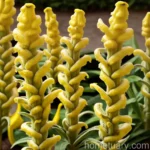
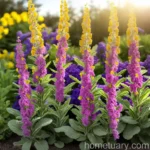
Nettle-leaved mullein’s slender, upright flower spikes adorned with cheerful blooms make it a visually appealing choice for ornamental gardening. Its statuesque height and vibrant flower colors, which range from soft pinks and purples to warm yellows, contribute to its allure in garden beds, borders, and mixed perennial plantings. Additionally, the distinctive foliage, reminiscent of stinging nettles, adds an intriguing textural element to the landscape.
Wildlife Attraction
The nectar-rich flowers of nettle-leaved mullein act as a magnet for pollinators such as bees, butterflies, and hummingbirds. By supporting these beneficial insects and small creatures, the plant plays a vital role in enhancing biodiversity and the ecological balance within its surroundings. Its ornamental and ecological value further accentuates its appeal to environmentally conscious gardeners.
Medicinal and Herbal Uses
In addition to its ornamental significance, nettle-leaved mullein has been historically valued for its medicinal properties. Various parts of the plant, including the leaves, flowers, and roots, have been utilized in traditional herbal remedies for addressing respiratory ailments, skin conditions, and other health concerns. The plant’s leaves have been dried and used to prepare herbal teas, extracts, poultices, and oils to harness its healing potential.
Common Diseases Affecting Nettle-Leaved Mullein
Despite its overall resilience, nettle-leaved mullein may be susceptible to certain diseases and health issues, which can impact its growth and appearance if not managed effectively. By recognizing the symptoms and employing appropriate preventive measures, gardeners can safeguard the plant from potential threats.
Disease Diagnosis and Prevention
Powdery Mildew
Powdery mildew, characterized by the powdery white or gray fungal growth on the foliage, is a common issue that can affect nettle-leaved mullein, particularly in humid or poorly ventilated conditions. To minimize the risk of powdery mildew, it is advisable to promote good air circulation around the plant by providing adequate spacing and selectively pruning dense growth. Applying preventive fungicidal sprays formulated for powdery mildew can help manage this fungal disease and protect the plant’s foliage.
Rust
Rust is another fungal disease that can manifest as orange or brown pustules on the undersides of nettle-leaved mullein leaves. This condition often occurs in damp or moist environments and can weaken the plant’s vigor if left unchecked. To limit the impact of rust, it is crucial to avoid overhead watering, which can promote the spread of spores, and remove any affected foliage promptly. Applying fungicidal treatments labeled for rust control can contribute to preventing its recurrence and progression.
Crown Rot
Crown rot, caused by soil-borne pathogens, may pose a threat to nettle-leaved mullein, particularly in poorly drained or waterlogged soils. Signs of crown rot include wilting, discoloration, and decay of the plant’s crown and lower stem. To mitigate the risk of crown rot, it is essential to maintain well-drained growing conditions and avoid overwatering. Employing proper soil drainage measures and providing adequate aeration can help prevent the onset of this detrimental disease.
By remaining vigilant and promptly addressing signs of disease, gardeners can uphold the health and vitality of nettle-leaved mullein, ensuring its continued beauty and functionality in the garden.
Common Pests Affecting Nettle-Leaved Mullein
In addition to diseases, nettle-leaved mullein may encounter pests that can compromise its growth and overall well-being. Understanding the pests that pose a threat to the plant and implementing appropriate pest management strategies is crucial for maintaining its vigor and ornamental value.
Insect Pests
Aphids
Aphids, small soft-bodied insects, are a common pest that may infest nettle-leaved mullein, particularly the tender new growth and flower buds. These pests feed on plant sap and can lead to distorted growth, yellowing leaves, and the development of sooty mold. Regular monitoring and the application of insecticidal soaps or horticultural oils can help manage aphid populations and prevent their detrimental impact on the plant.
Caterpillars
Certain caterpillar species, such as mullein moth caterpillars, may feed on the foliage of nettle-leaved mullein, causing visible damage and defoliation. To deter caterpillar feeding, incorporating biological controls such as parasitic wasps, or implementing physical removal methods can help minimize their presence and protect the plant from significant harm.
Slugs and Snails
Slugs and snails are known to consume the tender foliage and flowers of nettle-leaved mullein, leaving behind unsightly damage and feeding trails. Employing organic slug and snail control methods, such as beer traps, copper barriers, or diatomaceous earth, can act as effective deterrents and safeguard the plant from these voracious pests.
By monitoring for potential pest activity and employing targeted pest management strategies, gardeners can defend nettle-leaved mullein from harmful insects, thereby preserving its aesthetic and ecological contributions in the garden.
Botanist’s Tips for Growing Nettle-Leaved Mullein
To foster successful growth and cultivation of nettle-leaved mullein, consider the following expert tips and recommendations from botanists and experienced plant enthusiasts:
-
Selecting a Well-Drained Site: Choose a planting location that offers optimal drainage and adequate sunlight, ensuring the plant’s foundational requirements are met for lasting health and vitality.
-
Deadheading for Prolonged Blooms: Engage in regular deadheading to encourage extended flowering and a more abundant floral display, enhancing the plant’s visual impact throughout the growing season.
-
Pruning for Air Circulation: Practice selective pruning to maintain an open, well-ventilated growth habit, minimizing the risk of disease and promoting the overall well-being of the plant.
-
Mulch for Moisture Regulation: Apply a layer of organic mulch around the base of nettle-leaved mullein to conserve soil moisture, suppress weed growth, and insulate the root zone.
-
Monitoring for Pests and Diseases: Regularly inspect the plant for signs of pests and diseases, intervening promptly if any issues arise to prevent their escalation and impact.
By incorporating these insights into your approach to cultivating nettle-leaved mullein, you can cultivate a thriving and visually captivating plant that enriches your garden and intrigues visitors with its unique charm and benefits.
Fun Facts about Nettle-Leaved Mullein
To enhance your appreciation for nettle-leaved mullein, here are some intriguing and delightful fun facts about this remarkable plant:
-
Historical Significance: Nettle-leaved mullein has a rich history of traditional uses, featuring prominently in folklore, herbal remedies, and cultural practices across various regions and civilizations.
-
Biodiversity Support: The nectar-rich flowers of nettle-leaved mullein serve as an important food source for pollinators, contributing to the preservation of biodiversity and the sustainability of ecological systems.
-
Versatile Uses: Nettle-leaved mullein is renowned for its dual utility as an ornamental garden plant and a valuable resource in traditional herbal medicine, highlighting its multifaceted contribution.
-
Garden Statements: With its striking presence and eye-catching flowers, nettle-leaved mullein makes a statement in garden landscapes, captivating onlookers and enriching the visual tapestry of outdoor environments.
-
Adaptability: Nettle-leaved mullein demonstrates adaptability to diverse soil types and climatic conditions, showcasing resilience and flexibility in various gardening settings.
Links to External Resources
- Royal Horticultural Society – Verbascum chaixii
- Missouri Botanical Garden – Verbascum chaixii
- University of Maryland Extension – Mullein in the Garden
- North Carolina State University – Using Mullein in the Landscape
In conclusion, nettle-leaved mullein (Verbascum chaixii) stands as a captivating and versatile plant that holds significance in ornamental, cultural, and medicinal contexts. By understanding its cultural requirements, uses, propagation methods, and potential challenges, gardeners and enthusiasts can cultivate and appreciate this remarkable species to the fullest. Whether adorning garden beds or serving as a source of herbal remedies, nettle-leaved mullein adds both aesthetic and functional value to the natural world, embodying the enduring appeal of plants and their myriad contributions to human wellbeing and environmental sustainability.