Understanding the Wingstem (Verbesina alternifolia ‘Goldstrahl’)
Plants have always been an integral part of human life, providing beauty, sustenance, and various cultural and ecological benefits. One such plant that captivates with its beauty and versatility is the Wingstem, scientifically known as Verbesina alternifolia ‘Goldstrahl’. In this blog post, we will delve deep into the world of Wingstem, exploring its culture, uses, maintenance, and interesting facts. Whether you are a seasoned gardener or a newcomer to the world of plants, this comprehensive guide will provide you with valuable insights into the enchanting Wingstem.
Let’s start by understanding what the Wingstem encompasses and the key takeaways associated with it.
What is Wingstem (Verbesina alternifolia ‘Goldstrahl’)?
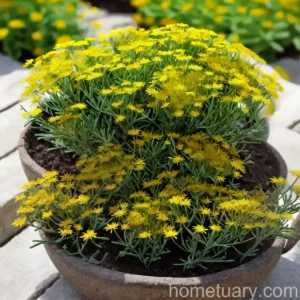
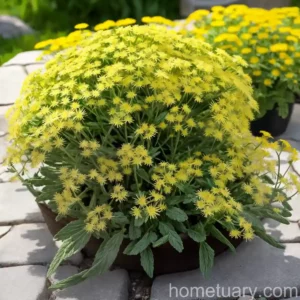
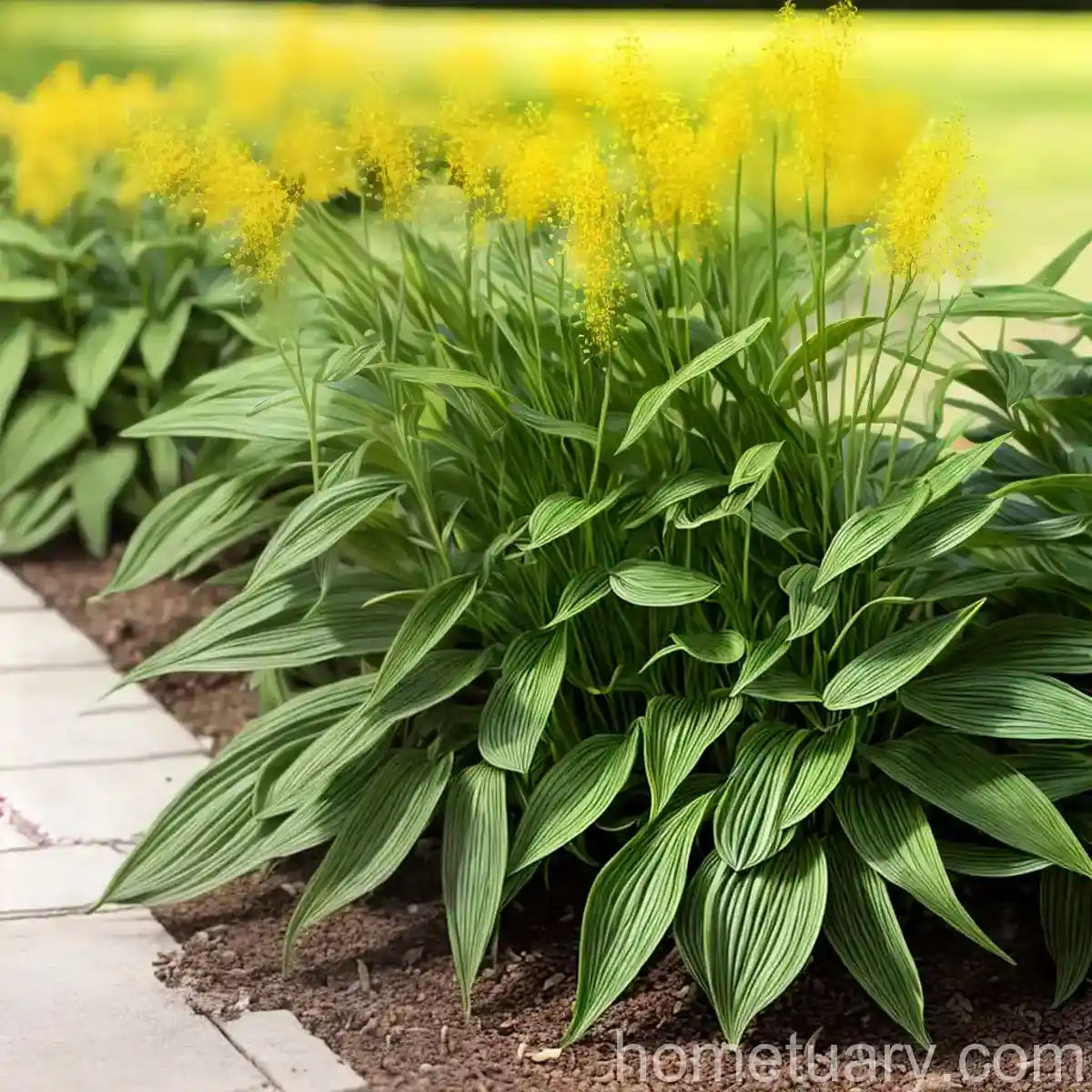
The Wingstem, or Verbesina alternifolia ‘Goldstrahl’, is a stunning perennial plant native to North America. It belongs to the Asteraceae family and is renowned for its striking yellow flowers and unique foliage. The species name “alternifolia” highlights the alternate arrangement of its leaves, adding to its distinctive appeal.
The ‘Goldstrahl’ cultivar enhances the beauty of the Wingstem with its vibrant golden blooms, creating a visual spectacle in gardens and natural landscapes. The plant’s resilience and adaptability make it a sought-after choice for both experienced horticulturists and casual garden enthusiasts.
Key Takeaways – Wingstem (Verbesina alternifolia ‘Goldstrahl’)
Before we delve deeper into the various aspects of the Wingstem plant, let’s outline the key takeaways that will guide our exploration:
-
Flower Characteristics: The Verbesina alternifolia ‘Goldstrahl’ flower captivates with its golden hues, adding a touch of elegance to any setting.
-
Cultivation Tips: Understanding the specific needs and preferences of the Wingstem plant is essential for successful cultivation and maintenance.
-
Plant Uses: Exploring the diverse uses of the Wingstem, from ornamental landscaping to potential medicinal and ecological benefits.
-
Growth Habits: Gaining insights into the growth habits of the Wingstem, including its perennial nature and flowering period.
-
Pests and Diseases: Identifying common pests and diseases that may affect the Wingstem, along with effective management strategies.
With these key takeaways in mind, let’s embark on a comprehensive journey through the captivating world of the Wingstem plant.
Culture
Cultivating the Wingstem involves understanding its specific requirements and creating an environment that allows it to thrive. From soil preferences to sunlight exposure, each aspect of the plant’s culture plays a pivotal role in its overall well-being.
Water
The Wingstem plant exhibits moderate water needs, requiring consistent moisture during its active growth periods. However, it is crucial to ensure well-draining soil to prevent waterlogging, which can potentially harm the plant. Regular watering, especially during dry spells, can contribute to healthy growth and vibrant blooms.
Sunlight
Adequate sunlight is essential for the Wingstem to flourish. This plant thrives in full sun to partial shade, making it suitable for a variety of garden settings. When selecting a location for the Wingstem, consider the balance between direct sunlight and shaded areas to provide an optimal growing environment.
Fertilizer
Fertilizing the Wingstem can enhance its overall health and blooming capabilities. A balanced, slow-release fertilizer applied in the spring can provide the necessary nutrients for robust growth and prolific flowering. It is advisable to follow the manufacturer’s recommendations regarding the application of fertilizers to avoid overfeeding.
Soil
The Wingstem prefers well-drained, fertile soil for optimal growth. A loamy or sandy soil with good drainage properties can create an ideal foundation for the plant’s root development. Additionally, maintaining a slightly acidic to neutral pH level in the soil can further support the Wingstem’s vitality.
Pruning
Pruning plays a crucial role in maintaining the aesthetic appeal and health of the Wingstem plant. Regular pruning can help remove dead or decaying foliage, promote air circulation, and shape the plant for a more balanced and visually appealing appearance. However, it is important to exercise caution and use sanitized tools to prevent the spread of diseases during pruning activities.
Propagation
Propagating the Wingstem allows horticulturists to expand their plant collection and share its beauty with others. The plant can be propagated through seeds or division, with each method offering unique advantages and considerations. Seed propagation can be an enriching gardening experience, while division allows for the creation of new plants from established specimens.
Container Popularity
The Wingstem’s adaptability makes it suitable for container gardening, adding a vibrant touch to patios, balconies, and other outdoor spaces. The plant’s striking flowers and foliage create a captivating display that can enhance the aesthetic appeal of any container garden. When selecting containers for the Wingstem, ensure adequate drainage and appropriate size to accommodate its growth.
Uses
The Wingstem’s versatility extends beyond its ornamental value, encompassing a range of potential uses that align with ecological, aesthetic, and even medicinal applications. Understanding the diverse uses of the Wingstem can inspire creative garden designs and foster a deeper appreciation for this captivating plant.
Various parts of the Wingstem plant, such as its leaves, flowers, and roots, have been traditionally used for medicinal purposes, offering potential therapeutic benefits. Additionally, its attractiveness to pollinators and wildlife contributes to its ecological significance, enriching natural landscapes and supporting local ecosystems.
Common Diseases
While the Wingstem is known for its resilience, it is susceptible to certain diseases that can impact its growth and visual appeal. Understanding the common diseases that affect the plant, along with effective diagnosis and management techniques, is essential for maintaining its health and vitality.
Disease Diagnosis
-
Powdery Mildew: Characterized by a white powdery coating on leaves, powdery mildew can affect the Wingstem, particularly in humid environments.
-
Leaf Spot: The development of dark spots on the leaves may indicate the presence of fungal or bacterial leaf spot diseases, potentially impacting the plant’s overall vigor.
-
Root Rot: Excessive moisture in the soil can lead to root rot, causing wilting and discoloration of the plant’s foliage.
Common Pests
In addition to diseases, the Wingstem may encounter various pests that can compromise its well-being. Identifying and addressing these pests promptly is essential to prevent significant damage to the plant.
-
Aphids: These small, sap-sucking insects can cluster on the Wingstem’s tender shoots and buds, potentially causing deformities and stunted growth.
-
Spider Mites: Infestations of spider mites can result in visible webbing and discoloration of the plant’s foliage, leading to weakened overall health.
Understanding the signs of pest infestations and implementing suitable control measures is crucial for maintaining the Wingstem’s vitality and visual appeal.
Botanist’s Tips
Aspiring botanists and plant enthusiasts can benefit from valuable insights and tips that enhance their understanding of the Wingstem. These expert recommendations encompass various aspects of plant care, cultivation, and appreciation, providing a comprehensive framework for nurturing the Wingstem with confidence.
Fun Facts
Dive into a world of intriguing and entertaining facts about the Wingstem, uncovering its unique characteristics, historical significance, and ecological contributions. From its botanical origins to its cultural symbolism, these fun facts add depth to the enchanting narrative of the Wingstem plant.
Links to External Resources
Expand your knowledge and explore additional resources that offer in-depth information and practical guidance on cultivating and enjoying the Wingstem. These external links provide a rich tapestry of insights, from academic research to practical gardening advice, enabling you to delve deeper into the captivating world of the Wingstem.
Let’s embark on an enriching journey through the diverse facets of the Wingstem, unlocking its cultural significance, uses, and intriguing characteristics.
Conclusion
The Wingstem, or Verbesina alternifolia ‘Goldstrahl’, stands as a testament to nature’s beauty and resilience, captivating with its golden blooms and versatile nature. As we conclude our exploration of this enchanting plant, we have gained a deeper understanding of its cultural significance, uses, and maintenance practices.
From understanding its specific water and sunlight requirements to learning about potential diseases and pests, we have unraveled the intricate tapestry of the Wingstem’s world. Whether you seek to cultivate it in your garden, appreciate its ecological contributions, or explore its potential medicinal uses, the Wingstem offers a wealth of opportunities for discovery and appreciation.
With its striking presence and ecological significance, the Wingstem continues to enchant and inspire, weaving a vibrant thread through the fabric of natural landscapes and human interactions with the plant world. As we embrace the captivating allure of the Wingstem, let’s nurture and celebrate its beauty, adding a touch of golden splendor to our botanical tapestry.
Embark on your journey with the Wingstem, and discover the endless possibilities it offers for enriching garden designs, ecological stewardship, and cultural appreciation. Let the golden radiance of the Wingstem illuminate your botanical endeavors, weaving a tale of natural splendor and vibrant vitality.
Happy gardening, and may the Wingstem’s golden blooms inspire new adventures in plant cultivation and appreciation!