Western Ironweed (Vernonia baldwinii): A Guide to Cultivation, Care, and Uses
Western ironweed, scientifically known as Vernonia baldwinii, is a native perennial plant species found in the western regions of the United States. This vibrant wildflower species is a popular choice for gardeners and landscapers due to its stunning blooms, ecological value, and low maintenance requirements. In this comprehensive guide, we will explore the various aspects of Western ironweed, including its cultural significance, growth habits, cultivation tips, and ecological benefits.
What is Western Ironweed (Vernonia baldwinii)?
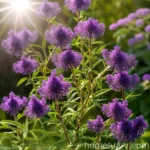
Western ironweed, or Vernonia baldwinii, is a flowering perennial plant that belongs to the family Asteraceae. This species is native to the western regions of North America, where it thrives in a variety of natural habitats, including prairies, meadows, and open woodlands. Known for its striking clusters of purple flowers, Western ironweed is an essential component of the region’s natural ecosystems and is valued for its ornamental, medicinal, and ecological properties.
Key Takeaways – Western Ironweed (Vernonia baldwinii)
Before delving into the specific aspects of Western ironweed, let’s highlight some key takeaways about this remarkable plant:
- Botanical Name: Vernonia baldwinii
- Plant Family: Asteraceae
- Native Range: Western regions of North America
- Habitat: Prairies, meadows, open woodlands
- Flowering Season: Summer to early fall
- Ecological Value: Butterfly and pollinator attractant, erosion control, drought tolerance
- Cultural Significance: Traditional healing properties, folklore and ethnobotanical uses
With these key points in mind, let’s explore the various aspects of Western ironweed, including its cultivation, care requirements, and ecological benefits.
Culture
Uses
Western ironweed serves multiple purposes, making it a highly versatile and valuable plant in various contexts:
- Ornamental Use: prized for its vibrant purple flowers, making it an excellent choice for landscaping and garden design.
- Ecological Benefits: Attracts butterflies and other pollinators, thereby contributing to the health of native ecosystems.
- Traditional and Medicinal Uses: Historically used for various healing purposes by indigenous cultures, demonstrating its ethnobotanical significance.
Cultivation
Successfully cultivating Western ironweed requires an understanding of its specific environmental and care needs. Let’s examine the essential factors to consider when growing this stunning plant.
Water
Western ironweed flourishes in well-drained soil and is moderately drought-tolerant once established. While it can withstand short periods of dryness, providing regular water during dry spells can promote robust growth and flowering.
Sunlight
As a native plant of the western regions, Western ironweed thrives in full sun to partial shade. It typically grows in open, sunny areas in its natural habitat, indicating its preference for ample sunlight.
Fertilizer
When it comes to fertilization, Western ironweed generally does not require heavy feeding. Applying a balanced, slow-release fertilizer in early spring can support healthy growth, but excessive fertilization should be avoided to prevent overstimulation.
Soil
In terms of soil preferences, Western ironweed thrives in well-drained, loamy soils. It can adapt to a range of soil types, including sandy and clay soils, as long as they offer good drainage to prevent waterlogging.
Pruning
While Western ironweed generally requires minimal pruning, deadheading spent flowers can prolong the blooming season and enhance the plant’s overall appearance. Additionally, removing any damaged or diseased foliage can help maintain the plant’s health and vitality.
Propagation
This species can be propagated through both seeds and division. Collecting seeds from the plant’s dried flower heads in the fall and sowing them in prepared soil in the garden or containers can facilitate new growth. Similarly, dividing mature clumps in early spring provides an effective means of propagation.
Container Popularity
Western ironweed’s adaptability and striking appearance make it a sought-after choice for container gardening. Its regal blooms and manageable size contribute to its popularity in container plantings, where it can serve as a focal point or complement other plant varieties.
Common Diseases
While Western ironweed is generally resilient, it can be susceptible to certain diseases under unfavorable conditions. Understanding these potential ailments is crucial for maintaining the plant’s health and vigor.
Disease Diagnosis
Common diseases that may affect Western ironweed include:
- Powdery Mildew: a fungal disease characterized by a powdery white growth on the leaves, typically caused by excessive humidity and poor air circulation.
- Rust: identified by yellow to orange powdery spots on the plant’s foliage, often exacerbated by damp conditions.
- Root Rot: a result of waterlogged soil and inadequate drainage, leading to the decay of the plant’s roots.
Common Pests
In addition to diseases, Western ironweed may encounter pest issues, albeit infrequently. Potential pests include:
- Aphids: Small, sap-sucking insects that can colonize the plant’s tender growth tips, causing distortion and discoloration of the leaves.
- Spider Mites: These tiny arachnids can infest the plant, causing stippling and webbing on the foliage, particularly under dry and dusty conditions.
Understanding the signs and symptoms of these potential issues is instrumental in implementing timely preventive measures and treatments to safeguard the plant’s well-being.
Botanist’s Tips
Based on the plant’s growth habits and ecological significance, here are some tips for cultivating and caring for Western ironweed:
- Naturalistic Plantings: Incorporate Western ironweed in naturalistic plantings to enhance the ecological value of the landscape and attract beneficial wildlife.
- Butterfly Gardens: Include Western ironweed in butterfly gardens and pollinator-friendly landscapes to support local insect populations and encourage biodiversity.
- Companion Planting: Pair Western ironweed with compatible plant species that share similar cultural and environmental requirements, creating harmonious and visually appealing combinations.
Fun Facts
To further appreciate the unique qualities of Western ironweed, consider these intriguing fun facts about the species:
- The name “ironweed” reflects the plant’s robust and durable nature, as it can withstand challenging environmental conditions, including periods of drought.
- The vivid blooms of Western ironweed make it a standout feature in prairie landscapes and evoke a sense of natural beauty and resilience.
- Historical accounts document the traditional use of Western ironweed for its medicinal properties, reflecting its enduring cultural significance and value.
Links to External Resources
For additional information and resources about Western ironweed and related topics, consider exploring the following links:
- Native Plant Landscaping for Western Regions
- Ethnobotanical Uses of Western Plants
- Attracting Pollinators to Your Garden
- Conservation and Restoration of Western Prairie Perennials
Without a doubt, Western ironweed holds immense value as a native plant species, contributing to both the beauty and ecological integrity of the western landscapes. By gaining a deeper understanding of its cultivation, care requirements, and broader significance, we can further appreciate and promote the conservation of this remarkable plant.
In conclusion, Western ironweed, or Vernonia baldwinii, stands as a testament to the resilience and natural splendor of native flora, offering a wealth of benefits for both humans and the environment. As we continue to explore and celebrate the unique characteristics of Western ironweed, let us also recognize and honor the deep-rooted cultural and ecological connections it embodies within the western regions.