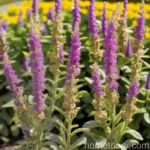
Nettle-Leaved Mullein (Verbascum chaixii ‘Sixteen Candles’)
Introduction
Welcome to the comprehensive care guide for nettle-leaved mullein, scientifically known as Verbascum chaixii ‘Sixteen Candles’. This beautiful perennial plant is a favorite among gardeners, landscaping professionals, and plant enthusiasts due to its unique characteristics and versatility in various growing conditions.
Throughout this article, we will explore the essential aspects of nettle-leaved mullein, including its culture, uses, care requirements, common diseases, and pests. Whether you are a seasoned gardener or a beginner with a green thumb, this guide will provide you with valuable insights into cultivating and maintaining Verbascum chaixii ‘Sixteen Candles’.
What is Nettle-Leaved Mullein?
Nettle-leaved mullein, Verbascum chaixii ‘Sixteen Candles’, is a herbaceous perennial plant renowned for its striking appearance and ornamental value. It belongs to the family Scrophulariaceae and is native to Europe. The plant’s common name, “nettle-leaved mullein,” is derived from the leaves’ resemblance to those of stinging nettles.
The ‘Sixteen Candles’ variety is specifically known for its numerous long-lasting flower spikes, which bear small, star-shaped, golden-yellow flowers. These blooms appear on tall, slender stems, adding an elegant vertical element to the garden landscape. Nettle-leaved mullein typically reaches a height of 2 to 3 feet, making it an excellent choice for mid-border or container plantings.
This resilient plant is adaptable to a wide range of growing conditions and soil types, making it a popular choice for both professional landscapers and home gardeners. Its ability to attract pollinators, such as bees and butterflies, further enhances its desirability in garden settings.
Key Takeaways – Nettle-Leaved Mullein (Verbascum chaixii ‘Sixteen Candles’)
Before delving into the specifics of cultivating and caring for nettle-leaved mullein, let’s take a look at the key takeaways of this plant:
- Scientific Name: Verbascum chaixii ‘Sixteen Candles’
- Common Name: Nettle-leaved mullein
- Plant Type: Herbaceous perennial
- Flower Color: Golden-yellow
- Height: 2 to 3 feet
- Attracts: Bees, butterflies
- Uses: Ornamental gardens, containers, landscaping
Now that we have a foundational understanding of nettle-leaved mullein, let’s explore the various aspects of its culture, uses, and care requirements.
Culture
Water
Nettle-leaved mullein thrives in well-drained soil and prefers moderate watering. Once established, the plant exhibits relatively good drought tolerance, making it suitable for semi-arid or dry garden environments. Care should be taken to avoid waterlogged conditions, as this may lead to root rot and other moisture-related issues.
Sunlight
When it comes to sunlight requirements, nettle-leaved mullein flourishes in full sun to partial shade. It is essential to provide the plant with at least six hours of direct sunlight per day to encourage robust growth and abundant flowering. In regions with scorching summers, some afternoon shade can be beneficial to prevent heat stress.
Fertilizer
Nettle-leaved mullein does not have excessive nutrient requirements and generally performs well in average to poor soils. However, incorporating organic matter, such as compost, into the planting area before establishing the plant can be beneficial. If additional fertilization is desired, a balanced, slow-release fertilizer applied in early spring can support healthy growth and flowering.
Soil
The plant is adaptable to various soil types, including loamy, sandy, and rocky soils, as long as they are well-drained. Neutral to slightly acidic pH levels are preferred. A soil pH in the range of 6.0 to 7.0 is ideal for ensuring optimal nutrient uptake and overall plant health.
Pruning
Pruning is generally minimal for nettle-leaved mullein, particularly the ‘Sixteen Candles’ variety. Deadheading spent flower spikes can extend the blooming period and promote tidier aesthetics. Additionally, removing any damaged or diseased foliage throughout the growing season can help prevent the spread of diseases and maintain the plant’s visual appeal.
Propagation
Nettle-leaved mullein can be propagated through seeds or division. Seed propagation is straightforward, as the plant readily produces viable seeds. Sow the seeds in well-prepared soil in the desired location or in containers, and keep the soil consistently moist until germination occurs. Division of established clumps can be performed in early spring or fall, with the divided sections being replanted in suitable locations.
Container Popularity
Due to its compact growth habit and striking floral display, nettle-leaved mullein, particularly the ‘Sixteen Candles’ variety, is well-suited for container gardening. When grown in containers, it can serve as a captivating focal point on patios, balconies, or any outdoor space. The plant’s adaptability to container culture makes it a versatile choice for individuals with limited garden space, allowing them to enjoy its beauty and pollinator-attracting qualities.
Common Diseases
Disease Diagnosis
While nettle-leaved mullein is relatively resilient to most diseases, it may occasionally encounter issues such as powdery mildew, rust, or leaf spot. Monitoring the plant for any signs of discoloration, distortion, or abnormal growth can aid in early disease detection. Proper cultural practices, including adequate spacing between plants, good air circulation, and avoiding overhead irrigation, can contribute to disease prevention.
Common Pests
Nettle-leaved mullein is relatively resistant to pest infestations. However, certain pests, such as aphids and spider mites, may occasionally target the plant. Regular inspection of the foliage for the presence of pests, along with the use of insecticidal soaps or horticultural oils as needed, can effectively manage these issues.
Botanist’s Tips
As a seasoned plant scientist, I offer the following tips for cultivating and maintaining nettle-leaved mullein:
- Pollinator-friendly: Nettle-leaved mullein’s vibrant blooms are highly attractive to pollinators, making it a valuable addition to wildlife-friendly gardens and landscapes.
- Low-maintenance: This plant requires minimal maintenance once established, making it an excellent choice for busy gardeners seeking a fuss-free yet visually impactful plant.
- Versatile uses: From traditional flower beds to contemporary container gardens, nettle-leaved mullein’s adaptability allows for a wide range of design possibilities in various garden settings.
Fun Facts
- Nettle-leaved mullein has a rich history of traditional medicinal uses, with some cultures utilizing its leaves and flowers for various health remedies.
- The plant’s distinctive appearance and architectural form make it an excellent candidate for adding vertical interest to garden compositions.
Links to External Resources
For additional information on nettle-leaved mullein, its cultivation, and potential uses, consider exploring the following reputable resources:
- Royal Horticultural Society (RHS) – A renowned source for gardening advice and plant information, including a comprehensive profile on Verbascum chaixii ‘Sixteen Candles’.
- Missouri Botanical Garden – Offers detailed plant profiles and gardening resources, which may feature valuable insights into caring for nettle-leaved mullein.
- Gardeners’ World Magazine – An informative publication that often provides practical tips and inspiration for incorporating nettle-leaved mullein into diverse garden designs.
By leveraging these reputable resources, you can further enhance your knowledge of nettle-leaved mullein and enrich your gardening endeavors.
In conclusion, nettle-leaved mullein, specifically the Verbascum chaixii ‘Sixteen Candles’ variety, stands out as a visually captivating and versatile plant with minimal maintenance requirements. Whether you aim to cultivate a pollinator-friendly garden, create a stunning focal point in a container display, or simply adorn your landscape with its elegant presence, this plant serves as an excellent choice for gardeners of all levels of expertise. By integrating the insights shared in this comprehensive care guide, you can embark on a rewarding journey of growing and appreciating the beauty of nettle-leaved mullein in your own garden space.
Remember to embrace the enchanting allure of nettle-leaved mullein as it thrives under the sun’s warm embrace, draws in delightful pollinators, and casts a golden glow upon the gardens it graces.
If you have any questions related to nettle-leaved mullein or plant care in general, please feel free to reach out. Happy gardening!