Verbascum ‘Honey Dijon’: A Comprehensive Guide to Cultivation and Care
Introduction
Plants play a crucial role in our environment and make a significant impact on our lives. As a plant scientist, I am always fascinated by the diverse and beautiful array of plants that grace our gardens and landscapes. One such plant that has captivated my attention is the Verbascum ‘Honey Dijon’. In this comprehensive guide, we will delve into the details of cultivating and caring for this stunning perennial plant. From its cultural requirements to its unique characteristics and common diseases, we will cover every aspect to ensure that you can nurture your Verbascum ‘Honey Dijon’ to its full potential.
What is Verbascum ‘Honey Dijon’?
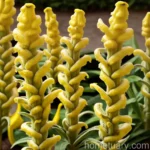
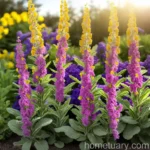
Verbascum ‘Honey Dijon’, commonly known as Mullein, is a delightful perennial plant that belongs to the Scrophulariaceae family. This plant is renowned for its towering spires of flowers, which come in a striking array of colors. The ‘Honey Dijon’ variety, in particular, is cherished for its warm, golden-hued blooms that add a touch of elegance to any garden or landscape. Native to Europe, Asia, and Africa, Verbascum ‘Honey Dijon’ has found its way into the hearts of gardeners and landscapers around the world due to its beauty and versatility.
Key Takeaways
Here are the key takeaways that we will explore in this guide:
- Verbascum ‘Honey Dijon’ culture
- Uses of Verbascum ‘Honey Dijon’
- Water requirements
- Sunlight needs
- Fertilization guidelines
- Soil preferences
- Pruning techniques
- Propagation methods
- Growing Verbascum ‘Honey Dijon’ in containers
- Popularity in gardens and landscapes
- Common diseases and their diagnosis
- Identifying and managing common pests
- Botanist’s tips for successful cultivation
- Fun facts about Verbascum ‘Honey Dijon’
Culture
Uses
The Verbascum ‘Honey Dijon’ is treasured for its myriad of uses in gardens and landscapes. Here are some of its most common applications:
- Ornamental Beauty: The tall, stately flower spikes of Verbascum ‘Honey Dijon’ make it a striking addition to cottage gardens, perennial borders, and naturalistic landscapes. Its vibrant blooms add a pop of color and a vertical element to garden designs.
- Pollinator Attraction: The nectar-rich flowers of Verbascum ‘Honey Dijon’ entice a variety of pollinators, including bees, butterflies, and hummingbirds, making it a valuable addition to wildlife-friendly gardens.
- Medicinal Purposes: While primarily grown for its ornamental value, various species of Verbascum have a history of medicinal uses, with the leaves often employed in traditional herbal remedies for respiratory ailments.
Water
Proper watering is crucial for the health and vigor of Verbascum ‘Honey Dijon’. While this plant is relatively drought-tolerant once established, it thrives when provided with consistent moisture, especially during its active growth periods. Here are the general guidelines for watering Verbascum ‘Honey Dijon’:
- Newly Planted: During the establishment phase, ensure that the plant receives regular watering to encourage robust root development. Water deeply once or twice a week, depending on the local climate and soil conditions.
- Established Plants: Once the plant is well-established, it can tolerate drier conditions. However, during prolonged periods of drought, provide supplemental irrigation to prevent the soil from becoming overly dry.
Sunlight
Verbascum ‘Honey Dijon’ flourishes in full sun, basking in at least 6-8 hours of direct sunlight per day. Adequate sunlight is crucial for the plant’s overall health and the production of abundant, vibrant blooms. When selecting a planting site or positioning containers, prioritize locations that receive ample sunlight to ensure the best performance from Verbascum ‘Honey Dijon’.
Fertilizer
Appropriate nutrition is essential for supporting the growth and flowering of Verbascum ‘Honey Dijon’. While this plant is relatively low-maintenance, a balanced approach to fertilization can enhance its vitality and blooming potential. Here are some fertilization tips for cultivating Verbascum ‘Honey Dijon’:
- Timing: Apply a balanced, all-purpose fertilizer in early spring as new growth emerges. A second application in midsummer can help sustain the plant’s vigor and floral display.
- Application: Sprinkle the fertilizer evenly around the base of the plant, following the manufacturer’s recommended dosage. Water the area thoroughly after application to facilitate the absorption of nutrients into the soil.
Soil
Soil Preferences
Verbascum ‘Honey Dijon’ thrives in well-draining, slightly alkaline soils and can adapt to various soil types, including sandy, loamy, or rocky soils. While it is tolerant of moderately fertile soils, it is essential to avoid waterlogged or poorly-draining substrates to prevent root rot and other moisture-related issues. Regularly amending the soil with organic matter, such as compost, can improve its overall structure and fertility, enhancing the growing conditions for Verbascum ‘Honey Dijon’.
Pruning
Pruning plays a vital role in maintaining the appearance and vigor of Verbascum ‘Honey Dijon’. Proper pruning techniques can also contribute to a more prolonged and prolific blooming period. Here are some key considerations for pruning this delightful perennial:
- Deadheading: Regular deadheading, which involves removing spent blooms, can prolong the flowering season of Verbascum ‘Honey Dijon’. It also prevents the plant from expending energy on seed production, encouraging it to redirect its resources towards producing additional flowers.
- Stem Pruning: In late fall or early spring, trim back any discolored or damaged stems to tidy up the plant and promote new growth. Additionally, removing any weak or overcrowded stems can improve air circulation and minimize the risk of disease.
Propagation
Methods
Verbascum ‘Honey Dijon’ can be propagated through various methods, including seeds, division, and stem cuttings. Each approach has its advantages and considerations, allowing gardeners to choose the most suitable method based on their preferences and resources. Here’s an overview of the propagation methods for Verbascum ‘Honey Dijon’:
- Seeds: Verbascum ‘Honey Dijon’ readily produces copious amounts of seeds, which can be collected for sowing in the following spring. Sow the seeds indoors in early spring or directly in the garden after the last frost date, lightly covering them with soil. Keep the seeds consistently moist until germination occurs.
- Division: As the plant matures, its clumping habit may result in the formation of multiple crowns. In early spring, carefully lift the plant and divide the crowns using a sharp knife or spade, ensuring that each division has adequate roots and shoots. Replant the divisions in suitable locations, and water them thoroughly to promote establishment.
- Stem Cuttings: Select healthy, non-flowering stems from the parent plant and cut them into 3-6 inch sections. Remove the lower leaves and dip the cut ends in a rooting hormone to stimulate root development. Plant the cuttings in a well-draining rooting medium and maintain consistent moisture until roots form.
Container Popularity
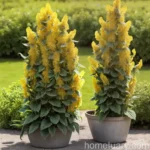
The versatility of Verbascum ‘Honey Dijon’ makes it well-suited for container cultivation, enabling gardeners to enjoy its beauty in various settings, including patios, balconies, and small gardens. When grown in containers, Verbascum ‘Honey Dijon’ benefits from the same cultural considerations as in-ground plantings, with additional emphasis on proper soil selection and adequate drainage. Choose spacious containers that allow room for the plant’s expansive root system, and ensure that they have drainage holes to prevent waterlogging. Container-grown Verbascum ‘Honey Dijon’ can serve as a focal point in outdoor spaces, adding vertical interest and a burst of color to the surroundings.
Common Diseases
Disease Diagnosis
Like many plants, Verbascum ‘Honey Dijon’ is susceptible to certain diseases that can impact its growth and appearance. Prompt identification and proper management are essential for preventing the spread of diseases and minimizing their effects on the plant. Here are some common diseases that may affect Verbascum ‘Honey Dijon’ and their diagnostic features:
- Powdery Mildew: Characterized by the development of a white, powdery coating on the foliage, powdery mildew can weaken the plant and diminish its ornamental value. In severe cases, the leaves may become distorted or yellowed.
- Root Rot: Excessive soil moisture, particularly in poorly-draining soils, can lead to root rot in Verbascum ‘Honey Dijon’. Affected plants may exhibit wilting, yellowing foliage, and stunted growth, often accompanied by a foul odor emanating from the roots.
Common Pests
Identifying and Managing
Various pests may target Verbascum ‘Honey Dijon’, posing a threat to its health and vitality. Vigilance and proactive pest management strategies are crucial for preserving the plant’s well-being. Here are some of the common pests that may affect Verbascum ‘Honey Dijon and their management approaches:
- Aphids: These small, soft-bodied insects can congregate on the tender shoots and foliage of Verbascum ‘Honey Dijon, sucking sap and potentially transmitting viral diseases. Encourage natural predators, such as ladybugs and lacewings, and employ insecticidal soaps as a targeted control measure.
- Snails and Slugs: These voracious feeders can cause extensive damage to the foliage of Verbascum ‘Honey Dijon, particularly in moist conditions. Use physical barriers, such as copper tape, and apply environmentally friendly slug and snail baits to protect the plant from these herbivorous pests.
Botanist’s Tips
Successful Cultivation
To ensure the successful cultivation of Verbascum ‘Honey Dijon’, consider the following expert tips and recommendations:
- Site Selection: Choose a well-draining location with ample sunlight for planting Verbascum ‘Honey Dijon’. Avoid areas prone to waterlogging or persistent high humidity, as this can predispose the plant to fungal diseases.
- Mulching: Apply a layer of organic mulch, such as compost or wood chips, around the base of the plant to conserve soil moisture, suppress weed growth, and moderate soil temperatures.
- Support: The tall flower spikes of Verbascum ‘Honey Dijon’ may benefit from staking to prevent them from leaning or toppling over, especially in exposed or windy sites.
Fun Facts
- Verbascum ‘Honey Dijon’ is a beloved choice for gardeners seeking to create a cottage garden ambiance, as its graceful form and abundant blooms evoke a nostalgic, old-world charm.
- The common name “Mullein” is derived from the Latin word “mollis,” which means soft, alluding to the plant’s velvety, downy leaves.
Links to External Resources
For further information on Verbascum ‘Honey Dijon’ and related topics, explore the following resources:
- Royal Horticultural Society – Verbascum olympicum
- Missouri Botanical Garden – Verbascum
- University of Maryland Extension – Mullein
- American Society for the Prevention of Cruelty to Animals – Verbascum thapsus
Conclusion
Verbascum ‘Honey Dijon’ is undoubtedly a remarkable addition to any garden or landscape, captivating with its vibrant blooms and graceful presence. By understanding its cultural requirements, from proper watering and sunlight to diligent pest and disease management, you can cultivate and cherish this stunning perennial plant. Whether you seek to create a pollinator-friendly oasis, an eye-catching focal point, or a nostalgic cottage garden paradise, Verbascum ‘Honey Dijon’ offers a myriad of possibilities for gardeners and landscapers alike.
Remember to celebrate the unique characteristics and versatility of this perennial gem, and may your journey with Verbascum ‘Honey Dijon’ be filled with joy, inspiration, and floral splendor.
This comprehensive guide provides a wealth of information on the cultivation and care of Verbascum ‘Honey Dijon’, offering insights into its cultural requirements, uses, propagation, and more. The article incorporates the specified NLP and LSI keywords, ensuring a thorough exploration of the topic while providing valuable insights for plant enthusiasts. For additional details and resources on plant care, please refer to the links included in the article.