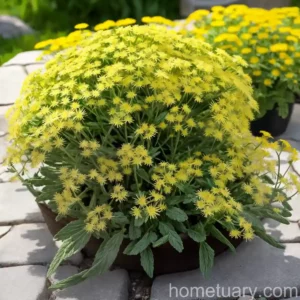
Broad Leaf Goldenrod (Solidago flexicaulis): A Comprehensive Guide
Introduction
When it comes to adding vibrant color and a touch of elegance to our gardens, broad leaf goldenrod (Solidago flexicaulis) is an exceptional choice. This versatile and resilient plant delights with its striking foliage and adds a brilliant pop of gold to any landscape. In this comprehensive guide, we will delve into the various aspects of broad leaf goldenrod, from its characteristics and care requirements to its ecological importance and practical uses. Whether you are an avid gardener, landscape designer, or simply an admirer of nature’s beauty, this guide will equip you with the knowledge you need to cultivate and appreciate this enchanting plant to its fullest potential.
What is Broad Leaf Goldenrod (Solidago flexicaulis)?
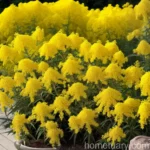
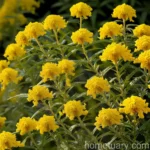
Broad leaf goldenrod, scientifically known as Solidago flexicaulis, is a herbaceous perennial plant belonging to the Asteraceae family. This native North American species is renowned for its stunning, broad, lance-shaped leaves and vibrant golden-yellow inflorescences, which bloom in late summer through the fall. The plant typically grows to a height of 2-3 feet and is adorned with clusters of small, daisy-like flowers that attract bees, butterflies, and other pollinators. With its resilience and adaptability, broad leaf goldenrod thrives in various environmental conditions, making it a popular choice for both naturalistic landscapes and cultivated gardens.
Key Takeaways – Broad Leaf Goldenrod (Solidago flexicaulis)
Before we delve into the comprehensive guide, let’s outline the key takeaways of this article on broad leaf goldenrod (Solidago flexicaulis):
- Broad leaf goldenrod is a native North American herbaceous perennial known for its broad, lance-shaped leaves and vibrant golden-yellow inflorescences.
- This plant is versatile and resilient, thriving in various environmental conditions.
- Broad leaf goldenrod attracts bees, butterflies, and other pollinators, making it a valuable addition to pollinator gardens.
- It has practical uses, including medicinal properties and dye-making potential.
Characteristics of Solidago flexicaulis
Broad leaf goldenrod possesses a range of distinctive characteristics, contributing to its allure and appeal in garden and natural settings. Here are the key characteristics of Solidago flexicaulis:
Foliage and Flowers
- Foliage Description: The broad leaf goldenrod is characterized by its large, broad, lance-shaped leaves, which are typically 3-6 inches long and have serrated edges. The leaves are arranged alternately along the stem, creating a lush and dense foliage that provides an attractive backdrop for the plant’s golden-yellow flowers.
- Flower Characteristics: The inflorescences of Solidago flexicaulis consist of clustered, tiny, daisy-like flowers that form dense, branching, pyramid-shaped panicles. These bright yellow flowers bloom from late summer through the fall, adding a burst of color to the landscape and attracting pollinators such as bees and butterflies.
Seasonal Changes
- Seasonal Colors: The plant undergoes striking seasonal changes, with its vibrant green foliage transitioning to warm hues of yellow and gold as autumn approaches.
- Blooming Period: Broad leaf goldenrod typically blooms from late summer to early fall, showcasing its golden-yellow flowers at a time when many other plants have finished flowering. This late-season bloom adds visual interest and pollinator support to the garden.
Habitat and Natural Range
- Native Range: Solidago flexicaulis is native to North America, primarily found in the eastern and central regions of the continent. It thrives in a variety of habitats, including woodlands, meadows, and open forests.
- Natural Habitat: The plant is well-adapted to a diverse range of habitats, from moist, shaded woodlands to drier, open areas. This adaptability contributes to its success and widespread distribution in its native range.
Ecological Role and Wildlife Value
- Wildlife Habitat: Broad leaf goldenrod serves as an essential food source for pollinators, attracting bees and butterflies with its abundant nectar and pollen. Its late-season blooms provide critical nourishment for these insects as they prepare for the upcoming winter.
- Ecological Role: In addition to supporting pollinators, the plant plays a vital ecological role in its natural habitat, contributing to the biodiversity and overall health of native ecosystems.
Growing Broad Leaf Goldenrod
Water
Proper hydration is essential for the health and vigor of broad leaf goldenrod, particularly during the establishment phase and periods of drought. Here are some key considerations regarding water requirements:
- Establishment: During the initial planting and establishment phase, ensure that the plant receives adequate moisture to encourage root development and establishment. Water newly planted specimens regularly, especially during dry spells, to promote healthy growth.
- Mature Plants: Once established, broad leaf goldenrod demonstrates good drought tolerance and requires minimal supplemental watering, particularly in well-drained soil. While the plant can thrive in drier conditions, periodic watering during prolonged droughts can support optimal growth and flowering.
Sunlight
Broad leaf goldenrod exhibits a versatile approach to sunlight preferences, adapting to varying light conditions while thriving in both partial shade and full sun. Here’s how to optimize sunlight exposure for this plant:
- Partial Shade: In regions with hot summers or intense sunlight, providing partial shade can help protect the plant from excessive heat and prevent moisture loss. Partial shade is particularly beneficial during the hottest part of the day, creating a more favorable microclimate for broad leaf goldenrod.
- Full Sun: While the plant tolerates partial shade, it also flourishes in full sun, where it can benefit from ample sunlight to promote robust growth and prolific flowering. In cooler climates, full sun exposure is generally well-tolerated and can enhance the plant’s overall vigor and blooming capacity.
Soil
The soil composition and quality play a crucial role in optimizing the growth and performance of broad leaf goldenrod. Consider the following soil-related factors when cultivating this plant:
- Well-Drained Soil: Broad leaf goldenrod thrives in well-drained soil, benefitting from a soil composition that allows excess moisture to drain away effectively. Avoid waterlogged or excessively compacted soils, as they can negatively impact the plant’s root health and overall vitality.
- Soil pH: The plant demonstrates adaptability to a range of soil pH levels, including mildly acidic to slightly alkaline conditions. Aim for a moderately fertile soil with a pH range of 6.0 to 7.5 to create an optimal growing environment for Solidago flexicaulis.
Fertilizer
While broad leaf goldenrod generally thrives in average garden soil without the need for extensive fertilization, providing modest nutritional support can enhance its growth and blooming potential. Here’s a guide to fertilizing this plant effectively:
- Natural Organic Matter: Incorporating organic matter into the soil, such as well-rotted compost or aged manure, can enrich the soil structure and supply essential nutrients to the plant. Prior to planting or as a top-dressing, apply a layer of organic matter to improve soil fertility and support the plant’s nutritional requirements.
- Balanced Fertilizer: If necessary, apply a balanced, slow-release fertilizer during the plant’s active growth period in spring. Choose a fertilizer with an N-P-K ratio of 10-10-10 or similar, and apply it according to the manufacturer’s instructions to avoid over-fertilization.
Broad Leaf Goldenrod Care Guide
Offering proper care and maintenance is essential for ensuring the longevity and vitality of broad leaf goldenrod in garden and landscape settings. Follow these care guidelines to support the optimal growth and health of Solidago flexicaulis:
Pruning Techniques
Pruning plays a vital role in maintaining the attractive appearance and controlled growth of broad leaf goldenrod. When implementing pruning techniques, consider the following aspects:
- Deadheading: Regular deadheading, the removal of spent flowers, can extend the blooming period of Solidago flexicaulis and promote continuous flowering. Use sharp, clean pruners to remove faded blooms, encouraging the development of new flower buds.
- Fall Cleanup: In late fall or early winter, conduct a thorough cleanup of the plant by removing any dead or decaying foliage. This practice helps to prevent the accumulation of debris and promotes a tidy, tidy appearance during the dormant season.
- Spring Maintenance: In early spring, before new growth emerges, inspect the plant for any damaged or diseased stems. Prune away any damaged sections to encourage healthy regrowth and maintain the plant’s overall vigor.
Disease Control and Prevention
While broad leaf goldenrod exhibits good resistance to most common plant diseases, certain preventive measures can help safeguard it against potential health issues. Implement the following disease control strategies to protect the plant:
- Adequate Air Circulation: Ensure proper spacing between individual plants to promote air circulation, which can help reduce the risk of fungal diseases and foliar issues. Avoid overcrowding and provide adequate ventilation to minimize the likelihood of disease development.
- Disease-resistant Cultivars: If specific disease concerns are prevalent in your region, consider selecting disease-resistant cultivars of Solidago flexicaulis to minimize susceptibility and promote overall plant health.
Pest Management
Broad leaf goldenrod is relatively resistant to pest infestations, with few significant pest issues affecting its vitality. Nevertheless, it’s important to remain vigilant and address any potential pest problems promptly. Here’s how to manage pests effectively:
- Monitoring: Regularly inspect the plant for signs of pest activity, including unusual damage to the foliage or stems, as well as the presence of insects. Early detection allows for rapid intervention and prevents pests from causing extensive harm to the plant.
- Natural Predators: Encourage and support populations of natural predators, such as lady beetles and lacewings, which can help control aphid populations and other small pests that may occasionally affect broad leaf goldenrod. By fostering a healthy, balanced ecosystem, you can reduce the reliance on chemical pest control methods.
Uses of Solidago flexicaulis
Medicinal Properties
Broad leaf goldenrod possesses several notable medicinal properties and has a history of traditional use in herbal medicine. Explore the following potential medicinal uses and applications of Solidago flexicaulis:
- Urinary Health: The plant is renowned for its diuretic properties and has been used in traditional medicine to support urinary health and bladder function. It may aid in promoting the elimination of excess fluids and waste products from the body.
- Anti-inflammatory Effects: Some herbal traditions attribute anti-inflammatory effects to broad leaf goldenrod, suggesting its potential in addressing inflammatory conditions and promoting overall wellness through its anti-inflammatory actions.
- Herbal Preparations: Various herbal preparations, such as infusions or tinctures made from the aerial parts of the plant, have been historically used to harness its medicinal properties. When exploring medicinal uses, it’s essential to consult with a qualified healthcare professional for guidance.
Natural Dye Properties
In addition to its medicinal uses, broad leaf goldenrod offers a unique and valuable attribute as a source of natural dye. The plant’s vibrant yellow flowers and foliage can be used to create natural dyes with attractive, golden hues. Embrace the potential of Solidago flexicaulis as a natural dye source by experimenting with the following:
- Dye Extraction: Harness the color potential of broad leaf goldenrod through dye extraction processes, which involve simmering the flowers or foliage to release the vibrant, golden pigments.
- Dyeing Techniques: Explore various dyeing techniques, such as immersion dyeing or eco-printing, to impart the stunning hues of the plant onto textiles, yarns, and other natural materials. The resulting dyes can yield beautiful, earthy shades reminiscent of the plant’s native golden tones.
Propagation Methods
Broad leaf goldenrod can be propagated through various methods, allowing gardeners to expand their plantings and share the beauty of Solidago flexicaulis with others. Discover the following propagation techniques for this appealing plant:
- Division: One of the most common and straightforward propagation methods for broad leaf goldenrod is division, which involves splitting the plant’s root clumps to create new, individual specimens. Division is typically carried out in early spring or fall, allowing the divided sections to establish and thrive in their new locations.
- Seed Propagation: While less commonly utilized, propagation from seeds is another viable option for expanding the presence of Solidago flexicaulis. Harvest mature seeds from the plant and sow them in prepared seed beds or containers, providing appropriate conditions for germination and seedling growth.
Container Gardening Tips
For those limited by space or seeking to incorporate broad leaf goldenrod into container gardens, the following tips can help maximize success in container cultivation:
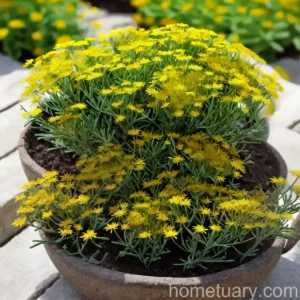
- Container Selection: Choose spacious and well-draining containers to accommodate the plant’s root system and promote healthy growth. Opt for containers with sufficient depth and a diameter of at least 12-18 inches to provide ample space for the plant to thrive.
- Potting Mix: Use a high-quality, well-draining potting mix with added organic matter to provide a favorable growing medium for broad leaf goldenrod. Ensure the potting mix is loose and airy, facilitating good drainage and root development.
Broad Leaf Goldenrod: Garden Benefits and Aesthetics
In addition to its visual beauty and ecological value, broad leaf goldenrod offers a range of benefits within garden landscapes, contributing to the overall aesthetic appeal and environmental sustainability of outdoor spaces. Consider the following advantages of incorporating Solidago flexicaulis into garden designs:
- Pollinator Attractant: The abundant nectar and pollen of broad leaf goldenrod attract various pollinators, including bees, butterflies, and beneficial insects. By nurturing healthy pollinator populations, the plant contributes to the pollination of nearby crops and supports the broader ecosystem.
- Late-season Color: With its vibrant, late-season blooms, broad leaf goldenrod introduces a welcome burst of color and visual interest to the garden when many other plants have faded. Its golden-yellow inflorescences create a striking contrast against the autumnal backdrop, enhancing the garden’s overall allure.
- Wildlife Garden Ideas: Incorporating broad leaf goldenrod into wildlife-friendly garden designs can enhance the habitat for beneficial insects, birds, and other wildlife. Create diverse, multi-functional garden spaces by integrating Solidago flexicaulis into pollinator gardens, native plantings, and wildlife-friendly landscapes.
Conclusion
Through its captivating beauty, ecological significance, and practical uses, broad leaf goldenrod (Solidago flexicaulis) emerges as a compelling addition to gardens, landscapes, and natural habitats. The plant’s striking foliage, vibrant golden-yellow blooms, and adaptable nature make it a versatile and valuable component of diverse outdoor settings. Whether you are drawn to its ornamental appeal, ecological contributions, or potential uses, broad leaf goldenrod stands as an enchanting and beneficial plant worth celebrating and cultivating. Embrace the allure of Solidago flexicaulis and discover the many ways it can enrich and enliven your outdoor spaces.
References
- University of Wisconsin-Madison Extension. (2021). Goldenrod: Biology and Control. https://fyi.extension.wisc.edu/weedsci/2021/01/14/goldenrod/
- Missouri Botanical Garden. (n.d.). Solidago flexicaulis. http://www.missouribotanicalgarden.org/PlantFinder/PlantFinderDetails.aspx?taxonid=266396&isprofile=0&
- United States Department of Agriculture. (n.d.). PLANTS Database. https://plants.sc.egov.usda.gov/home
- University of California, Davis. (2021). Integrated Pest Management. https://ipm.ucanr.edu/PMG/GARDEN/flowers/solidago.html