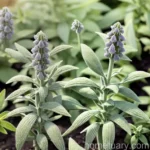
The Marvel of Creeping Rosemary (Salvia rosmarinus – Prostrata Group)
In the world of aromatic herbs, there’s a special place for rosemary. With its fragrant needle-like leaves and delicate flowers, it has garnered a special place in both culinary and medicinal fields. One specific variety that stands out is the creeping rosemary (Salvia rosmarinus – Prostrata Group). In this comprehensive guide, we will explore the cultivation, uses, and care of this fascinating herb.
What is Creeping Rosemary (Salvia rosmarinus – Prostrata Group)?
Creeping rosemary, scientifically known as Salvia rosmarinus (Prostrata Group), is a low-growing, trailing variety of the traditional rosemary (Rosmarinus officinalis). This evergreen herb belongs to the family Lamiaceae and is native to the Mediterranean region. It is characterized by its trailing growth habit, forming a dense carpet of aromatic foliage, and is often used as a ground cover in gardens and landscapes.
Key Takeaways
- Botanical Name: Salvia rosmarinus (Prostrata Group)
- Other Names: Trailing rosemary, climbing rosemary, low-growing rosemary, ground-cover rosemary
- Characteristics: Evergreen, fragrant, drought-tolerant, herbaceous perennial
- Uses: Culinary, medicinal, ornamental
- Special Features: Trailing shrub, fragrant leaves and flowers, hardy groundcover
Now, let’s delve into the details of cultivating and caring for creeping rosemary, and understand its uses and benefits in various aspects of our lives.
Culture
Uses
Creeping rosemary is an extremely versatile plant with numerous practical and aesthetic uses, making it a popular choice for gardeners and landscapers alike.
Culinary Uses
- The fragrant leaves of rosemary are a staple in Mediterranean cuisine, adding a robust flavor to dishes ranging from roasted meats to savory bread and stews.
- It also serves as a flavorful and aromatic addition to infused oils, vinegars, and herbal butter.
Medicinal Uses
- Known for its medicinal properties, rosemary has been used traditionally for its therapeutic benefits, including improving digestion, enhancing memory, and promoting hair growth.
- The essential oil extracted from rosemary is used in aromatherapy for its stimulating and stress-relieving effects.
Ornamental Uses
- The trailing habit and fragrant nature of creeping rosemary make it a popular choice for edging garden borders, trailing over rock walls, and cascading from hanging baskets.
- It also adds a delightful fragrance and visual interest to herb gardens, landscaped areas, and Mediterranean-inspired garden designs.
Water
Creeping rosemary is well-adapted to dry conditions and is remarkably drought-tolerant once established. It is important to allow the soil to dry out slightly between waterings, especially during the cooler months, to prevent root rot and other moisture-related issues.
Sunlight
As a Mediterranean plant, creeping rosemary thrives in full sun and requires at least 6-8 hours of direct sunlight each day to ensure healthy growth and abundant flowering. Insufficient sunlight may result in leggy growth and reduced flowering.
Fertilizer
Being a relatively low-maintenance plant, creeping rosemary generally doesn’t require heavy feeding. However, a light application of balanced fertilizer in the spring can promote healthy growth and flowering. Avoid over-fertilizing, as it can lead to excessive foliage growth at the expense of flowers and essential oils.
Soil
Rosemary prefers well-draining, sandy soil with a slightly acidic to neutral pH (6.0 to 7.0). Soil that retains excessive moisture should be avoided to prevent root rot. Incorporating organic matter, such as compost or aged manure, into the planting area can improve soil structure and fertility, promoting optimal growth.
Pruning
Pruning helps maintain the compact and trailing form of creeping rosemary, while also encouraging bushier growth and preventing woody, leggy stems. Light trimming after the flowering period and occasional shaping can help keep the plant tidy and robust.
Propagation
Creeping rosemary can be propagated through various methods, including seed sowing, stem cuttings, and layering. Stem cuttings taken from healthy, non-flowering shoots in late spring or early summer generally root easily in a well-draining potting mix.
Container Popularity
Due to its trailing habit and adaptability, creeping rosemary is a popular choice for container gardening, where it can spill gracefully over the edges of pots and containers. Its aromatic foliage and dainty flowers make it an excellent choice for herb gardens, patio plantings, and indoor cultivation.
Common Diseases
Creeping rosemary is relatively resistant to most pests and diseases when grown under suitable conditions. However, it may be susceptible to a few common issues, including:
- Powdery Mildew: A fungal disease that appears as white, powdery spots on the foliage, often caused by poor air circulation and high humidity. Ensure proper spacing and good air circulation to reduce the risk of powdery mildew.
- Root Rot: Occurs in poorly-drained soils or when the plant is overwatered, leading to yellowing foliage and wilting. A well-draining soil mix and careful watering practices can help prevent root rot.
Disease Diagnosis
To diagnose and manage potential diseases, it is essential to regularly inspect the plant for any signs of discoloration, distortion, or unusual growth. Prompt action, such as adjusting watering practices, improving air circulation, or using organic fungicidal sprays, can combat many common diseases effectively.
Common Pests
While generally resistant to pests, creeping rosemary may occasionally face attacks from:
- Spider Mites: These tiny arachnids can cause stippling and webbing on the foliage, leading to weak, discolored plants. Regularly spraying the foliage with water and using insecticidal soaps can help control spider mite infestations.
- Aphids: These small, soft-bodied insects can congregate on the new growth, causing leaf curling and honeydew secretion. A strong blast of water or the application of neem oil can deter and manage aphid populations.
Botanist’s Tips
When cultivating creeping rosemary, keep the following practical tips in mind to ensure healthy and vibrant growth:
- Good Drainage: Provide well-draining soil and containers to prevent waterlogging and root rot.
- Proper Sunlight: Ensure ample sunlight to encourage compact growth and abundant flowering.
- Moderate Pruning: Regular, light pruning can maintain shape and promote dense growth without sacrificing flowering.
- Optimal Watering: Allow the soil to dry out slightly between waterings, especially in cooler weather, to prevent waterlogged conditions.
Fun Facts
- The name “rosemary” is derived from the Latin words “ros” (dew) and “marinus” (sea), reflecting its preference for coastal environments and its aromatic resinous leaves.
- In ancient Greece, students would wear rosemary wreaths during examinations to help improve memory and concentration.
Intrigued by the fascinating world of creeping rosemary? Let’s further enrich our understanding by exploring some external resources that offer valuable insights, tips, and inspiration for cultivating and enjoying this delightful herb.
Links to External Resources
- Royal Horticultural Society – Rosemary
- University of Florida IFAS Extension – Rosemary for Home Gardens
- North Carolina Extension Gardener – Growing Rosemary
- The Herb Society of America – Rosemary
- The Spruce – How to Grow and Care for Rosemary
With its aromatic foliage, culinary utility, and ornamental appeal, creeping rosemary is truly a marvel in the world of herbs. Whether cascading from a hanging planter or gracing a Mediterranean-inspired garden, the trailing beauty of creeping rosemary never fails to captivate and inspire. So, why not consider adding this versatile herb to your own garden, patio, or windowsill, and enjoy the numerous pleasures it has to offer!
As we conclude our comprehensive guide to creeping rosemary, I hope it has provided you with valuable insights and practical tips for embracing the enchanting world of this lovely herb. Happy gardening and may your journey with rosemary be filled with fragrant delights and boundless beauty!