White Willow (Salix Alba ‘Tristis’)
White Willow, scientifically known as Salix alba ‘Tristis,’ is a magnificent tree with a rich history and an array of practical uses. In this comprehensive.


White Willow, scientifically known as Salix alba ‘Tristis,’ is a magnificent tree with a rich history and an array of practical uses. In this comprehensive guide, we will explore the cultivation, characteristics, uses, and maintenance of the White Willow plant. Whether you are a gardening enthusiast, a landscape designer, or simply intrigued by the world of plants, this article will provide valuable insights into this remarkable species.
What is White Willow (Salix alba ‘Tristis’)?
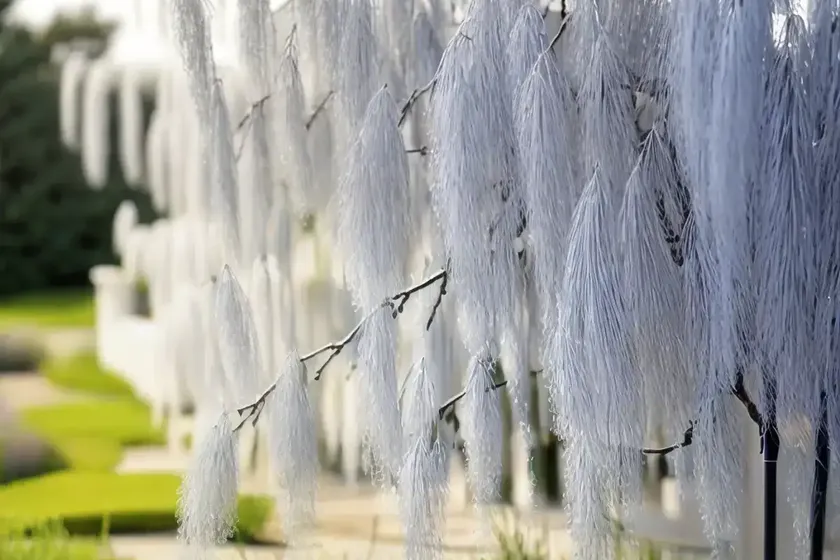
White Willow is a deciduous tree belonging to the Salicaceae family. The ‘Tristis’ cultivar is particularly distinctive for its graceful weeping branches, which create an elegant cascading effect. Its natural habitat includes regions with adequate moisture, including riverbanks, streamsides, and other riparian areas.
Key Takeaways
Before delving into the specific details of the White Willow plant, let’s outline the key takeaways of this guide.
- White Willow is a deciduous tree known for its weeping branches and remarkable landscape appeal.
- Its botanical name is Salix alba ‘Tristis,’ with ‘Tristis’ referring to the specific cultivar renowned for its weeping habit.
- This plant has a rich cultural and medicinal history, along with practical uses in various industries.
- The successful cultivation of White Willow involves considering factors such as water, sunlight, fertilizer, soil, pruning, and propagation techniques.
- Understanding common diseases and pests that affect White Willow is crucial for ensuring its long-term health.
- Botanist’s tips and fun facts will provide additional insights and interesting tidbits about this fascinating plant.
Now, let’s delve into the various aspects of White Willow, from its cultural significance to its practical uses and maintenance requirements.
Cultivation of White Willow
Before exploring the specific care and maintenance guidelines, it’s essential to understand the cultural requirements of White Willow. From its water and sunlight needs to its soil preferences, these factors are pivotal in ensuring the optimal growth and health of the plant.
Water
White Willow thrives in moist conditions, given its natural habitat along riverbanks and water bodies. When cultivated in gardens or landscapes, it is essential to provide adequate irrigation, especially during dry spells. The soil should be kept consistently moist but not waterlogged. Proper drainage is crucial to prevent waterlogged conditions, which can lead to root rot and other issues.
Sunlight
In terms of sunlight, White Willow exhibits a preference for full sun to partial shade. When planted in a location with ample sunlight, it showcases robust growth and vibrant foliage. However, it can also adapt to partial shade, making it a versatile choice for various settings.
Fertilizer
For optimal growth and health, White Willow benefits from a balanced fertilizer regimen. A slow-release fertilizer applied in spring can provide the necessary nutrients for vigorous growth and foliage development. It’s important to follow manufacturer instructions and not over-fertilize, as this can lead to excessive vegetative growth at the expense of overall plant health.
Soil
White Willow thrives in well-drained, loamy soil with sufficient organic matter. When planting White Willow, ensuring proper soil preparation is vital for its long-term health. Additionally, maintaining a slightly acidic to neutral soil pH can support the nutrient uptake and overall vitality of the plant.
Maintenance and Care
The successful cultivation and maintenance of White Willow involve several key aspects, including pruning, propagation, and considerations for container planting. Let’s explore each of these elements in detail.
Pruning
Proper pruning is important to maintain the desired shape and size of White Willow, especially considering the weeping habit of the ‘Tristis’ cultivar. Pruning should be conducted during the dormant season to remove any dead, damaged, or crossing branches. Additionally, shaping the tree to enhance its aesthetic appeal can be achieved through selective pruning.
Propagation
White Willow can be propagated through various methods, including hardwood cuttings, softwood cuttings, and from seeds. Hardwood cuttings are typically taken in late winter, while softwood cuttings are collected in early summer. Successful propagation requires attention to detail and adherence to the specific requirements for each method.
Container Planting
For those interested in container gardening or utilizing White Willow in a more confined space, it’s essential to consider the specific needs of the plant in a container. Adequate drainage is crucial, and the container should complement the mature size of the tree to allow for healthy root development. Regular monitoring of soil moisture is also important in container plantings.
Practical Uses of White Willow
White Willow has a rich history of practical uses, ranging from traditional medicine to various industrial applications. Understanding its diverse utility provides valuable insights into the significance of this remarkable plant.
Traditional Medicine
One of the most renowned uses of White Willow is its historical significance in traditional medicine. The bark of the White Willow tree contains salicin, a compound with pain-relieving and anti-inflammatory properties. This natural compound is considered to be the basis for the development of aspirin, a widely used medication for pain and inflammation.
Landscape Design
From a landscaping perspective, White Willow’s weeping form and graceful foliage make it a captivating addition to gardens, parks, and other outdoor spaces. It serves as an attractive focal point and can be used to create visually appealing accents or natural screens. Its adaptable nature and elegant appearance contribute to its popularity in landscape design.
Wood Properties
The wood of White Willow is valued for its strength and flexibility, making it suitable for various woodworking applications. It is used in the crafting of furniture, baskets, and other items requiring pliable yet resilient material. The unique characteristics of White Willow wood have contributed to its traditional and contemporary use in woodworking.
Wildlife Habitat
White Willow plays a vital role in supporting wildlife, particularly in riparian ecosystems. Its branches provide nesting sites for birds, and its foliage serves as a food source for various insect species. The presence of White Willow contributes to the ecological balance and biodiversity of riparian environments.
Common Diseases and Pests
As with any plant species, White Willow is susceptible to certain diseases and pest infestations. Understanding these potential threats is essential for implementing preventive measures and addressing any issues that may arise.
Disease Diagnosis
Several diseases can affect White Willow, including fungal infections such as powdery mildew and cankers. Proper diagnosis of these diseases involves recognizing symptoms such as powdery white residue on foliage and stem lesions. Timely intervention and appropriate treatments can help manage these conditions effectively.
Common Pests
Pests such as aphids, scale insects, and caterpillars can pose challenges to the health of White Willow. Regular inspection of the plant for signs of pest infestation, such as distorted foliage or the presence of honeydew, is crucial for early detection and intervention. Integrated pest management practices can help mitigate pest pressures effectively.
Botanist’s Tips
To cultivate and appreciate White Willow to the fullest, it’s valuable to consider insights from botanists and horticultural experts. These tips can enhance your understanding and approach to growing and caring for this remarkable plant.
- Proper pruning is essential to maintain the elegant form of White Willow, particularly for the ‘Tristis’ cultivar with its weeping branches.
- Adequate moisture, especially during the establishment phase, is crucial for the health and vigor of White Willow.
- Understanding the natural growth habit and pattern of White Willow can guide its placement in the landscape, taking advantage of its weeping form and aesthetic appeal.
Fun Facts
While exploring the world of White Willow, it’s fascinating to uncover some intriguing and lesser-known facts about this remarkable plant.
- White Willow has a long history of medicinal use, with ancient civilizations utilizing its bark for pain relief and other ailments.
- The name “White Willow” is derived from the whitish hue of its bark, which distinguishes it from other willow species.
- The weeping form of the ‘Tristis’ cultivar is a standout feature that adds an enchanting quality to garden and landscape settings.
Links to External Resources
For those seeking additional information on White Willow, the following links to external resources can provide valuable insights and detailed guidance:
- The Royal Horticultural Society – White Willow Care Guide
- University of Florida IFAS Extension – White Willow Pest Management
- Missouri Botanical Garden – Plant Finder: Salix alba ‘Tristis’
In conclusion, White Willow (Salix alba ‘Tristis’) stands as a captivating and versatile plant with cultural significance, practical uses, and remarkable aesthetic appeal. Whether incorporated into landscapes for its ornamental charm or valued for its historical significance, this plant continues to captivate enthusiasts and botanical enthusiasts alike. By understanding its cultivation, uses, and maintenance requirements, we can truly appreciate the enduring allure of the White Willow.
For further reading and exploration of White Willow, the provided external resources offer valuable information and insights into this remarkable plant.
By investing in the proper care and attention, you can appreciate the grace and beauty of White Willow for years to come.
This comprehensive guide aims to provide a detailed understanding of White Willow (Salix alba ‘Tristis’), covering various aspects such as its cultivation, uses, and maintenance requirements. Whether you are a gardening enthusiast, landscape designer, or simply intrigued by the world of plants, this article offers valuable insights into the remarkable characteristics and practical significance of White Willow.


