The Marvelous Canadian Goldenrod (Solidago canadensis)
Introduction
Plants play a vital role in the ecological balance of our planet, and each species has its own unique characteristics and uses. In this blog post, we will delve into the captivating world of Canadian goldenrod (Solidago canadensis), a native plant of Canada. From its cultural significance to its growing requirements and uses, we will explore every aspect of this enchanting wildflower.
What is Canadian Goldenrod (Solidago canadensis)?
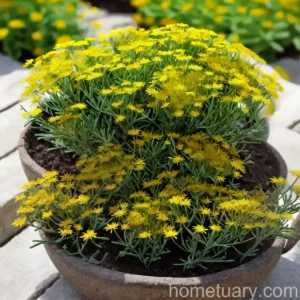
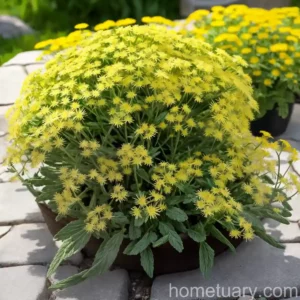
Canadian goldenrod, scientifically known as Solidago canadensis, is a perennial plant that belongs to the Asteraceae family. This herbaceous species is native to North America, particularly Canada, and is known for its striking golden-yellow flowers that bloom in late summer to early fall. Solidago canadensis is a vital part of the Canadian ecosystem, providing food and habitat to various wildlife species.
Key Takeaways – Canadian Goldenrod (Solidago canadensis)
Before we delve further into the world of Canadian goldenrod, let’s take a quick look at the key takeaways of this magnificent plant:
- Scientific Name: Solidago canadensis
- Common Names: Goldenrod plant, Canadian goldenrod, Wild goldenrod
- Habitat: Native plant of Canada
- Uses: Herbal, ecological, landscaping
- Characteristics: Bright yellow flowers, perennial growth
- Cultural Significance: Symbolism, folklore
- Growing Requirements: Full sunlight, well-draining soil
- Conservation Status: Valued for its ecological role
- Propagation: Seeds, division
- Popularity: Common in gardens and natural landscapes
Now, let’s dive deeper into the various aspects of Canadian goldenrod, from its cultural significance to its growing conditions and uses.
1. Culture
Cultural Significance
Canadian goldenrod holds significant cultural value, especially in Canada, where it is considered a symbol of resilience and strength. In Canadian indigenous cultures, the plant is revered for its medicinal properties and is often used in traditional healing practices. The bright golden hue of its flowers is also symbolic of vitality and endurance, making it a cherished emblem in Canadian folklore.
Symbolism
The vibrant blooms of Solidago canadensis symbolize joy, positivity, and abundance. In Canadian culture, the plant’s resilience in harsh conditions is often used as a metaphor for the strength and perseverance of the Canadian spirit.
2. Uses
Ecological Importance
Canadian goldenrod plays a crucial role in the ecological balance of Canada. As a native species, it provides nectar and pollen for numerous pollinators, including butterflies, bees, and other insects. Its seeds also offer a vital food source for birds and small mammals, contributing to the overall biodiversity of Canadian ecosystems.
Herbal Uses
The plant has been traditionally used for its medicinal properties by Indigenous peoples of Canada. Its leaves and flowers are brewed as herbal teas and infusions, valued for their potential diuretic and anti-inflammatory properties. Additionally, Canadian goldenrod has been explored for its potential in traditional medicine for conditions such as urinary tract infections, kidney stones, and arthritis.
3. Water
Canadian goldenrod is moderately drought-tolerant once established, but it benefits from regular watering, especially during periods of extended dryness. When cultivating this plant, it is essential to provide consistent moisture while ensuring that the soil is well-drained to prevent waterlogged conditions. A general guideline is to water deeply once or twice a week, adjusting based on the natural rainfall and the plant’s specific needs.
4. Sunlight
Canadian goldenrod thrives in full sunlight, requiring at least 6 to 8 hours of direct sunlight per day. When selecting a planting location, it is crucial to choose an area that receives ample sunlight to promote healthy growth and prolific flowering. In shadier conditions, the plant may become leggy and produce fewer blooms, so adequate sunlight is essential for its overall vitality.
5. Fertilizer
Canadian goldenrod is a relatively low-maintenance plant when it comes to fertilization. In most cases, it can thrive in average soil without the need for additional fertilizers. However, if the soil is poor or lacking in nutrients, applying a balanced, slow-release fertilizer in the spring can support the plant’s growth and flowering. It is important to follow the specific instructions and dosage recommendations on the fertilizer packaging to avoid over-fertilization, which may result in excessive foliage growth at the expense of blooms.
6. Soil
Well-draining soil is crucial for the successful cultivation of Canadian goldenrod. The plant prefers loamy or sandy soil that allows excess water to drain away, preventing waterlogged conditions that can lead to root rot. A neutral to slightly acidic soil pH range of 6.0 to 7.5 is ideal for this species. Additionally, incorporating organic matter such as compost into the soil can enhance its fertility and texture, creating an optimal growing environment for Canadian goldenrod.
7. Pruning
In early spring, it is beneficial to prune Canadian goldenrod to encourage healthy growth and improve its overall appearance. Remove any dead or damaged stems, as well as the previous season’s foliage to make way for new growth. Additionally, if the plant becomes overgrown or unruly, light pruning can help maintain its shape and prevent it from spreading excessively in the garden. When pruning, it is advisable to wear gloves to protect the skin from potential irritation caused by the plant’s natural chemicals.
8. Propagation
Seeds
Canadian goldenrod can be propagated from seeds, which are typically produced after the plant’s blooming period. Collect mature seeds from the flower heads and sow them in well-prepared seedbeds. Keep the soil consistently moist until the seeds germinate, and then carefully transplant the seedlings to their permanent locations once they have developed several true leaves. It is important to note that Canadian goldenrod may not bloom in the first year when propagated from seeds, as it typically focuses on establishing its root system before investing energy in flowering.
Division
Another method of propagation is through division, which involves separating the plant’s rhizomes to create new individuals. This can be done in early spring or fall when the plant is not actively flowering. Carefully dig up the plant and divide the rhizomes, ensuring that each division has adequate roots and shoots. Replant the divisions in suitable locations, watering them thoroughly to support their establishment.
9. Container Popularity
Canadian goldenrod is a popular choice for container gardening, particularly for individuals looking to attract pollinators to balcony or patio spaces. When grown in containers, it is important to select a large enough pot to accommodate the plant’s extensive root system and provide adequate stability. Additionally, ensure that the container has drainage holes to prevent waterlogging, and use a well-draining potting mix to promote healthy growth.
10. Container Common Diseases
When growing Canadian goldenrod in containers, it is essential to be mindful of potential diseases that can affect the plant. Common issues include:
- Root Rot: Waterlogging caused by poorly draining containers or overwatering can lead to root rot, which manifests as wilting, yellowing foliage, and a foul odor from the soil.
- Powdery Mildew: Inadequate air circulation in container environments can promote powdery mildew, characterized by a white, powdery coating on the leaves.
Proper watering and ventilation can help prevent these diseases in container-grown Canadian goldenrod.
11. Disease Diagnosis
Detecting and identifying diseases in Canadian goldenrod can be crucial for implementing timely treatments and preventing further spread. Common symptoms of diseases in Canadian goldenrod include:
- Leaf Spots: Irregularly shaped, discolored spots on the leaves
- Stunted Growth: Failure to thrive and limited growth compared to healthy specimens
- Abnormal Discoloration: Unusual yellowing, browning, or white patches on the foliage
- Wilting: Drooping or wilting despite adequate watering
- Powdery Residue: Powdery mildew manifesting as a white, powdery substance on the leaves
- Foul Odor: Unpleasant smell emanating from the soil, indicating potential root rot
By vigilantly monitoring the plant and identifying these symptoms, prompt action can be taken to address potential diseases.
12. Common Pests
Canadian goldenrod may face infestations from various pests, though it is generally relatively resistant to serious pest problems. Some common pests that may affect this plant include:
- Aphids: Tiny insects that cluster on the undersides of leaves, sucking sap and causing distorted growth
- Spider Mites: These minuscule pests can cause visible stippling on the leaves and fine webbing on the plant
- Caterpillars: Certain caterpillar species may feed on the foliage, leading to visible leaf damage
Regular inspection of the plant can help identify pest issues early, allowing for appropriate interventions such as insecticidal soaps or horticultural oils to mitigate infestations.
13. Botanist’s Tips
When cultivating Canadian goldenrod, consider the following tips to ensure its optimal growth and performance:
- Attract Pollinators: Planting Canadian goldenrod in the garden can attract a diverse array of pollinators, contributing to the overall biodiversity and health of the ecosystem.
- Companion Planting: Pair Canadian goldenrod with other native or pollinator-friendly plants to create a thriving garden ecosystem that supports beneficial insects and wildlife.
- Responsible Growing: Due to its vigorous growth and potential to naturalize, it is important to prevent Canadian goldenrod from spreading uncontrollably in natural areas where it may outcompete native species.
By incorporating these tips into the cultivation and management of Canadian goldenrod, it can contribute positively to the garden environment while respecting the broader ecological balance.
14. Fun Facts
Unlocking the enchanting world of Canadian goldenrod reveals several intriguing facts and insights:
- Goldenrod can serve as a natural dye source, producing vibrant yellow and gold hues from its flowers.
- Some species of goldenrod have been explored for their potential in sustainable landscaping and soil stabilization due to their robust root systems.
- In traditional medicine, goldenrod has been used as a diuretic and has been investigated for potential anti-inflammatory properties.
- Canadian goldenrod has a rich significance in Canadian Indigenous cultures, where it is revered for its medicinal and spiritual value.
These fun facts add depth to the allure of Canadian goldenrod, showcasing its multifaceted nature and potential uses.
Links to External Resources
To further explore the fascinating realm of Canadian goldenrod and its diverse facets, consider these valuable external resources:
- Canadian Wildlife Federation – Canadian Goldenrod
- Ontario Wildflowers – Solidago canadensis
- University of Guelph – Native Plants of Ontario
- Canadian Biodiversity Information Facility – Solidago canadensis
These resources offer a wealth of information on Canadian goldenrod, from its ecological roles to its cultural significance and practical uses.
In conclusion, Canadian goldenrod (Solidago canadensis) stands as a captivating native plant that intertwines ecological importance, cultural resonance, and horticultural appeal. Its sunny disposition, medicinal potential, and ecological contributions make it a treasured component of Canada’s natural heritage. By understanding and embracing the intricacies of this species, we can nurture a deeper appreciation for the remarkable world of Canadian goldenrod and its enduring presence in the Canadian landscape.
With its symbolism, ecological contributions, and cultural significance, Canadian goldenrod holds a special place in the heart of Canada and continues to inspire enchantment and admiration. Whether flourishing in the wilderness or gracing garden landscapes, this resilient wildflower embodies the enduring spirit of the Canadian natural world.