Plant Scientist’s Guide to Goldenrod (Solidago ‘Early Bird’)
Welcome to the ultimate guide to Goldenrod, specifically the variety known as Solidago ‘Early Bird’. In this comprehensive article, we will explore every aspect of Goldenrod, from its cultural requirements to its maintenance, and even fun facts about this amazing plant.

What is Goldenrod (Solidago ‘Early Bird’)?
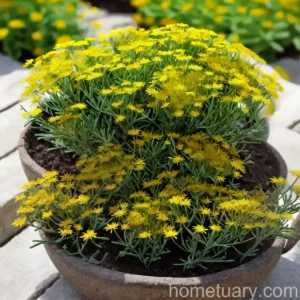
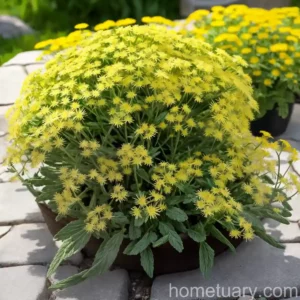
Goldenrod (Solidago) is a genus of flowering plants in the aster family, Asteraceae. The ‘Early Bird’ variety is a cultivated cultivar known for its early blooming period, vibrant yellow flowers, and its ability to attract pollinators. This perennial plant is native to North America and is prized for its ornamental and ecological value. It is an excellent choice for garden landscapes, attracting bees, butterflies, and other beneficial insects while adding a pop of color to the late summer and early fall garden.
Key Takeaways – Goldenrod (Solidago ‘Early Bird’)
Before diving into the details, let’s summarize the key takeaways about Solidago ‘Early Bird’ to give you an overview of what to expect:
- Scientific Name: Solidago ‘Early Bird’
- Common Name: Goldenrod ‘Early Bird’
- Plant Type: Perennial
- Flower Color: Yellow
- Bloom Time: Early Summer to Fall
- Characteristics: Vigorous, compact habit
- Maintenance: Low
- Attracts: Bees, butterflies, and other pollinators
- Hardiness Zone: 4-9
Now that we have a general idea about the plant, let’s delve into the specifics of its cultural requirements, uses, maintenance, and more.
Culture
Cultural requirements refer to the environmental conditions and care practices that a plant needs to thrive. When it comes to cultivating Goldenrod ‘Early Bird’, understanding its cultural needs is crucial for ensuring its health and longevity in your garden.
Water
Goldenrod ‘Early Bird’ is moderately drought-tolerant once established. However, regular watering is essential during its initial growth phase and in periods of extended drought. The plant prefers well-drained soil and doesn’t tolerate waterlogged conditions. Watering it thoroughly when the soil is dry to the touch, especially during dry spells, will help maintain its vigor and promote robust blooming.
Sunlight
This variety of Goldenrod thrives in full sun. It requires at least 6 to 8 hours of direct sunlight daily to achieve its best growth and blooming potential. When considering its placement in the garden, ensure it receives ample sunlight and isn’t overshadowed by larger plants.
Fertilizer
Goldenrod ‘Early Bird’ doesn’t demand heavy feeding. In fact, excessive fertilization can lead to leggy growth and decreased flowering. A balanced, slow-release fertilizer applied in early spring is generally sufficient to support healthy growth and abundant blooms. It’s essential to follow the recommended application rates based on the fertilizer’s formulation to prevent nutrient imbalances.
Soil
This plant isn’t overly particular about soil type as long as it’s well-drained. It can thrive in various soil conditions, including loamy, sandy, or rocky soils. Ideally, the soil pH should be neutral to slightly acidic. Amending the soil with organic matter at the time of planting can improve its overall nutrient content and structure, supporting the plant’s establishment and growth.
Pruning
Goldenrod ‘Early Bird’ generally doesn’t require extensive pruning. However, removing spent flower spikes after the blossoms fade can prolong its blooming period and maintain a tidy appearance. Additionally, cutting back any overly leggy stems in early summer can encourage bushier growth and result in a more compact, attractive plant.
Propagation
Propagating Goldenrod ‘Early Bird’ can be done through division or seed. Dividing mature clumps in early spring or fall allows you to create new plants and rejuvenate older ones. Seed propagation can be more challenging due to seed dormancy and germination requirements; however, it can be an exciting method for growers interested in starting plants from scratch.
Container Popularity
Goldenrod ‘Early Bird’ is increasingly gaining popularity as a container plant for both outdoor and indoor settings. Its compact habit and striking floral display make it an excellent choice for adding color and texture to containers, patios, and balconies. When growing it in containers, ensure the pot has drainage holes and use a well-draining potting mix to avoid waterlogged conditions.
Common Diseases
Like any plant, Goldenrod ‘Early Bird’ is susceptible to certain diseases, though it generally maintains good resistance. Common diseases that may affect this plant include:
- Powdery Mildew: This fungal disease can cause a powdery white coating on the leaves, typically in humid conditions.
- Rust: Manifesting as orange or brown spots on the foliage, rust can weaken the plant if left unchecked.
- Downy Mildew: Characterized by yellow or brown patches on the leaves, downy mildew can impair the plant’s health and vigor.
Preventing these diseases involves promoting good air circulation, avoiding overhead watering, and promptly removing and disposing of any affected plant parts to limit the spread of infection.
Disease Diagnosis
Diagnosing plant diseases requires careful observation and, at times, assistance from plant pathology professionals. The following signs may indicate potential disease issues in Goldenrod ‘Early Bird’:
- Abnormal leaf discoloration or spots
- Powdery or fuzzy growth on the foliage
- Unusual lesions on stems or leaves
- Stunted growth or wilting
If you notice any of these indications, it’s vital to investigate further to determine the cause and take appropriate remedial actions to mitigate the disease’s impact.
Common Pests
Pests can occasionally pose a threat to Goldenrod ‘Early Bird’, though it’s generally not highly susceptible to severe infestations. The following pests are among the potential adversaries for this plant:
- Aphids: These small, soft-bodied insects can congregate on the tender growth tips, causing distortion and stunting.
- Spider Mites: Common in dry conditions, spider mites can create stippling and webbing on the foliage, leading to reduced plant vigor.
- Caterpillars: Certain caterpillar species may feed on the leaves, leading to noticeable damage.
Implementing proactive pest management strategies, such as regular inspection, biological control agents, and targeted treatments with horticultural oils or insecticidal soaps when necessary, can help safeguard Goldenrod ‘Early Bird’ from pest-related issues.
Botanist’s Tips
As a botanist, here are some specialized tips to enhance your success with growing and caring for Goldenrod ‘Early Bird’:
- When transplanting or dividing Goldenrod, water the plants well before and after the process to reduce stress and promote rapid recovery.
- Site Goldenrod ‘Early Bird’ where it has adequate space to grow, as crowding can lead to increased disease susceptibility and reduced airflow.
- Integrate Goldenrod ‘Early Bird’ into pollinator-friendly garden designs, as it serves as a valuable nectar source and adds visual interest.
Fun Facts
Now, let’s explore some fascinating facts about Goldenrod ‘Early Bird’ that highlight its unique characteristics and ecological role:
- Goldenrod is often wrongly accused of causing hay fever. Ragweed, which blooms around the same time, is the actual culprit due to its abundant pollen production.
- Over 100 species of insects, including bees, butterflies, and beetles, rely on Goldenrod as a food source, making it an essential plant for supporting diverse ecosystems.
- The name “Solidago” is derived from the Latin words “solidus” and “ago,” meaning “whole” and “make,” referring to its historical medicinal applications in promoting overall wellness.
Links to External Resources
For further information and resources about Goldenrod ‘Early Bird’, consider exploring the following reputable sources:
- The United States Department of Agriculture (USDA) Plant Database
- The Lady Bird Johnson Wildflower Center
- The National Gardening Association
Now armed with the essential knowledge about Goldenrod ‘Early Bird’, you are well-equipped to cultivate and appreciate this delightful plant in your own garden or landscape. Whether you are a novice gardener or a seasoned horticulturist, the beauty, resilience, and ecological value of Goldenrod ‘Early Bird’ make it a worthwhile addition to any green space.
In this extensive guide, we have covered the cultural requirements, uses, maintenance, and botanist’s tips for growing and caring for Goldenrod ‘Early Bird.’ Whether you want to enhance your garden’s ecological diversity, attract pollinators, or simply enjoy its vibrant blooms, Solidago ‘Early Bird’ is a fantastic choice. Now, armed with this knowledge, you can confidently incorporate this charming perennial into your landscape and appreciate its many benefits.