Sticky Groundsel (Senecio Viscosus)
Plants are not only essential for the sustenance of life, but they also add beauty to the environment. They come in various forms, shapes, colors, and.
Introduction
Plants are not only essential for the sustenance of life, but they also add beauty to the environment. They come in various forms, shapes, colors, and sizes, each with its unique characteristics and requirements. In this article, we will explore the intriguing plant known as Sticky Groundsel (Senecio Viscosus). We will delve into its description, characteristics, growing requirements, uses, and much more. Whether you are an avid gardener, a botany enthusiast, or simply intrigued by the wonders of nature, this comprehensive guide will provide you with valuable insights into the captivating world of Senecio Viscosus.
What is Senecio Viscosus?
Senecio Viscosus, commonly referred to as Sticky Groundsel, is a fascinating perennial plant that belongs to the Asteraceae family. It is native to Europe but has also been introduced to various parts of North America. This plant exhibits unique features that make it a valuable addition to gardens, landscapes, and natural habitats. With its striking appearance and versatile nature, Sticky Groundsel has garnered attention from botanists, horticulturists, and conservationists alike.
Senecio Viscosus Description
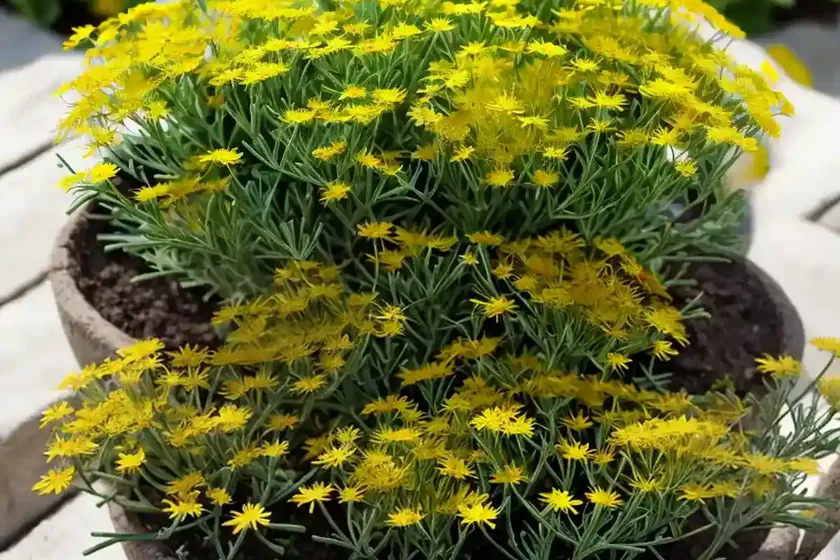
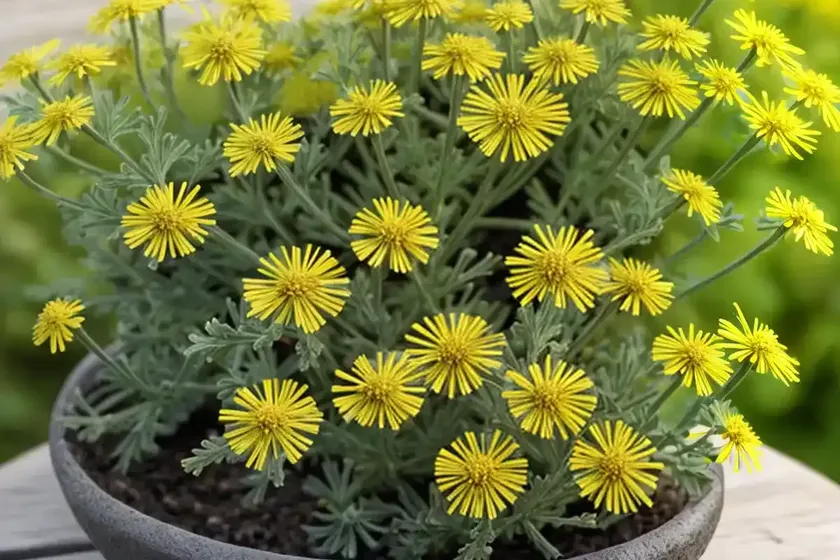
Senecio Viscosus is characterized by its slender, erect stems that can reach heights of up to 60 centimeters (24 inches). The leaves of this plant are alternate and vary in shape, ranging from lanceolate to oblanceolate, with a pronounced, serrated margin. The foliage is a rich, vibrant green and is adorned with glandular hairs that give the plant its distinctive “sticky” quality, hence the common name Sticky Groundsel.
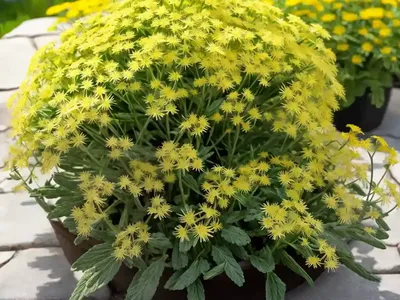
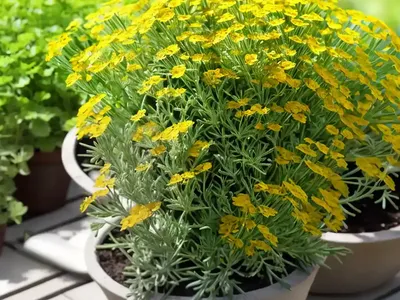
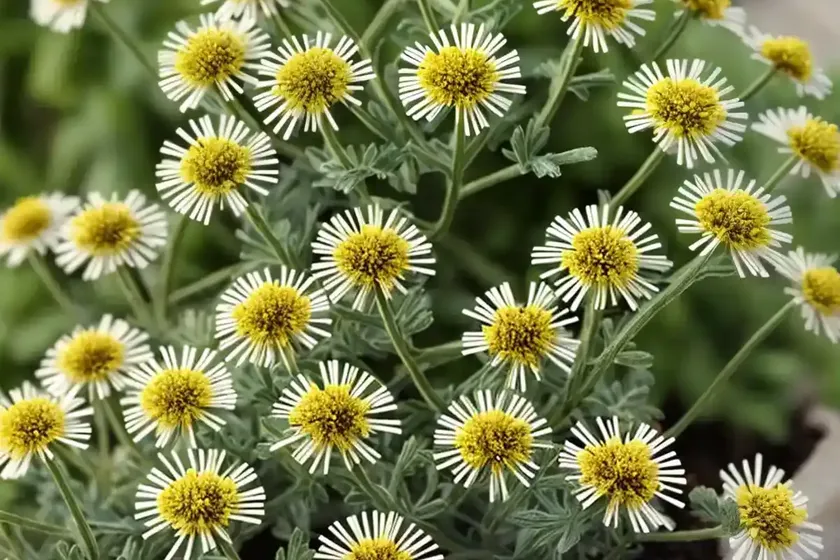
In the late spring and early summer, Sticky Groundsel produces clusters of small, daisy-like flowers with bright yellow petals, creating a splendid display of color in outdoor settings. The pungent aroma emitted by the flowers further adds to the plant’s allure, attracting pollinators such as bees and butterflies.
Sticky Groundsel Characteristics
Key Takeaways – Sticky Groundsel (Senecio Viscosus)
Culture
- Hardiness: Sticky Groundsel is hardy in USDA zones 4-8.
- Maintenance: Low maintenance; requires minimal care and attention once established.
- Landscape Use: Suitable for borders, rock gardens, and naturalized settings.
- Drought Tolerance: Exhibits moderate drought tolerance but benefits from regular watering.
Uses
- Ornamental: Adds vibrant color and texture to gardens and landscapes.
- Wildlife: Attracts pollinators such as bees and butterflies.
- Medicinal: Some traditional medicinal uses; caution advised due to toxic properties.
Water
- Watering Needs: Moderate; water regularly, allowing the soil to dry out slightly between waterings.
- Drought Tolerance: Moderate; can withstand short periods of drought once established.
Sunlight
- Sun Exposure: Full sun to partial shade; thrives in well-drained, sunny locations.
Fertilizer
- Fertilization: Minimal fertilizer requirements; a balanced, slow-release fertilizer in spring may benefit growth.
Soil
- Soil Type: Well-drained, fertile soil; adaptable to various soil types.
- pH: Tolerant of a wide pH range; slightly acidic to slightly alkaline.
Pruning
- Pruning Needs: Minimal; deadhead spent flowers to encourage continuous blooming.
- Winter Pruning: Cut back to ground level in late fall or early spring.
Propagation
- Propagation Methods: Can be propagated from seeds or stem cuttings.
- Seed Germination: Sow seeds directly in the garden in spring or fall.
Container
- Container Gardening: Suitable for container cultivation when provided with adequate space and drainage.
Popularity
- Garden Popularity: Moderately popular in horticultural and native plant settings.
- Conservation: Considered a potentially invasive species in certain regions.
Common Diseases
- Disease Susceptibility: Relatively resistant to diseases when grown in optimal conditions.
- Disease Management: Adequate air circulation and soil drainage can prevent common issues.
Disease Diagnosis
- Symptoms: Yellowing or wilting of foliage, leaf spots, or stunted growth.
- Treatment: Remove affected plant parts, adjust watering, or treat with suitable fungicides.
Common Pests
- Pest Vulnerability: Susceptible to aphids, spider mites, and caterpillars.
- Pest Management: Monitor regularly and employ cultural or chemical control if necessary.
Botanist’s Tips
- Species Diversity: Belongs to a diverse genus with numerous species and cultivars.
- Wildlife Support: Can serve as a valuable food source for wildlife in natural habitats.
Fun Facts
- Sticky Groundsel is part of the large and diverse Senecio genus, which includes over 1,000 species distributed worldwide.
- The name “Senecio” is derived from the Latin word for “old man,” a reference to the grayish hairs often found on the seeds of these plants.
- Sticky Groundsel is known for its adhesive nature, with the glandular hairs on its foliage giving it a sticky or viscous texture.
Links to External Resources
After exploring the description, culture, and key characteristics of Sticky Groundsel, let’s delve deeper into the specific aspects of growing and caring for Senecio Viscosus.
Growing Sticky Groundsel
Senecio Viscosus Uses
Sticky Groundsel offers a multitude of uses, making it a versatile and valuable addition to various settings.
- Ornamental Purposes: The vibrant yellow flowers and lush green foliage make Sticky Groundsel a striking ornamental plant in gardens and landscapes.
- Wildlife Attraction: The nectar-rich flowers attract essential pollinators, contributing to the ecological balance and diversity of natural habitats.
- Medicinal Properties: While caution is advised due to its toxic properties, Sticky Groundsel has been used in traditional herbal medicine for certain purposes. It is important to seek expert advice before considering any medicinal use.
Sticky Groundsel Care
Tips for Cultivating Senecio Viscosus
- Site Selection: Choose a well-drained location with ample sunlight for optimal growth and flowering.
- Watering: Water regularly, especially during dry periods, while ensuring that the soil does not become waterlogged.
- Soil Preparation: Prior to planting, amend the soil with organic matter to enhance fertility and drainage.
- Pruning: Deadhead spent flowers to encourage prolonged blooming and maintain a tidy appearance.
- Pest Control: Monitor for common pests and employ control measures if necessary to prevent damage to the plant.
- Winter Care: In regions with cold winters, consider protecting the plant from extreme temperatures or excessive moisture.
Senecio Viscosus Species
The Senecio genus encompasses a wide array of species, each with its unique characteristics and growing requirements. Some notable species within the genus include Senecio Cineraria, known for its attractive silvery foliage, and Senecio Scandens, a vining species commonly grown as a houseplant.
How to Propagate Sticky Groundsel
Senecio Viscosus Habitat
Sticky Groundsel is well adapted to a variety of habitats, from open meadows and woodland edges to disturbed areas and coastal regions. Its ability to thrive in diverse environments makes it a resilient and versatile plant suitable for cultivation across a range of landscapes.
Benefits of Growing Senecio Viscosus
- Low Maintenance: Once established, Sticky Groundsel requires minimal maintenance, making it an ideal choice for busy gardeners or naturalized landscapes.
- Pollinator Support: The nectar and pollen-rich flowers provide essential nourishment for bees and other pollinators, contributing to biodiversity and ecosystem health.
Sticky Groundsel Medicinal Properties
While it is important to exercise caution due to its potential toxicity, certain traditional uses of Sticky Groundsel in herbal medicine have been documented. The plant contains pyrrolizidine alkaloids, which can be harmful if ingested in large quantities. As such, any medicinal use of Sticky Groundsel should be approached with care and expert guidance.
Senecio Viscosus Flowering Season
The flowering season of Sticky Groundsel typically occurs in late spring to early summer, when the plant produces clusters of bright yellow, daisy-like flowers. This burst of color adds vibrancy to outdoor spaces and provides a valuable food source for pollinators during the active growing season.
Growing Tips for Senecio Viscosus
- Sun Exposure: Ensure that Sticky Groundsel receives ample sunlight to promote healthy growth and prolific flowering.
- Adequate Watering: Maintain moderate soil moisture levels, particularly during the flowering season, to support vigorous growth and bloom production.
- Mulching: Apply a layer of organic mulch around the base of the plant to conserve soil moisture and suppress weed growth.
- Pruning: Regular deadheading of spent flowers can extend the blooming period and prevent the plant from diverting energy into seed production.
Pruning Sticky Groundsel
Sticky Groundsel requires minimal pruning, primarily focused on deadheading spent flowers to promote continuous blooming and maintain a tidy appearance. In late fall or early spring, the plant can be cut back to ground level to rejuvenate growth and remove any winter-damaged foliage.
Senecio Viscosus Soil Requirements
Best Soil Type for Senecio Viscosus
Sticky Groundsel thrives in well-drained, fertile soil with a loamy texture. While it can adapt to various soil types, ensuring good drainage is crucial to prevent waterlogged conditions, which can be detrimental to the plant’s health.
Pests and Diseases of Sticky Groundsel
Natural Remedies Using Senecio Viscosus
Sticky Groundsel can be vulnerable to certain pests and diseases, particularly aphids, spider mites, and caterpillars. While chemical control options exist, natural remedies such as introducing beneficial insects or employing biological controls can offer environmentally friendly alternatives.
Senecio Viscosus Growing Zones
Sticky Groundsel is well-suited to USDA plant hardiness zones 4-8, where it can thrive in a range of climatic conditions. Its adaptability to varying temperatures and moisture levels makes it a resilient choice for gardeners in diverse regions.
Sticky Groundsel Propagation Methods
- Seed Propagation: Collect seeds from mature plants and sow them directly into prepared garden soil in the desired location. Maintain consistent moisture levels to facilitate germination.
- Stem Cuttings: Select healthy stem cuttings and root them in a suitable growing medium to establish new plants.
Senecio Viscosus Wildlife Importance
As a nectar and pollen source, Sticky Groundsel plays a role in supporting vital pollinators such as bees and butterflies, contributing to the overall biodiversity and ecological balance of its habitat.
Watering Needs for Sticky Groundsel
Sticky Groundsel benefits from moderate and consistent watering, particularly during periods of active growth and flowering. While it exhibits moderate drought tolerance once established, providing regular moisture ensures optimal health and vigor.
Senecio Viscosus Plant Family
Sticky Groundsel belongs to the Asteraceae family, which is renowned for its vast diversity and widespread distribution in various ecosystems. The family encompasses a wide range of plants, including ornamental species, medicinal herbs, and important crop plants.
Common Names for Senecio Viscosus
Sticky Groundsel is known by various common names in different regions and languages, reflecting its widespread presence and cultural significance.
- English: Sticky Groundsel
- German: Klebriger Greiskraut
- French: Séneçon Gluant
- Spanish: Senecio Viscoso
- Italian: Senecio Viscoso
- Japanese: スティッキーグラウンドセル
Sticky Groundsel Indoor Cultivation
While Sticky Groundsel is primarily grown outdoors, it can be cultivated indoors in suitable containers with adequate sunlight and care. Providing a well-drained growing medium and regular maintenance can result in a thriving indoor display of this captivating plant.
Senecio Viscosus Toxic Properties
It is important to note that Sticky Groundsel contains pyrrolizidine alkaloids, which can be toxic if ingested by humans or animals. Exercise caution and seek expert guidance when handling or considering any potential uses of the plant, particularly for its medicinal properties.
Companion Plants for Sticky Groundsel
Selecting compatible companion plants can enhance the visual appeal and ecological balance of gardens and landscapes where Sticky Groundsel is cultivated.
- Daisy (Bellis Perennis): Complement Sticky Groundsel with the cheerful blooms of daisies, creating a delightful display of color and charm.
- Lavender (Lavandula Angustifolia): Pair Sticky Groundsel with the fragrant and resilient lavender for a sensory-rich garden setting.
- Sedum (Sedum spp.): Plant low-growing sedum varieties alongside Sticky Groundsel to create intriguing textural contrasts and ground cover displays.
Senecio Viscosus Gardening Tips
- Wildlife Observation: Take time to observe the visiting pollinators and beneficial insects that are attracted to Sticky Groundsel, fostering a deeper appreciation for its ecological role.
- Educational Opportunities: Share the unique features and importance of Sticky Groundsel with others, promoting awareness and understanding of native plant species.
- Conservation: Exercise caution when introducing Sticky Groundsel in regions where it may pose a risk of becoming invasive, adhering to responsible gardening practices.
Growing Sticky Groundsel from Seeds
Seed propagation offers an accessible and rewarding method of cultivating Sticky Groundsel, allowing for the establishment of new plants and the appreciation of its life cycle.
- Seed Collection: Collect mature seeds from the dried flower heads of Sticky Groundsel, ensuring the seeds are fully developed and ripe.
- Sowing: Plant the seeds at the appropriate depth in prepared soil, lightly covering them with a fine layer of soil, and water gently to initiate germination.
- Seedling Care: Once the seedlings emerge, provide adequate care and maintenance to support their growth and development into established plants.
Best Soil Type for Senecio Viscosus
The ideal soil for Sticky Groundsel is well-drained, fertile, and rich in organic matter. A loamy texture provides the optimal balance of moisture retention and drainage, promoting healthy root development and overall plant vigor.
Senecio Viscosus Leaf Shape
The leaves of Sticky Groundsel display varied shapes, with lanceolate to oblanceolate forms being prominent. The serrated margins and vibrant green coloration contribute to the plant’s ornamental appeal and structural interest.
Sticky Groundsel as a Ground Cover
Due to its low-growing and spreading habit, Sticky Groundsel can function effectively as a ground cover in suitable environments. It forms a lush carpet of foliage and blooms, creating an attractive and practical layer in garden beds and naturalized settings.
Senecio Viscosus Climate Requirements
Sticky Groundsel is well-adapted to a range of climates, exhibiting resilience in both temperate and coastal regions. Its ability to tolerate varying temperature and moisture conditions makes it versatile and adaptable to diverse environmental settings.
Senecio Viscosus Pest Control Methods
- Aphid Management: Introduce natural predators such as ladybugs or use a strong stream of water to dislodge aphids from the plant.
- Spider Mite Control: Regularly inspect the foliage for signs of spider mites and employ horticultural oils or soaps as a non-toxic control method.
- Caterpillar Prevention: Monitor for caterpillars and handpick them from the plant to prevent extensive damage.
Medicinal Uses of Sticky Groundsel
While it is important to approach the medicinal uses of Sticky Groundsel with caution, certain traditional remedies have incorporated the plant for specific purposes. It is advisable to consult a qualified herbalist or healthcare professional before considering any medicinal applications.
Tips for Overwintering Senecio Viscosus
In regions with cold winters, it is important to provide suitable protection for Sticky Groundsel to ensure its survival and vigor during the dormant season.
- Mulching: Apply a layer of organic mulch around the base of the plant to insulate the roots and preserve soil moisture.
- Winter Pruning: Trim back the foliage to ground level in late fall to prepare the plant for dormancy and promote healthy regrowth in the following spring.
Senecio Viscosus Leaf Color
The leaves of Sticky Groundsel exhibit a vivid green coloration, adding an attractive and vibrant visual element to its overall appearance. The lush foliage enhances the ornamental value of the plant, especially when juxtaposed with the bright yellow flowers.
Pruning Techniques for Sticky Groundsel
Minimal pruning is required for Sticky Groundsel, with a primary focus on deadheading spent flowers and removing any winter-damaged foliage to maintain its vitality and visual appeal. By employing appropriate pruning techniques, the plant can thrive and continue to bloom prolifically.
Senecio Viscosus Growth Rate
Sticky Groundsel demonstrates a moderate growth rate, gradually establishing its presence and expanding within its growing environment. With the provision of optimal growing conditions and care, the plant can develop into a robust and flourishing specimen.
Sticky Groundsel as a Native Plant
In its native range and certain naturalized regions, Sticky Groundsel serves as an indigenous and important component of the local flora. Its presence contributes to the ecological balance and biodiversity of its habitat, embodying the essence of native plant diversity.
Senecio Viscosus Sun Exposure
Sticky Groundsel thrives in full sun to partial shade, exhibiting flexibility in its light requirements. While it flourishes in sunny locations, it can also adapt to partial shade, making it suitable for a range of garden settings.
Common Uses for Sticky Groundsel
The diverse uses of Sticky Groundsel extend beyond its ornamental value, encompassing ecological, traditional, and cultural roles.
- Garden Ornament: Enhance the visual appeal of gardens and landscapes with the vibrant blooms and lush foliage of Sticky Groundsel.
- Pollinator Support: Attract essential pollinators such as bees and butterflies, contributing to the health and diversity of the ecosystem.
- Educational Importance: Serve as a botanical subject for educational programs and conservation efforts, promoting awareness of native plant species.
Senecio Viscosus Wildlife Attractant
The nectar-rich flowers of Sticky Groundsel provide an essential food source for pollinators, playing a crucial role in supporting the biodiversity and ecological balance of its habitat. By attracting wildlife, the plant contributes to the overall health and vibrancy of natural environments.
Senecio Viscosus Flower Color
The flowers of Sticky Groundsel exhibit a bright yellow coloration, creating a striking visual display and adding vibrancy to outdoor spaces. The distinct hue of the blooms enhances the ornamental appeal of the plant, attracting attention and pollinators alike.