Goldenrod (Solidago cutleri ‘Goldrush’): A Closer Look
Plants are fascinating organisms that come in a stunning array of shapes, sizes, and colors. Among the many species, goldenrod (Solidago cutleri ‘Goldrush’) stands out for its striking appearance and versatile uses. This blog post will delve into the intricacies of this captivating plant, from its cultural requirements to its ecological significance.
What is Goldenrod (Solidago cutleri ‘Goldrush’)?
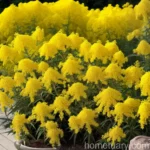
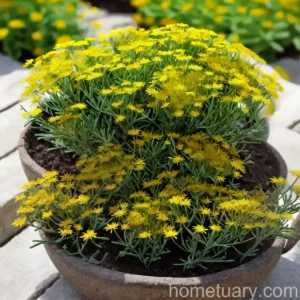
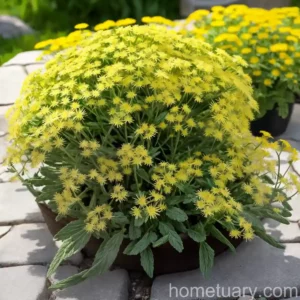
Goldenrod (Solidago cutleri ‘Goldrush’) is a perennial plant that belongs to the Asteraceae family. With its vibrant yellow flowers and slender stems, it adds a touch of elegance to any garden or landscape. This particular cultivar, ‘Goldrush,’ is known for its exceptional beauty and resilience, making it a popular choice among gardeners and landscapers.
Key Takeaways
To provide a comprehensive understanding of goldenrod (Solidago cutleri ‘Goldrush’), let’s explore its various facets, including its culture, uses, and maintenance requirements.
Culture
Water
Goldenrod prefers moist, well-drained soil. While it can tolerate periods of drought once established, regular watering is essential, especially during its initial growth stages.
Sunlight
This plant thrives in full sunlight, so it should be positioned in an area that receives at least six hours of direct sunlight each day.
Fertilizer
A balanced, all-purpose fertilizer can be applied in spring to support the plant’s growth and blooming. However, excessive fertilization should be avoided, as it can lead to weak, leggy growth.
Soil
Goldenrod grows best in loamy, well-draining soil with a slightly acidic to neutral pH. Amending the soil with organic matter can enhance its fertility and structure, contributing to the plant’s overall health.
Pruning
Pruning can help maintain the plant’s shape and remove any dead or damaged growth. It’s best to prune goldenrod in early spring before new growth emerges.
Uses
Landscaping
Goldenrod (Solidago cutleri ‘Goldrush’) is a valuable addition to landscaping projects, contributing not only a burst of color but also ecological benefits. It can be incorporated into mixed perennial beds, borders, and wildflower gardens, adding a touch of vibrancy and attracting beneficial insects.
Medicinal and Folk Remedies
In traditional medicine and herbal remedies, goldenrod has been used to address various ailments. Its leaves and flowers are believed to possess diuretic and anti-inflammatory properties, and they have been utilized in decoctions and teas for their potential health benefits.
Propagation
Goldenrod can be propagated through division or seeds. When dividing the plant, it’s advisable to do so in early spring or late autumn to minimize stress on the plant.
Container Gardening
While goldenrod is commonly found in garden beds, it can also thrive in containers. When selecting a container, ensure that it provides ample space for root development and has drainage holes to prevent waterlogging.
Common Diseases
Goldenrod is relatively resilient, but it can be susceptible to certain diseases, such as powdery mildew and rust. Proper sanitation and spacing of plants can minimize the risk of these diseases.
Disease Diagnosis
Diagnosing plant diseases is crucial for effective management. Keep an eye out for symptoms such as white powdery patches on the foliage or rusty spots, and take appropriate measures to address the issue promptly.
Common Pests
Aphids and spider mites are among the pests that may target goldenrod. Regularly inspecting the plant for signs of pest infestation can help prevent any significant damage.
Botanist’s Tips
- When selecting a planting location for goldenrod, consider its preference for full sunlight and well-draining soil.
- Regular pruning can help maintain the plant’s vitality and shape, promoting a more compact and attractive appearance.
- Introducing organic mulch around the base of the plant can help conserve soil moisture and suppress weed growth, benefitting the goldenrod’s overall health.
Fun Facts
Did you know?
– Goldenrod is often unjustly blamed for causing hay fever, while in reality, its pollen is not easily airborne and is primarily dispersed by insects.
– In some cultures, goldenrod is associated with good fortune and prosperity, making it a popular choice for decorative arrangements and traditional ceremonies.
Links to External Resources
For further exploration of goldenrod (Solidago cutleri ‘Goldrush’) and related topics, consider the following resources:
- USDA Plant Profile: Solidago cutleri
- Perennial Resource: Goldenrod (Solidago) Care
- The Herb Society of America: Goldenrod – Herb of the Month
- University of Maryland Extension: Insect Pests of Goldenrod
Goldenrod (Solidago cutleri ‘Goldrush’) is truly a multifaceted plant, boasting not only aesthetic appeal but also ecological and medicinal significance. Through its adaptability and diverse applications, it has found a place in gardens, landscapes, and various cultural traditions, enriching the natural and human environments alike. Whether as a landscaping feature, a herbal remedy, or a symbolic element, goldenrod continues to captivate and inspire.