Plant Scientist’s Guide: goldenrod (Solidago ‘Dansolitlem’ LITTLE LEMON)
Introduction
As a plant scientist, I find the world of plants to be endlessly fascinating. Each species and variety has its unique features, requirements, and benefits. In this comprehensive guide, we will delve into the captivating world of goldenrod (Solidago ‘Dansolitlem’ LITTLE LEMON). We will explore its culture, uses, water and sunlight needs, fertilizer and soil requirements, pruning, propagation, container gardening options, common diseases, pests, and much more. Let’s start our journey into the world of goldenrod, a delightful addition to any garden or landscape.
What is goldenrod (Solidago ‘Dansolitlem’ LITTLE LEMON)?
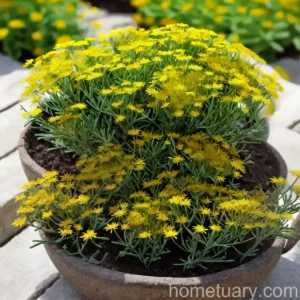
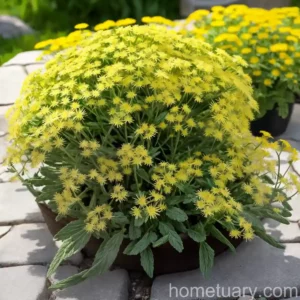
Goldenrod, scientifically known as Solidago ‘Dansolitlem’ LITTLE LEMON, is a remarkable plant that belongs to the Asteraceae family. This family is commonly known as the aster, daisy, or sunflower family, and it comprises over 32,000 currently accepted species, making it one of the largest plant families. The Solidago genus itself includes approximately 100 to 120 species of flowering plants, with Solidago ‘Dansolitlem’ LITTLE LEMON being one of the captivating varieties. Goldenrod plants are renowned for their striking yellow flowers and contribute to the beauty of natural landscapes as well as cultivated gardens.
Key Takeaways – goldenrod (Solidago ‘Dansolitlem’ LITTLE LEMON)
Before delving deeper into the various aspects of goldenrod care and cultivation, let’s take a quick look at the key takeaways associated with this splendid plant:
- Plant Name: Solidago ‘Dansolitlem’ LITTLE LEMON (Goldenrod Little Lemon)
- Common Names: Little Lemon plant, Fine-leaved Goldenrod, Dwarf Goldenrod
- Plant Type: Perennial
- Features: Compact growth, yellow flowers, fine-leaved foliage
- Uses: Landscaping, pollinator gardens, rock gardens, borders
- Characteristics: Drought-tolerant, deer-resistant, insect-resistant
- Growth Habits: Low-growing, suitable for small spaces
Now, let’s explore the different aspects of caring for goldenrod, ensuring that it thrives and adds brilliance to any garden or landscape.
Culture
Goldenrod, with its vibrant yellow blooms, is a delightful addition to any garden. To ensure its successful growth, it is crucial to understand its cultural requirements. Let’s explore the key cultural aspects associated with cultivating Solidago ‘Dansolitlem’ LITTLE LEMON.
Uses
Goldenrod has several uses in the realm of gardening and landscaping, making it a versatile and valuable addition to outdoor spaces. Some common uses include:
- Landscaping: Goldenrod’s bright yellow flowers and fine-leaved foliage make it an excellent choice for adding visual interest to landscapes. It can be used in flowerbeds, rock gardens, and mixed plantings to create stunning visual impact.
- Pollinator Gardens: The nectar-rich flowers of goldenrod attract various pollinators, including bees and butterflies, making it an important component of pollinator-friendly gardens.
- Borders: Due to its low-growing nature and attractive blooms, goldenrod is often used to create borders and edges in garden beds, adding structure and color to the overall design.
Water
Sufficient water is essential for the healthy growth of goldenrod plants. However, these plants are relatively drought-tolerant once established, making them suitable for various garden settings. Here are some critical points to consider regarding watering:
- Establishment: Newly planted goldenrod specimens require regular watering to aid in the establishment of their root systems. During the initial period after planting, it is essential to keep the soil consistently moist, allowing the plants to develop strong roots.
- Mature Plants: Once established, goldenrod demonstrates good drought tolerance and can thrive in dry conditions. However, during prolonged dry spells, providing supplemental water can help maintain the plant’s vitality and promote robust flowering.
Sunlight
Adequate sunlight is crucial for the healthy growth and prolific blooming of goldenrod. Generally, these plants thrive in full sun, which is defined as at least six hours of direct sunlight per day. Here are some key points to consider regarding sunlight requirements for goldenrod:
- Optimal Sun Exposure: Plant Solidago ‘Dansolitlem’ LITTLE LEMON in an area that receives full sun to maximize its blooming potential. Insufficient sunlight can lead to reduced flower production and decreased overall vigor.
- Shade Tolerance: While goldenrod prefers full sun, it can tolerate partial shade, especially in regions with intense afternoon sun or during exceptionally hot summers. However, to ensure abundant blossoms, prioritize locations with ample sunlight.
Fertilizer
Proper fertilization can significantly influence the growth and blooming capacity of goldenrod. Understanding the appropriate fertilizer application is essential for maintaining the plant’s health and vigor. Consider the following factors regarding fertilizing goldenrod:
- Soil Testing: Before applying fertilizers, conduct a soil test to determine the existing nutrient levels in the planting area. This information will guide you in selecting the appropriate fertilizer formulation and application rates.
- Balanced Fertilizers: Goldenrod generally benefits from a balanced, all-purpose fertilizer with an N-P-K ratio of 10-10-10 or similar. Apply the fertilizer in early spring before new growth emerges, following the recommended dosage on the product label.
- Avoid Overfeeding: While goldenrod can benefit from fertilization, excessive or late-season fertilization can lead to excessive foliage growth at the expense of flower production. Follow the recommended guidelines to avoid overfeeding.
Soil
The soil composition and quality play a significant role in the overall health and vitality of goldenrod plants. By understanding the soil requirements, gardeners can create an ideal growing environment to support the plant’s development. Let’s delve into the essential considerations related to the soil for goldenrod:
- Well-Drained Soil: Goldenrod thrives in well-drained soil that prevents waterlogging and root rot. Amending heavy clay soils with organic matter such as compost or peat moss can improve drainage and create a more favorable growing medium for the plants.
- Soil pH: Goldenrod prefers slightly acidic to neutral soil with a pH range between 6.0 and 7.0. Conduct a soil pH test and make necessary adjustments using lime to raise pH or elemental sulfur to lower pH, ensuring that the soil conditions are suitable for optimal plant growth.
- Soil Moisture: While goldenrod exhibits good drought tolerance, consistently moist soil is beneficial, especially during the establishment phase. Maintain moderate soil moisture levels to support healthy root development and overall plant vigor.
Pruning
Pruning plays a crucial role in shaping the growth and maintaining the appearance of goldenrod plants. Proper pruning practices can help control the plant’s size, promote bushier growth, and remove spent flowers. Here are some key points to consider regarding pruning goldenrod:
- Deadheading: Removing spent flowers through deadheading encourages the plant to produce additional blooms and prevents the formation of seeds. Deadheading can prolong the flowering period and enhance the overall appearance of the plant.
- Late Winter Pruning: In late winter or early spring, perform a thorough pruning to remove any dead or damaged stems from the previous growing season. Additionally, trim back any overly vigorous growth to maintain a more compact and tidy appearance for the upcoming season.
Propagation
Propagation allows for the multiplication of goldenrod plants, making it easier to expand their presence in a garden or landscape. Understanding the different propagation methods and techniques can empower gardeners to propagate Solidago ‘Dansolitlem’ LITTLE LEMON successfully. Consider the following propagation approaches:
- Division: Propagating goldenrod through division involves separating clumps of the plant into smaller sections, each with an intact root system. This method is typically performed in early spring or early autumn when the plant is not actively growing. Replant the divided sections in prepared soil to establish new plants.
- Seed Propagation: While goldenrod can be grown from seeds, this method requires patience and careful attention to seed-starting practices. Sow the seeds in a well-prepared seed-starting mix and provide optimal conditions for germination, including consistent moisture and warmth.
Container Popularity
Goldenrod is also well-suited for container gardening, offering a unique way to grow this charming plant in various outdoor spaces. When choosing a container for goldenrod, consider the following factors:
- Size: Select a container that provides ample space for the plant’s root system to spread and develop. A larger container accommodates the plant’s growth without restricting its size or vigor.
- Drainage: Ensure that the container has adequate drainage holes to prevent waterlogging and maintain proper soil moisture levels. Proper drainage is crucial for the overall health of goldenrod plants grown in containers.
Container Common Diseases
While goldenrod is generally resistant to many diseases, certain issues can affect plants grown in containers. Being aware of common diseases allows for early identification and effective management. Common diseases that may affect goldenrod in containers include:
- Powdery Mildew: This fungal disease appears as a white, powdery growth on the leaves and stems. To manage powdery mildew, improve air circulation around the plants, and consider applying fungicidal treatments if necessary.
- Root Rot: Overly wet or poorly-drained soil in containers can lead to root rot, causing the plant to wilt and decline. Proper watering practices and well-drained potting mix can help prevent this issue.
Disease Diagnosis
Diagnosing and addressing plant diseases promptly is crucial for maintaining the health and vitality of goldenrod. Here are some key steps in diagnosing and managing potential diseases:
- Visual Symptoms: Carefully observe the plant’s foliage, stems, and overall appearance for any unusual signs, such as discoloration, spots, or abnormal growth.
- Consulting Experts: If specific symptoms or issues are unclear, seek advice from horticultural experts, local extension services, or plant health clinics to accurately diagnose and address potential diseases.
- Cultural Practices: Implementing proper cultural practices, including providing adequate sunlight, moisture, and air circulation, can prevent many diseases and promote overall plant resilience.
Common Pests
While goldenrod is relatively resistant to pests, certain insects may occasionally present challenges to its growth and appearance, especially in specific growing conditions. Common pests that may affect goldenrod include:
- Aphids: These small, soft-bodied insects can cluster on the undersides of leaves, sucking sap and causing leaf distortion. Encouraging natural predators and employing insecticidal soaps can help manage aphid infestations effectively.
- Spider Mites: Spider mites are tiny pests that can cause stippling and webbing on the leaves of goldenrod. Regularly inspecting plants and using horticultural oils can help control spider mite populations.
Botanist’s Tips
As a plant scientist, I have gathered several valuable tips for successfully cultivating and caring for goldenrod:
- Plant Selection: When selecting goldenrod plants for your garden, choose healthy specimens with vigorous growth and no signs of disease or pests. Starting with high-quality plants sets the stage for successful cultivation.
- Mulching: Applying a layer of organic mulch around goldenrod plants helps conserve soil moisture, suppress weed growth, and contribute to a more consistent soil temperature.
- Observation: Regularly observe your goldenrod plants for any changes in appearance, growth, or health. Early detection of issues allows for prompt intervention and effective management.
Fun Facts
Here are some intriguing fun facts about goldenrod that showcase its unique characteristics and contributions to the natural world:
- Pollinator Buffet: The nectar-rich flowers of goldenrod attract a variety of pollinators, making it a valuable resource for supporting local ecosystems and biodiversity.
- Native Beauty: Many goldenrod species are native to North America and play essential roles in native plant communities and habitats, contributing to the region’s ecological diversity.
- Historical Uses: Some Indigenous peoples historically used goldenrod for various medicinal purposes, recognizing its potential health benefits.
Links to External Resources
For further information about goldenrod, including in-depth cultivation guides, landscaping ideas, and plant care resources, consider exploring the following external links:
- Missouri Botanical Garden – Solidago ‘Dansolitlem’ LITTLE LEMON
- North Carolina State University Extension – Growing Solidago (Goldenrod) in the Garden
- The National Gardening Association – Plant Care Guides for Goldenrod
Conclusion
In this comprehensive guide, we have explored the captivating world of goldenrod (Solidago ‘Dansolitlem’ LITTLE LEMON) – a remarkable plant with diverse landscape uses, charming aesthetics, and valuable contributions to pollinator habitats. By understanding its cultural needs, propagation methods, and disease management strategies, gardeners can cultivate flourishing goldenrod plants that enhance the beauty of gardens and support local ecosystems. Whether used in borders, containers, or mixed plantings, goldenrod stands as a shining example of nature’s grace and resilience.
Remember, when engaging with plants, whether as a gardener, horticulturist, or plant scientist, the journey is as enriching as the destination. Embrace the learning process, adapt to the ever-changing dynamics of plants, and find joy in nurturing the natural world. Happy gardening!