Alcea Rosea ‘Chater’s Double Red’ (Hollyhock)
As a plant scientist, I am always excited to delve into the fascinating world of plants. This time, I’ll be taking an in-depth look at the Alcea rosea.
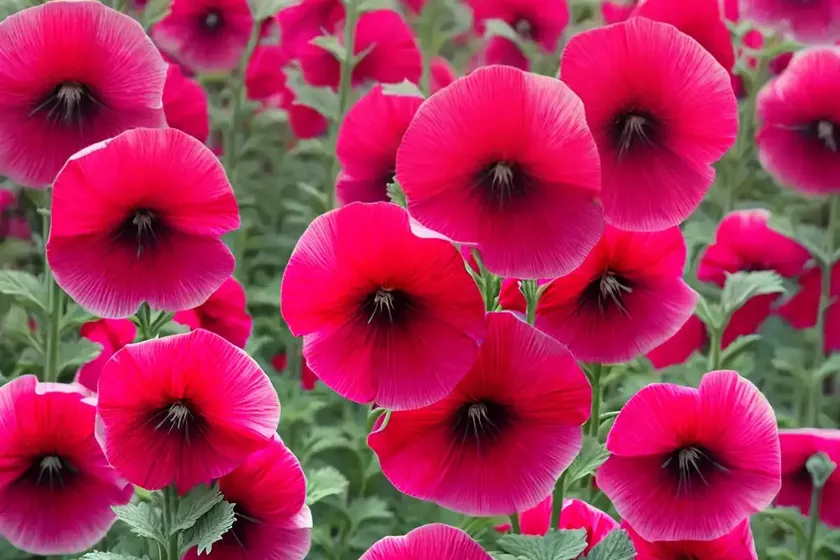
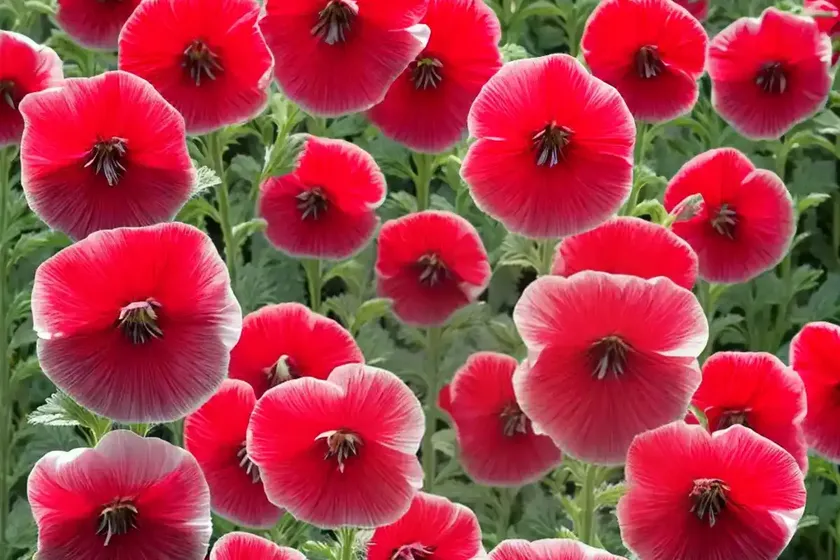
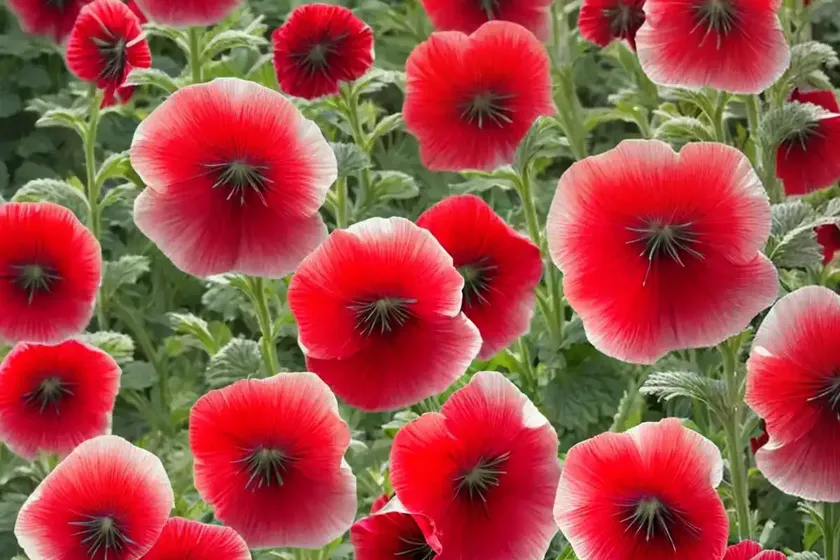
As a plant scientist, I am always excited to delve into the fascinating world of plants. This time, I’ll be taking an in-depth look at the Alcea rosea ‘Chater’s Double Red’, commonly known as the Hollyhock. Hollyhocks are undeniably beautiful additions to any garden with their towering spikes of colorful blooms. In this comprehensive guide, we will explore various aspects of this stunning plant, from its characteristics and cultivation to its uses, diseases, and pests. Whether you’re an experienced gardener or just starting out, there’s something for everyone in this ultimate guide to Alcea rosea ‘Chater’s Double Red’.
What is Alcea rosea ‘Chater’s Double Red’ (Hollyhock)?
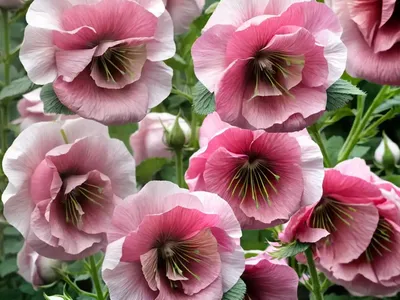
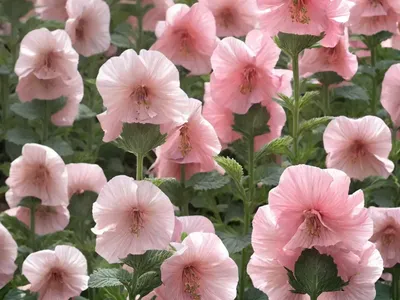
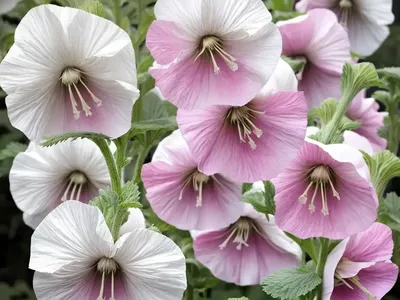
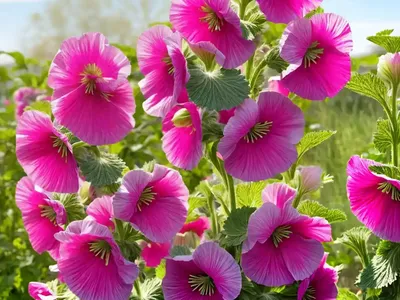
Alcea rosea ‘Chater’s Double Red’, a member of the Malvaceae family, is a classic cottage garden flower that is beloved for its tall spikes of colorful, frilly flowers. The ‘Chater’s Double Red’ variety, as the name suggests, is renowned for its stunning double red blooms that add a vibrant splash of color to the garden. This biennial or short-lived perennial plant is native to China and is widely cultivated for its ornamental value.
Key Takeaways
Here are some key takeaways about Alcea rosea ‘Chater’s Double Red’ (Hollyhock):
– Stunning double red blooms
– Biennial or short-lived perennial
– Belongs to the Malvaceae family
– Ideal for cottage gardens
– Native to China
– Renowned for its vibrant and frilly flowers
Now that we have a brief understanding of what the plant is, let’s delve deeper into its culture, uses, and care requirements.
Culture
Cultivating Alcea rosea ‘Chater’s Double Red’ requires a basic understanding of its preferences and needs. From the right type of soil to suitable pruning techniques, here’s a detailed look at the culture of this captivating plant.
Uses
The uses of Alcea rosea ‘Chater’s Double Red’ are primarily ornamental. Its tall spikes of double red blooms make it a charming addition to cottage gardens, back borders, and even large containers. Its striking presence and vibrant color also make it an excellent choice for cut flower arrangements, adding a touch of elegance to floral displays.
Water
In terms of water needs, Hollyhocks prefer regular watering, especially during dry spells and hot summer months. While they are relatively drought tolerant once established, consistent moisture is vital, particularly during the flowering period to ensure robust growth and continuous blooms.
Sunlight
Hollyhocks thrive in full sun, preferring at least 6 to 8 hours of direct sunlight daily. Adequate sunlight not only encourages abundant flowering but also helps prevent issues such as powdery mildew, a common problem in shaded and humid conditions.
Fertilizer
A balanced, all-purpose fertilizer can be applied in the spring as new growth emerges to provide essential nutrients for healthy development and prolific flowering. Make sure to follow the recommended application rates to avoid over-fertilization, which can lead to excessive foliage growth at the expense of blooms.
Soil
Well-draining soil with a slightly alkaline to neutral pH is ideal for Alcea rosea ‘Chater’s Double Red’. Amending the soil with organic matter can help improve its structure and fertility, ensuring optimal growing conditions for the plant to thrive.
Pruning
Pruning plays a crucial role in the care of Hollyhocks. Regular deadheading, which involves removing spent blooms, not only promotes prolonged flowering but also prevents them from self-seeding excessively. Additionally, cutting back the flower stalks after blooming can help rejuvenate the plant and encourage a second flush of flowers later in the season.
Propagation
Hollyhocks can be propagated from seeds, divisions, or root cuttings. Sowing seeds directly in the garden in the early spring or late summer, depending on the climate, is a common method of propagation. Divisions and root cuttings can be done in the spring or fall, allowing for the establishment of new plants from existing ones.
Container Popularity
While Hollyhocks are often grown directly in the ground, they can also thrive in containers, provided the containers are sizeable enough to accommodate their taproots and offer adequate stability. This makes them well-suited for balconies, patios, and any outdoor space where a vertical element is desired.
Common Diseases
Like many plants, Hollyhocks are susceptible to certain diseases that can affect their overall health and appearance. Being aware of these diseases and their symptoms is crucial for effective management.
Disease Diagnosis
The main diseases that affect Alcea rosea ‘Chater’s Double Red’ include:
– Rust: Identified by orange-brown pustules on the undersides of leaves, often leading to premature leaf drop and reduced vigor.
– Powdery Mildew: Evidenced by powdery white patches on leaves and stems, causing them to distort and weaken over time.
– Leaf Spot: Characterized by dark spots or lesions on the foliage, which can coalesce and result in widespread defoliation if left unattended.
Early diagnosis and prompt action, such as removing and disposing of affected plant parts and using appropriate fungicidal sprays, can help manage these diseases and prevent their recurrence.
Common Pests
Several pests can pose a threat to Hollyhocks, potentially causing damage if not addressed in a timely manner.
Pest Management
Common pests that may affect Alcea rosea ‘Chater’s Double Red’ include:
– Aphids: Small, sap-sucking insects that can congregate on the undersides of leaves, causing distortion and yellowing.
– Japanese Beetles: These voracious feeders can skeletonize the leaves, leading to unsightly foliage and reduced photosynthetic capacity.
– Caterpillars: Certain caterpillar species may feed on the foliage and flowers, necessitating control measures to minimize their impact.
Regular monitoring, the use of physical barriers, and targeted insecticidal treatments can help mitigate pest infestations and maintain the plant’s vigor.
Botanist’s Tips
Here are some useful tips for growing and caring for Alcea rosea ‘Chater’s Double Red’ based on botanical insights:
– Support: Due to their lofty stature, providing sturdy, vertical support, such as stakes or cages, can prevent the flower stalks from bending or toppling over, especially in windy conditions.
– Air Circulation: Ensuring proper spacing between plants can enhance air circulation, reducing the risk of fungal diseases and promoting overall plant health.
– Regular Monitoring: Periodically inspecting the plant for signs of diseases, pests, or nutrient deficiencies can help address issues before they escalate, contributing to better outcomes.
Fun Facts
To add a touch of intrigue to your knowledge of Hollyhocks, here are some fun facts about Alcea rosea ‘Chater’s Double Red’:
– The genus name, Alcea, is derived from the Greek word “alkaia,” which was used to describe a plant with soft, soothing properties, alluding to the plant’s historical medicinal uses.
– Hollyhocks have a rich cultural and historical significance, with references dating back centuries in traditional herbal remedies and folklore.
– The vibrant, showy flowers of Hollyhocks make them a favorite among pollinators, attracting bees, butterflies, and hummingbirds to the garden.
Armed with this newfound understanding of Alcea rosea ‘Chater’s Double Red’, gardeners can confidently nurture and showcase this captivating plant in their outdoor spaces.
Links to External Resources
To further enrich your knowledge and enhance your gardening experience with Alcea rosea ‘Chater’s Double Red’, consider exploring the following external resources:
– The American Hollyhock Society: An organization dedicated to the promotion and preservation of Hollyhocks, offering valuable insights and resources.
– Gardening Know How: A comprehensive gardening resource with articles and guides on various aspects of plant care.
– Royal Horticultural Society: A trusted source of information on gardening, providing expert advice and cultivation tips for a wide range of plants.
By drawing from reputable sources and contributing to the collective knowledge base, you can continue to expand your expertise and cultivate a thriving garden filled with the enchanting beauty of Alcea rosea ‘Chater’s Double Red’ (Hollyhock).
Conclusion
In conclusion, Alcea rosea ‘Chater’s Double Red’ (Hollyhock) stands out as a charismatic and elegant addition to any garden, capturing attention with its vibrant double red blooms and stately presence. By understanding its cultural requirements, uses, and maintenance practices, gardeners can create an environment where this captivating plant can truly flourish and bring joy through its enchanting display of colors and its role in supporting local pollinators. As we celebrate the allure and charisma of this classic garden favorite, let’s continue to explore, appreciate, and nurture the diverse array of plants that grace our natural world.
Remember to take into account the plant’s specific needs and preferences, ensuring that it receives the care and attention necessary for its optimal growth and development. With thoughtful cultivation and a touch of botanical finesse, Alcea rosea ‘Chater’s Double Red’ can transform any garden into a vibrant and inviting haven, captivating all who encounter its breathtaking beauty.
So, whether you’re a seasoned gardener or an enthusiastic newcomer, consider including the captivating Alcea rosea ‘Chater’s Double Red’ in your outdoor oasis, and witness the joy and splendor it brings to your garden landscape.
Let us embrace the wonder of nature and continue to nurture our green sanctuaries, enriching our lives with the extraordinary diversity and beauty of the plant kingdom.
Keywords: Alcea rosea ‘Chater’s Double Red’ (Hollyhock), Hollyhock ‘Chater’s Double Red’ (Alcea rosea), Double red Hollyhock (Alcea rosea ‘Chater’s Double Red’), Chater’s Double Red Alcea rosea (Hollyhock), Red-flowered Hollyhock variety (Alcea rosea ‘Chater’s Double Red’), Alcea rosea ‘Chater’s Double Red’ characteristics, Growing Alcea rosea ‘Chater’s Double Red’ (Hollyhock), Hollyhock ‘Chater’s Double Red’ care tips, Alcea rosea ‘Chater’s Double Red’ medicinal uses, Benefits of Alcea rosea ‘Chater’s Double Red’ (Hollyhock), How to propagate Hollyhock ‘Chater’s Double Red’ (Alcea rosea), Alcea rosea ‘Chater’s Double Red’ flower morphology, Hollyhock ‘Chater’s Double Red’ growth habits, Alcea rosea ‘Chater’s Double Red’ disease resistance, Hollyhock ‘Chater’s Double Red’ pruning instructions, Alcea rosea ‘Chater’s Double Red’ landscape uses, Hollyhock ‘Chater’s Double Red’ for pollinator gardens, Alcea rosea ‘Chater’s Double Red’ planting guide, Hollyhock ‘Chater’s Double Red’ companion plants, Alcea rosea ‘Chater’s Double Red’ in traditional medicine, Hollyhock ‘Chater’s Double Red’ in folklore and symbolism, Alcea rosea ‘Chater’s Double Red’ historical significance, Hollyhock ‘Chater’s Double Red’ in traditional gardening, Alcea rosea ‘Chater’s Double Red’ common names, Hollyhock ‘Chater’s Double Red’ origin and history, Alcea rosea ‘Chater’s Double Red’ in modern landscapes, Hollyhock ‘Chater’s Double Red’ variety comparison, Alcea rosea ‘Chater’s Double Red’ growing conditions, Hollyhock ‘Chater’s Double Red’ sun and shade requirements, Alcea rosea ‘Chater’s Double Red’ soil preferences, Hollyhock ‘Chater’s Double Red’ water needs, Alcea rosea ‘Chater’s Double Red’ pests and diseases, Hollyhock ‘Chater’s Double Red’ pruning techniques, Alcea rosea ‘Chater’s Double Red’ time to bloom, Hollyhock ‘Chater’s Double Red’ in cottage gardens, Alcea rosea ‘Chater’s Double Red’ winter care, Hollyhock ‘Chater’s Double Red’ planting season, Alcea rosea ‘Chater’s Double Red’ for cut flower arrangements, Hollyhock ‘Chater’s Double Red’ container gardening, Alcea rosea ‘Chater’s Double Red’ as a border plant, Hollyhock ‘Chater’s Double Red’ for attracting butterflies, Alcea rosea ‘Chater’s Double Red’ as a focal point in the garden, Hollyhock ‘Chater’s Double Red’ in traditional herbal remedies, Alcea rosea ‘Chater’s Double Red’ in natural dye production, Hollyhock ‘Chater’s Double Red’ fragrance and aroma, Alcea rosea ‘Chater’s Double Red’ for vertical gardening, Hollyhock ‘Chater’s Double Red’ in artistic and floral arrangements, Alcea rosea ‘Chater’s Double Red’ as a statement plant, Hollyhock ‘Chater’s Double Red’ for cottage-style landscapes, Alcea rosea ‘Chater’s Double Red’ resilience to adverse conditions