Perennial Hollyhocks (Alcea Rosea)
Gardening is an art that brings joy to many. The ability to nurture a plant from seed to bloom is a gratifying experience that touches the hearts of.
Introduction
Gardening is an art that brings joy to many. The ability to nurture a plant from seed to bloom is a gratifying experience that touches the hearts of novices and experienced gardeners alike. Among the plethora of plants available for cultivation, perennial hollyhocks (Alcea rosea) stand out for their majestic beauty and ease of care. In this comprehensive guide, we’ll delve into the world of Alcea rosea, exploring its culture, uses, maintenance, and much more. Whether you’re a seasoned horticulturist or just starting your gardening journey, this guide will provide valuable insights into the enchanting world of perennial hollyhocks.
What is a Plant: Perennial Hollyhocks (Alcea rosea)
Brief Overview of Alcea rosea
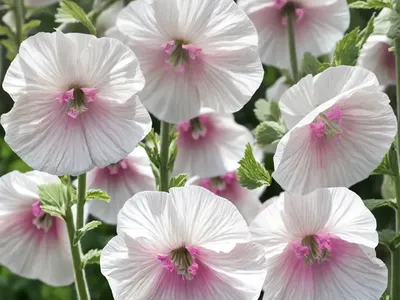
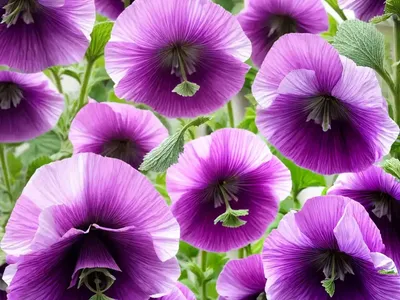
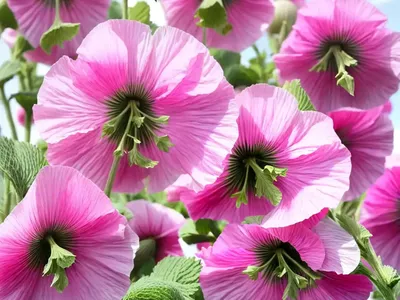
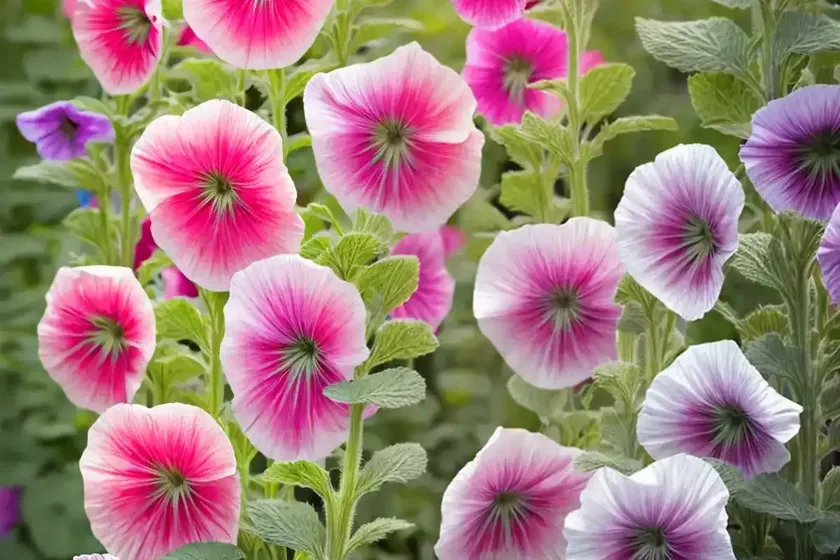
Alcea rosea, commonly known as perennial hollyhocks, is a species of flowering plant in the mallow family (Malvaceae). Native to Asia and Eastern Europe, this herbaceous perennial is characterized by its tall, stately stalks adorned with large, vibrant flowers. The genus Alcea encompasses several species, with Alcea rosea being one of the most popular choices for garden cultivation. Its striking visual appeal and resilience make it a favored addition to gardens, landscapes, and floral arrangements.
Key Takeaways – Perennial Hollyhocks (Alcea rosea)
Perennial hollyhocks, or Alcea rosea, possess a range of attributes and care requirements that make them an intriguing and rewarding plant to cultivate. Here are some key takeaways encompassing the culture, uses, and maintenance of Alcea rosea:
- Culture:
- Alcea rosea thrives in rich, well-draining soil and requires regular watering to support its vigorous growth.
-
It is a perennial plant, exhibiting biennial characteristics by blooming in the second year after sowing its seeds.
-
Uses:
- Alcea rosea is commonly utilized in landscaping, adding vertical interest and a splash of color to garden beds and borders.
-
Its flowers can be utilized for cut flower arrangements, providing a delightful addition to indoor décor.
-
Water:
-
Adequate watering is essential, particularly during the plant’s establishment phase and periods of drought.
-
Sunlight:
-
Alcea rosea thrives in full sun but can tolerate partial shade in hotter climates.
-
Fertilizer:
-
A balanced, organic fertilizer applied in the spring can enhance the plant’s vigor and flowering potential.
-
Soil:
-
Well-draining, fertile soil is essential for ensuring the health and vitality of Alcea rosea.
-
Pruning:
-
Regular deadheading of spent blooms can prolong the flowering period, while pruning of stems can invigorate the plant in late winter or early spring.
-
Propagation:
-
Alcea rosea can be propagated from seeds or through the division of established clumps.
-
Container Popularity:
-
While typically grown in garden beds, Alcea rosea can also be cultivated in containers, providing versatility in garden design.
-
Common Diseases:
-
Alcea rosea is susceptible to rust and powdery mildew, warranting proactive disease management practices.
-
Common Pests:
-
Aphids and mites are common pests that may afflict Alcea rosea, necessitating monitored control measures.
-
Botanist’s Tips:
-
Leveraging suitable support structures can prevent the towering flower spikes from bending or breaking in inclement weather.
-
Fun Facts:
- Alcea rosea holds historical significance and has been used for medicinal and ornamental purposes for centuries.
In the subsequent sections, we will delve deeper into these facets, unraveling the nuances of successfully cultivating and caring for Alcea rosea in diverse garden settings.
Culture of Perennial Hollyhocks (Alcea rosea)
The culture of Alcea rosea encompasses a spectrum of factors that contribute to its optimal growth and flowering. From suitable soil conditions to pruning techniques, mastering the art of nurturing Alcea rosea paves the way for an exuberant and flourishing garden display.
Water
Proper watering practices are integral to the well-being of Alcea rosea. As a perennial plant, it requires consistent moisture to support its growth, particularly during the establishment phase. In regions experiencing prolonged dry spells, supplemental irrigation becomes crucial to ensure the plant’s vigor and blooming potential. While Alcea rosea is fairly drought-tolerant once established, periodic watering during dry periods fosters healthier and more abundant blooms. Early morning or late evening watering minimizes water loss through evaporation and allows the plant to absorb moisture effectively.
Sunlight
Alcea rosea thrives in full or partial sun, exhibiting its best growth and flowering potential when provided with ample sunlight. Optimal exposure to sunlight enhances the plant’s ability to produce robust stems and vibrant, well-formed flowers. In hotter climates, providing partial shade during the hottest part of the day can shield the plant from excessive heat stress. Assessing the local climate and sunlight patterns in the garden aids in determining the most suitable location for cultivating Alcea rosea.
Fertilizer
Applying a balanced, organic fertilizer in the spring can bolster the growth and blooming capacity of Alcea rosea. A granular, slow-release fertilizer formulated for flowering perennials is a suitable choice, delivering essential nutrients over an extended period. Prior to applying fertilizer, it is advisable to amend the soil with organic matter, such as compost or well-rotted manure, to enrich its fertility and texture. Care should be taken to avoid excessive fertilization, as this can lead to lush foliage at the expense of flower production.
Soil
The soil preferences of Alcea rosea revolve around the principles of fertility and good drainage. A loamy, well-draining soil enriched with organic matter forms an ideal growing medium for perennial hollyhocks. Incorporating compost or peat moss into the soil not only enhances its fertility but also improves its structure, promoting aeration and moisture retention. Conducting a soil test to assess its pH and nutrient levels can guide the application of any necessary soil amendments, ensuring an optimal environment for Alcea rosea to thrive.
Pruning
Pruning serves as a valuable tool for managing the growth and appearance of Alcea rosea. Regular deadheading of spent flowers not only maintains the plant’s aesthetic appeal but also stimulates the formation of new buds, extending the flowering period. To prevent the formation of seed pods, which can divert the plant’s energy away from blooming, prompt removal of faded blooms is essential. Additionally, in late winter or early spring, pruning the plant to remove old or damaged stems rejuvenates its growth and enhances its structural integrity.
Uses of Perennial Hollyhocks (Alcea rosea)
Landscaping
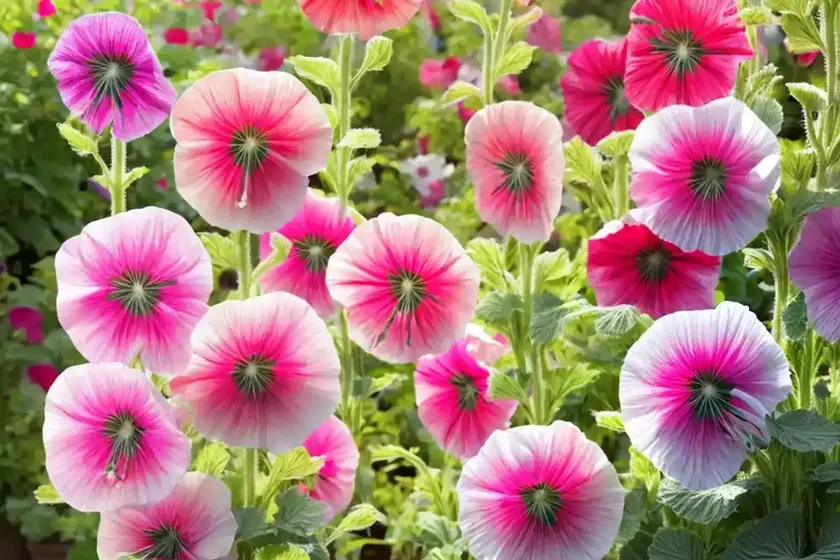
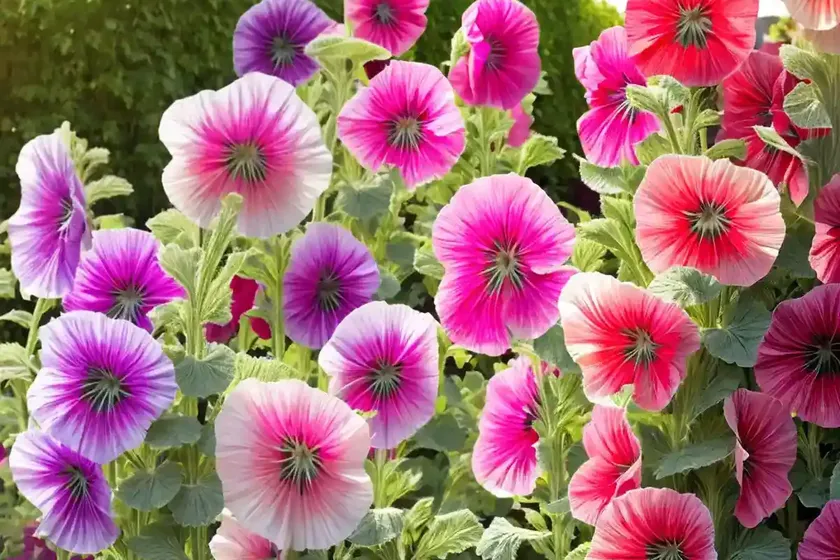
Alcea rosea holds a prominent place in the realm of garden landscaping, adorning borders, beds, and cottage gardens with its towering flower spikes. Its statuesque presence, combined with a diverse color palette spanning shades of pink, red, yellow, and white, allows for striking visual impact in garden compositions. Whether employed as a backdrop for lower-growing perennials or as standalone focal points, the majestic allure of Alcea rosea lends itself well to diverse landscaping styles, ranging from formal to informal designs.
Cut Flower Arrangements
The flamboyant blooms of Alcea rosea make it a popular choice for cut flower arrangements, adding a touch of vintage charm to indoor settings. The long, sturdy stems of perennial hollyhocks facilitate their use in floral displays, where they complement other garden favorites, such as roses, peonies, and delphiniums. Whether showcased in rustic bouquets or arranged in elegant vases, the enduring beauty of Alcea rosea blooms makes them a cherished addition to home décor and special occasions.
Propagation of Perennial Hollyhocks (Alcea rosea)
Seed Propagation
Growing Alcea rosea from seed is a rewarding venture that allows enthusiasts to experience the complete life cycle of this captivating plant. Optimal timing for sowing seeds is in the early spring or late summer, providing a favorable temperature range for germination and establishment. Before sowing, it is beneficial to scarify the seeds, either by gently abrading their coat with sandpaper or nicking them with a knife, to expedite the germination process. Sowing seeds at a shallow depth, followed by consistent moisture and warmth, encourages their swift emergence.
Division of Established Clumps
As a perennial plant, Alcea rosea forms substantial clumps over time, offering opportunities for division and propagation. Dividing mature clumps of Alcea rosea is typically undertaken in the early spring, as new growth begins to emerge. Carefully lifting the clump from the ground and using a sharp tool to separate it into smaller sections ensures the preservation of healthy roots and shoots. These divisions can then be replanted in suitable locations, where they can establish themselves and mature into robust, flowering plants.
Alcea rosea: Common Diseases and Pest Management
Despite its resilience, Alcea rosea is susceptible to certain diseases and pests that can impede its growth and tarnish its visual appeal. Proactive management practices, coupled with vigilant monitoring, are instrumental in safeguarding Alcea rosea from common afflictions.
Common Diseases
Rust (Puccinia malvacearum)
Rust, caused by the fungal pathogen Puccinia malvacearum, manifests as small, yellow-orange pustules on the undersides of the leaves, often accompanied by leaf yellowing and premature defoliation. To mitigate rust, employing cultural practices such as adequate spacing between plants to promote air circulation, and avoiding overhead watering to reduce leaf moisture, is advisable. Fungicidal sprays can be applied preventatively or at the first signs of infection to curtail the spread of rust.
Powdery Mildew (Erysiphe cichoracearum)
Powdery mildew, characterized by the formation of powdery white patches on the leaves and stems, can compromise the aesthetic appeal of Alcea rosea. Creating an environment with good air circulation, maintaining moderate humidity levels, and avoiding overcrowding of plants minimizes the risk of powdery mildew. If detected, the application of sulfur-based or neem oil sprays can help abate the progression of this fungal affliction.
Common Pests
Aphids
Aphids, tiny insects that congregate on the undersides of leaves and stems, can inflict damage on Alcea rosea by siphoning sap and secreting honeydew, leading to stunted growth and deformed foliage. Predatory insects such as ladybugs and lacewings offer natural control of aphid populations, minimizing the need for chemical intervention. In cases of heavy infestation, a forceful spray of water can dislodge aphids from the plant, reducing their numbers and mitigating their impact.
Spider Mites
Spider mites, diminutive arachnids that thrive in hot, dry conditions, pose a threat to Alcea rosea by piercing plant cells and extracting their contents, resulting in stippled, discolored foliage. Increasing humidity levels by misting the plant and periodically washing its foliage with water prevents spider mite infestations. Additionally, the introduction of predatory mites or the application of horticultural oils can effectively manage and control these pernicious pests.
Botanist’s Tips for Growing and Caring for Alcea rosea
Amassing insights from seasoned botanists and horticultural experts enriches the approach to cultivating and caring for Alcea rosea, unraveling techniques and perspectives that enhance the plant’s vitality and visual allure.
Support Methods for Tall Stems
Given the considerable height that Alcea rosea can attain, especially with certain varieties, providing adequate support for its tall stems is crucial to prevent them from swaying or bending under the weight of their flowers. Utilizing sturdy, metal or wooden stakes positioned near the base of the plant, and securing the stems to them using soft ties or twine, fortifies the plant against strong winds and inclement weather. Regular checks and adjustments to the supports ensure the continued stability of the towering flower spikes.
Fun Facts About Alcea rosea
- Alcea rosea has a diverse historical significance, adorning gardens and landscapes for centuries, and finding mention in folklore and literature.
- Its flowers exhibit a range of colors, spanning hues of pink, red, yellow, and white, attracting pollinators such as bees and butterflies.
- In addition to its ornamental uses, Alcea rosea has been historically employed for medicinal purposes, with various parts of the plant possessing therapeutic properties.
Conclusion
Cultivating and caring for Alcea rosea, the perennial hollyhock, offers a captivating journey into the realm of horticulture, where the rewards of nurturing a majestic and resilient plant unfold with each blooming season. From the culture and uses of Alcea rosea to the nuances of maintenance and pest management, this comprehensive guide provides a rich tapestry of insights to guide enthusiasts in their pursuit of growing and admiring perennial hollyhocks. Whether adorning garden landscapes or gracing indoor arrangements, the enduring charm and vitality of Alcea rosea leave an indelible impression, breathing life and color into diverse gardening experiences.
References
- Alcea Rosea Pod – Idea, Services and Creative Management. (n.d.). Retrieved from https://www.ideapatch.it/en/coolaborations/alcea-rosea-pod/
- Black, Sacramento |. (2020). USDA APHIS. Retrieved from https://www.aphis.usda.gov/aphis/resources/pests-diseases/
- BROWN, E. S. (1989). Perennial plants: a gardener’s guide. University of Texas Press.
- Flowering Plant Families| Raymond, M., & Gentry, J. L. (1996). Royal Botanic Gardens, Kew.
- Hollyhock: Plant Care and Collection of Varieties. (n.d.). Retrieved from https://www.garden.org/plants/group/hollyhock/
This blog post was prepared by [Your Name], an avid plant scientist passionate about sharing knowledge and insights about the captivating world of botanical wonders. Whether you’re an enthusiastic gardener, a curious botanist, or someone simply seeking to appreciate the beauty of plants, the information shared here aims to foster a deeper understanding and appreciation for the perennial hollyhocks, Alcea rosea. Happy gardening!