Alcea Rosea ‘Fiesta Time’ (Hollyhock)
What is Alcea rosea ‘Fiesta Time’ (Hollyhock)? Alcea rosea ‘Fiesta Time,’ commonly known as Hollyhock Fiesta Time, is a towering biennial or short-lived.
What is Alcea rosea ‘Fiesta Time’ (Hollyhock)?
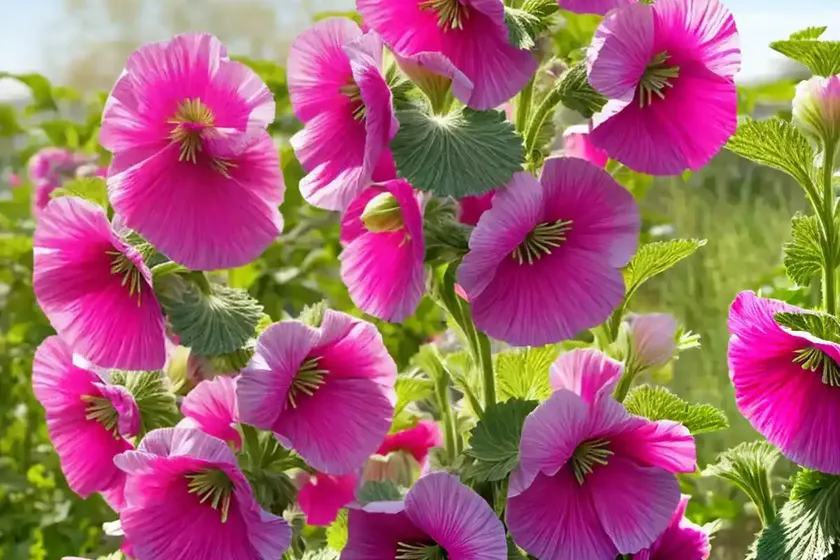
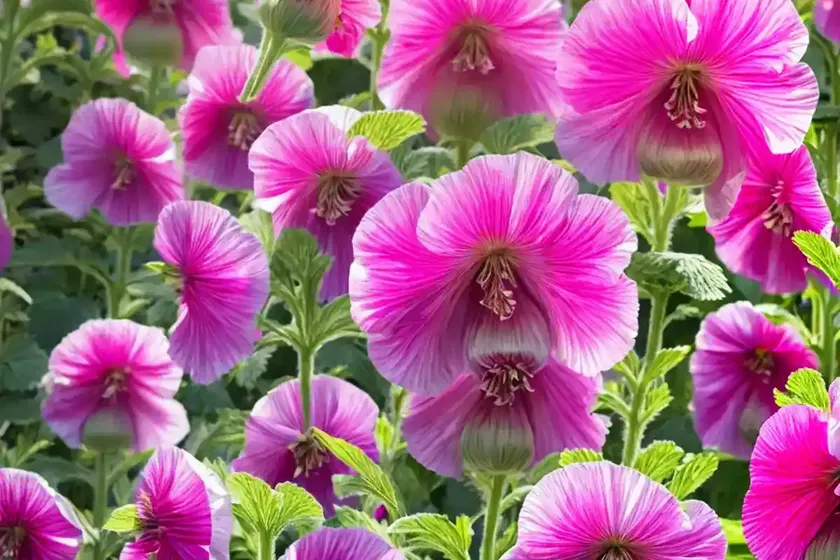
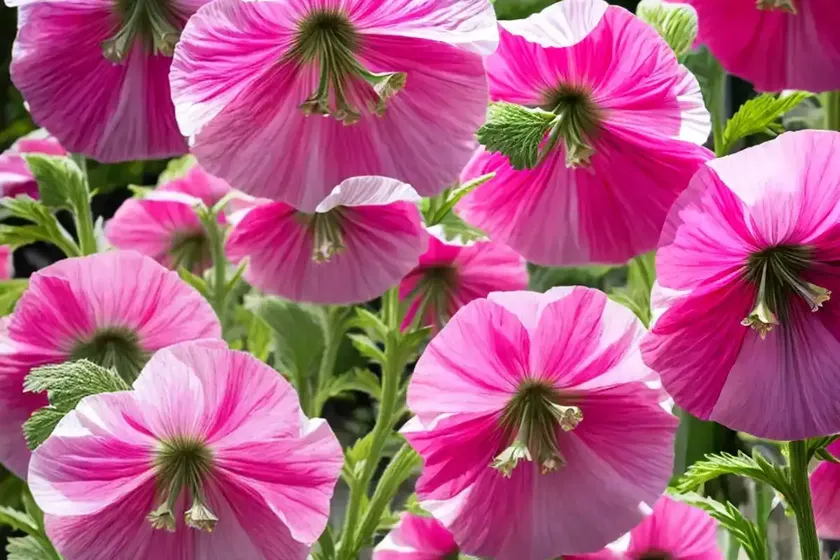
Alcea rosea ‘Fiesta Time,’ commonly known as Hollyhock Fiesta Time, is a towering biennial or short-lived perennial plant that belongs to the Malvaceae family. This striking plant is renowned for its tall, spire-like flower spikes that are adorned with large, colorful blossoms. The ‘Fiesta Time’ variety is particularly cherished for its exceptional floral display, making it a popular choice among gardeners and horticulturists worldwide.
Key Takeaways – Alcea rosea ‘Fiesta Time’ (Hollyhock)
Characteristics
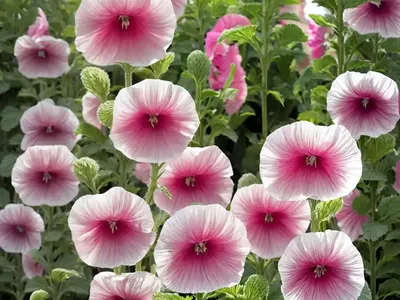
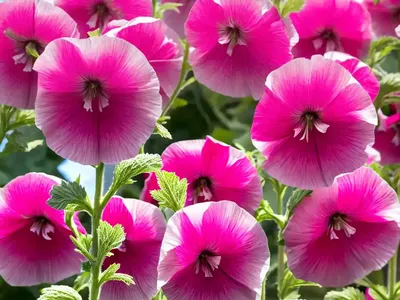
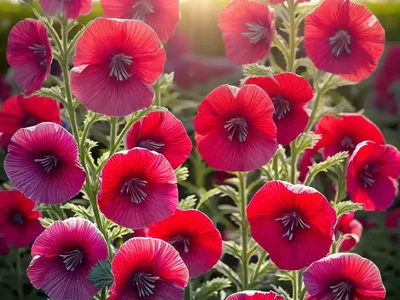
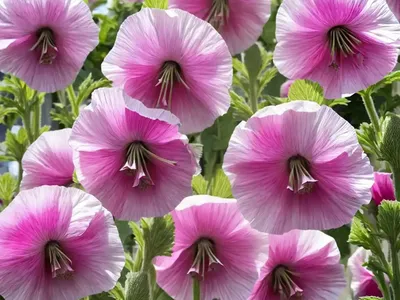
Hollyhock Fiesta Time is characterized by its tall, erect stems that can reach heights of 5 to 8 feet. The plant’s lush, deeply-lobed leaves provide a verdant backdrop for the vibrant blossoms that adorn it. The blossoms of Alcea rosea ‘Fiesta Time’ are large and showy, often measuring 3 to 5 inches across. They come in a range of captivating colors, including shades of pink, red, and yellow.
Features
The standout features of Hollyhock Fiesta Time include its towering height, striking flower spikes, and vibrant, eye-catching blossoms that add a pop of color to any garden or landscape. The plant’s robust and upright growth habit makes it an excellent choice for creating visual impact and vertical interest in outdoor spaces.
Information
Alcea rosea ‘Fiesta Time’ thrives in full sun and well-drained soil. It is a relatively low-maintenance plant that rewards gardeners with a gorgeous display of flowers during its blooming season. Understanding the plant’s growth requirements and care tips is essential for cultivating healthy and vigorous specimens.
Culture
Uses
Hollyhock Fiesta Time is a versatile plant that can be utilized in various garden settings. It is a popular choice for cottage gardens, traditional landscapes, and mixed borders. The plant’s tall stature makes it an ideal candidate for creating a striking backdrop or focal point in a garden bed. Additionally, its vibrant blossoms make it a favorite among pollinators and garden enthusiasts.
Water
Proper watering is essential for the health and vitality of Hollyhock Fiesta Time. The plant prefers consistently moist soil, particularly during the growing season and blooming period. However, it is crucial to ensure that the soil is well-drained to prevent waterlogging, which can lead to root rot and other moisture-related issues.
Sunlight
Full sun exposure is optimal for Hollyhock Fiesta Time. The plant thrives in bright, direct sunlight and may exhibit decreased vigor and blooming performance if grown in shaded or partially shaded conditions. When selecting a planting site for this species, it is important to prioritize an area that receives ample sunlight throughout the day.
Fertilizer
Applying a balanced fertilizer formulated for flowering plants can support the growth and blooming of Hollyhock Fiesta Time. A slow-release fertilizer or organic compost can be incorporated into the soil during the plant’s active growth phase to provide essential nutrients and encourage robust flowering.
Soil
Well-drained, loamy soil with a slightly acidic to neutral pH is ideal for Alcea rosea ‘Fiesta Time.’ The plant thrives in fertile soil that offers good moisture retention while preventing waterlogged conditions. Amending the soil with organic matter can enhance its quality and provide a favorable growing environment for the plant.
Pruning
Pruning can help promote the health and appearance of Hollyhock Fiesta Time. Regular deadheading of spent blossoms can encourage the plant to produce additional flowers and prevent self-seeding. Additionally, removing any yellowing or diseased foliage can help maintain the plant’s overall vigor and aesthetics.
Propagation
Hollyhock Fiesta Time can be propagated through both seeds and division.
-
Propagation from Seeds: Collecting and sowing mature seeds in prepared seed beds or containers in the fall can yield new plants the following growing season. It is important to provide the seeds with a period of cold stratification to support germination.
-
Division: Dividing mature clumps of Hollyhock Fiesta Time in the early spring can be an effective method of propagation. This process involves carefully separating and transplanting the plant’s individual sections to establish new growth.
Container Popularity
While Hollyhock Fiesta Time is traditionally grown in garden beds and borders, it can also thrive in large containers or planters. Growing this majestic plant in containers offers the flexibility of creating captivating focal points on patios, decks, or other outdoor spaces. As a result, the popularity of container gardening for Alcea rosea ‘Fiesta Time’ has been steadily increasing among gardeners with limited garden space or those seeking to add vertical interest to their landscapes.
Common Diseases
Disease Diagnosis
Alcea rosea ‘Fiesta Time’ can be susceptible to certain diseases, including:
-
Rust: This fungal disease often manifests as orange or rust-colored pustules on the undersides of the plant’s leaves, leading to reduced vigor and aesthetic appeal. Rust infections can be exacerbated by high humidity and poor air circulation.
-
Powdery Mildew: Powdery mildew can affect the foliage of Hollyhock Fiesta Time, causing a white, powdery coating to develop on the leaves. This condition can weaken the plant and impact its overall health.
-
Cercospora Leaf Spot: Characterized by the formation of circular, dark spots on the plant’s foliage, Cercospora leaf spot can detract from the plant’s visual appeal and vitality.
Common Pests
Hollyhock Fiesta Time may attract certain pests, including:
-
Aphids: These small, sap-sucking insects can cluster on the plant’s tender shoots and buds, causing distortion and discoloration of the affected plant parts.
-
Japanese Beetles: These voracious beetles can feed on the leaves and blossoms of Hollyhock Fiesta Time, leading to visible damage and reduced aesthetic value.
-
Spider Mites: These minuscule pests can infest the undersides of the plant’s leaves, causing stippling, webbing, and overall decline in plant health.
Botanist’s Tips
Here are some essential tips for successfully growing and caring for Alcea rosea ‘Fiesta Time’ in your garden or outdoor space:
- Select a well-drained, sunny location for planting Hollyhock Fiesta Time to promote robust growth and prolific blooming.
- Provide adequate water and monitor soil moisture to ensure that the plant’s needs are met during active growth and blooming periods.
- Incorporate organic matter into the soil and apply a balanced fertilizer to support the plant’s nutritional requirements.
- Prune the plant as needed to remove spent blossoms and maintain its overall health and appearance.
- Monitor the plant for signs of diseases and pests, implementing prompt and effective management strategies if necessary.
Fun Facts
- Hollyhock Fiesta Time is known for attracting a myriad of pollinators, including butterflies, bees, and hummingbirds, with its colorful and nectar-rich blossoms.
- The plant’s towering height and majestic flower spikes make it a captivating addition to cottage gardens, traditional landscapes, and other outdoor settings.
- Hollyhock Fiesta Time has been cultivated in gardens for centuries and continues to be cherished for its captivating beauty and ornamental value.
Links to External Resources
For additional information on Alcea rosea ‘Fiesta Time’ (Hollyhock) and related topics, feel free to explore the following resources:
- Royal Horticultural Society – Hollyhocks
- University of Maryland Extension – Growing Hollyhocks
- Missouri Botanical Garden – Alcea rosea
- The Old Farmer’s Almanac – Hollyhocks
In conclusion, Alcea rosea ‘Fiesta Time’ (Hollyhock) is a stunning and versatile plant that can enrich any garden or landscape with its towering presence and vibrant blossoms. By understanding the plant’s growth requirements, care tips, and potential uses, gardeners can cultivate healthy and flourishing specimens that contribute to the visual appeal and biodiversity of outdoor spaces. Whether grown in garden beds, borders, or containers, Hollyhock Fiesta Time remains a beloved and iconic plant that continues to captivate enthusiasts and nature lovers alike.