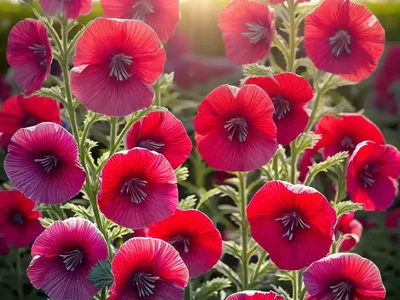
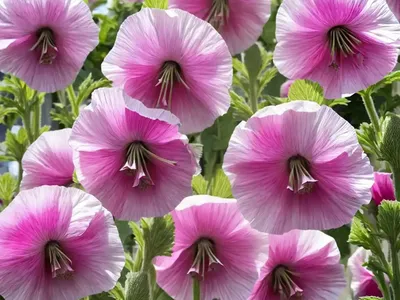
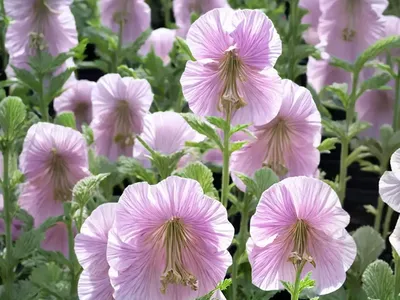
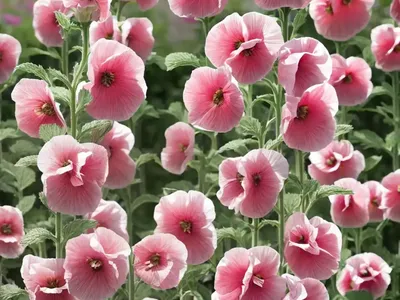
Alcea Rosea ‘Halo Cerise’ (Hollyhock)
Plants have always been a source of fascination for humanity. The sheer diversity of shapes, colors, and uses in the plant kingdom is nothing short of.
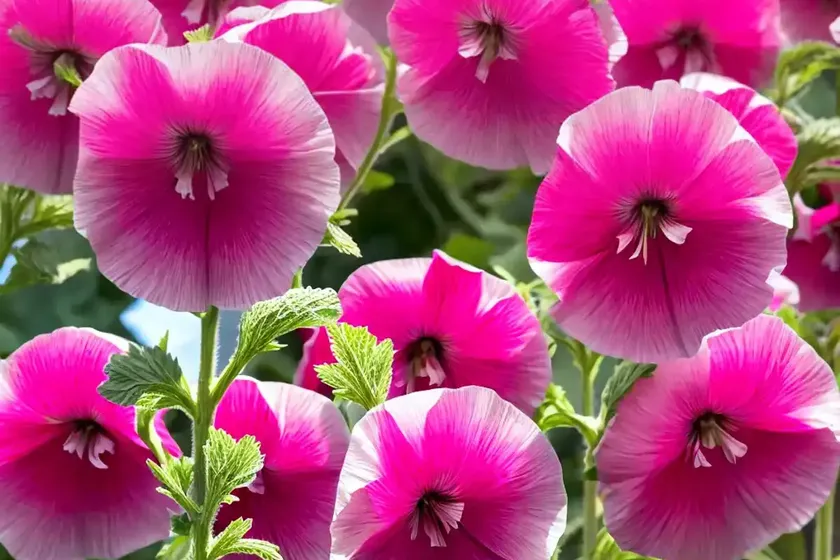
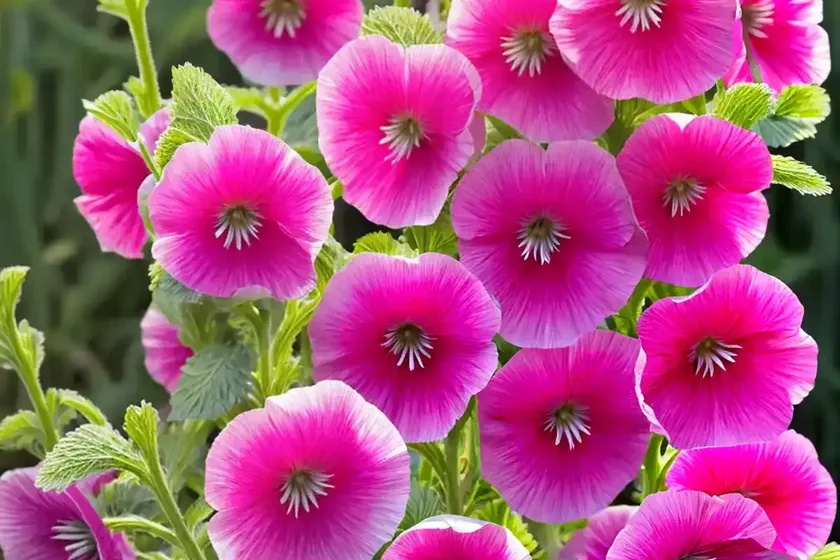
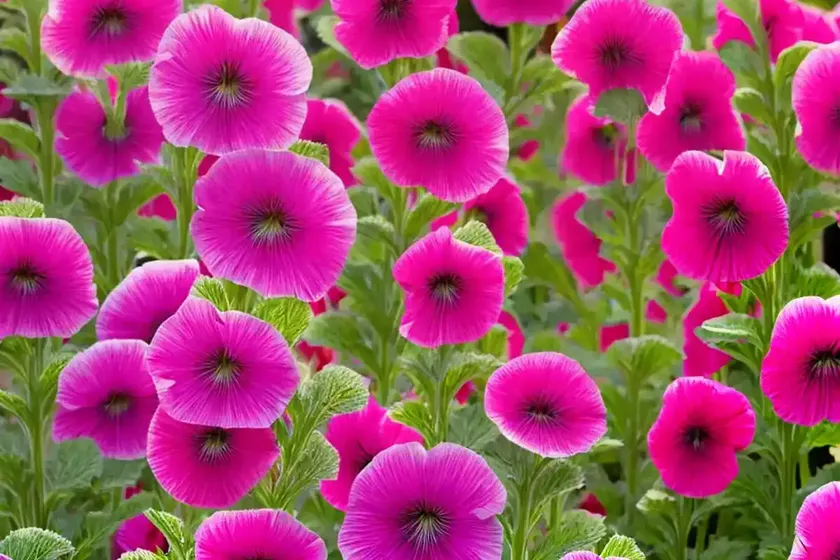
Plants have always been a source of fascination for humanity. The sheer diversity of shapes, colors, and uses in the plant kingdom is nothing short of astounding. Whether you are a seasoned gardener or a beginner in the world of horticulture, there’s always something new to learn. If you’re looking for a stunning and versatile addition to your garden, Alcea rosea ‘Halo Cerise’ – commonly known as Hollyhock – might just be the perfect choice.
In this comprehensive guide, we will explore everything you need to know about Alcea rosea ‘Halo Cerise’, from its characteristics and planting guide to its maintenance, uses, and beyond. By the end of this article, you will have all the knowledge required to successfully grow and care for these beautiful flowering plants.
So, let’s delve into the world of Alcea rosea ‘Halo Cerise’ and unlock the secrets to nurturing and enjoying this exquisite addition to your garden.
What is Alcea rosea ‘Halo Cerise’ (Hollyhock)?
Alcea rosea, commonly referred to as Hollyhock, is a species of flowering plant in the mallow family Malvaceae. ‘Halo Cerise’ is a specific cultivar within this species, distinguished by its stunning cerise or deep pink flowers. These tall, showy biennials are native to Asia and Europe and have been cultivated in gardens for centuries, admired for their impressive flowering spikes and their ability to attract pollinators like bees and butterflies.
Key Takeaways – Alcea rosea ‘Halo Cerise’ (Hollyhock)
Before we delve into the specifics, let’s highlight the key takeaways about Alcea rosea ‘Halo Cerise’ to pique your interest and provide an overview of what we will be covering in this guide.
- Characteristics: Learn about the unique characteristics that set ‘Halo Cerise’ apart from other Hollyhock varieties.
- Culture: Understand the cultural requirements for growing healthy and vibrant Hollyhocks.
- Uses: Explore the versatile uses of ‘Halo Cerise’ in garden design and beyond.
- Water: Discover the watering needs of Hollyhocks for optimal growth and blooming.
- Sunlight: Learn about the sunlight requirements that ensure the best performance of ‘Halo Cerise’.
- Fertilizer: Uncover the best practices for fertilizing Hollyhocks to support their growth and flowering.
- Soil: Understand the soil preferences that will provide an optimal growing environment for ‘Halo Cerise’.
- Pruning: Explore the techniques for pruning Hollyhocks to maintain their health and appearance.
- Propagation: Learn about different methods of propagating Alcea rosea ‘Halo Cerise’ to expand your garden.
- Container: Discover how to grow and care for Hollyhocks in containers to enhance your living spaces.
- Popularity: Understand the popularity of ‘Halo Cerise’ and why it has become a favorite among gardeners.
- Common Diseases: Identify the common diseases that can affect Hollyhocks and how to address them.
- Disease Diagnosis: Learn to recognize the symptoms of diseases in Hollyhocks and how to diagnose them accurately.
- Common Pests: Understand the pests that may target ‘Halo Cerise’ and how to manage and prevent infestations.
- Botanist’s Tips: Gain valuable insights and tips from botanists and seasoned growers for successful cultivation.
- Fun Facts: Delight in interesting and lesser-known facts about ‘Halo Cerise’ and Hollyhocks in general.
- Links to External Resources: Access additional information and resources to further enrich your understanding of Alcea rosea ‘Halo Cerise’.
Now that we have an overview of what to expect, let’s dive into the specifics of growing and caring for this captivating plant.
Culture: Meeting the Needs of Alcea rosea ‘Halo Cerise’
Cultivating Hollyhocks successfully requires an understanding of their basic cultural requirements. By providing the right conditions for growth, you can ensure that ‘Halo Cerise’ thrives and graces your garden with its vibrant blooms.
Water
Watering Needs: Hollyhocks, including the ‘Halo Cerise’ variety, prefer consistently moist soil, especially during their active growth and flowering periods. Regular watering is essential, particularly in the absence of rainfall. However, it’s important to strike a balance, as these plants are susceptible to root rot if the soil becomes waterlogged. Applying water at the base of the plant, rather than overhead, can help prevent diseases and promote healthier foliage.
Watering Frequency: In most climates, watering Hollyhocks once or twice a week should suffice, but this can vary based on environmental conditions and soil moisture retention. During hot and dry spells, it may be necessary to increase the watering frequency to prevent the plants from becoming stressed.
Signs of Overwatering and Underwatering: Watch for signs of overwatering, such as wilting, yellowing leaves, or a foul odor from the soil, which can indicate root rot. Conversely, underwatering may cause the foliage to wilt and become dry and brittle. Adjust the watering schedule accordingly to maintain the optimal moisture levels for ‘Halo Cerise’.
Sunlight
Sun Exposure: Hollyhocks, including ‘Halo Cerise’, thrive in full sun, which generally equates to at least six hours of direct sunlight per day. Providing ample sunlight not only encourages robust growth and profuse blooming but also helps to minimize issues related to poor air circulation and excessive moisture retention.
Shade Tolerance: While Hollyhocks are sun-loving plants, they can tolerate some light shade, especially in regions with intense heat or during exceptionally hot summers. However, prolonged shade may result in reduced flowering and overall vigor.
Protecting Against Excessive Heat: In exceptionally hot climates, providing light afternoon shade can shield the plants from the harshest rays of the sun, thus preventing heat stress and sunburn on the foliage.
Fertilizer
Fertilizing Hollyhocks: To support the growth and flowering of Alcea rosea ‘Halo Cerise’, it’s essential to provide a balanced fertilizer during their active growing season. A slow-release, granular fertilizer formulated for flowering perennials can be applied in early spring, following the manufacturer’s recommendations for dosage and frequency.
Nutrient Requirements: Look for a fertilizer with a balanced NPK ratio, such as 10-10-10 or 5-10-5, to provide essential macronutrients like nitrogen, phosphorus, and potassium. These nutrients play critical roles in promoting healthy foliage, strong stems, and abundant blooms.
Avoiding Excessive Nitrogen: While nitrogen is essential for promoting lush foliage, excessive nitrogen can lead to excessive vegetative growth at the expense of flowering. Therefore, it’s important to avoid high-nitrogen fertilizers that may disrupt the balance between foliage and flower production.
Soil
Soil Preferences: Hollyhocks, including the ‘Halo Cerise’ cultivar, thrive in well-draining, loamy soils with a slightly acidic to neutral pH range. Amending heavy clay soils with organic matter, such as compost or well-rotted manure, can improve drainage and fertility, ensuring a more conducive environment for these flowering plants.
Moisture Retention: While Hollyhocks require adequate drainage to prevent waterlogged soil conditions, it’s important to select amendments and mulching materials that also help retain moisture during dry periods. A layer of organic mulch, such as shredded bark or compost, can help regulate soil moisture and suppress weeds around the base of the plants.
Pruning and Maintenance of Alcea rosea ‘Halo Cerise’
Pruning plays a vital role in maintaining the health, appearance, and longevity of Hollyhocks, including the ‘Halo Cerise’ variety. By implementing proper pruning techniques and timely maintenance, you can enhance the overall beauty and vitality of these stunning flowering plants.
Pruning Techniques
Deadheading: Regular deadheading, or the removal of spent flowers, can prolong the blooming period of Hollyhocks and prevent these biennials from expending energy on seed production. Simply snip off the faded flowers at their base to encourage the development of new blooms and tidy up the appearance of the plants.
Cutting Back: In some regions, Hollyhocks may benefit from a moderate cutting back of their foliage after the initial flowering period. Trimming the spent flower stalks and any damaged or discolored leaves can rejuvenate the plants and possibly stimulate a second flush of blooms later in the season.
Winter Pruning: In regions with harsh winters, consider pruning back the foliage of ‘Halo Cerise’ Hollyhocks once they have become dormant in late fall or early winter. This can help prevent the development of fungal diseases and minimize the risk of overwintering pests.
Maintenance Tips
Supporting Tall Stems: Given the height of Hollyhocks, especially the ‘Halo Cerise’ cultivar, staking or providing other forms of support can prevent the plants from lodging, or bending and breaking, under the weight of their flowering spikes. Install stakes or a ring support around the plants early in the growing season to provide adequate support as they mature.
Weed Control: Keeping the area around Hollyhocks free from weeds and competing vegetation is essential, as this minimizes root competition, prevents the establishment of pests, and maintains a neat and tidy appearance. Regular weeding and mulching can contribute to the overall health and visual appeal of ‘Halo Cerise’.
Propagation Techniques for Alcea rosea ‘Halo Cerise’
Expanding your collection of ‘Halo Cerise’ Hollyhocks or sharing these stunning plants with friends and fellow gardening enthusiasts can be achieved through various propagation methods. Whether you prefer traditional seed sowing or wish to explore more advanced techniques, there are several approaches to propagating Alcea rosea ‘Halo Cerise’.
Seed Propagation
Collecting Seeds: As Hollyhocks complete their flowering cycle, allow some of the flower stalks to remain on the plant to mature and develop seeds. Once the seed pods have dried and turned brown, carefully collect the seeds, ensuring they are fully ripe and free from signs of mold or insect damage.
Sowing Seeds: In early spring or late summer, sow the collected Hollyhock seeds directly into well-prepared garden beds or containers. Lightly press the seeds into the soil and cover them with a thin layer of fine soil or sand to improve seed-to-soil contact and retain moisture.
Germination and Care: Keep the soil consistently moist but not waterlogged, and provide the seeds with ample sunlight to facilitate germination. Once the seedlings have developed their first set of true leaves, thin them to ensure proper spacing and prevent overcrowding.
Division
Established Plants: Dividing mature Hollyhocks, especially those that have become crowded or developed large clumps, can rejuvenate the plants and improve their overall vigor. This process is best carried out in early spring or late summer when the weather is favorable, and the plants are not actively flowering.
Division Guidelines: Carefully lift the plants from the soil and use a sharp knife or garden spade to divide the root mass into smaller sections, each with a portion of the foliage and healthy roots. Replant the divisions at the appropriate depth and provide adequate water and care to facilitate their reestablishment.
Root Cuttings
Root Cuttings: In late winter or early spring, it’s possible to take root cuttings from established Hollyhock plants to propagate new specimens. Select healthy, thick roots and cut them into sections, each roughly 2 to 3 inches in length, ensuring that each cutting has at least one growth bud.
Propagation Medium: Plant the root cuttings in a propagation medium, such as a mixture of peat moss and perlite, and keep them consistently moist until new shoots emerge. Once the new growth is visible, the root cuttings can be potted up individually or transplanted into the garden.
Offsets and Basal Shoots
Generation of Offsets: Some Hollyhocks produce offsets, or small side shoots, at the base of their main stems. These offsets can be carefully detached from the parent plant and replanted in a suitable growing location.
Basal Shoot Development: Hollyhocks may also produce new basal shoots from the crown of the plant. When these shoots have developed a sufficient root system, they can be carefully separated and transplanted to new areas of the garden.
By employing these propagation techniques, you can create a flourishing collection of Alcea rosea ‘Halo Cerise’ and share the beauty and charm of these plants with others.
Growing ‘Halo Cerise’ Hollyhocks in Containers
While Hollyhocks are commonly cultivated in garden beds and borders, they can also thrive and showcase their stunning blossoms in containers. Whether you have limited garden space, wish to create a portable display of flowers, or want to elevate your outdoor living areas with vibrant blooms, growing ‘Halo Cerise’ Hollyhocks in containers can be a rewarding endeavor.
Container Selection
Choosing the Right Containers: Select large, sturdy containers with ample drainage holes to provide ‘Halo Cerise’ Hollyhocks with a suitable growing environment. Ensure that the containers are at least 18 inches in diameter and depth to accommodate the robust root systems of these biennial plants.
Material Considerations: Opt for containers made of durable materials, such as glazed ceramic, fiberglass, or thick plastic, that can withstand the weight and growth habit of Hollyhocks. Additionally, choosing containers with a weathered finish can complement the rustic charm of these tall flowering plants.
Planting Techniques
Using Quality Potting Mix: Fill the containers with a premium-quality potting mix formulated for flowering plants, ensuring that it provides adequate drainage and aeration. A mix enriched with organic matter and slow-release fertilizers can provide the essential nutrients ‘Halo Cerise’ Hollyhocks need for healthy growth and abundant blooming.
Transplanting Seedlings: When transplanting young Hollyhock seedlings into containers, ensure they are planted at the same depth as they were in their previous containers or garden beds. Gently firm the soil around the root mass and water the plants thoroughly to settle the soil and hydrate the roots.
Maintenance Requirements: Container-grown ‘Halo Cerise’ Hollyhocks may require more frequent watering than those planted in garden beds due to the limited soil volume and potential for faster moisture evaporation. Keep a close eye on the soil moisture and adjust the watering frequency as needed to prevent the plants from becoming stressed.
Display and Care
Placement Considerations: Position the containers of ‘Halo Cerise’ Hollyhocks in locations that receive at least six hours of sunlight each day to ensure optimal growth and blooming. If necessary, rotate the containers periodically to promote even growth and flowering on all sides of the plants.
Supporting Tall Stems: As with Hollyhocks grown in the garden, container-grown ‘Halo Cerise’ plants may benefit from the installation of stakes or ring supports to prevent the stems from lodging and enhance their overall appearance.
Winter Protection: In regions with freezing temperatures, protect container-grown Hollyhocks from the harsh winter elements by moving the containers to sheltered areas or providing insulation around the pots. This can help prevent root damage and improve the plants’ chances of surviving the winter months.
By following these guidelines, you can introduce the stunning beauty of Alcea rosea ‘Halo Cerise’ into your outdoor living spaces and create captivating displays of color and elegance.
Popularity and Common Uses of Alcea rosea ‘Halo Cerise’
‘Halo Cerise’ and other Hollyhock varieties have earned enduring popularity among gardeners and landscape enthusiasts for their versatility, visual impact, and numerous applications in garden design and beyond. Let’s explore some of the common uses and design concepts that make ‘Halo Cerise’ a sought-after addition to diverse outdoor settings.
Garden Borders and Cottage Gardens
Classic Floral Borders: Tall varieties of Hollyhocks, including ‘Halo Cerise’, are often used to create stunning back-of-border displays in traditional cottage gardens and formal flowerbeds. Their towering floral spikes make them excellent focal points, especially when planted en masse or against fences and walls.
English Garden Aesthetics: Hollyhocks are synonymous with the charm and romance of English cottage gardens, where they impart a sense of informality and abundance. ‘Halo Cerise’ can be seamlessly integrated into such timeless garden designs to evoke a sense of nostalgia and tranquility.
Pollinator-Friendly Landscapes
Attracting Bees and Butterflies: The nectar-rich flowers of ‘Halo Cerise’ Hollyhocks are highly attractive to bees, butterflies, and other pollinators, making them valuable additions to pollinator-friendly landscapes and wildlife gardens. By providing a reliable food source, these plants contribute to the health and diversity of local pollinator populations.
Wildflower Meadows: In naturalistic and informal landscapes, Hollyhocks can be used to create meadows and wildflower habitats that support local wildlife and add seasonal interest with their striking, upright growth and colorful blooms.
Cut Flower and Floral Arrangements
Fresh Cut Blooms: ‘Halo Cerise’ and other Hollyhock varieties lend themselves well to fresh cut flower arrangements, where their tall stems and vibrant blossoms can add vertical interest and a pop of color to floral displays.
Dried Flower Crafts: After the flowering season, the spent flower stalks of ‘Halo Cerise’ can be collected and dried for use in crafts and decor, infusing rustic and cottage-inspired themes with their enduring beauty.
Medicinal and Folklore Uses
Historical Medicinal Plant: Hollyhocks have a rich history of traditional medicinal uses, with various parts of the plant being employed for their purported therapeutic properties. While modern usage tends to be limited, these historical associations contribute to the plant’s allure and cultural significance.
Symbolism and Folklore: Hollyhocks have been associated with diverse symbolism and folklore across different cultures, often representing themes of abundance, protection, and positive energy. Exploring these cultural connections can add depth and meaning to the presence of ‘Halo Cerise’ in your garden.
Inspirational Role in Art and Literature
Artistic Subjects: The impressive stature and vibrant colors of Hollyhocks, exemplified by ‘Halo Cerise’, have made them popular subjects in visual arts, where they are celebrated for their visual appeal and evocative qualities.
Literary References: From classic literature to contemporary works, Hollyhocks have been referenced in writings and poetry, conveying themes of resilience, beauty, and the passage of time. Their inclusion in literary works is a testament to their enduring allure and symbolic significance.
By understanding the diverse uses and cultural significance of Hollyhocks, including ‘Halo Cerise’, you can fully appreciate the depth of their impact in garden design, wildlife habitats, and cultural expressions.
Common Diseases and Pest Management for Hollyhocks
As with many plants, Hollyhocks, including the ‘Halo Cerise’ variety, are susceptible to certain diseases and pests that can compromise their health and appearance. By familiarizing yourself with the common issues that may affect these biennials, you can implement proactive measures to prevent infestations and manage potential problems effectively.
Common Diseases
Rust: One of the most prevalent fungal diseases affecting Hollyhocks is rust, which manifests as orange to brownish spots on the leaves, often accompanied by powdery spores.