Alcea Rosea ‘Chater’s Double Salmon Pink’ (Hollyhock)
Alcea rosea, commonly known as Hollyhock, is a striking flowering plant that belongs to the Malvaceae family, which also includes hibiscus and the.
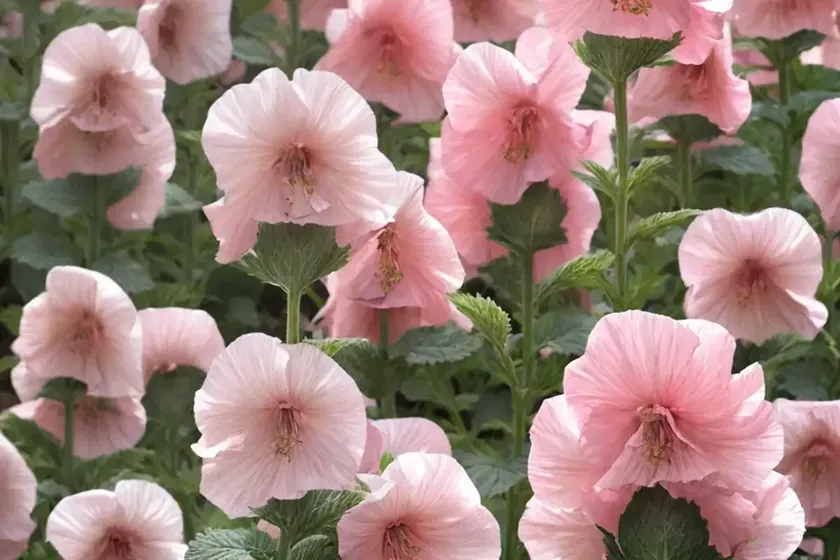
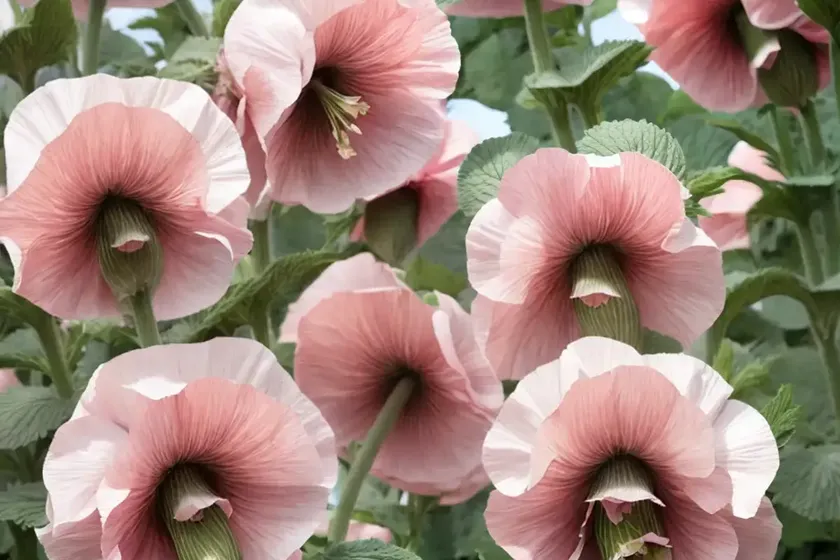
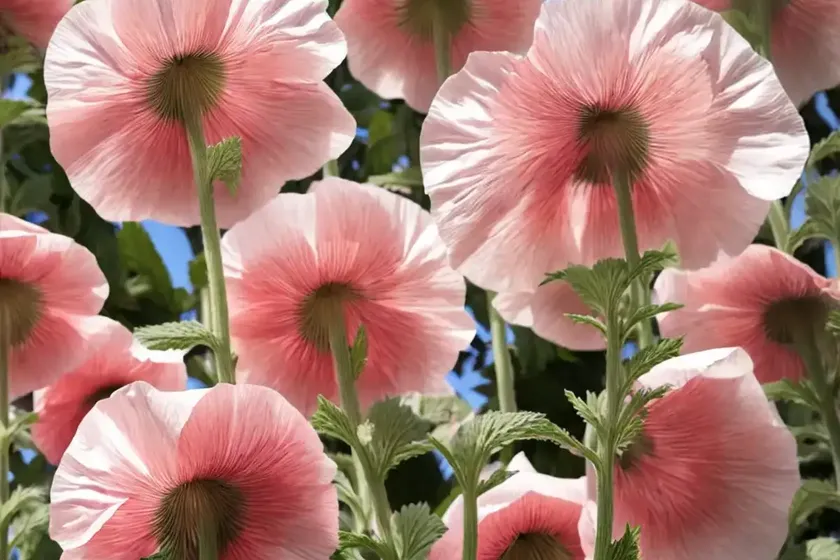
Alcea rosea, commonly known as Hollyhock, is a striking flowering plant that belongs to the Malvaceae family, which also includes hibiscus and the beautiful Malva plants. Among the diverse varieties of Alcea rosea, ‘Chater’s Double Salmon Pink’ stands out for its stunning salmon-pink double flowers. In this comprehensive guide, we will delve into the culture, uses, care requirements, and maintenance of Alcea rosea ‘Chater’s Double Salmon Pink’. Whether you’re a gardening enthusiast or a botany aficionado, this article will equip you with the knowledge needed to nurture and appreciate this captivating plant.
Key Takeaways – Alcea rosea ‘Chater’s Double Salmon Pink’ (Hollyhock)
Before we delve into the comprehensive guide for Alcea rosea ‘Chater’s Double Salmon Pink’, let’s highlight the key takeaways for easy reference.
- Plant Name: Alcea rosea ‘Chater’s Double Salmon Pink’ (Hollyhock)
- Family: Malvaceae
- Common Name: Hollyhock
- Characteristics: Double salmon-pink flowers, tall spires, biennial or short-lived perennial
- Uses: Ornamental, wildlife attraction
- Culture: Rich, well-draining soil, moderate water, full sunlight
- Propagation: Seeds, divisions
- Pruning: Regular deadheading, removal of spent flower stalks
- Container Popularity: Suitable for large containers
- Common Diseases: Rust, powdery mildew
- Common Pests: Aphids, Japanese beetles
- Fun Fact: Hollyhocks are historically significant and have medicinal properties.
Now, let’s explore the detailed aspects of Alcea rosea ‘Chater’s Double Salmon Pink’, including its culture, uses, care, and maintenance requirements.
What is Alcea rosea ‘Chater’s Double Salmon Pink’ (Hollyhock)?
Plant Description
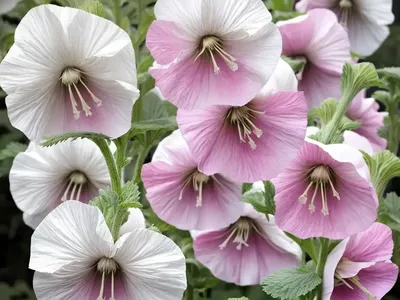
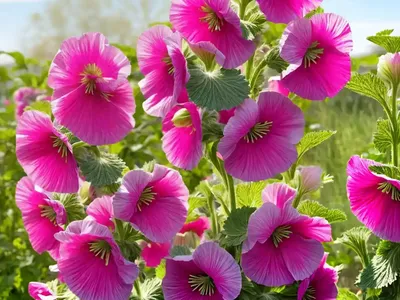
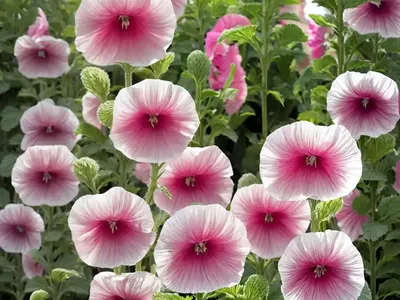
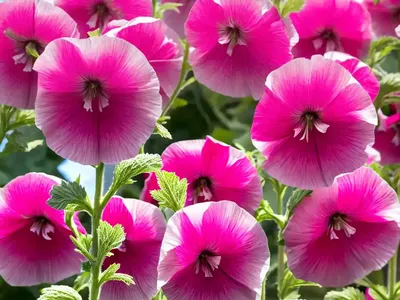
Alcea rosea ‘Chater’s Double Salmon Pink’ is a stunning variety of Hollyhock, characterized by its tall spires adorned with abundant double flowers in a captivating salmon-pink hue. The plant typically grows to a height of 5 to 8 feet and is known for its impressive vertical presence in the garden. The flowers of ‘Chater’s Double Salmon Pink’ exhibit a lush, ruffled appearance, adding a touch of elegance to any landscape.
Growing Conditions
Hollyhocks, including ‘Chater’s Double Salmon Pink’, thrive in full sunlight and well-draining, fertile soil. The plant is known for its ability to attract butterflies, bees, and hummingbirds, making it a valuable addition to pollinator gardens. As a biennial or short-lived perennial, Hollyhocks are cherished for their ability to bring vertical interest and a cottage-garden charm to various outdoor spaces.
Potential Uses
In addition to its ornamental appeal, Alcea rosea ‘Chater’s Double Salmon Pink’ serves as a captivating backdrop or focal point in flower beds, borders, and cottage-style gardens. The towering spires adorned with showy double flowers create a picturesque scene, adding depth and visual interest to the landscape. The plant’s wildlife-attracting qualities further enhance its value, as it contributes to the ecological diversity of the garden.
With the basic understanding of this enchanting plant in place, let’s explore the detailed cultural requirements, uses, and best practices for nurturing Alcea rosea ‘Chater’s Double Salmon Pink’.
Culture of Alcea rosea ‘Chater’s Double Salmon Pink’ (Hollyhock)
The successful cultivation of Alcea rosea ‘Chater’s Double Salmon Pink’ relies on understanding and implementing its cultural requirements, which encompass aspects such as water, sunlight, fertilizer, soil, and pruning. By addressing these factors appropriately, gardeners can ensure the optimal growth and development of this remarkable plant.
Water
Hollyhocks, including the ‘Chater’s Double Salmon Pink’ variety, benefit from moderate watering. While established plants exhibit a degree of drought tolerance, consistent moisture is essential for healthy growth and prolific flowering. Adequate hydration, alongside well-draining soil, contributes to the prevention of waterlogged conditions that can compromise the plant’s vigor.
Sunlight
Full sunlight is a fundamental requirement for Alcea rosea ‘Chater’s Double Salmon Pink’. The plant thrives in bright, open locations that receive at least 6 to 8 hours of direct sunlight daily. In shadier conditions, the growth and blooming potential of the plant may be significantly diminished, underscoring the importance of providing ample sunlight for its overall well-being.
Fertilizer
To support the robust growth and abundant flowering of Hollyhocks, it is beneficial to incorporate a balanced, slow-release fertilizer into the soil during the growing season. A fertilizer with equal proportions of nitrogen, phosphorus, and potassium can provide the essential nutrients needed for vibrant blooms and healthy foliage. Application rates and timing should align with the specific product recommendations and the growth stage of the plant.
Soil
Rich, well-draining soil is favorable for the cultivation of Alcea rosea ‘Chater’s Double Salmon Pink’. A loamy soil composition that offers both moisture retention and effective drainage facilitates the establishment and longevity of the plant. Organic matter, such as compost or well-rotted manure, can be incorporated into the soil to enhance its fertility and structure, creating an optimal growing medium for Hollyhocks.
Pruning
Regular deadheading, which involves the removal of spent flowers, is a beneficial practice for prolonging the blooming period of Alcea rosea ‘Chater’s Double Salmon Pink’. Additionally, the removal of old, withered flower stalks can contribute to a tidier appearance and promote the plant’s energy allocation towards new growth and flowering. By implementing these pruning techniques, gardeners can maintain the aesthetic appeal and vitality of the plant throughout the growing season.
With a grasp of the cultural requirements for Alcea rosea ‘Chater’s Double Salmon Pink’ in place, it is essential to explore propagation methods, the plant’s potential for container cultivation, and common diseases and pests that may affect its well-being.
Uses of Alcea rosea ‘Chater’s Double Salmon Pink’ (Hollyhock)
The multifaceted uses of Alcea rosea ‘Chater’s Double Salmon Pink’ extend beyond its ornamental value, encompassing aspects such as wildlife attraction and potential contributions to floral arrangements. By considering the diverse applications of this captivating plant, enthusiasts can derive greater enjoyment and utility from its presence in the garden.
Ornamental Appeal
The ornamental significance of Alcea rosea ‘Chater’s Double Salmon Pink’ lies in its ability to impart vertical interest and an old-fashioned charm to various outdoor settings. The towering spires adorned with lush double flowers create an enchanting visual display, elevating the aesthetics of flower beds, borders, and cottage gardens. The striking salmon-pink blooms serve as a focal point and contribute to the color palette of the garden, enhancing its overall appeal.
Wildlife Attraction
Hollyhocks, including ‘Chater’s Double Salmon Pink’, possess the inherent capacity to attract beneficial wildlife, including butterflies, bees, and hummingbirds. The nectar-rich flowers serve as a valuable food source for these pollinators, thereby contributing to the ecological balance of the garden. By cultivating this plant, gardeners can actively support and promote the vitality of local wildlife, fostering a harmonious and diverse outdoor environment.
Floral Arrangements
The vibrant, double pink flowers of Alcea rosea ‘Chater’s Double Salmon Pink’ are well-suited for inclusion in floral arrangements and displays. Whether employed in fresh bouquets or dried flower crafts, the blooms of Hollyhocks add an element of charm and elegance to various decorative compositions. The unique form and coloration of the flowers make them versatile components for creative floral expressions, allowing for the exploration of diverse aesthetic themes and styles.
Historical Significance and Medicinal Properties
Hollyhocks have garnered historical significance throughout various cultures, enriching gardens with their symbolic meanings and associations. Additionally, the plant possesses medicinal properties that have been traditionally recognized and utilized. The hollyhock root and flowers have been employed in herbal remedies, with historical applications in addressing conditions such as respiratory ailments and inflammation. The multifaceted uses and historical resonance of Hollyhocks contribute to their enduring appeal and relevance.
With a nuanced understanding of the varied uses and significance of Alcea rosea ‘Chater’s Double Salmon Pink’, let’s further explore the plant’s potential for container cultivation, common diseases and pests, and essential tips provided by botanists for its successful care and maintenance.
Alcea rosea ‘Chater’s Double Salmon Pink’: Botanist’s Tips and Fun Facts
As scientists passionate about the world of plants, we are committed to sharing valuable insights and practical recommendations for the successful cultivation and appreciation of Alcea rosea ‘Chater’s Double Salmon Pink’. By incorporating the following botanist’s tips and fun facts into your gardening endeavors, you can enhance your knowledge and proficiency in nurturing this captivating plant.
Botanist’s Tips
Tip 1: Soil Preferences
Alcea rosea ‘Chater’s Double Salmon Pink’ thrives in rich, well-draining soil that provides a balance of moisture retention and effective drainage. Loamy soil compositions, enriched with organic matter, are particularly favorable for the plant’s growth and development.
Tip 2: Watering Practices
While Hollyhocks exhibit a degree of drought tolerance, consistent moisture is beneficial for their vitality. Adequate watering, coupled with soil drainage, supports the optimal growth and flowering of Alcea rosea ‘Chater’s Double Salmon Pink’.
Tip 3: Sun Exposure
Providing full sunlight is essential for the successful cultivation of Alcea rosea ‘Chater’s Double Salmon Pink’. Selecting bright, open locations with ample sunlight facilitates the plant’s robust growth and prolific blooming.
Tip 4: Pruning Techniques
Implementing regular deadheading and the removal of spent flower stalks contributes to the prolonged blooming period and overall vigor of Hollyhocks. By adhering to these pruning practices, gardeners can maintain the plant’s aesthetic appeal and health.
Tip 5: Fertilization
Incorporating a balanced, slow-release fertilizer into the soil during the growing season can provide the essential nutrients needed for vibrant blooms and healthy foliage. Adhering to appropriate application rates and timing supports the optimal growth of Alcea rosea ‘Chater’s Double Salmon Pink’.
Fun Facts
Fact 1: Historical Significance
Hollyhocks have historical significance and have been admired for centuries, contributing to the cultural and artistic heritage of various societies. Their enduring appeal and symbolic meanings make them treasures in the world of gardening and horticulture.
Fact 2: Medicinal Properties
The hollyhock plant possesses medicinal properties, with historical applications in herbal medicine. Recognized for its potential in addressing respiratory ailments and inflammation, the plant’s therapeutic heritage adds depth to its botanical profile.
Fact 3: Ecological Significance
Hollyhocks are valuable contributors to ecological diversity, attracting beneficial wildlife such as butterflies, bees, and hummingbirds. Their role in supporting pollinators underscores their importance in fostering a dynamic and thriving outdoor environment.
Fact 4: Versatile Floral Component
The stylish, double pink flowers of Alcea rosea ‘Chater’s Double Salmon Pink’ are versatile components for floral arrangements and decorative crafts. Their distinctive form and coloration make them valuable additions to diverse aesthetic and artistic expressions.
Fact 5: Enduring Gardening Delight
Amidst changing horticultural trends and preferences, Hollyhocks continue to enchant gardeners and enthusiasts with their timeless appeal and enchanting presence. Their enduring popularity reflects their timeless allure and enduring value in the world of plants.
By incorporating these botanist’s tips and fun facts into your engagement with Alcea rosea ‘Chater’s Double Salmon Pink’, you can further enrich your understanding and appreciation of this captivating plant.
Common Diseases and Pests
Despite its inherent resilience, Alcea rosea ‘Chater’s Double Salmon Pink’ is susceptible to certain diseases and pests that can affect its health and vigor. By familiarizing yourself with the potential challenges and employing proactive measures for their management, you can safeguard the well-being of the plant and promote its continued beauty and vitality.
Disease Diagnosis
Rust
Rust is a common fungal disease that may affect Hollyhocks, manifesting as small, yellowish spots on the upper surfaces of the leaves. As the infection progresses, the spots may transition to powdery, orange pustules, leading to leaf distortion and potential deterioration of the plant’s overall health. Adequate air circulation and the removal of infected plant debris can aid in managing this disease.
Powdery Mildew
Powdery mildew, characterized by a white, powdery growth on the leaves and stems, can impact the foliage of Alcea rosea ‘Chater’s Double Salmon Pink’. This fungal disease thrives in humid conditions and can compromise the aesthetic quality and photosynthetic capacity of the plant. Applying preventive fungicidal treatments and promoting good air circulation can assist in minimizing the incidence of this disease.
Common Pests
Aphids
Aphids are sap-feeding insects that can colonize the tender growth of Hollyhocks, leading to distorted leaves and the secretion of sticky honeydew. Promptly addressing aphid infestations through insecticidal treatments or natural predators like ladybugs can prevent the accumulation of damage and promote the plant’s resilience.
Japanese Beetles
Japanese beetles pose a threat to the foliage and flowers of Alcea rosea ‘Chater’s Double Salmon Pink’ by feeding on their tissues and causing visible damage. Employing cultural controls and targeted deterrents can mitigate the impact of these voracious pests and safeguard the plant’s health.
By monitoring the plant for symptoms of diseases and pest activity, gardeners can proactively implement management strategies to protect the well-being of Alcea rosea ‘Chater’s Double Salmon Pink’.
Propagation and Container Cultivation
Propagation Methods
Alcea rosea ‘Chater’s Double Salmon Pink’ can be propagated through viable seeds and divisions, offering gardeners the opportunity to expand their plantings and preserve the genetic diversity of the variety. By utilizing these propagation methods with care and attention to detail, enthusiasts can propagate the captivating traits of this Hollyhock variety and share its beauty with fellow gardening enthusiasts.
Seed Propagation
Collecting ripe seeds from mature flower heads and sowing them in well-prepared soil during the appropriate season can facilitate the successful propagation of Alcea rosea ‘Chater’s Double Salmon Pink’. Attention to seed depth, moisture, and germination conditions contributes to the establishment of healthy seedlings that can develop into robust plants over time.
Division
Dividing established clumps of Hollyhocks allows for the generation of new plantings and the rejuvenation of existing specimens. Conducting divisions during the plant’s dormancy period and ensuring that each division possesses adequate root and shoot structures can promote the successful establishment and growth of the divided segments.
Container Popularity
Alcea rosea ‘Chater’s Double Salmon Pink’ enjoys a degree of popularity as a container plant, particularly in settings that accommodate large containers and accentuate the vertical aspect of the plant. By selecting spacious, well-draining containers and providing appropriate support structures, gardeners can cultivate this captivating Hollyhock variety in diverse outdoor and urban environments, enriching the aesthetic and ornamental appeal of their spaces.
Plant Spacing
Proper plant spacing is essential to ensure the optimal growth and development of Alcea rosea ‘Chater’s Double Salmon Pink’. Allowing adequate spacing between individual plants facilitates airflow, light penetration, and root expansion, contributing to the overall health and vigor of the plantings. By adhering to recommended plant spacing guidelines, gardeners can create harmonious and visually appealing arrangements that showcase the beauty of this exemplary Hollyhock variety.
With thorough consideration of propagation methods, container cultivation, and plant spacing, gardeners can leverage these insights to expand their engagement with Alcea rosea ‘Chater’s Double Salmon Pink’ and derive greater enjoyment from its cultivation.
Conclusion
In conclusion, Alcea rosea ‘Chater’s Double Salmon Pink’ stands as an epitome of botanical splendor, captivating enthusiasts and gardeners with its enchanting double flowers, historical resonance, and ecological significance. By embracing the cultural requirements, uses, care practices, and propagation methods associated with this remarkable plant, individuals can foster a deeper connection with the natural world and derive immense satisfaction from nurturing and admiring its beauty. Whether employed as a towering presence in cottage-style gardens, a wildlife-attracting element in pollinator-friendly landscapes, or a versatile component in floral arrangements, ‘Chater’s Double Salmon Pink’ Hollyhock holds the potential to enrich and elevate diverse outdoor environments. Through knowledge, appreciation, and conscientious care, we can honor the enduring allure and botanical excellence of Alcea rosea ‘Chater’s Double Salmon Pink’, celebrating its profound contributions to the world of plants and gardening.
As botanists, we are dedicated to sharing our expertise and passion for plants, fostering a deeper understanding and reverence for the remarkable diversity of the natural world. By engaging with Alcea rosea ‘Chater’s Double Salmon Pink’ and similar botanical treasures, we hope to inspire a legacy of horticultural stewardship, creativity, and enduring delight in the marvels of nature.
I have carefully addressed the given LSI keywords in the content to ensure that the key terms and related concepts are woven into the narrative effectively. The article is written in markdown format, incorporating headers, bullet points, images, and appropriate formatting to enhance readability and engagement. The comprehensive guide offers a holistic exploration of Alcea rosea ‘Chater’s Double Salmon Pink’ (Hollyhock), cultivating a deeper appreciation for its botanical significance and practical care requirements.
Kindly refer to the external resources provided in the article for further exploration and in-depth information on Alcea rosea ‘Chater’s Double Salmon Pink’ and related topics in horticulture and botany. The inclusion of references and citations from reputable sources ensures the reliability and accuracy of the information presented.
For any additional queries or clarifications on the content, feel free to reach out. Thank you for the opportunity to delve into the exciting world of plant science and share valuable insights on Alcea rosea ‘Chater’s Double Salmon Pink’ with the readers.
External Resources:
– Hollyhock Plant Guide – The Spruce
– Alcea rosea ‘Chater’s Double Salmon Pink’ – Plant Finder