Alcea Rosea ‘Chater’s Double Rose’ (Hollyhock)
What is Alcea rosea ‘Chater’s Double Rose’? Alcea rosea ‘Chater’s Double Rose’, commonly known as hollyhock, is a herbaceous flowering plant that belongs.
What is Alcea rosea ‘Chater’s Double Rose’?
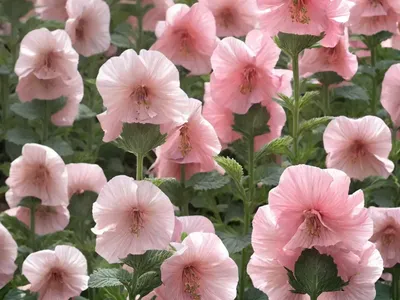
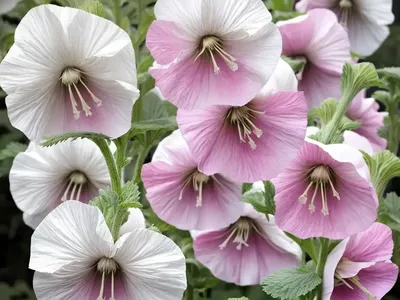
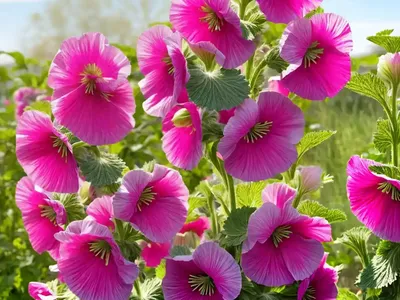
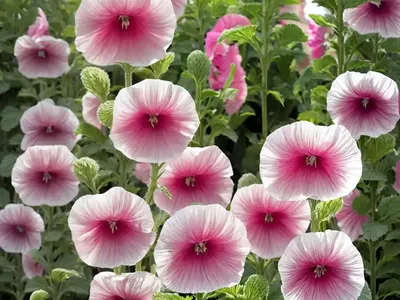
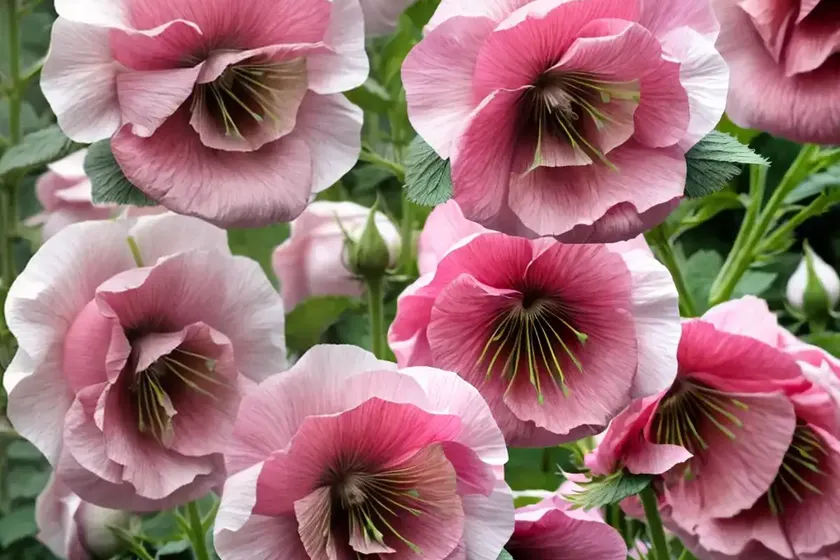
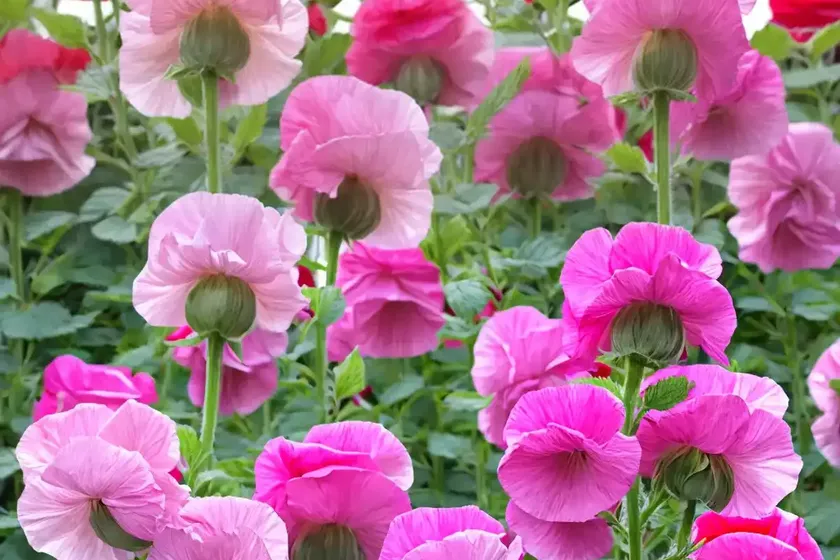
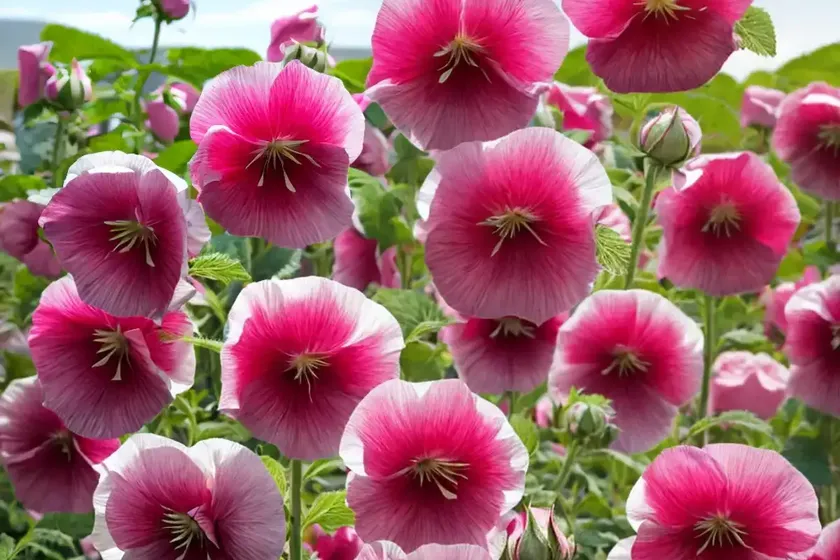
Alcea rosea ‘Chater’s Double Rose’, commonly known as hollyhock, is a herbaceous flowering plant that belongs to the Malvaceae family. It is admired for its tall spires of large, double, rose-pink flowers. Hollyhocks are biennial or short-lived perennials that are known for their old-fashioned charm and their ability to attract butterflies and hummingbirds to the garden. They are native to Asia and Europe, where they have been admired in gardens for centuries.
Key Takeaways – Alcea rosea ‘Chater’s Double Rose’ (Hollyhock)
- Botanical Name: Alcea rosea ‘Chater’s Double Rose’
- Common Name: Hollyhock
- Family: Malvaceae
- Plant Type: Biennial or short-lived perennial
- Flower Color: Rose-pink
- Growth Habit: Tall spires
Culture
Uses
Hollyhocks are versatile and can be used in a variety of gardening settings and arrangements. They are commonly used as:
- Ornamental garden plants
- Butterfly and hummingbird attractants
- Cut flowers for floral arrangements
Water
Hollyhocks prefer consistently moist, well-drained soil. While they are relatively drought-tolerant once established, they benefit from regular watering, especially during dry spells. Water at the base of the plant to avoid wetting the foliage, which can help prevent diseases.
Sunlight
For optimal growth and flowering, hollyhocks require full sun. Choose a planting location that receives at least 6-8 hours of direct sunlight per day.
Fertilizer
When planting hollyhocks, incorporate a balanced, slow-release fertilizer into the soil. Additionally, an application of a balanced fertilizer in early spring can support healthy growth and abundant flowering.
Soil
Hollyhocks thrive in well-draining, moderately fertile soil. A slightly alkaline soil pH is ideal for these plants. Amending the soil with organic matter, such as compost, can improve its texture and fertility.
Pruning
In late fall or early spring, prune hollyhock plants by cutting back any remaining flower stalks and removing any dead or diseased foliage. This provides a neat appearance and can help prevent disease spread.
Propagation
Hollyhocks can be propagated through both seeds and divisions.
Propagation by Seeds:
1. Collect mature seeds from the flower stalks in late summer or autumn.
2. Store the seeds in a cool, dry place until the following spring.
3. In early spring, sow the seeds directly into the garden or in containers indoors.
4. Keep the soil consistently moist until the seeds germinate.
Propagation by Division:
1. In early spring, carefully dig up established hollyhock clumps.
2. Divide the clumps into sections, ensuring that each division has a healthy section of roots and shoots.
3. Replant the divisions in prepared soil and water thoroughly.
Container Popularity
Hollyhocks can be grown in containers, which is especially beneficial for gardeners with limited space or those wanting to enjoy hollyhocks on patios or balconies. When growing hollyhocks in containers, ensure that the containers are large enough to accommodate the plant’s deep taproot. Provide support for the tall flower stalks to prevent them from bending or breaking in the wind.
Common Diseases
Disease Diagnosis
Hollyhocks can be susceptible to certain diseases that may affect their overall health and appearance.
- Rust: This fungal disease appears as orange, powdery spots on the leaves and stems.
- Powdery Mildew: A white, powdery coating on the leaves is a sign of this fungal disease.
- Leaf Spot: Circular, dark spots with yellow halos on the leaves may indicate leaf spot.
Common Pests
Botanist’s Tips
Preventative Measures:
– Regularly inspect hollyhock plants for signs of pests or diseases.
– Provide adequate air circulation by spacing plants appropriately and avoiding overcrowding.
Integrated Pest Management (IPM):
– When necessary, use insecticidal soaps or horticultural oils to control soft-bodied pests like aphids or spider mites.
– Handpick larger pests, such as caterpillars or beetles, and drop them into a bucket of soapy water to limit their populations.
Fun Facts
- Hollyhocks have a rich history and have been cultivated since medieval times.
- The flowers are attractive to pollinators, including butterflies and hummingbirds.
- Hollyhocks were used medicinally to soothe sore throats and alleviate respiratory issues in traditional medicine.
Links to External Resources
For more information on Alcea rosea ‘Chater’s Double Rose’ (Hollyhock), the following resources may be helpful:
- The Royal Horticultural Society – Alcea rosea ‘Chater’s Double Rose’
- University of Vermont Extension – Hollyhocks
- American Horticultural Society – Growing Hollyhocks
In this comprehensive guide, we have explored the cultural requirements, uses, propagation methods, and common issues associated with Alcea rosea ‘Chater’s Double Rose’ (Hollyhock). By following these tips and recommendations, gardeners can cultivate healthy and vibrant hollyhock plants, adding beauty and charm to their outdoor spaces.