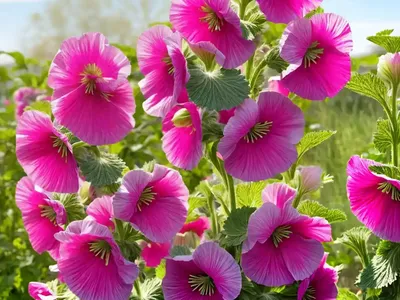
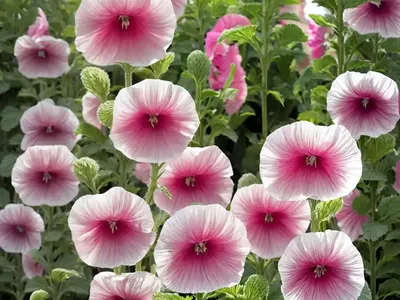
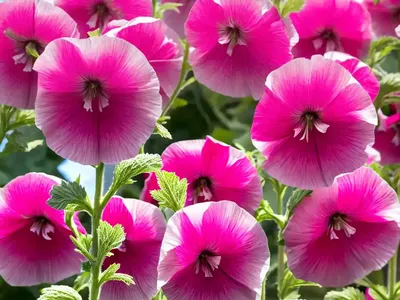
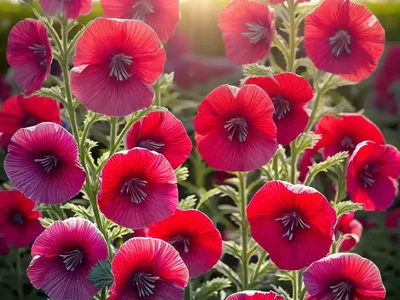
Alcea Rosea ‘Chater’s Double White’ (Hollyhock)
Plants are integral to our planet’s ecosystem, contributing to the balance of nature and providing essential resources for human life. They come in a.
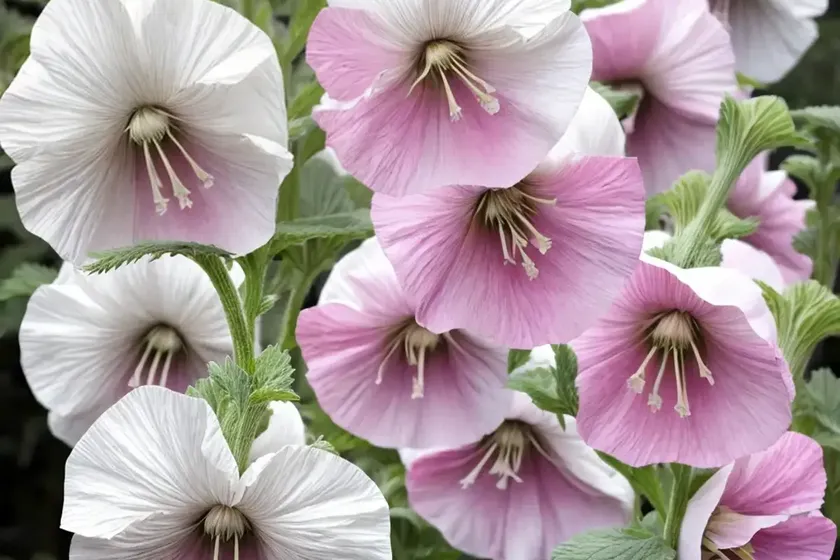
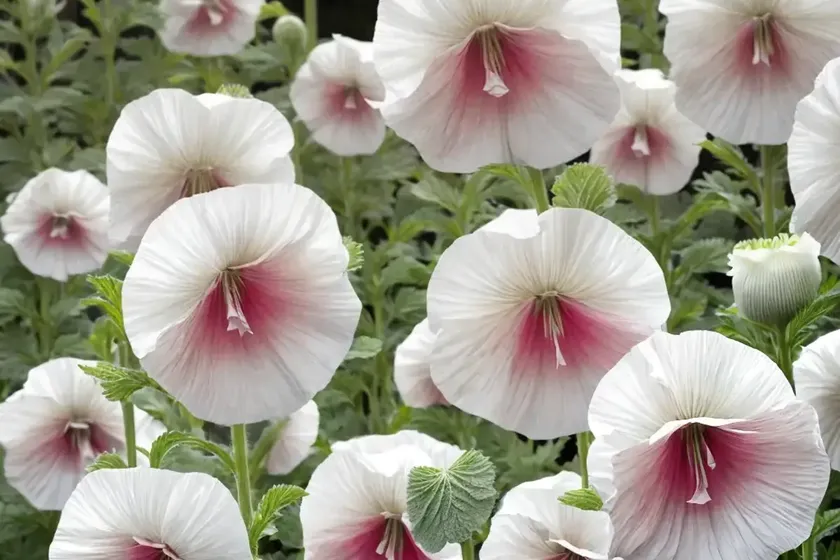
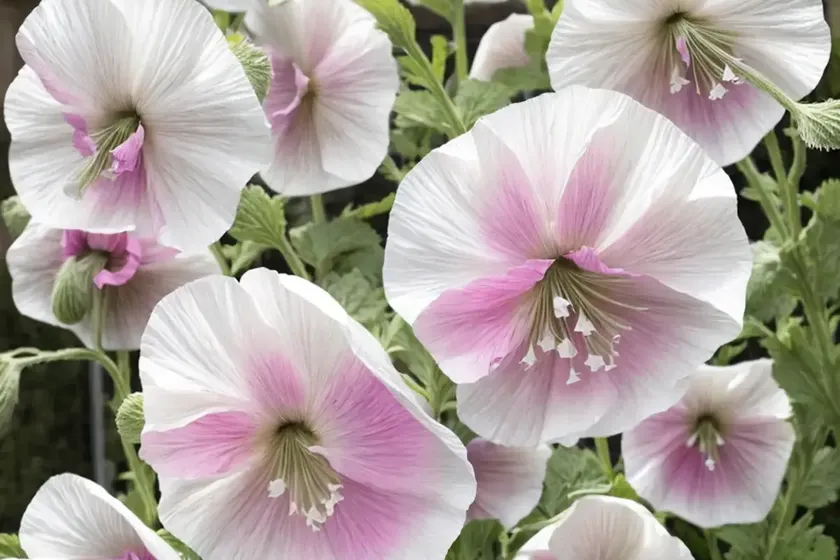
Plants are integral to our planet’s ecosystem, contributing to the balance of nature and providing essential resources for human life. They come in a myriad of forms, colors, and functions. In this article, we will delve into the captivating world of Alcea rosea ‘Chater’s Double White’, commonly known as Hollyhock. We will explore its culture, uses, care requirements, propagation methods, and much more. By the end of this article, you will have a comprehensive understanding of this beautiful plant and how to best cultivate and appreciate it.
What is Alcea rosea ‘Chater’s Double White’ (Hollyhock)?
Alcea rosea ‘Chater’s Double White’ is a member of the mallow family (Malvaceae) and is renowned for its stunning, large, showy flowers. The common name “Hollyhock” is derived from the Old English words “holen” and “hoc,” which mean “holy” and “mallow” respectively, indicating the plant’s historical and cultural significance.
Key Takeaways
- Scientific Name: Alcea rosea ‘Chater’s Double White’
- Common Name: Hollyhock
- Family: Malvaceae
- Flower Color: White
- Flowering Season: Late spring to early summer
- Height: Up to 6 feet
- Water Requirements: Average water needs
- Sunlight: Full sun
- Soil Type: Well-draining, fertile soil
- USDA Hardiness Zone: 3-8
- Landscape Uses: Borders, cottage gardens, and cut flower arrangements
Now that we’ve introduced Alcea rosea ‘Chater’s Double White’, let’s explore its culture, uses, and care requirements in more detail.
Culture
Cultivating Alcea rosea ‘Chater’s Double White’ requires a basic understanding of its requirements and preferences. By providing the ideal environment, you can ensure the healthy growth and abundant flowering of this stunning plant.
Uses
Hollyhocks have been grown for centuries for their ornamental and medicinal properties. The large, colorful blooms make them a favorite in cottage gardens and borders. Additionally, they are often used in cut flower arrangements due to their bold and striking appearance. Beyond their aesthetic value, some parts of the Hollyhock plant have been utilized for herbal and medicinal purposes.
Care Requirements
To successfully grow Alcea rosea ‘Chater’s Double White’, it’s essential to understand its specific care needs, including water, sunlight, fertilizer, soil, and pruning requirements.
Water
Providing adequate water is crucial for the health and vigor of Hollyhocks, especially during the flowering period. However, it’s important to avoid overwatering, as this can lead to root rot and other issues. As a general guideline, aim to keep the soil consistently moist but not waterlogged.
Sunlight
Hollyhocks thrive in full sun, basking in at least 6-8 hours of direct sunlight each day. Placing them in a sunny location will promote robust growth and abundant flowering.
Fertilizer
Applying a balanced, all-purpose fertilizer in the spring can support the growth and blooming of Alcea rosea ‘Chater’s Double White’. Be cautious not to over-fertilize, as this can lead to excessive foliage growth at the expense of flowers.
Soil
Well-draining, fertile soil is ideal for Hollyhocks. Amending the soil with organic matter, such as compost, can improve its structure and nutrient content, creating a hospitable environment for the plant’s roots.
Pruning
Deadheading spent blooms not only improves the plant’s appearance but also encourages the production of new flowers. Additionally, cutting back the flower stalks once they have finished blooming can promote tidier growth and potentially stimulate a second flush of flowers.
Propagation
Alcea rosea ‘Chater’s Double White’ can be propagated through various methods, including seeds, divisions, and cuttings. Each approach has its own requirements and benefits.
Seed Propagation
- Collect mature seeds from the flower heads in the late summer or early fall.
- Directly sow the seeds in the desired location in the garden or in containers.
- Keep the soil consistently moist until the seeds germinate, which typically takes 14-21 days.
- Thin out the seedlings once they have developed their first true leaves, providing adequate spacing for each plant to thrive.
Division
- Divide established clumps of Hollyhocks in the early spring or fall, ensuring that each division has a viable portion of roots and shoots.
- Replant the divisions in prepared soil at the appropriate depth and spacing, and water them thoroughly.
Cuttings
- Take 4-6 inch stem cuttings from healthy, actively growing shoots.
- Remove the lower leaves and dip the cut end in a rooting hormone to encourage root development.
- Plant the cuttings in a pot filled with a well-draining rooting medium, keeping them consistently moist and providing gentle bottom heat if possible.
Container Popularity
While Hollyhocks are primarily known for their presence in cottage gardens and borders, they can also thrive in containers under the right conditions. The large, striking flowers make them an appealing choice for container gardening, adding vertical interest to patios, balconies, and other outdoor spaces.
Container Common Diseases
When growing Alcea rosea ‘Chater’s Double White’ in containers, it’s essential to be aware of potential diseases that can affect the plant. Common issues include:
- Powdery Mildew: A fungal disease that manifests as a powdery white coating on the leaves and stems, often caused by poor air circulation and high humidity.
- Rust: Characterized by orange-brown pustules on the undersides of the leaves, rust can weaken the plant if left untreated.
- Root Rot: Excessive moisture in container soil can lead to root rot, resulting in wilting, yellowing foliage, and overall decline.
Disease Diagnosis
Monitoring the plant for any signs of disease and promptly addressing any issues is crucial in container cultivation. Regularly inspect the leaves, stems, and overall vigor of the plant to detect and diagnose any potential diseases early on.
Common Pests
Hollyhocks can be vulnerable to certain pests, particularly when grown in containers. Common pests that may affect Alcea rosea ‘Chater’s Double White’ include:
- Aphids: Small, sap-sucking insects that can cause distortion and yellowing of the leaves.
- Japanese Beetles: These voracious feeders can devour the foliage and flowers of Hollyhocks, causing significant damage if left unchecked.
- Spider Mites: These tiny pests can cause stippling and webbing on the leaves, leading to reduced vigor and potential defoliation.
Botanist’s Tips
To ensure the successful cultivation of Alcea rosea ‘Chater’s Double White’ in containers, consider the following tips:
- Use a high-quality, well-draining potting mix to promote healthy root growth and prevent waterlogged conditions.
- Provide adequate spacing between containers to promote air circulation and reduce the risk of fungal diseases.
- Monitor the plant regularly for signs of pests and diseases, taking proactive measures to address any issues that arise.
Fun Facts
Hollyhocks have a rich history, and there are many intriguing facts about this beloved plant:
- Historical Significance: Hollyhocks have been cultivated for centuries and are often featured in historical gardens, including medieval and Renaissance gardens.
- Biennial Growth: In some climates, Hollyhocks are grown as biennials, producing foliage in the first year and flowering in the second year before setting seed and completing their life cycle.
- Attracting Pollinators: The large, nectar-rich flowers of Alcea rosea ‘Chater’s Double White’ attract a variety of pollinators, including bees, butterflies, and hummingbirds.
Links to External Resources
For additional information on Alcea rosea ‘Chater’s Double White’ and its cultivation, consider exploring the following resources:
- Royal Horticultural Society – Hollyhocks
- Missouri Botanical Garden – Alcea rosea ‘Chater’s Double White’
- Gardening Know How – Growing Hollyhocks
- University of Vermont Extension – Hollyhocks in the Garden
By exploring these reputable sources, you can further enhance your knowledge of Alcea rosea ‘Chater’s Double White’ and its role in gardening and landscape design.
In this comprehensive blog post, we’ve embarked on a journey to understand the captivating allure of Alcea rosea ‘Chater’s Double White’, commonly known as Hollyhock. From its culture and uses to its care requirements, propagation methods, and container gardening tips, this article provides a valuable resource for both novice and experienced gardeners. By delving into the intricate details of this enchanting plant, we aim to foster a deeper appreciation for its beauty and ecological significance.