Alcea Rosea ‘Blacknight’ (Hollyhock)
As a plant scientist with a passion for horticulture, I am excited to delve into the world of Alcea rosea ‘Blacknight’, commonly known as Hollyhock..
As a plant scientist with a passion for horticulture, I am excited to delve into the world of Alcea rosea ‘Blacknight’, commonly known as Hollyhock. Throughout this comprehensive guide, we will explore the essential aspects of cultivating and caring for this stunning plant. From its unique characteristics to maintenance tips, common pests and diseases, as well as its cultural significance, we will cover it all. Whether you are a seasoned gardener or a novice enthusiast, this guide will equip you with the knowledge to successfully grow and appreciate the beauty of Alcea rosea ‘Blacknight’.
What is Alcea rosea ‘Blacknight’ (Hollyhock)?
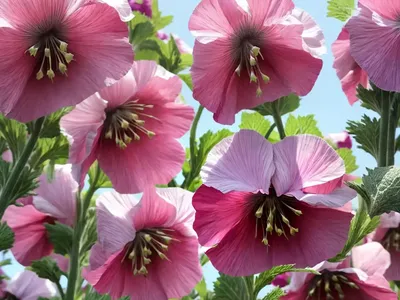
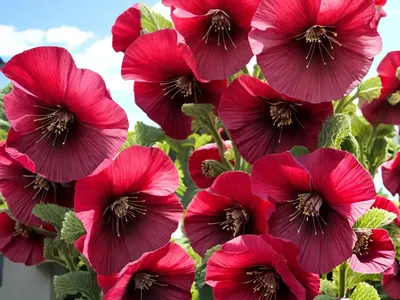
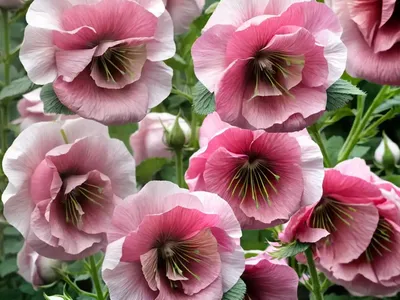
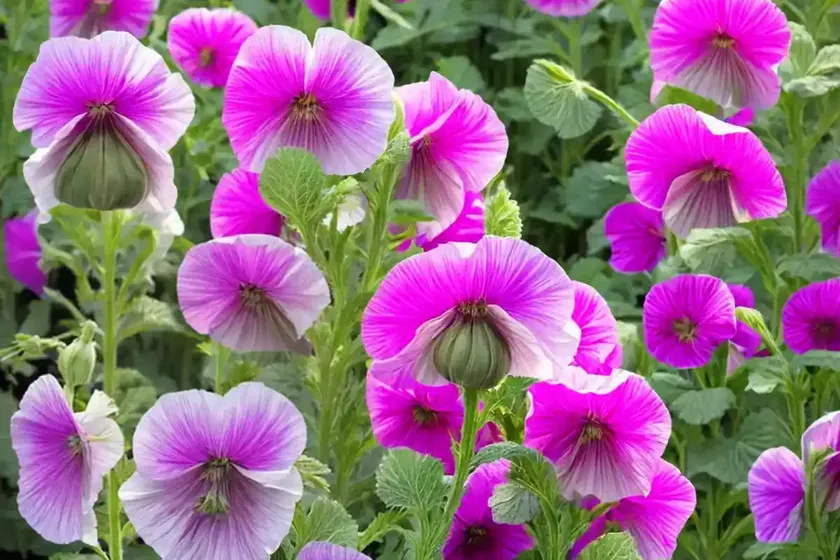
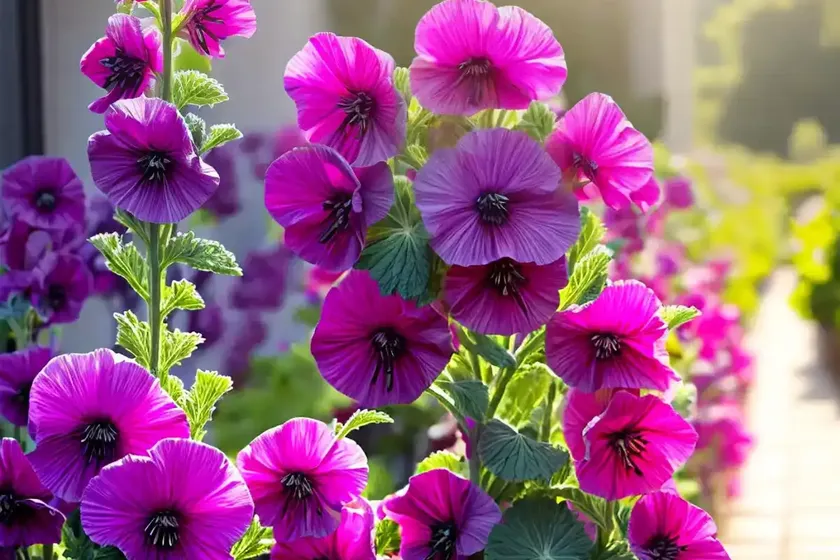
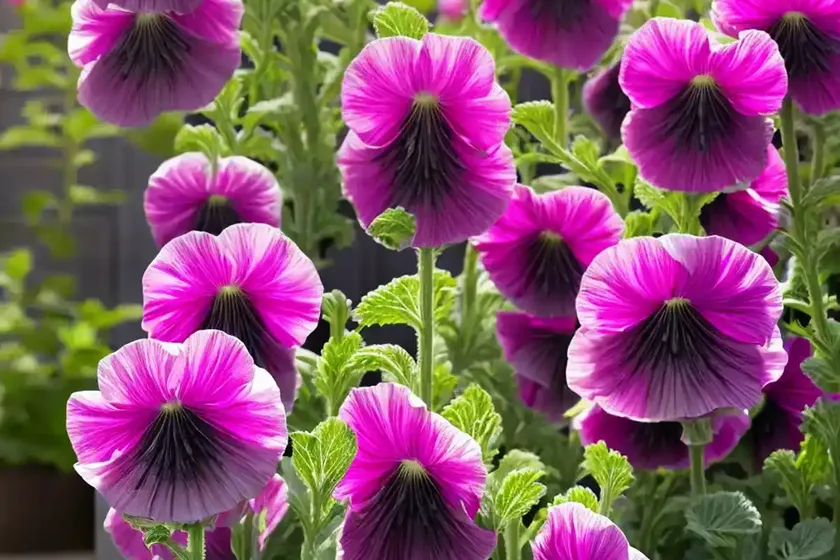
Alcea rosea, commonly referred to as Hollyhock, is a striking flowering plant that belongs to the Malvaceae family. ‘Blacknight’ is a specific cultivar known for its deep, velvety, almost black flowers, making it a standout feature in gardens and landscapes. This biennial or short-lived perennial plant is native to Asia and Eastern Europe. However, it has been naturalized and widely cultivated in various regions across the globe due to its aesthetic appeal and cultural significance.
Hollyhocks are renowned for their tall, elegant flower spikes that can reach impressive heights, adding a vertical dimension to gardens. The ‘Blacknight’ cultivar, in particular, stands out for its rich, dark blooms, which create a dramatic contrast against the green foliage.
This plant has a strong historical and cultural significance, often associated with traditional medicine, folklore, and even offering practical uses in natural dye production and aromatherapy. Its ability to attract pollinators adds to its allure, making it a favorite for wildlife and butterfly gardens.
Key Takeaways – Alcea rosea ‘Blacknight’ (Hollyhock)
Before we dive into the specifics of growing and caring for Alcea rosea ‘Blacknight’, let’s take a moment to highlight the key takeaways regarding this enchanting plant:
- Distinctive Appearance: With its deep, almost black flowers, ‘Blacknight’ stands out as an exceptional variety of Hollyhock.
- Cultural Significance: Hollyhock has a rich history, being valued for its medicinal properties, cultural symbolism, and practical uses such as natural dye production.
- Wildlife Attraction: Its ability to attract pollinators and butterflies makes it a valuable addition to wildlife and butterfly gardens.
- Vertical Elegance: The tall flower spikes of Hollyhock add a vertical element to landscapes, creating a captivating visual impact.
Now, let’s explore the details of successfully cultivating and nurturing Alcea rosea ‘Blacknight’ to bring out its full potential.
Culture
Understanding the cultural requirements of Alcea rosea ‘Blacknight’ is essential for ensuring its healthy growth and abundant flowering. From soil and sunlight preferences to watering needs, addressing these cultural aspects will lay the foundation for a thriving Hollyhock garden.
Uses
Hollyhocks have been appreciated for a variety of uses beyond their ornamental value. Let’s explore some common uses of Alcea rosea ‘Blacknight’:
- Aesthetic Enhancement: With its striking appearance, ‘Blacknight’ serves as an ornamental plant, adding beauty and elegance to gardens and landscapes.
- Wildlife Gardens: Its ability to attract pollinators and butterflies makes it a valuable addition to wildlife-friendly gardens.
- Traditional Medicine: In traditional medicine, certain parts of Hollyhock have been used for various medicinal purposes, highlighting its potential health benefits.
Water
Consistent and adequate watering is crucial for the optimal growth of Alcea rosea ‘Blacknight’. Understanding its water requirements and implementing proper watering practices will contribute to healthy foliage and abundant flowering.
Sunlight
Proper sunlight exposure is imperative for the overall health and flowering performance of Alcea rosea ‘Blacknight’. By understanding its sunlight preferences, gardeners can ensure that this captivating plant thrives in their garden environment.
Fertilizer
Applying the right fertilizers at the appropriate times can significantly enhance the growth and blooming of Alcea rosea ‘Blacknight’. Let’s explore the best practices for fertilizing this unique plant.
Soil
The soil composition and quality play a critical role in the successful cultivation of Alcea rosea ‘Blacknight’. Understanding its soil requirements and making the necessary soil amendments are essential for fostering a healthy and vibrant Hollyhock garden.
Pruning
Pruning is an important maintenance practice that can promote better flowering, prevent disease, and shape the overall appearance of Alcea rosea ‘Blacknight’. Let’s explore the key pruning techniques for this captivating plant.
Propagation
For those interested in expanding their Hollyhock garden or sharing the beauty of Alcea rosea ‘Blacknight’ with others, understanding the propagation methods is crucial. From seeds to division, let’s delve into the various ways to propagate this stunning plant.
Container
Even in limited garden spaces, enthusiasts can enjoy the beauty of Alcea rosea ‘Blacknight’ by cultivating it in containers. Understanding the nuances of container gardening for Hollyhock is essential for its successful growth and development.
Popularity
Alcea rosea ‘Blacknight’ has garnered significant attention and popularity among gardeners and horticulture enthusiasts due to its distinctiveness and visual appeal. Let’s explore the factors contributing to its popularity and its significance in the gardening world.
Now that we’ve touched on the key aspects of Alcea rosea ‘Blacknight’, let’s delve into each of these in detail to provide a comprehensive guide for successfully growing and caring for this captivating plant.
Common Diseases
Hollyhocks, including the ‘Blacknight’ variety, are susceptible to certain diseases that can impact their overall health and vitality. Identifying these common diseases and understanding their symptoms is crucial for implementing effective disease management strategies.
Disease Diagnosis
The ability to accurately diagnose diseases affecting Alcea rosea ‘Blacknight’ is essential for implementing targeted treatment and prevention measures. Let’s explore the common diseases that can affect this plant and how to effectively diagnose them.
Common Pests
Pest infestations can pose a threat to the health and beauty of Alcea rosea ‘Blacknight’. By identifying common pests and understanding their impact, gardeners can take proactive measures to protect their Hollyhock garden.
Botanist’s Tips
As a plant scientist, I’ve gathered valuable insights and tips for successfully growing and caring for Alcea rosea ‘Blacknight’. These tips are based on scientific knowledge and practical experience, offering essential guidance for enthusiasts and horticulture professionals.
Fun Facts
To further enrich our understanding and appreciation of Alcea rosea ‘Blacknight’, let’s explore some intriguing and delightful fun facts about this captivating plant.
Links to External Resources
To complement the comprehensive growing guide for Alcea rosea ‘Blacknight’, it’s essential to provide links to reliable external resources. These resources can offer further in-depth information, visuals, and practical tips for enthusiasts and gardeners seeking additional guidance on cultivating this unique plant.
Now, equipped with a detailed understanding of Alcea rosea ‘Blacknight’, its cultural significance, and practical aspects of its cultivation and care, enthusiasts and horticulture professionals can effectively nurture and appreciate the beauty of this captivating plant.
As we conclude this growing guide, I hope that this comprehensive exploration of Alcea rosea ‘Blacknight’ has inspired a deeper appreciation for the natural wonders of the plant kingdom. Whether it’s the striking appearance, cultural significance, or its practical uses, Hollyhocks continue to enthrall and enrich our lives in diverse and meaningful ways.