Alcea Rosea ‘Chater’s Double Maroon’ (Hollyhock)
Plants form an integral part of the ecological system, contributing significantly to the balance of the environment. Among the vast array of plants, the.
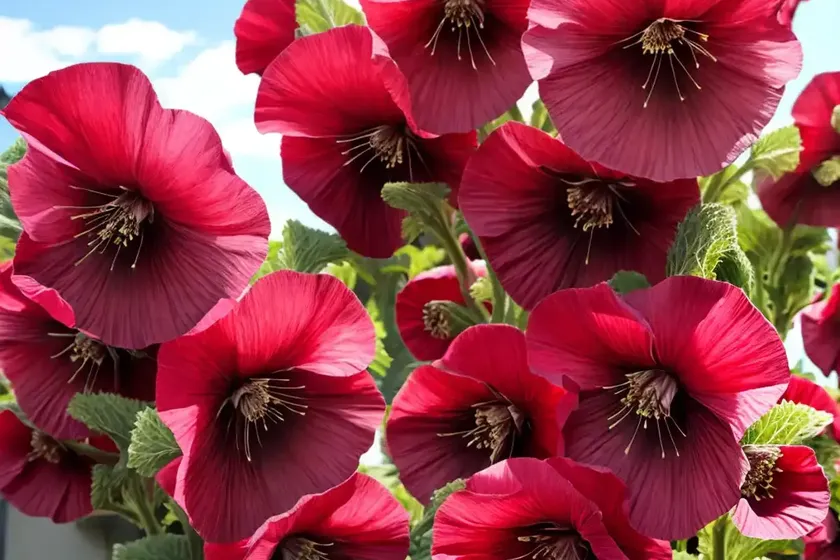
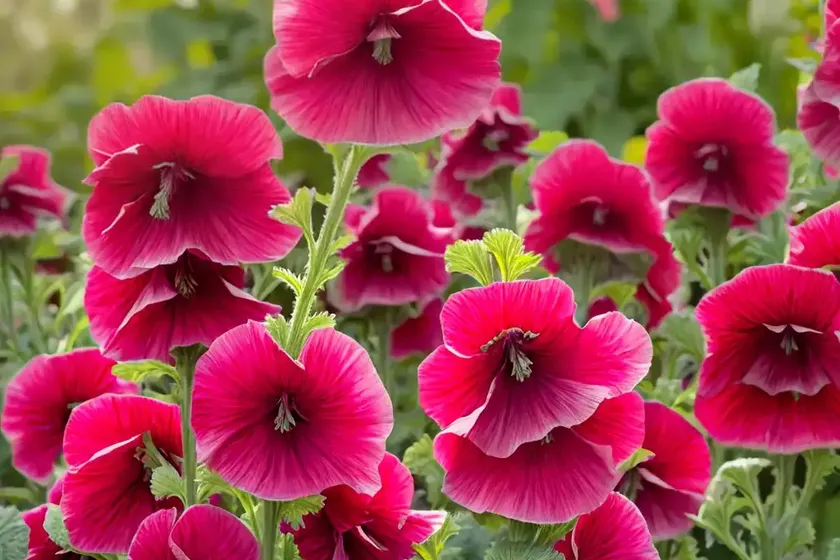
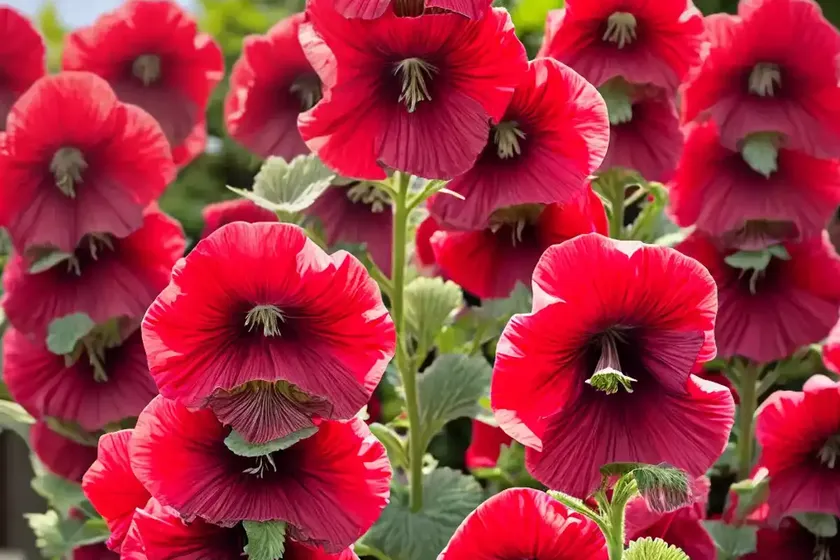
Plants form an integral part of the ecological system, contributing significantly to the balance of the environment. Among the vast array of plants, the Hollyhock (Alcea rosea ‘Chater’s Double Maroon’) stands out as a stunning and fascinating plant variety with rich cultural significance and abundant garden uses. In this comprehensive guide, we will explore the various aspects of this elegant plant, from its cultural significance to its care and maintenance. Whether you are a seasoned gardener or just starting to explore the world of plants, this guide will provide you with the essential knowledge to grow and nurture Alcea rosea ‘Chater’s Double Maroon’ in your garden.
What is Alcea rosea ‘Chater’s Double Maroon’ (Hollyhock)?
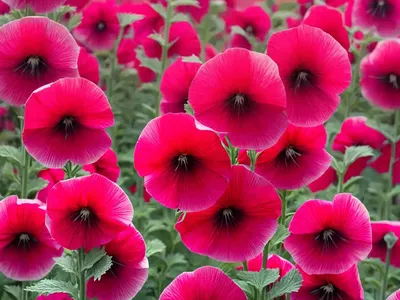
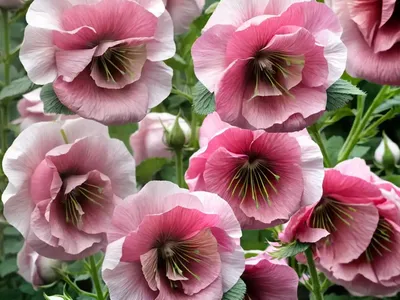
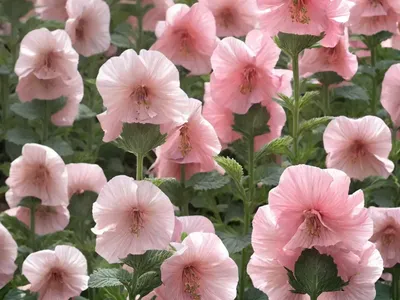
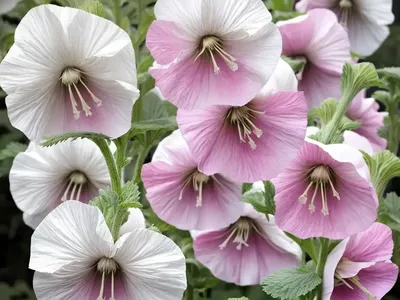
Alcea rosea ‘Chater’s Double Maroon’, commonly known as Hollyhock, is a captivating biennial or short-lived perennial flowering plant that belongs to the family Malvaceae. This majestic plant is characterized by its tall spires of large, showy, double maroon flowers, which provide a striking display in gardens and landscapes. The botanical name Alcea is derived from the Greek word “Alkaia,” referring to a plant used for healing, while the species name rosea denotes rose-like, alluding to the shape and possibly the color of the flowers. The cultivar ‘Chater’s Double Maroon’ specifically refers to the variety with fully double, deep maroon flowers, indicating its distinctiveness within the species.
Key Takeaways – Alcea rosea ‘Chater’s Double Maroon’ (Hollyhock)
To gain a comprehensive understanding of Alcea rosea ‘Chater’s Double Maroon’ and its cultivation, it is essential to delve into its various aspects. Below are the key takeaways that we will explore in detail throughout this guide:
- Culture
- Uses
- Water
- Sunlight
- Fertilizer
- Soil
- Pruning
- Propagation
- Container Popularity
- Container Common Diseases
- Disease Diagnosis
- Common Pests
- Botanist’s Tips
- Fun Facts
- Links to External Resources
Culture of Alcea rosea ‘Chater’s Double Maroon’
Understanding the cultural requirements of Alcea rosea ‘Chater’s Double Maroon’ is crucial for ensuring its optimal growth and development. By addressing its specific cultural needs, you can create an environment that promotes the flourishing of this remarkable plant.
Uses
Ornamental Beauty
- The primary use of Alcea rosea ‘Chater’s Double Maroon’ is as an ornamental plant in gardens and landscapes, where its towering spires of double maroon flowers add elegance and charm to the surroundings.
- Hollyhocks are often used as background plants, creating a stunning backdrop for smaller flowering plants or seasonal displays.
Medicinal and Herbal Uses
- Historically, various parts of the Hollyhock plant have been utilized for their medicinal properties.
- The roots and flowers of Hollyhocks have been used in traditional medicine for their purported expectorant and demulcent properties, and as a soothing remedy for coughs and respiratory ailments.
Water
- Adequate water is essential for the healthy growth of Alcea rosea ‘Chater’s Double Maroon’. The plant should be provided with regular watering, particularly during dry spells, to maintain soil moisture and prevent dehydration.
- However, it is crucial to ensure that the soil is well-draining to avoid waterlogging, which can lead to root rot and other moisture-related issues.
Sunlight
- Alcea rosea ‘Chater’s Double Maroon’ thrives in full sun or partial shade, with at least six hours of direct sunlight being ideal for optimal flowering and overall vigor.
- When grown in shaded areas, the plant may exhibit reduced flowering and overall growth, so it is advisable to position it in a location that receives ample sunlight.
Fertilizer
- Providing the Hollyhock with a balanced, all-purpose fertilizer during the growing season can promote healthy growth and abundant flowering.
- A slow-release fertilizer or a liquid fertilizer applied every 4-6 weeks can supply the necessary nutrients to support the plant’s growth and blooming.
Soil
- Well-drained, fertile soil with a slightly acidic to neutral pH is ideal for cultivating Alcea rosea ‘Chater’s Double Maroon’.
- Amending the soil with organic matter, such as compost or well-rotted manure, can enhance its fertility and water retention capabilities, contributing to the overall health of the plant.
Pruning
- Pruning can help maintain the form and vigor of Alcea rosea ‘Chater’s Double Maroon’, as well as prolong its blooming period by removing spent flowers and encouraging new growth.
- Deadheading the faded blooms can prevent the plant from expending energy on seed production and promote the continuous emergence of fresh flowers.
Propagation
- Alcea rosea ‘Chater’s Double Maroon’ can be propagated through various methods, including seed sowing, division of established plants, and root cuttings.
- Seeds can be sown directly in the garden or started indoors before the last frost date, while division and root cuttings are typically performed in early spring.
Container Popularity
- While Hollyhocks are commonly grown in garden beds and borders, they can also thrive in large containers or planters, provided that the container offers sufficient space for the plant’s extensive root system.
- Growing Alcea rosea ‘Chater’s Double Maroon’ in containers allows for greater flexibility in terms of placement and can be particularly suitable for urban gardens and smaller outdoor spaces.
Container Common Diseases
- When cultivating Alcea rosea ‘Chater’s Double Maroon’ in containers, it is important to be mindful of potential diseases such as powdery mildew and rust, which can affect the plant in confined spaces with limited air circulation.
- Regular monitoring and proper maintenance can help prevent and manage these issues before they escalate.
Disease Diagnosis
- Identifying and diagnosing diseases that may affect Alcea rosea ‘Chater’s Double Maroon’ is crucial for implementing timely and effective treatment measures.
- Common diseases that may afflict Hollyhocks include powdery mildew, rust, and leaf spot diseases, which can be addressed through cultural practices and targeted treatments.
Common Pests
- Hollyhocks are susceptible to pest infestations by aphids, caterpillars, and Japanese beetles, among others.
- Regular inspection of the plant for signs of pest activity and the prompt implementation of control measures can help mitigate potential damage.
Botanist’s Tips
- When selecting a location for planting Alcea rosea ‘Chater’s Double Maroon’, consider factors such as soil drainage, sunlight exposure, and proximity to other plants to ensure its optimal growth and performance.
- Incorporating a layer of organic mulch around the base of the plant can help conserve soil moisture, suppress weed growth, and protect the roots from temperature fluctuations.
Alcea rosea ‘Chater’s Double Maroon’: Fun Facts and Botanical Significance
- Historical Symbolism: Hollyhocks have historical significance in various cultures, often symbolizing qualities such as ambition, fertility, and perseverance.
- Pollinator Attraction: The nectar-rich flowers of Alcea rosea ‘Chater’s Double Maroon’ can attract a diverse array of pollinators, including bees, butterflies, and hummingbirds, contributing to the ecological balance of the garden.
- Vertical Accent: With its tall, imposing flower spikes, Hollyhock can serve as a striking vertical accent in garden designs, adding height and visual interest to the landscape.
- Cottage Garden Favorite: Hollyhocks are commonly associated with cottage gardens, traditional garden designs that emphasize a mix of ornamental and functional plants, exuding a quaint and rustic charm.
- Cultural Significance: The diverse range of flower colors and forms within the Alcea rosea species has led to its widespread cultivation and appreciation in gardens and horticultural collections worldwide.
- Historic Uses: In addition to its ornamental and medicinal uses, Hollyhock has been historically used for dyeing fabrics, producing soft, muted hues with the use of various plant parts.
Conclusion
Alcea rosea ‘Chater’s Double Maroon’ (Hollyhock) stands as a captivating and versatile plant that holds a special place in gardening and horticulture. Through understanding its cultural requirements, optimal care practices, and unique characteristics, you can unlock the full potential of this marvelous plant and enhance the beauty of your outdoor spaces. Whether you are drawn to its historical significance, ornamental allure, or ecological contributions, Alcea rosea ‘Chater’s Double Maroon’ is undoubtedly a valuable addition to any garden or landscape, enriching the natural tapestry with its vibrant blooms and undeniable charisma.
For further exploration and detailed information on Hollyhock gardening, propagation techniques, and disease management, refer to the external resources provided below. These resources offer valuable insights and practical tips for cultivating Alcea rosea ‘Chater’s Double Maroon’ and elevating your gardening experience.